


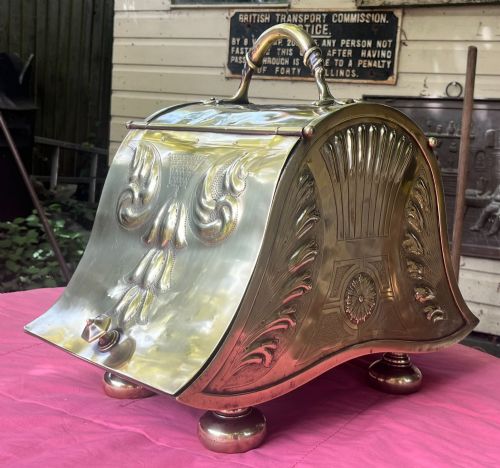
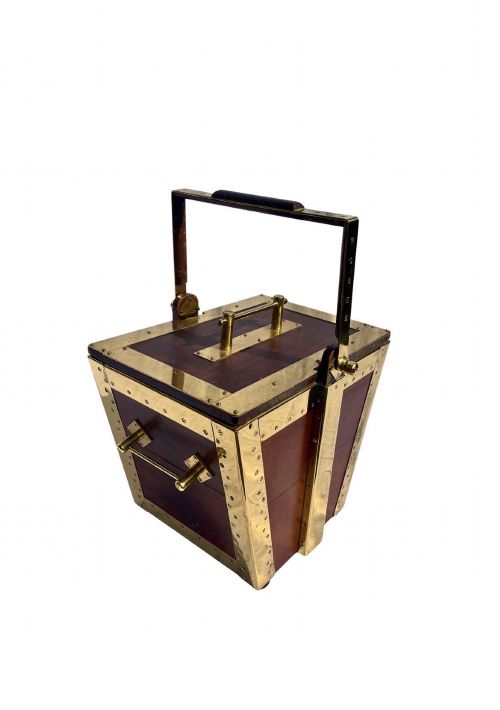
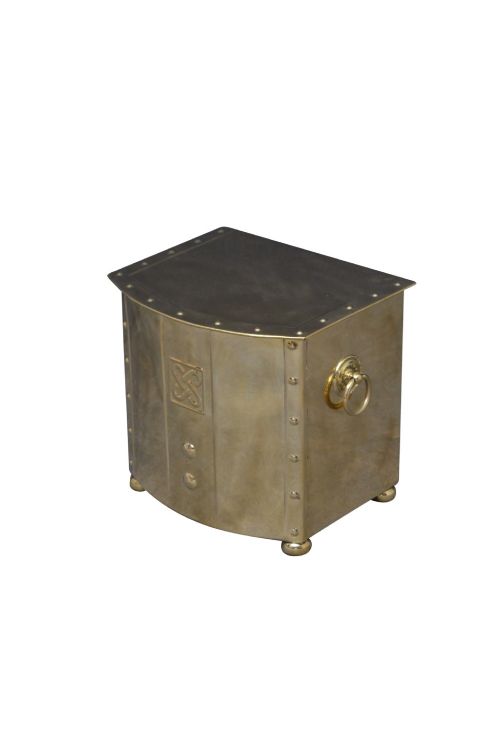


Vintage Brass Coal Box
A vintage brass coal box brings functional hearthside utility into a room with polished metal and timber presence.
Vintage Brass Coal Box
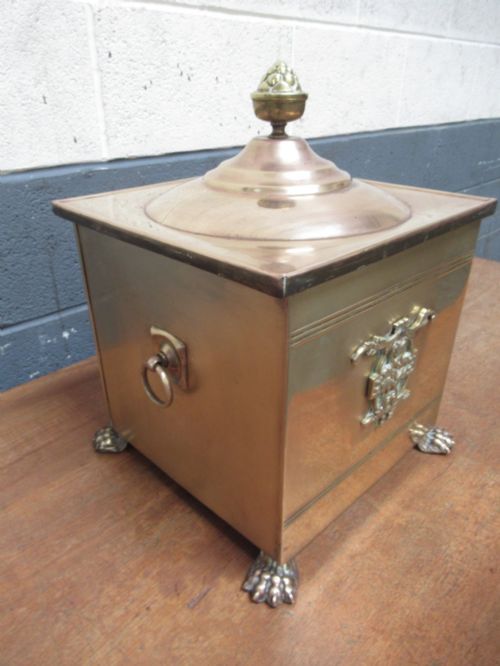
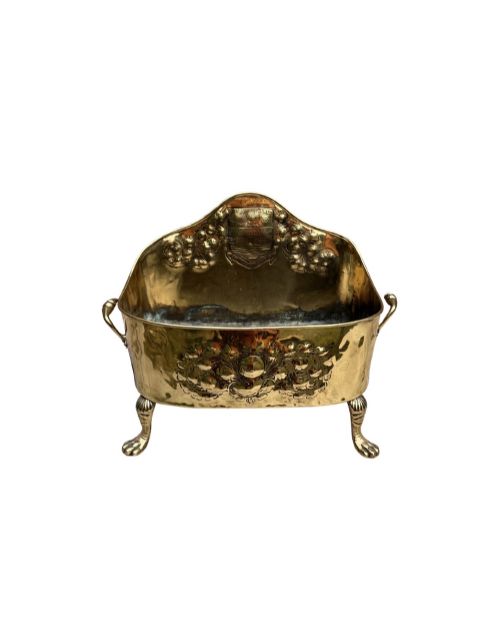
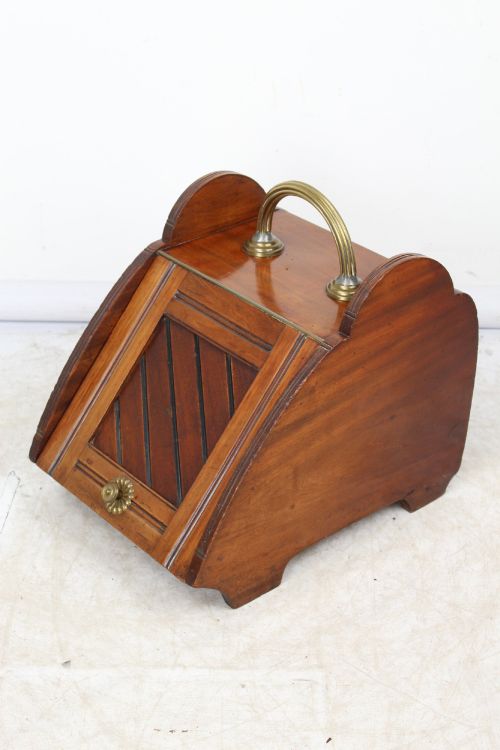
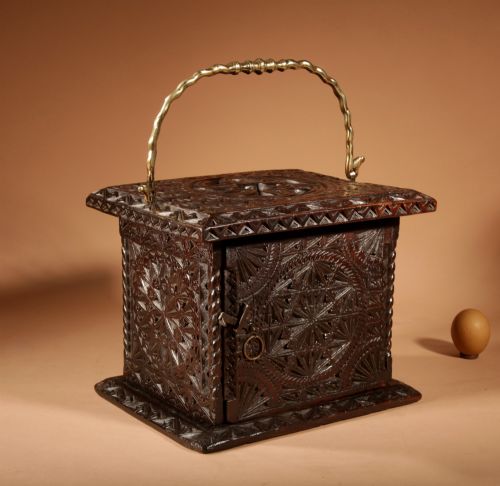
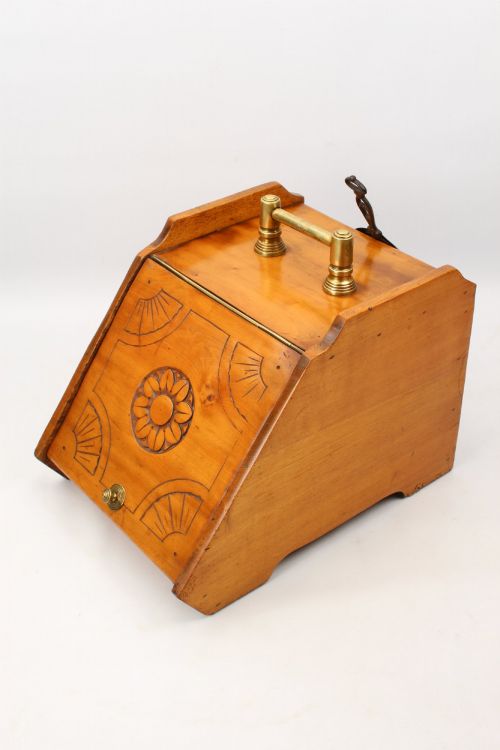
When you search for a vintage brass coal box, you encounter a range of fireside containers designed to store and transport fuel. These pieces span helmet buckets, purdoniums, and lidded storage bins intended for coal or logs beside the fireplace.
You are most likely to meet Victorian and Edwardian examples on this page, often combining sheet brass with oak, mahogany, or walnut bodies. Many items feature hinged lids, drop handles, and配套 shovels tucked into rear or side fixings.
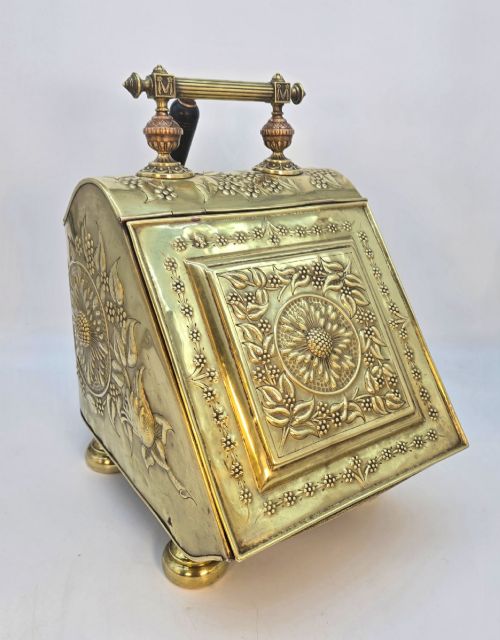
The selection also reaches into Art Nouveau and Arts and Crafts designs, where hammered surfaces and stylistic spade decorations transform a utilitarian fuel store into an ornamental hearth accessory.
How they were made
Constructed primarily from sheet brass mounted onto timber carcasses like oak, pine, and mahogany, these boxes rely on contrasting materials for structural durability and decorative effect. Cabinet versions utilise panelled wood with brass hinges and handles, while helmet and bucket forms depend on beaten metal seams.
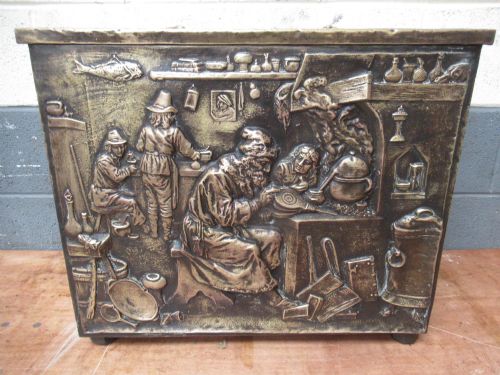
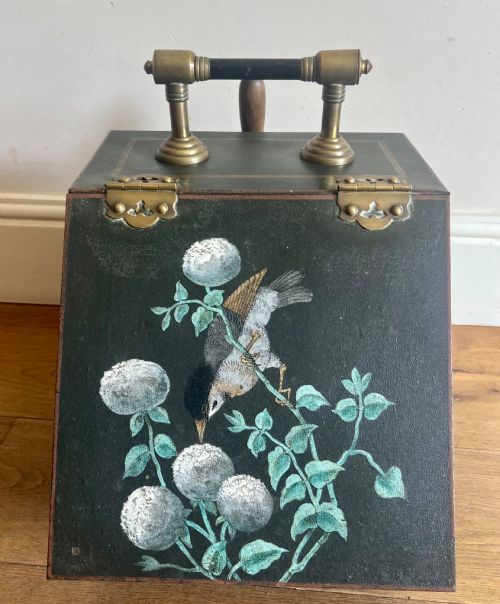
Surface decoration involves embossing, chip carving, and repoussé work, particularly within Arts and Crafts and Art Nouveau items. Makers also incorporated ceramic liners, iron framing, and copper or tole ware elements to contain fuel dust and protect the surrounding floor.
Vintage Brass Coal Box Retail Price Guide 2026
Typical asking prices for vintage brass coal box among the pieces listed under this phrase on Sellingantiques today, from the lower quarter to the upper quarter. They describe what is for sale here now, not the wider market.
Listings feature oak, mahogany, walnut, and pine timber bodies paired with brass, copper, and iron metalwork across the Victorian and Edwardian periods.
What varies in quality
The distinction between standard utility items and finer examples rests on the weight of the brass and the integrity of the timber joinery. Thicker gauge metal resists denting during daily fireside use, while solid mahogany or oak carcasses outlast veneered alternatives.
Detailing determines the upper tier of production, visible in crisp repoussé work, substantial cast brass mounts, and the retention of original ceramic liners and coal shovels. Maker attributions, such as marked pieces by known firms, further elevate the standing of a container.
Benham and Froud·Henry Loveridge
The Vintage Brass Coal Box Glossary
- Purdonium
- A specialised coal cabinet featuring a sloping drop-down front and an internal metal liner for carrying fuel. This form kept coal neatly enclosed beside the fireplace.
- Coal Helmet
- A bucket shaped with a high arched back and a wider flared front spout designed for pouring fuel cleanly. The configuration mirrors the profile of a traditional military helmet.
- Repoussé
- A metalworking technique where the artisan hammers the design from the reverse side to form raised patterns on the surface. This method appears frequently on Art Nouveau and Arts and Crafts metal bodies.
- Tole Ware
- Lacquered or enamelled sheet metal utilised for decorative household containers. These pieces introduce painted or dark finished surfaces to fireside accessories.
- Log Bin
- A deep receptacle intended for larger pieces of firewood rather than small coal. These containers often employ wooden staves with brass bands or heavy metal bodies.
Vintage Brass Coal Box: Frequently Asked Questions
How do I clean antique brass?
Antique brass responds best to gentle cleaning with a soft cloth to remove dust and surface grime. Avoid harsh chemical polishes that strip away the aged patina accumulated over decades.
Leaving a trace of darker oxidation in recessed areas helps preserve the historic character of embossed and repoussé panels. Regular dusting prevents soot accumulation from dulling the metal.
Were these boxes only for coal?
While primarily built for coal, many of these containers served wider hearthside duties as log bins and fuel stores. Larger buckets accommodated firewood, peat, or kindling depending on the household fuel source.
Today, buyers frequently repurpose these lidded bins as umbrella stands, plant holders, or general storage boxes in living spaces.
How do I date a brass coal box?
Dating relies on stylistic markers, construction methods, and materials associated with specific design movements. Victorian and Edwardian pieces often display characteristic oak cabinetry or stamped brass helmets.
Art Nouveau and Arts and Crafts examples introduce stylized floral motifs, hammered copper accents, and distinct riveted construction. Maker stamps provide precise attribution when present.