

Victorian Brass Coal Bucket
A victorian brass coal bucket brings nineteenth-century fireside utility and bright metallic warmth to a hearth.

Victorian Brass Coal Bucket
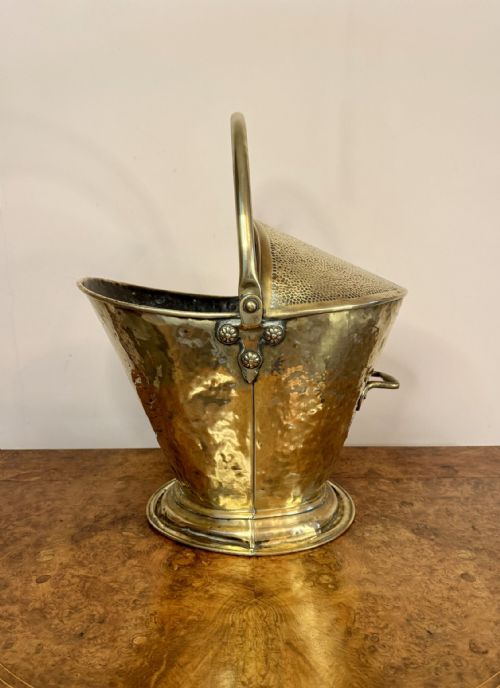
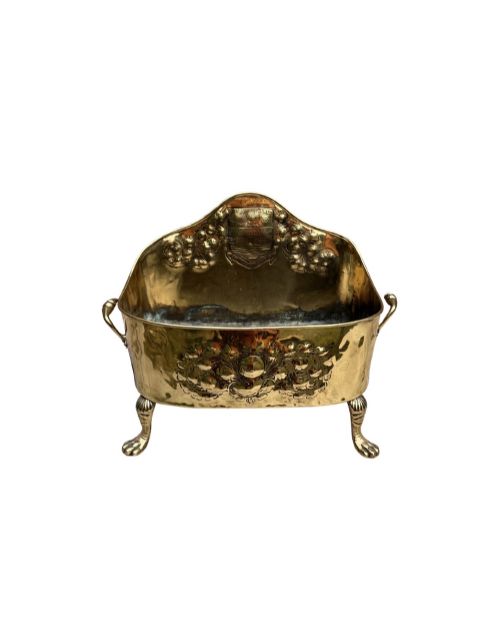
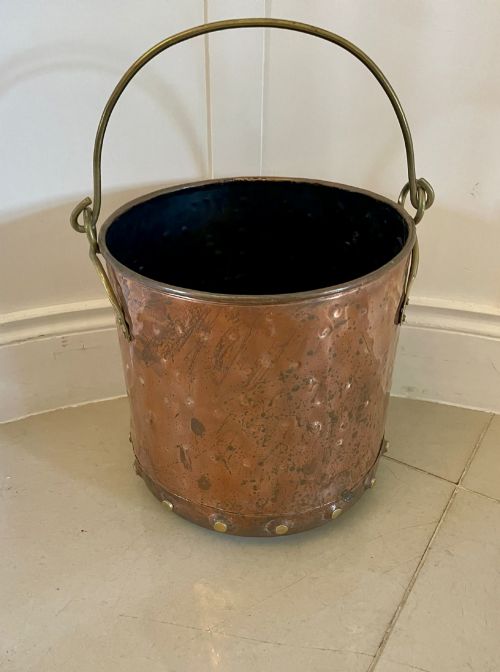
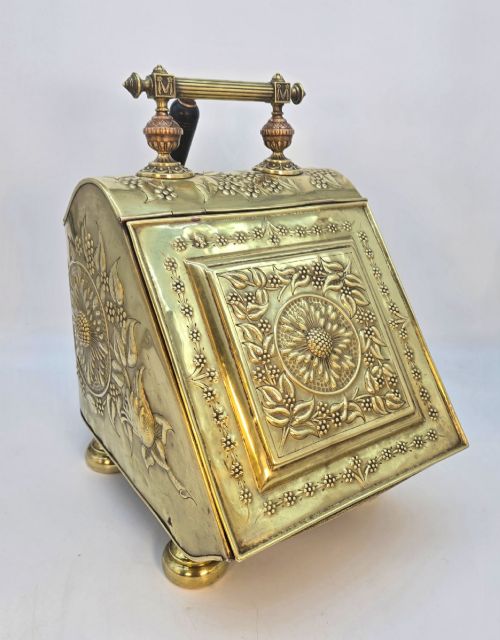
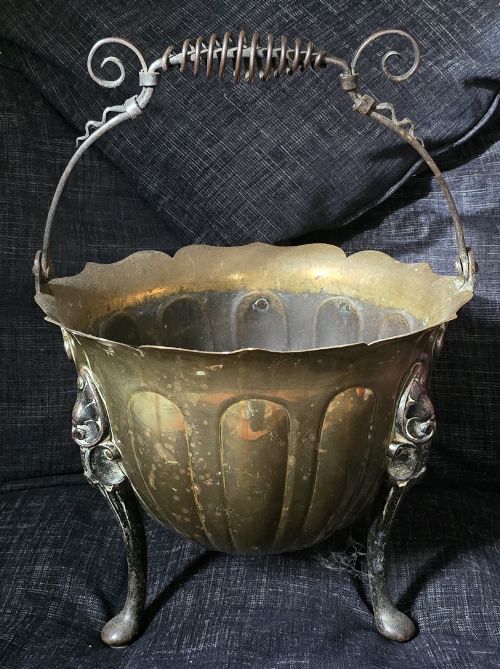
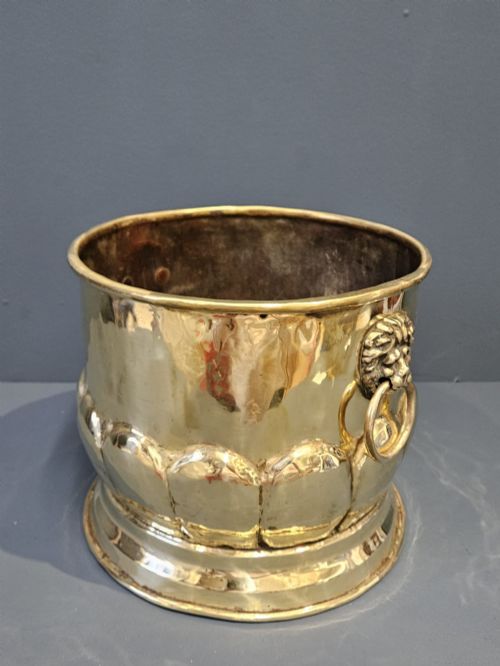
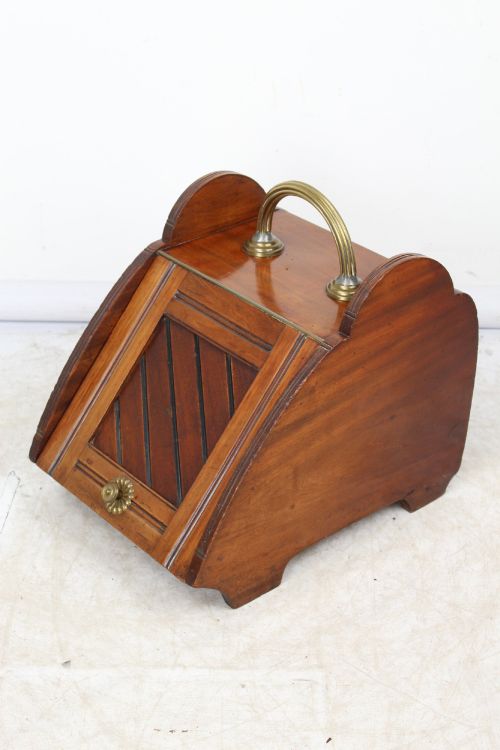
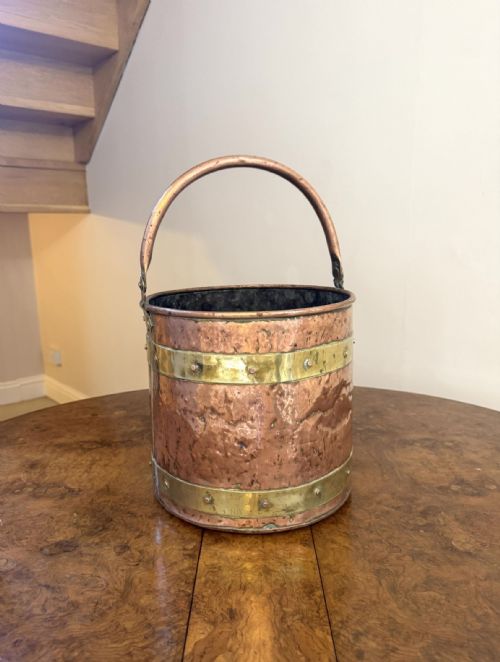
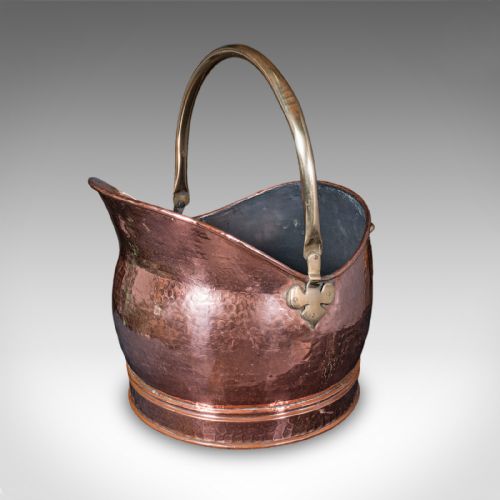
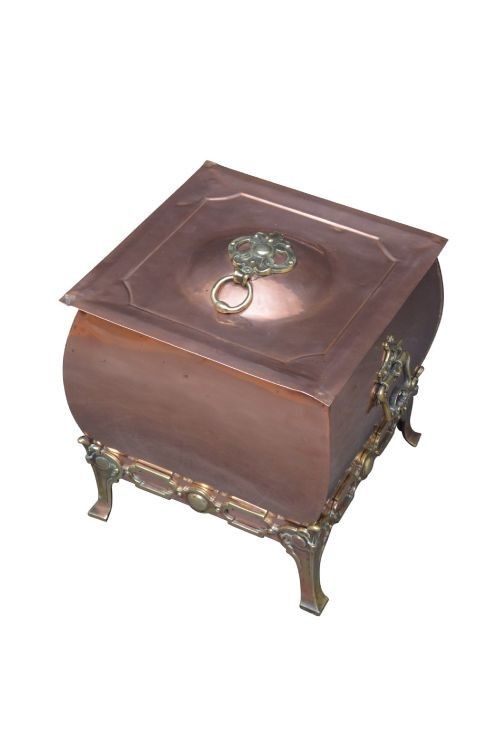
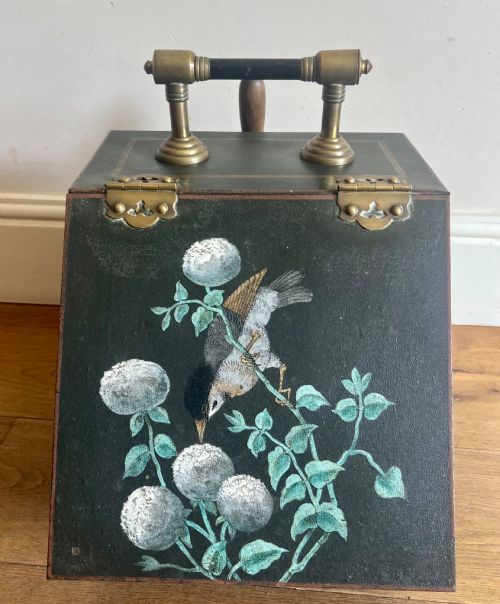
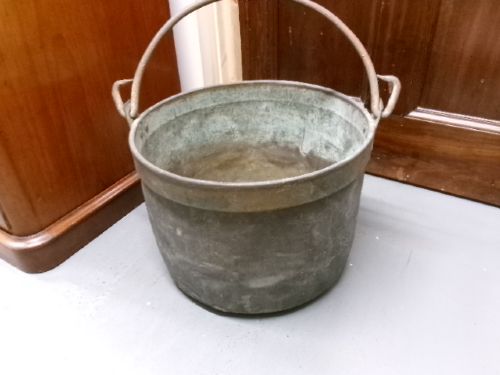
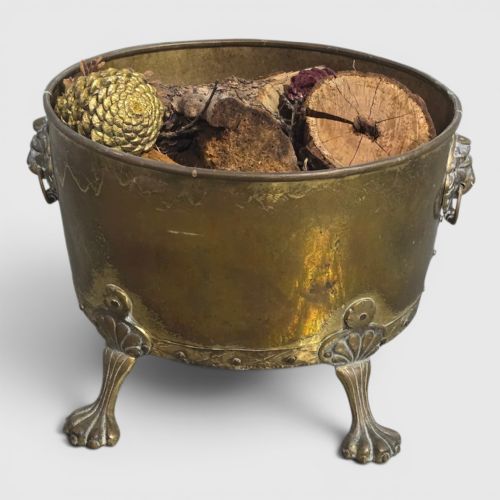
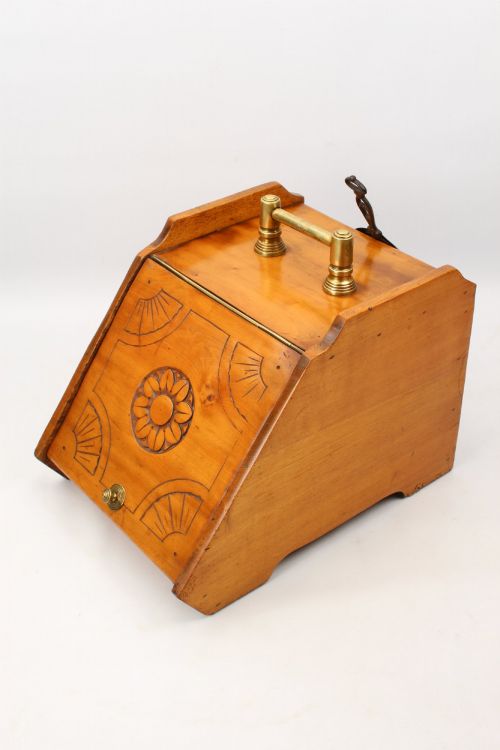
A victorian brass coal bucket is a heavy-duty fireside receptacle designed to store and transport solid fuel for domestic hearths. These utilitarian vessels take various forms including cylindrical buckets, helmet-shaped scuttles, barrels, cauldrons, and rectangular bins.
Most examples found in this selection date from the nineteenth century, spanning periods from eighteen fifty to nineteen ten. Alongside traditional coal storage, many double as log bins, planters, or jardiniere vessels for interior display.
The objects originate primarily from British workshops, though stylistic influences extend to Arts and Crafts, Art Nouveau, and Anglo-Indian designs. Buyers frequently encounter pieces combining brass bodies with contrasting copper bands, swing handles, and riveted construction.
What Varies in Quality
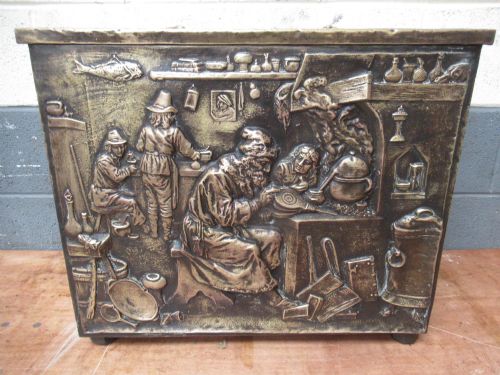
Quality in a victorian brass coal bucket rests upon the weight of the metal and the crispness of decorative detailing. Superior examples display deep hand-hammering, intricate embossed tavern scenes, or crisp casting on swing handles and paw feet rather than thin, pressed sheet metal.
The integrity of the construction also dictates value, with well-preserved riveted seams, solid copper banding, and original fitted liners or matching shovels setting finer specimens apart from standard utilitarian replacements.
Victorian Brass Coal Bucket Retail Price Guide 2026
Typical asking prices for victorian brass coal bucket among the pieces listed under this phrase on Sellingantiques today, from the lower quarter to the upper quarter. They describe what is for sale here now, not the wider market.
Listings feature brass, copper, and oak materials spanning from eighteen fifty to nineteen ten.
Henry Loveridge·Benham and Froud·Petrus Ramus
The Victorian Brass Coal Bucket Glossary
- Coal scuttle
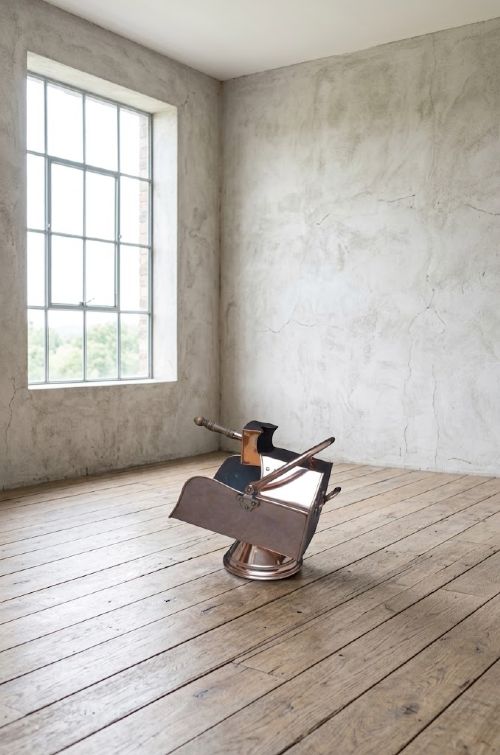
- A fireside container shaped with a sloping lip or helmet form designed for pouring fuel cleanly onto a fire. These often feature a fixed handle at the back and a swing handle overhead.
- Jardiniere
- An ornamental pot or receptacle intended for holding plants or flowers. Many metal coal buckets were later repurposed for this role due to their decorative chased and embossed surfaces.
- Coopered
- Built using narrow staves of wood fitted together and bound by metal hoops, similar to traditional barrel-making techniques. This method appears on oak and mahogany log bins.
- Arts and Crafts
- A design movement valuing handcraftsmanship and simple vernacular forms over mass production. Pieces from this style often display hammered copper, stylized floral motifs, or exposed riveted construction.
Victorian Brass Coal Bucket: Frequently Asked Questions
What is a coal helmet?
A coal helmet is a specific scuttle design featuring a flared, sloping opening that resembles an inverted medieval helmet. This shape allowed fuel to be poured directly onto the hearth without spilling.
Such vessels usually combine a fixed rear grip with an arched swing handle for balanced carrying.
How do I clean brass and copper?
Maintenance depends on whether you prefer a bright polished finish or an aged dark patina developed over a century of use. Most collectors prefer to retain the warm historic oxidation rather than aggressively scouring the metal.
Gentle dusting and occasional light cleaning with a soft cloth will protect the surface without removing the character of the piece.
Can I use an antique bucket for logs?
These robust metal and wood containers were originally built to hold heavy fuel and logs for daily domestic use. Modern living rooms often utilise them near a fireplace to store firewood or kindling.
Checking for a secure interior liner helps protect the original base from moisture and debris.
How do I date a brass bucket?
Dating relies on observing manufacturing techniques, material combinations, and decorative style markers such as Arts and Crafts hammering or Victorian embossing. Nineteenth-century pieces frequently employ hand-cut rivets, heavy cast handles, and combinations of brass and copper.
Comparing the form against documented production periods provides a reliable timeline.