

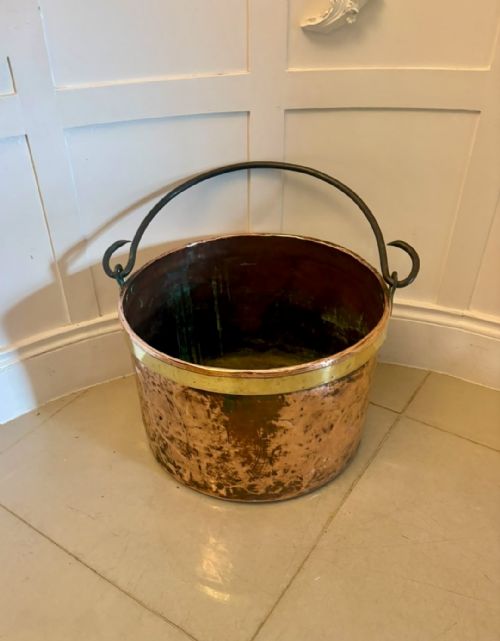



Hammered Brass Scuttle
A hammered brass scuttle brings hand-beaten texture and metallic warmth to a hearth, holding fuel while catching the eye.

Hammered Brass Scuttle
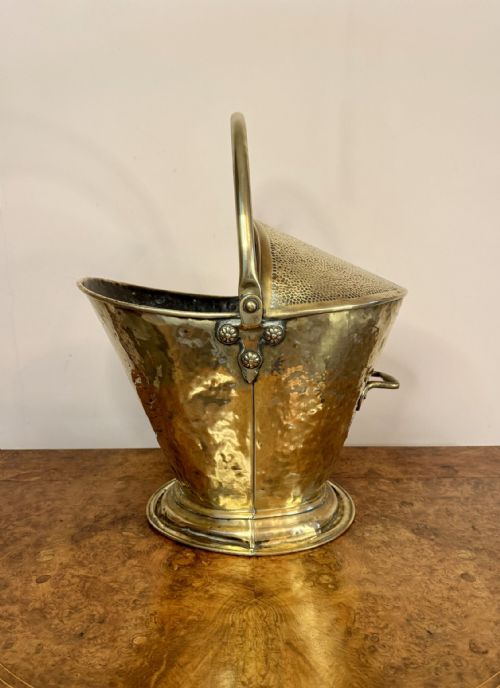
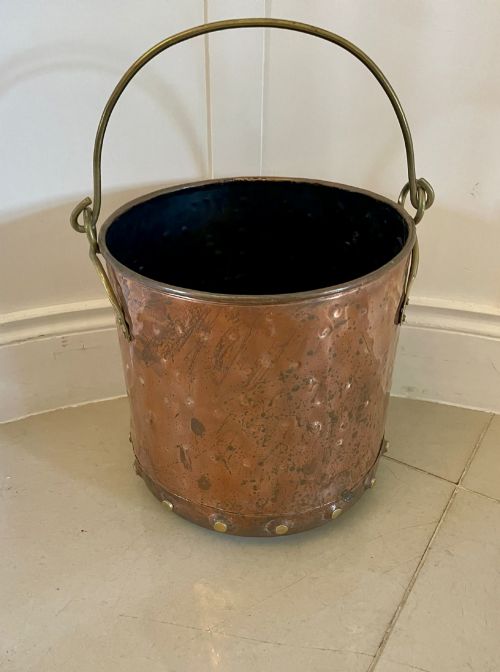
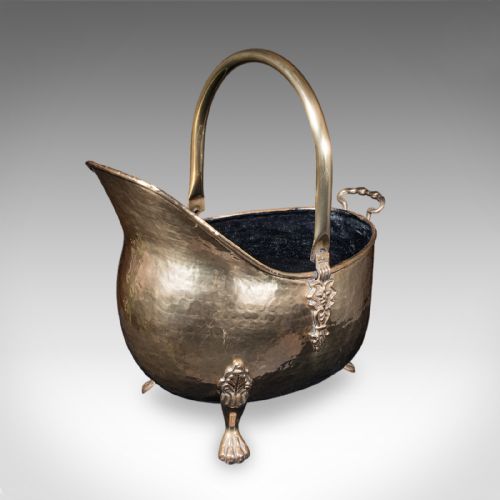
A hammered brass scuttle is a fireside vessel designed for holding coal or logs, appearing most often on this page in Victorian and Arts and Crafts iterations. These containers take shapes such as helmets, buckets, and boxes, serving practical duties beside the fireplace while displaying decorative metalwork.
Makers shaped these pieces during the nineteenth and early twentieth centuries, spanning periods from the Victorian era through Edwardian times and into the 1930s. Alongside brass, these fireside accessories frequently incorporate copper, iron, and wood, reflecting the utilitarian needs of period homes.
Materials and construction methods
Artisans built these pieces primarily from sheet brass and copper, sometimes adding iron, wrought iron, and galvanised metal for internal strength or handles. Metalworkers hammered, hand-beat, and riveted the metal plates together to form rigid containers capable of carrying heavy loads of coal.
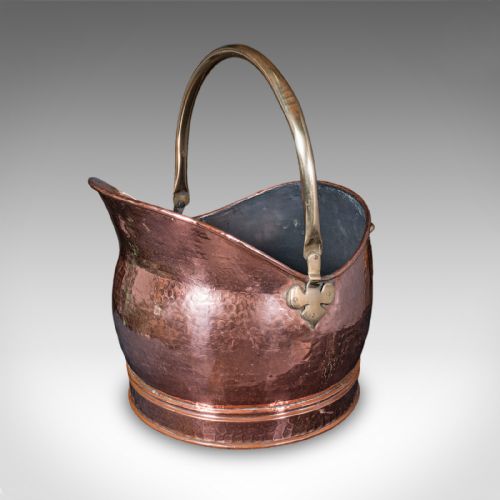
Many examples feature hand-finished surfaces, where the hammering creates distinct facets that catch the fireside light. Handles, shovels, and decorative mounts were often cast separately and attached with rivets to complete the construction.
Hammered Brass Scuttle Retail Price Guide 2026
Typical asking prices for hammered brass scuttle among the pieces listed under this phrase on Sellingantiques today, from the lower quarter to the upper quarter. They describe what is for sale here now, not the wider market.
Some coal scuttles arrive equipped with their original brass shovels, ready to tend a fire that went out a century ago.
Judging the build and finish
Quality rests in the weight of the metal and the crispness of the hand-beaten hammering rather than mass-produced uniformity. Thicker gauge brass and securely riveted joints distinguish sturdier vessels from lighter, purely decorative containers.
The presence of original matching shovels or specific stylistic motifs, such as Arts and Crafts or Art Nouveau detailing, elevates a piece. Better examples show careful attention to handle fixings and interior structure, ensuring the vessel endures daily fireside use.
Henry Loveridge
The Hammered Brass Scuttle Glossary
- Scuttle
- A metal container with a handle and a sloping mouth, designed for carrying and pouring coal onto a fire. These vessels often take helmet shapes for easy tipping.
- Dinanderie
- A term for objects made of beaten brass or copper, originating from the Belgian town of Dinant. This technique produces textured, decorative surfaces on vessels and cauldrons.
- Jardiniere
- An ornamental pot or stand designed to hold plants or flowers. In metalwork, these large vessels double as log bins or waste bins.
- Gladstone bag
- A rigid, hinged travelling bag style adopted by metalworkers for coal boxes and log bins during the Arts and Crafts period. This form opens wide from a central frame.
- Hand-beaten
- A descriptive term for metal surfaces shaped manually with a hammer. This process leaves visible facets that catch the light.
Hammered Brass Scuttle: Frequently Asked Questions
What is a hammered brass scuttle used for?
These vessels were built to hold and transport coal or logs to an open fireplace. They kept fuel close at hand while adding a bright metallic accent to the hearth.
Over time, many of these containers transition into decorative roles, serving as plant planters, umbrella stands, or general fireside storage bins.
How do I tell a Victorian scuttle from later pieces?
Victorian examples generally display heavier gauge brass, traditional helmet silhouettes, and hand-riveted construction. They often date from the mid to late nineteenth century.
Later pieces from the Arts and Crafts or Art Nouveau periods introduce distinct decorative motifs like spade patterns, softer hammered textures, or geometric forms typical of the early twentieth century.
Are copper and brass combined on these pieces?
Many listings feature a dual-metal construction where bodies of beaten copper are paired with polished brass handles, rims, or feet. This contrast between the two metals highlights the hand-finished details.
Makers utilised whichever sheet metals were available, creating varied visual tones across the helmet bodies and decorative mounts.
How do I care for a brass fireside scuttle?
Keep the metal clean by dusting it gently with a dry cloth to preserve any accumulated age and patina. Avoid harsh chemical cleaners that strip the historic surface.
If you choose to polish the brass, apply a mild metal cleaner sparingly with a soft cloth, taking care around riveted joints and hand-beaten indentations.