



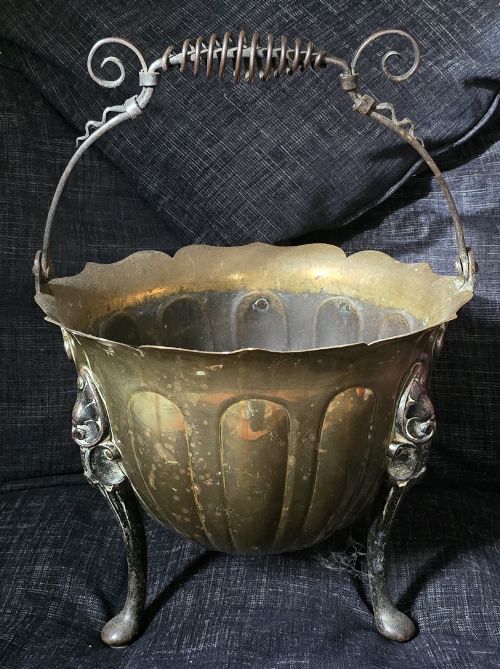
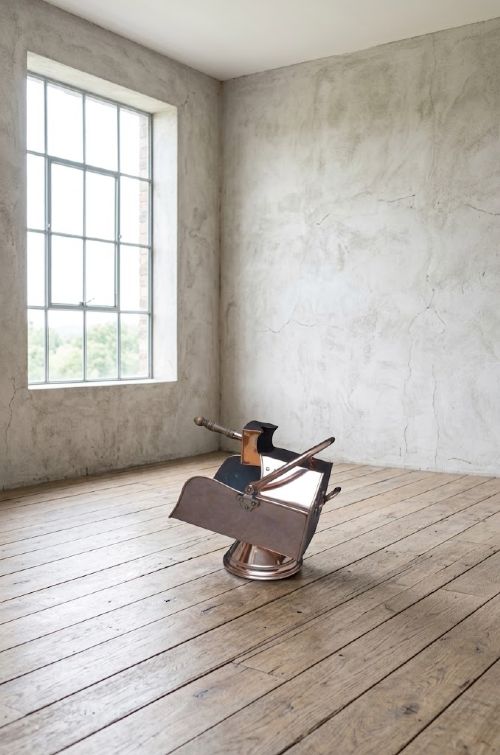
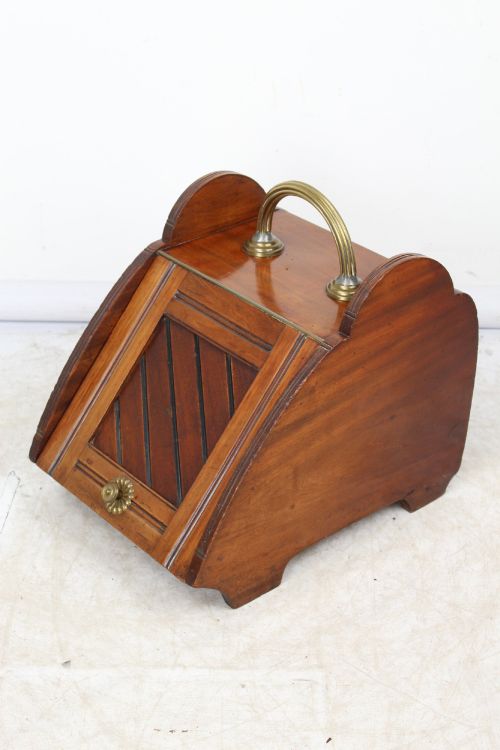
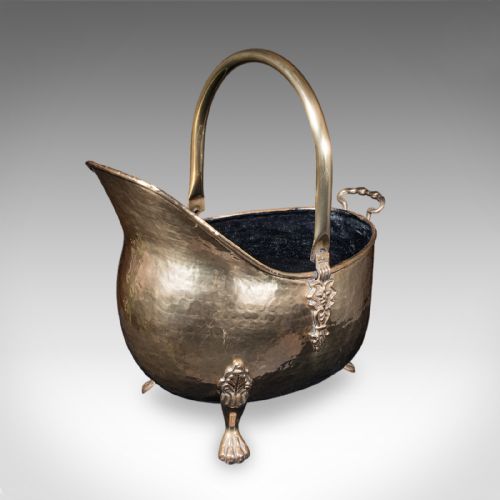
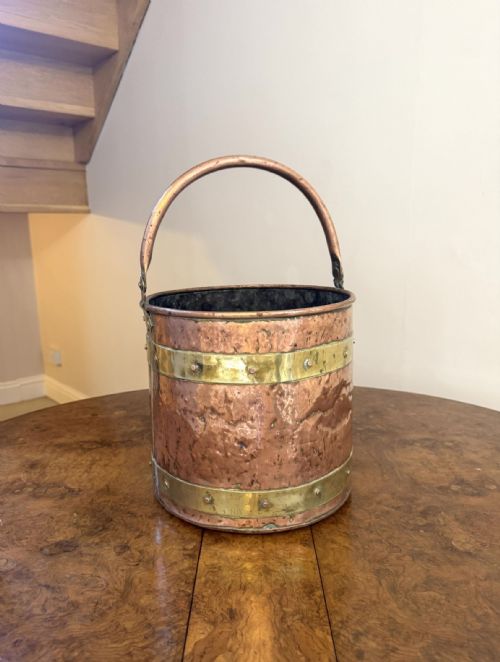
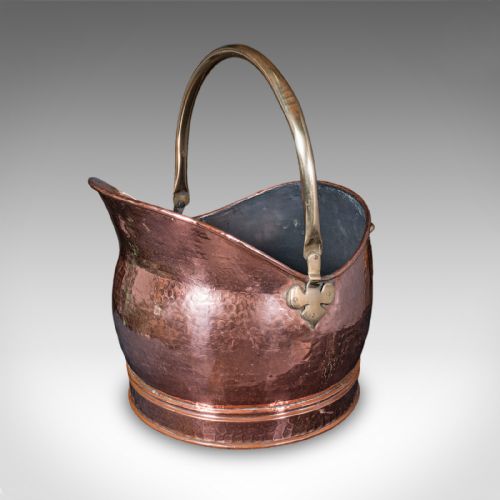
Brass Hearth Bucket
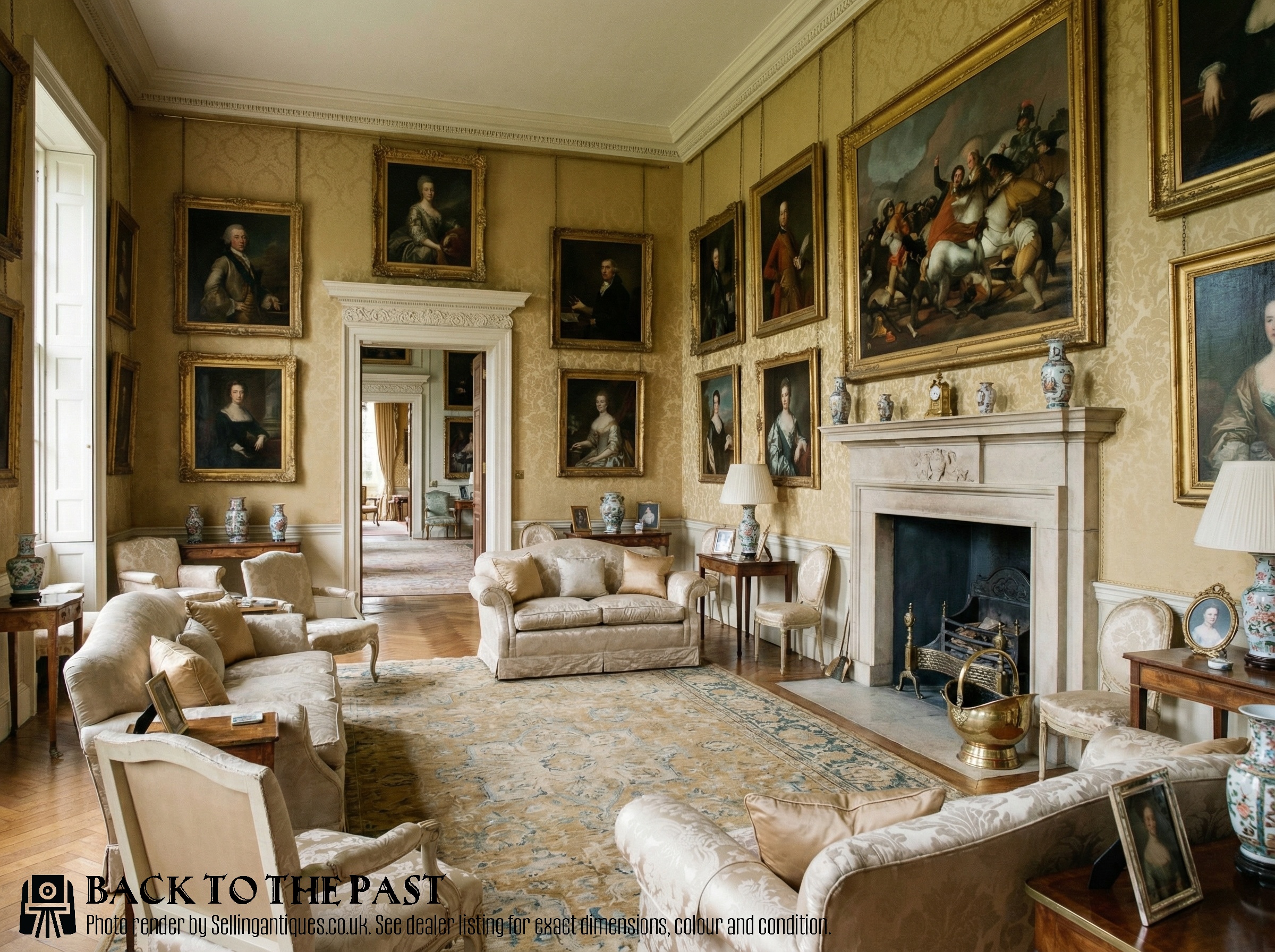
A brass hearth bucket brings functional utility and polished warmth to a fireplace, holding coal, logs or peat close to the fire.
Brass Hearth Bucket
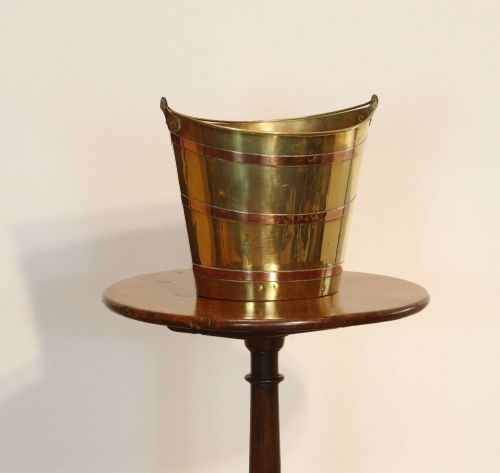
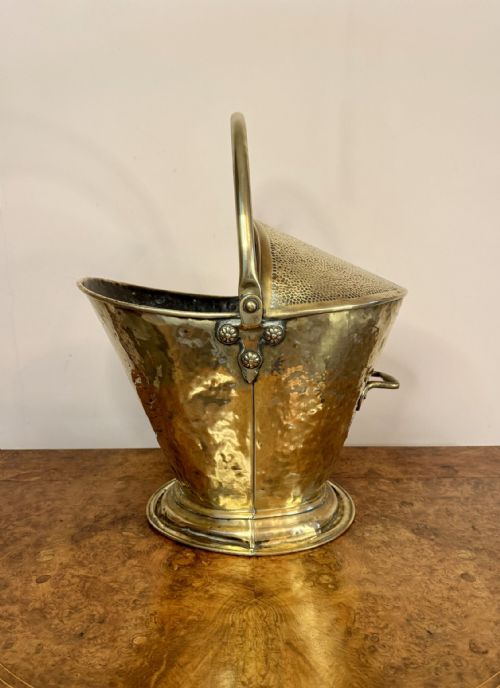
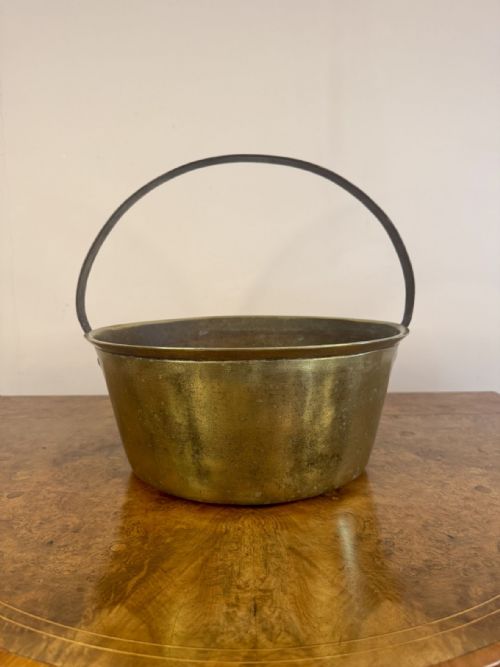
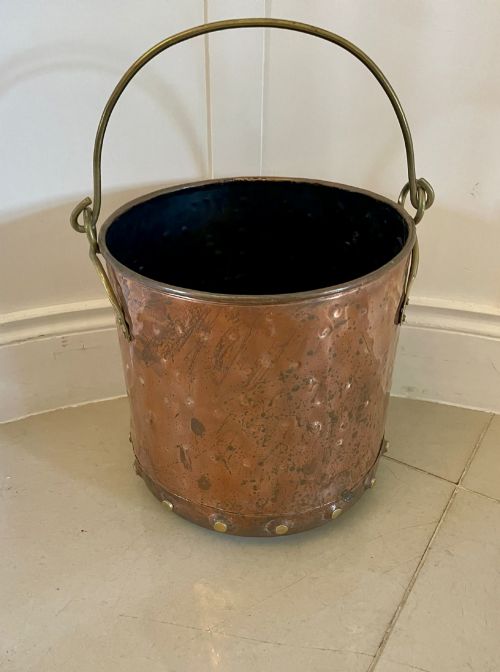
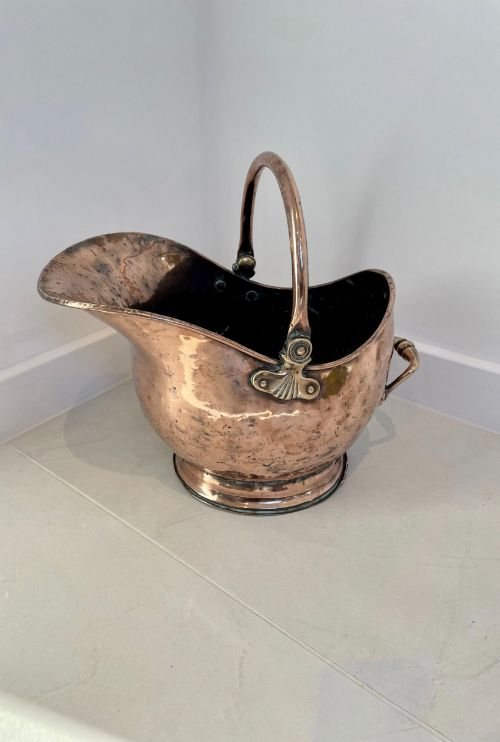
A brass hearth bucket serves primarily as a fireside container for fuel, taking forms such as coal scuttles, log bins and coal buckets. When exploring this selection, a buyer encounters pieces originating from the Georgian, Victorian and Edwardian periods.
Victorian examples appear frequently, alongside Edwardian designs and earlier Georgian pieces. These items frequently double as planters or display vessels when not stationed by a fireplace.
Materials and construction methods
Makers utilised brass and copper as primary sheet metals, often combining them with iron components and wooden elements such as oak, mahogany, walnut or ebonised wood. Riveting, hand finishing and metal banding secure the structural integrity of these vessels.
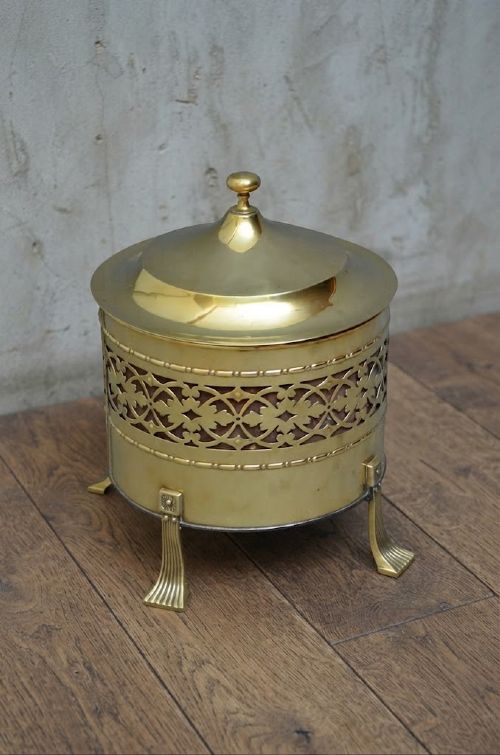
Details include swing handles, fretwork designs, and metal banding that reinforces the wooden or metal body. Certain items feature cast or applied brass elements, while others rely on coopered wooden staves.
Brass Hearth Bucket Retail Price Guide 2026
Typical asking prices for brass hearth bucket among the pieces listed under this phrase on Sellingantiques today, from the lower quarter to the upper quarter. They describe what is for sale here now, not the wider market.
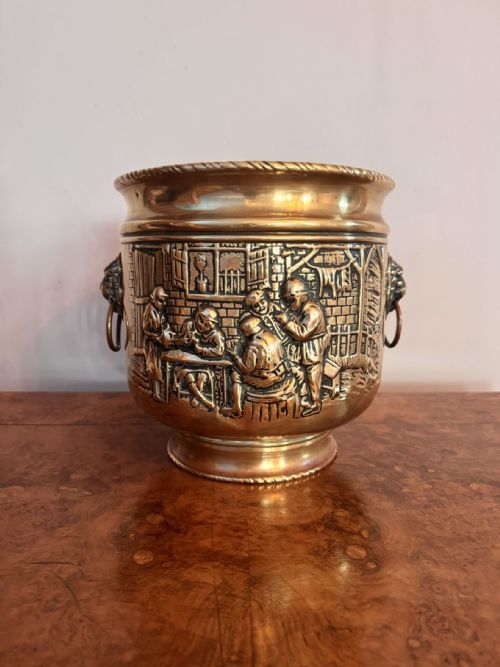
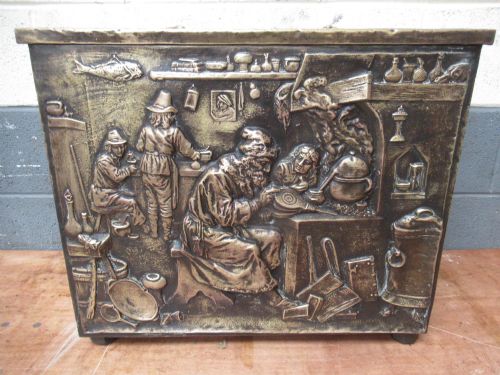
Some nineteenth-century brass buckets secretly double as tavern scene chroniclers, bearing embossed pub brawls right beside the firewood.
Assessing quality and craftsmanship
Superior examples display heavier gauge metals, robust handles firmly secured to the body, and thoughtful decorative treatments such as fretwork or tavern scenes. The weight of the metal and the precision of the riveting indicate the standard of production.
Simpler utilitarian vessels contrast with pieces demonstrating finer aesthetic consideration, such as polished brass banding on coopered wooden bodies or complex helmet shapes with matching shovels.
Henry Loveridge·Benham and Froud·Petrus Ramus
The Brass Hearth Bucket Glossary
- Coal scuttle
- A container designed for holding coal near a fireplace, frequently featuring a sloped opening or a helmet shape for easy pouring. Many include a matching shovel.
- Log bin
- A large vessel utilised for storing firewood beside a hearth, often constructed from heavy brass, copper or banded wood. These items accommodate larger fuel pieces than standard coal buckets.
- Purdonium
- A specific type of coal cabinet or scuttle, typically Edwardian or Victorian in origin, combining cabinetry with a metal interior bin. They often incorporate wooden construction with brass handles and fittings.
- Peat bucket
- A traditional vessel originally intended for holding dried peat fuel, commonly coopered from wood with metal bands. Scottish examples and tea stoves represent variations of this form.
- Teestoof
- A Dutch warming vessel, also known as a teestoof, featuring a brass liner used to contain hot embers. They reflect continental hearth traditions found alongside British pieces.
Brass Hearth Bucket: Frequently Asked Questions
How do I clean a brass hearth bucket?
Clean the metal surfaces using a gentle brass cleaner and a soft cloth to preserve the patina and remove accumulated soot or dust. Avoid abrasive pads that scratch the sheet metal.
For pieces combining wood and brass, keep moisture away from the timber sections while polishing the metal fittings carefully.
Can these buckets be used for modern fires?
These vessels function effectively for holding logs, kindling or coal beside a modern or traditional fireplace. Their durable metal construction withstands everyday hearthside use.
Many buyers also utilise them as decorative planters or umbrella stands when they are not stationed directly by active fires.
How do I date a brass hearth bucket?
Dating relies on stylistic clues, construction techniques like hand-riveting, and materials such as ebonised wood or mahogany. Georgian pieces often display simpler, heavier brass work, while Victorian items introduce varied helmet shapes and elaborate embossing.
Edwardian examples frequently combine oak bodies with brass mounts and specific hardware styles characteristic of the early twentieth century.