




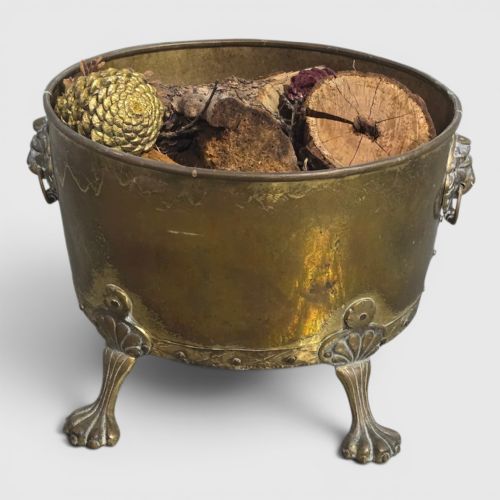
Brass Log Container
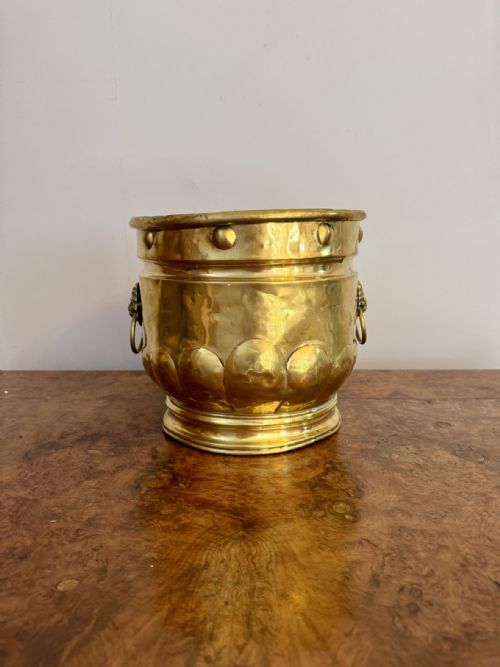
A brass log container is a practical fireside accessory designed to hold fuel, uniting utility with decorative metalwork.
Brass Log Container
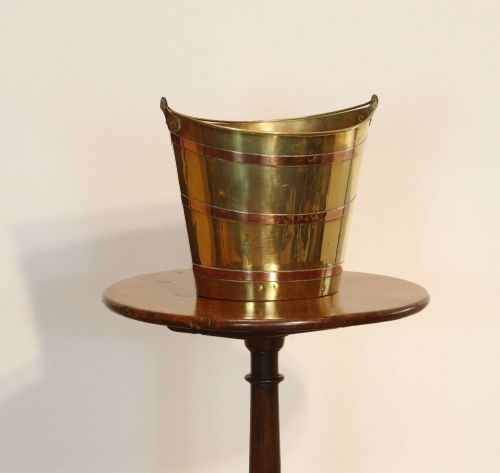
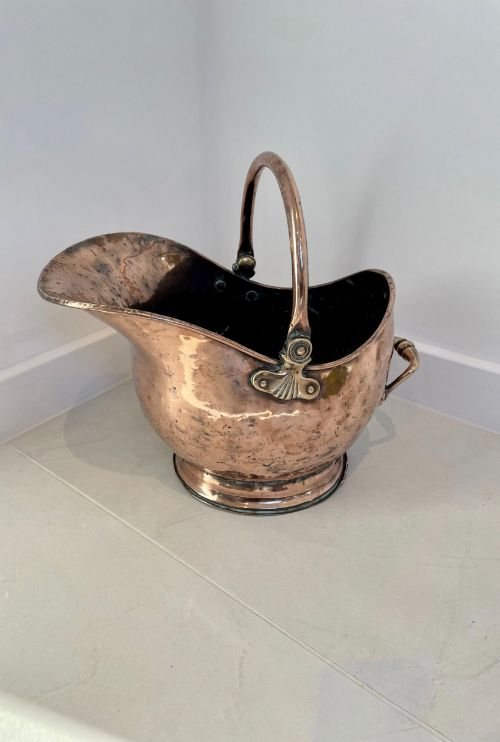
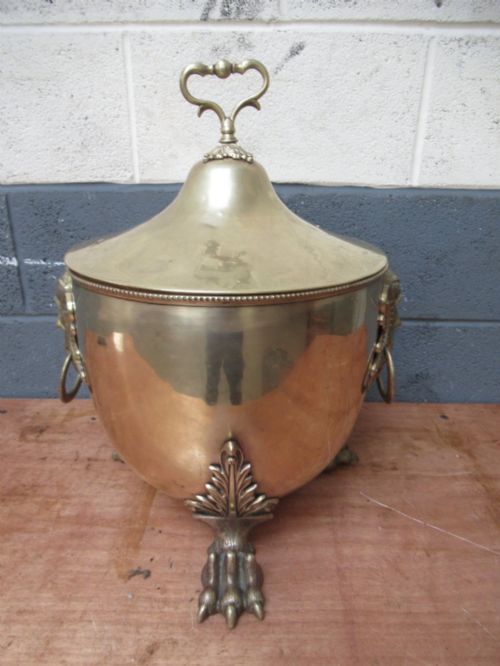
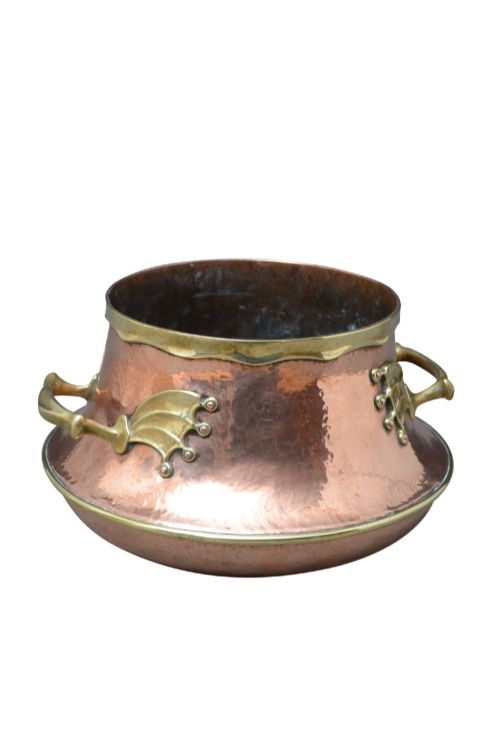
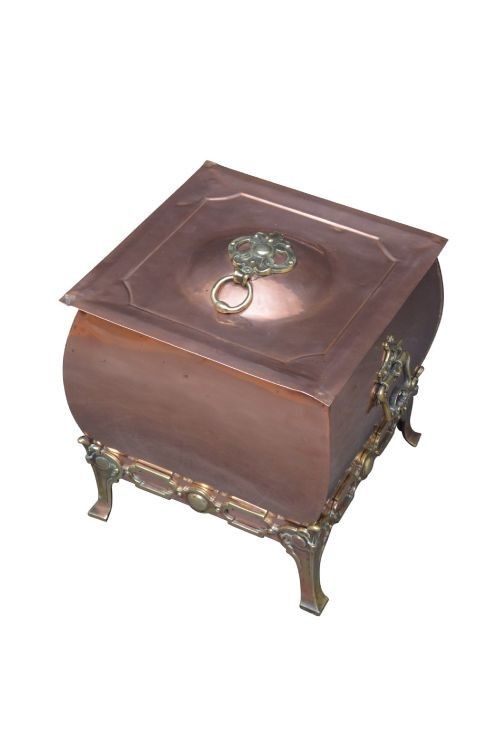
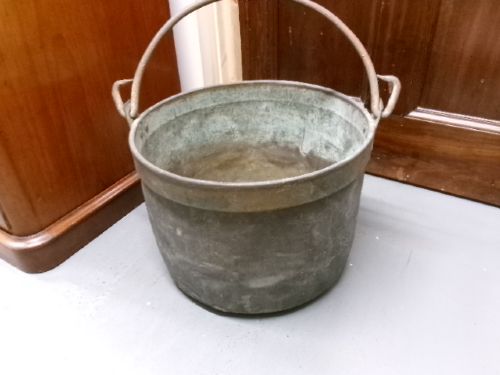
A brass log container serves as a robust receptacle for fireplace fuel while anchoring the hearth scheme. When exploring a brass log container selection, one encounters versatile forms spanning buckets, scuttles, and bins.
The objects originate principally from the nineteenth and early twentieth centuries, encompassing Victorian, Edwardian, and Arts and Crafts periods. Many double as planters or jardinieres, reflecting multipurpose household roles in past eras.
Makers utilised resilient metals to withstand heavy daily use beside domestic hearths. The selection ranges from plain utilitarian vessels to highly decorative pieces bearing repoussé work.
How they were made
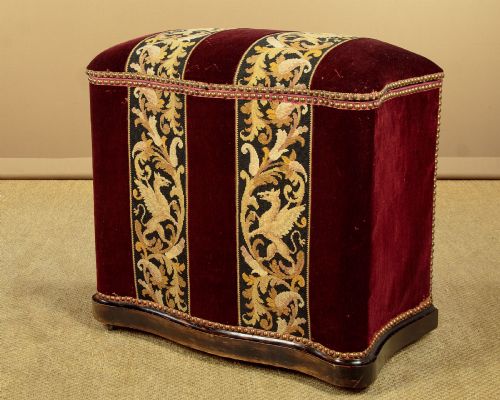
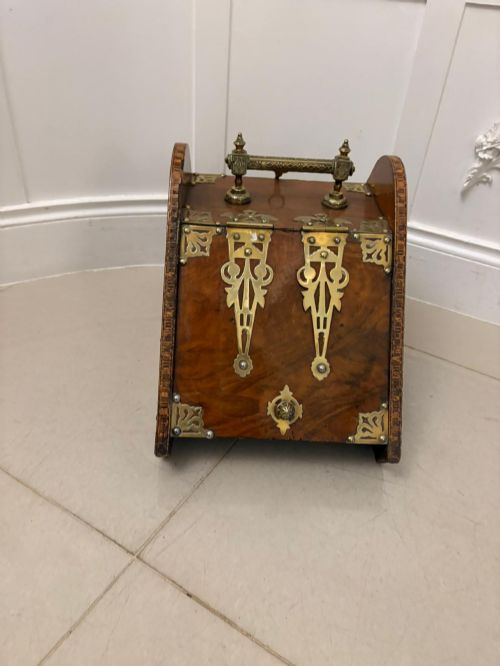
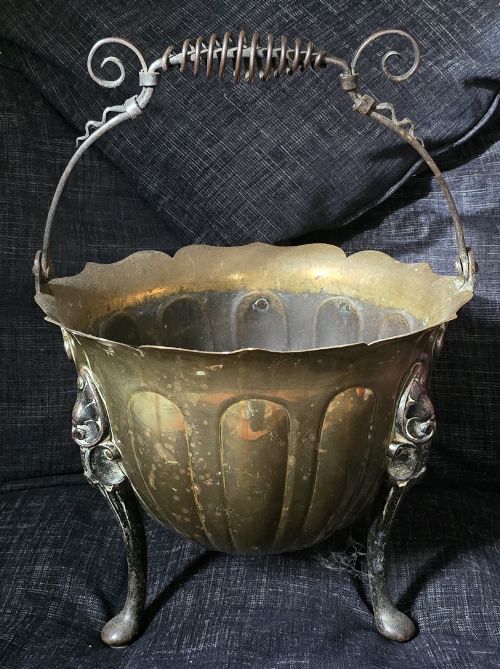
Artisans constructed these vessels primarily from sheet brass and copper, frequently incorporating iron rivets and swing handles for structural strength. Wooden components such as oak and mahogany appear in framed box forms.
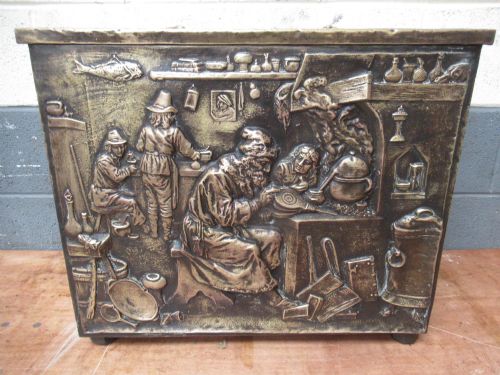
Decoration relied heavily on hand-embossing, repoussé, and fretwork techniques to produce surface relief, tavern scenes, or geometric patterns. Riveted joints demonstrate functional assembly methods typical of nineteenth-century metalwork.
Brass Log Container Retail Price Guide 2026
Typical asking prices for brass log container among the pieces listed under this phrase on Sellingantiques today, from the lower quarter to the upper quarter. They describe what is for sale here now, not the wider market.
Materials paired with brass include copper, oak, mahogany, iron, and galvanised metal.
What varies in quality
Metal gauge and structural rigidity distinguish utilitarian vessels from finer parlour examples. Substantial gauge brass and secure riveting maintain shape under the weight of heavy timber logs.
The clarity and depth of embossed or hand-beaten decoration separate standard production items from workshop pieces. Original liners, matching shovels, and intact swing handles elevate an individual piece.
Henry Loveridge·Petrus Ramus·William Soutter And Sons
The Brass Log Container Glossary
- Repoussé
- Metalworking technique where the design is hammered into relief from the reverse side. This method creates tactile surface ornamentation on many Victorian hearth containers.
- Jardiniere
- An ornamental pot or receptacle intended to hold plants or flowers. Numerous fireside containers were designed to serve this secondary purpose.
- Coal scuttle
- A bucket or box specifically shaped for carrying coal to a fireplace, often featuring a shovel or angled lip. They frequently double as general log storage.
- Dinanderie
- The traditional Belgian art of beaten brass and bronze object creation. It denotes medieval-style or revival metalware vessels found in domestic interiors.
- Fretwork
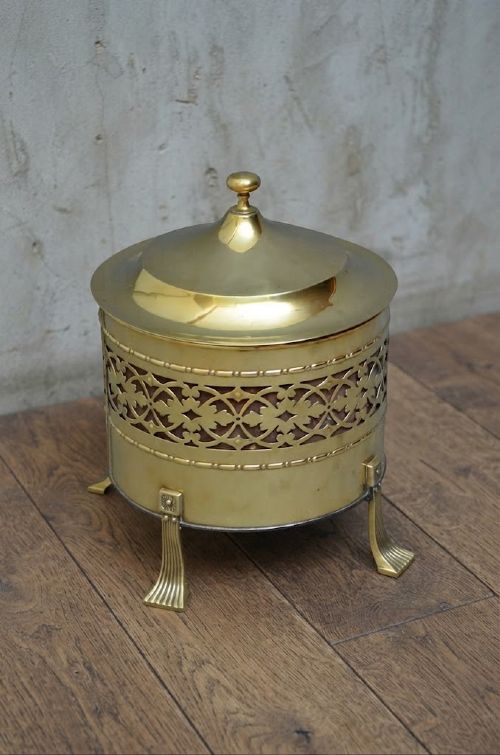
- Ornamental design executed by piercing or cutting patterns through thin material. This technique appears on Edwardian bucket rims and body panels.
Brass Log Container: Frequently Asked Questions
What is a brass log container?
A brass log container is a metal vessel designed to store and transport firewood near a domestic hearth. These pieces combine heavy-duty metal construction with decorative surface work.
They appear in various forms including buckets, bins, and scuttles, dating mainly from the Victorian and Edwardian eras. Many were also utilised as planters or jardinieres.
How do I clean a brass log container?
Cleaning depends on the desired appearance and the presence of aged patina. Gentle dusting and mild soapy water preserve historical surfaces.
Harsh metal polishes strip away dark oxidation layers that collectors often value. One should avoid abrasive pads that scratch thin brass sheeting.
Can these containers hold actual logs?
These vessels were originally manufactured to hold fuel such as coal, peat, or logs for domestic fires. Their robust metal construction handles the weight of timber.
Care should be taken with damp wood to prevent internal corrosion over extended periods. Using an internal liner protects the historical base metal.
How do I date a brass log container?
Dating relies on stylistic markers, construction methods, and material combinations. Victorian examples often feature heavy embossing, while Arts and Crafts pieces show hammered surfaces.
Edwardian items frequently incorporate delicate fretwork designs and fitted metal liners. Riveting styles and handle attachments also provide clues to the manufacturing decade.
Were these always used for fireside fuel?
Many of these metal vessels served multiple domestic functions throughout their history. Contemporary listings often describe them as planters, jardinieres, or water barrels.
Their watertight metal construction made them suitable for holding large houseplants as well as solid fuel.