


Victorian Fireside Bin
A Victorian fireside bin stores fuel beside the hearth while adding metal or timber texture to the room.

Forms and Origins
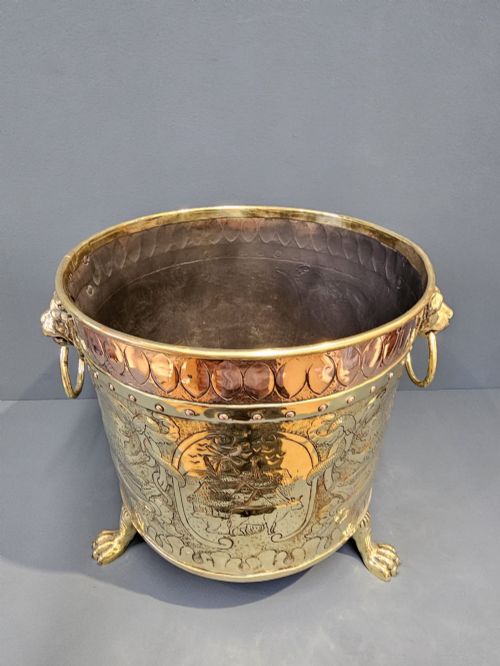
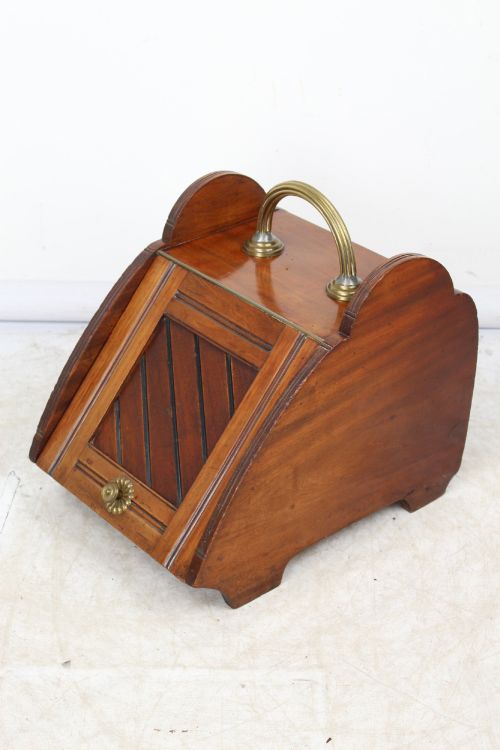
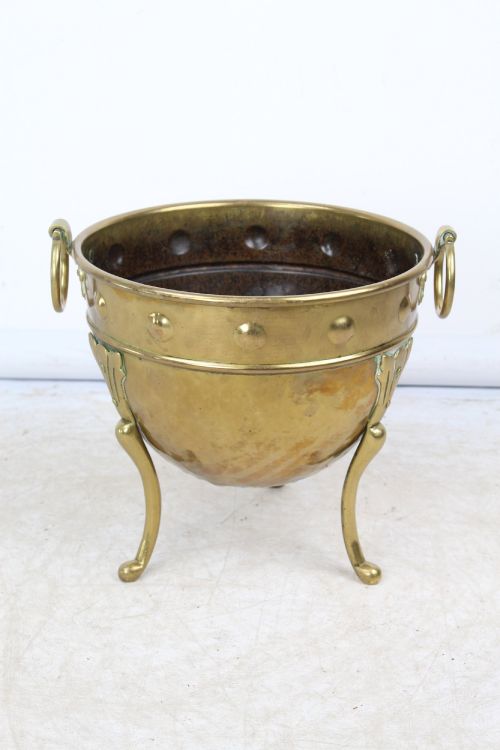
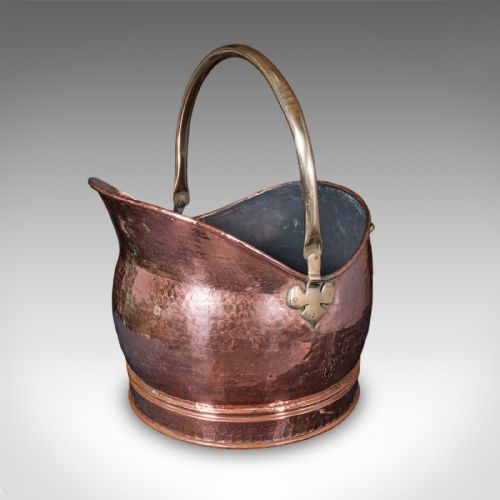
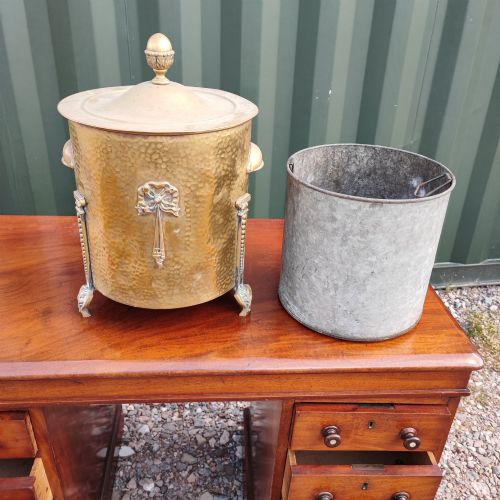
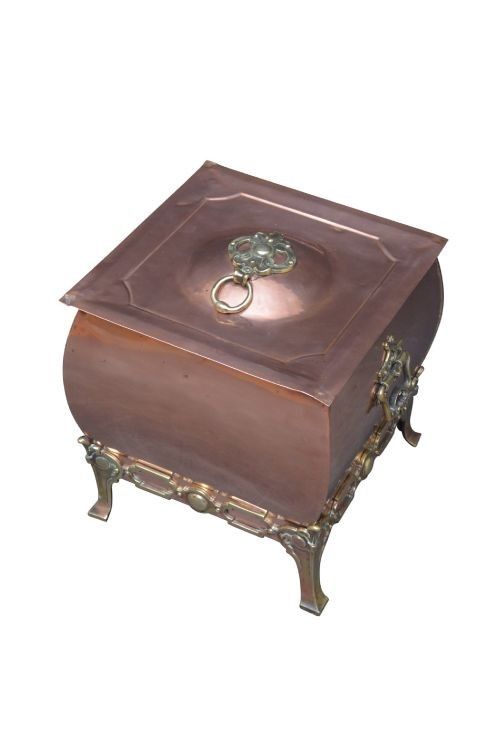
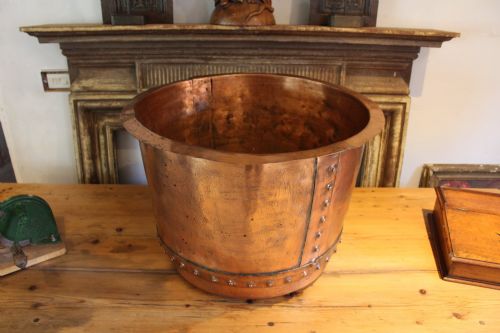
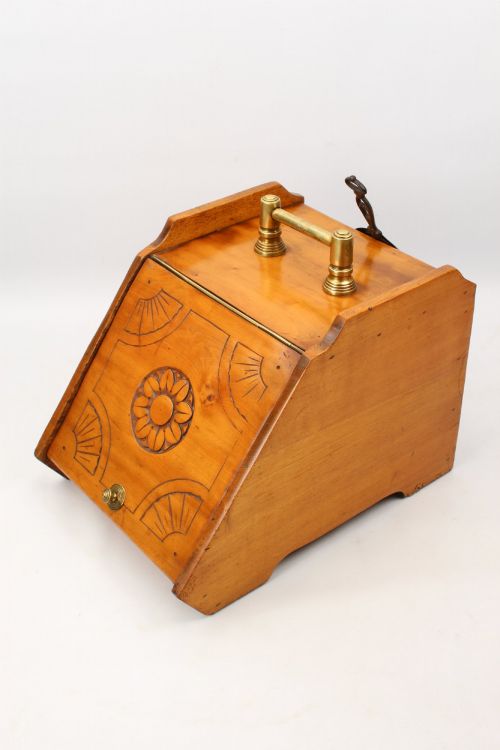
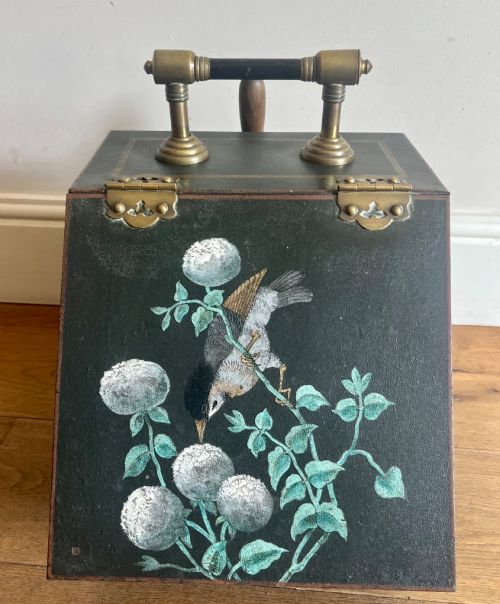
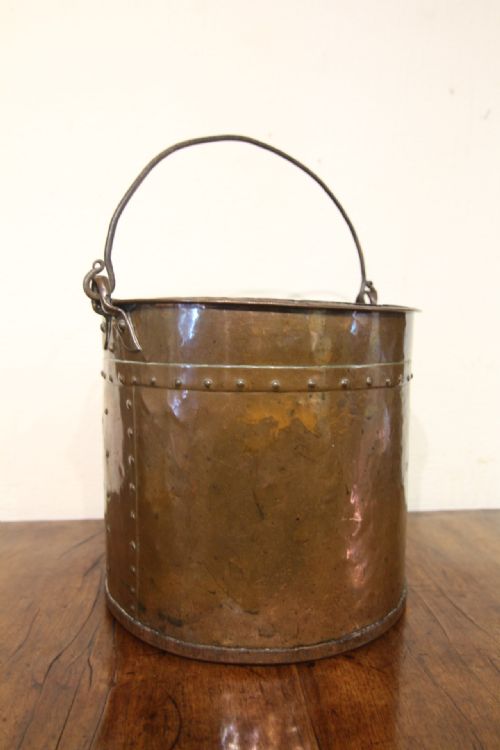
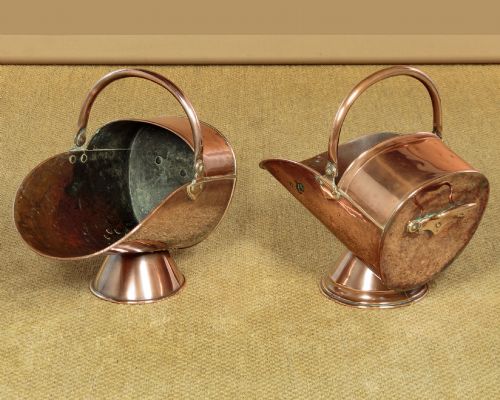
A victorian fireside bin appears in several distinct forms designed to hold coal, logs, or kindling near the hearth. The inventory includes lidded boxes, drop-front purdoniums, open buckets, and helmet-shaped scuttles.
Most examples originate from British workshops, though French, German, and Scottish pieces also appear. Makers utilise durable hardwoods and heavy metals to withstand daily domestic use by the fireplace.

Materials and Construction
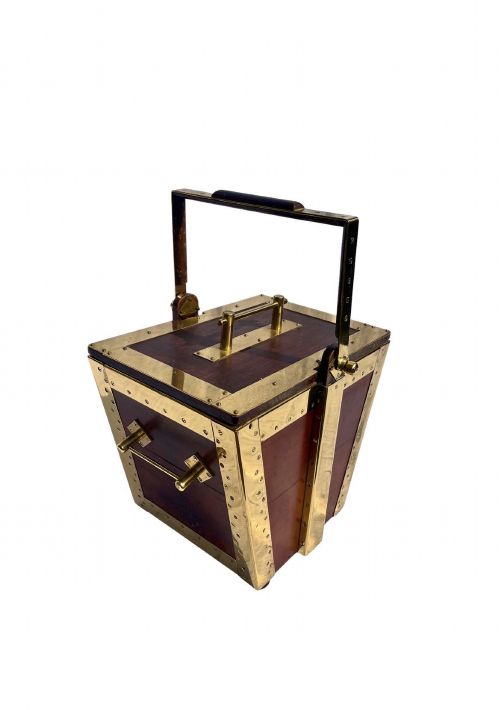
Wooden purdoniums incorporate panelled doors, drop-down chutes, and interior metal liners to hold solid fuel safely. Some examples include rope handles, needlepoint upholstery, or integrated compartments for fire shovels.
Retail Price Guide 2026
Typical UK retail prices for victorian fireside bin, calculated from the Sellingantiques database of over a million retail prices indexed since 2003. This retail price guide relies exclusively on Sellingantiques data; no external sources or auction records are used, so the figures do not describe the wider market.
One unexpected variant houses a needlepoint stool lid so the coal box doubles as fireside seating.
Design and Material Distinction
Quality rests in the weight of the metal and the selection of timber grain, distinguishing heavy brass-mounted walnut cabinets from simpler sheet iron buckets. Finer examples display hand-beaten copper panels and robust structural joinery.
Artisan input separates standard utility items from distinctive Arts and Crafts pieces with deliberate decorative detailing. Original liners, matching shovels, and intact operating hardware elevate the standing of a survival.
Henry Loveridge·Petrus Ramus
The Victorian Fireside Bin Glossary
- Purdonium
- A specialised coal cabinet featuring a sloping front or drop-down chute for dispensing fuel. This enclosed form keeps hearth dust contained within the room.
- Coal Hod
- A deep bucket or container designed for carrying and storing coal by the fireside. These items frequently incorporate swing handles and stable flat bases.
- Tole Ware
- Lacquered or enamelled sheet metal decorated in various colours and patterns. This technique provides durable surfaces on utilitarian household vessels.
- Helmet Scuttle
- A coal container shaped with a flared rim resembling a medieval helmet to direct fuel cleanly into the fire. Such pieces often rest on three small bracket feet.
- Arts and Crafts
- A design movement prioritising traditional handcraftsmanship and visible construction methods over mass production. Pieces from this style exhibit honest use of materials.
Frequently Asked Questions
What is a Victorian fireside bin?
A Victorian fireside bin is a functional container built to store coal, logs, or kindling close to the fireplace. These objects range from open copper buckets to enclosed wooden cabinets with drop-front doors.
Craftsmen produced them in materials intended to withstand heavy daily use by the hearth. They combine practical fuel storage with decorative metal and wood elements.
How do you use a purdonium?
A purdonium functions as a domestic coal box with a slanted front panel or a hinged door that opens to release fuel. Many include an interior metal liner that lifts out for easy refilling.
Users open the front chute to scoop coal directly into the fire using an integrated metal shovel. This enclosed design keeps soot contained and hides the fuel from view.
What metals were used?
Makers utilised brass, copper, sheet iron, and cast iron for these hearth accessories. Copper and brass appear frequently as sheet panels or heavy spun buckets.
Iron provides sturdy internal frames and hardware, while decorative brass mounts accent wooden bodies. Metal surfaces often display polished finishes or hand-beaten textures.
How do you clean an antique bin?
Cleaning requires dusting wooden surfaces with a dry cloth and applying appropriate wax to maintain the finish. Metal components benefit from gentle cleaning to remove accumulated soot without stripping historic patination.
Harsh chemical polishes should be avoided on aged copper and brass to preserve the darkened tones developed over decades. Interior metal liners simply need brushing out to clear residual coal dust.