
Antique Log Basket
An antique log basket brings warmth and texture to a hearth, combining practical fireside storage with period character.

What an antique log basket is
An antique log basket serves the hearth as functional fireside storage, holding wood beside the fireplace. When looking for an antique log basket, buyers encounter a variety of forms ranging from woven willow and wicker to heavy metal containers.
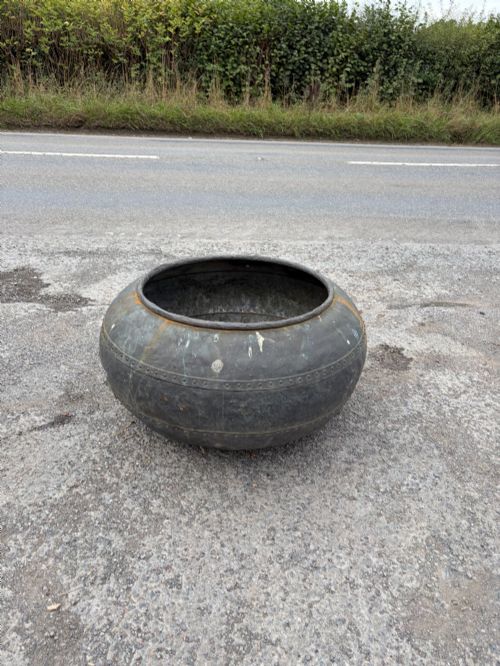
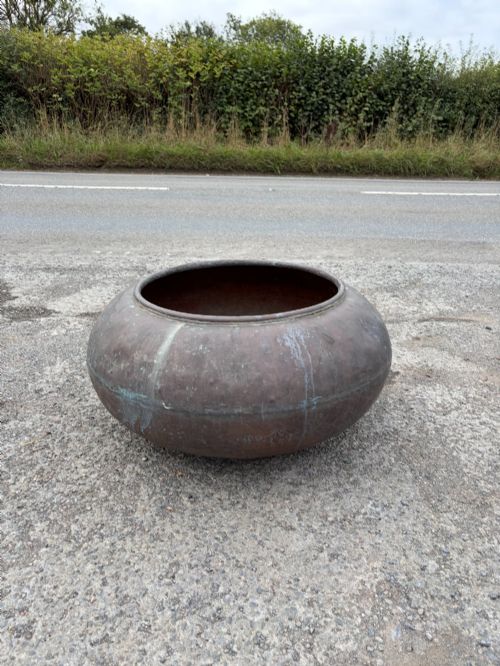
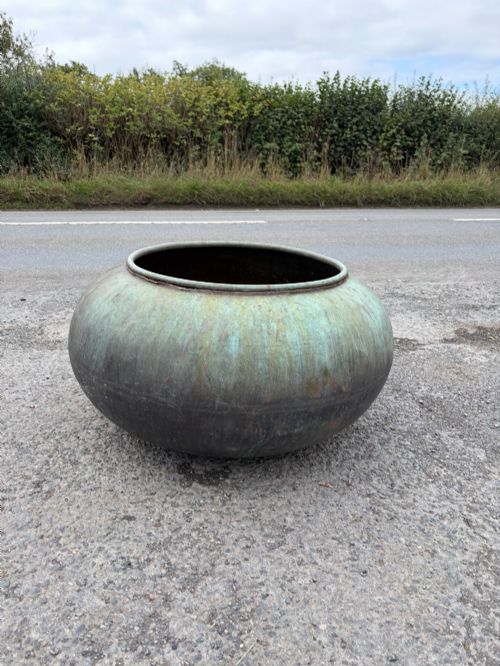
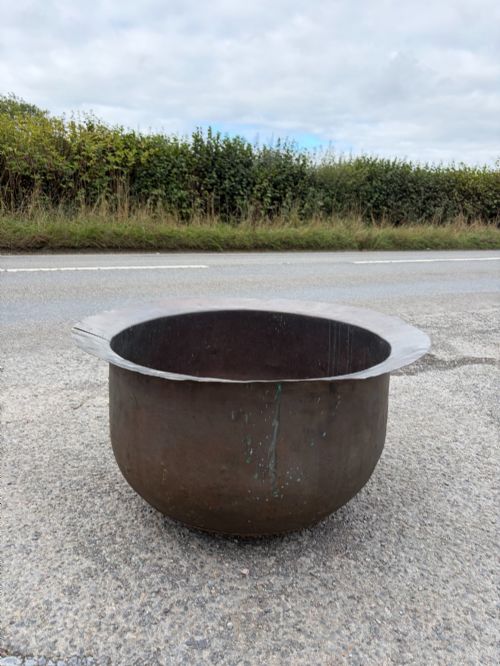
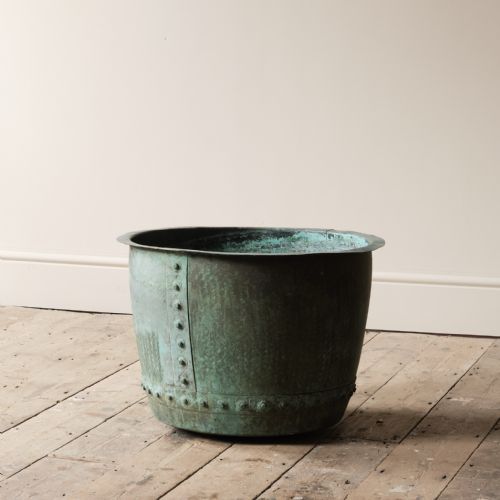
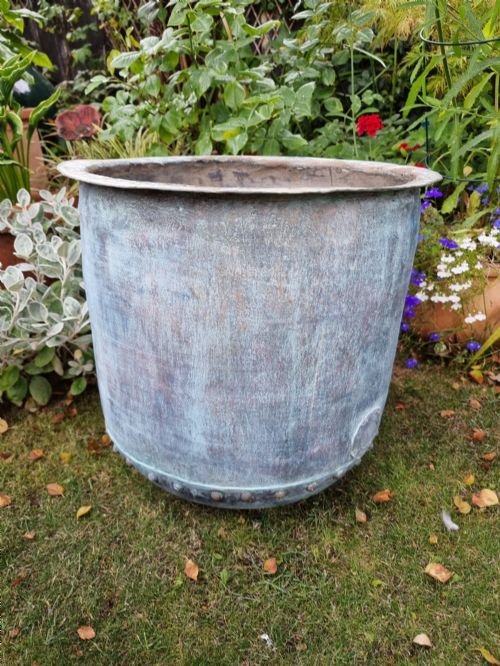
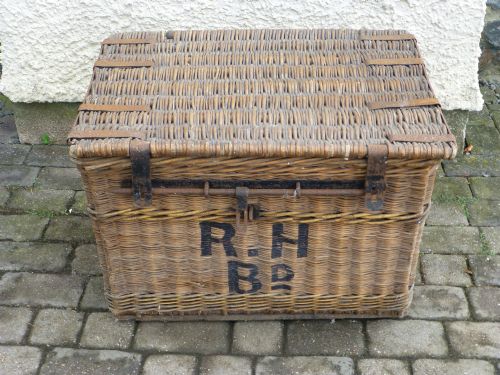
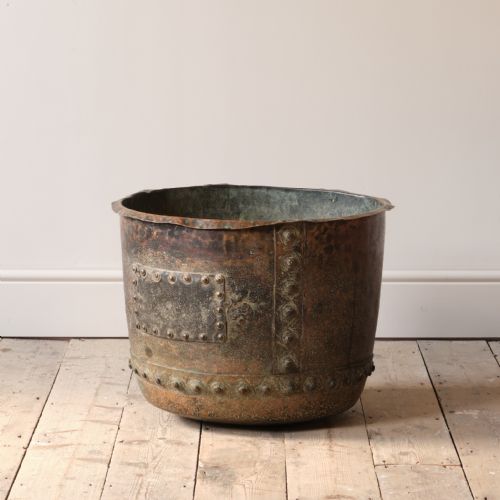
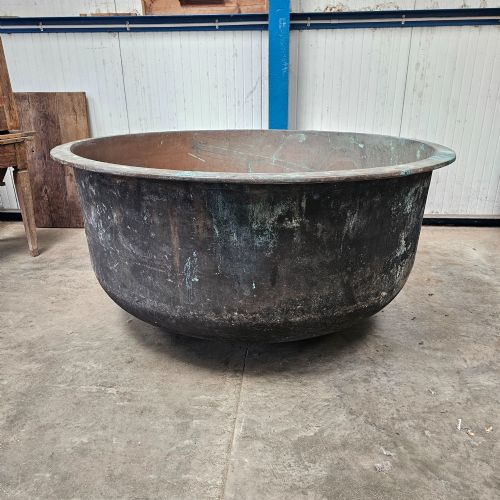
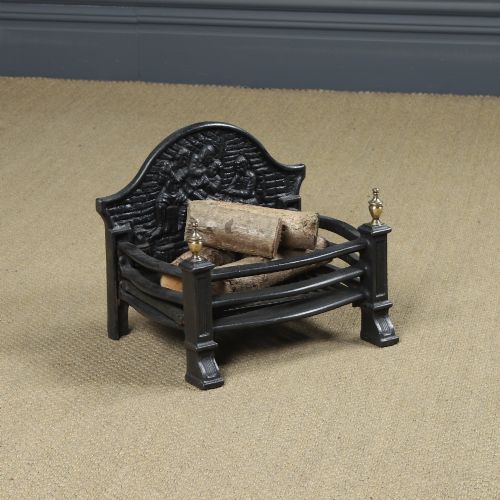
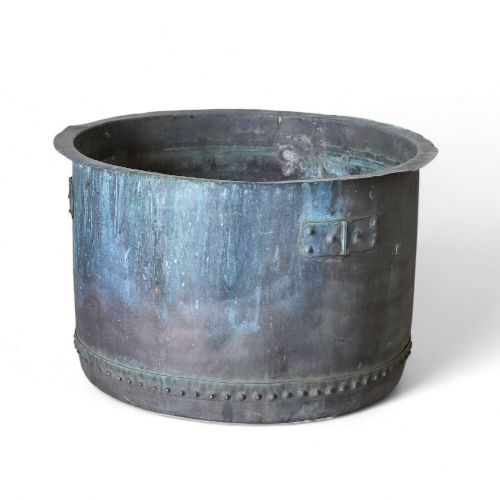
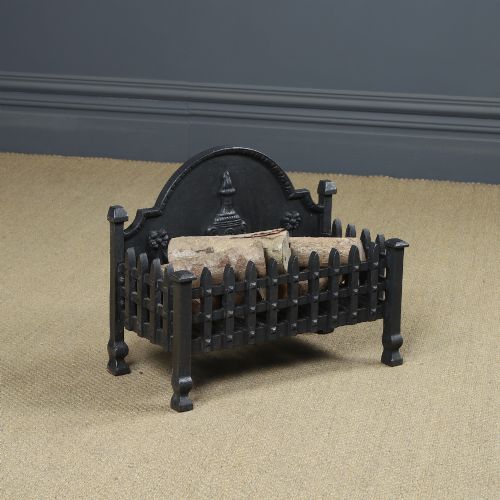
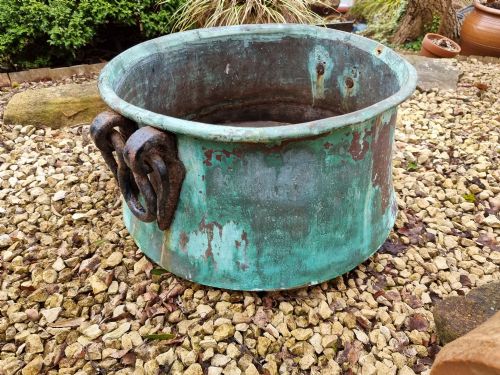
The selection includes rustic country wicker vessels, heavy 19th century copper buckets, and substantial iron grates designed for burning wood. These pieces hail from various eras, including the Victorian period and the early 20th century.
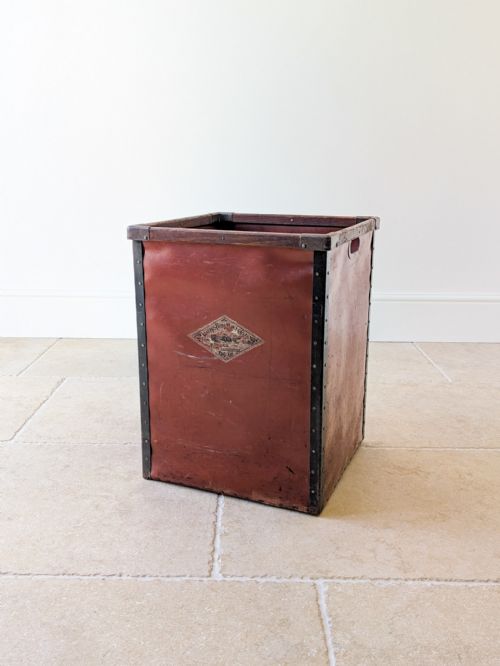
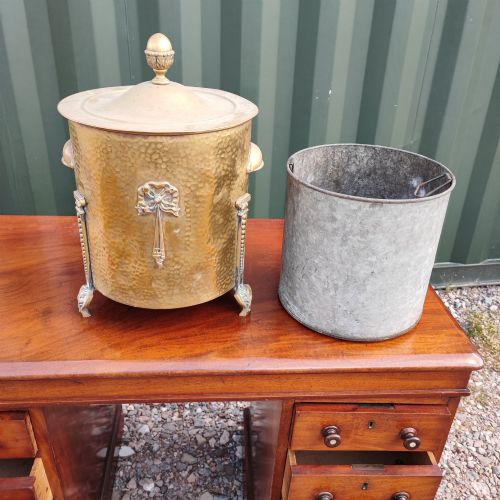
Many items bridge multiple categories, functioning equally well as wine coolers, coal bins, or laundry receptacles. French provincial styles and English country house pieces dominate the common finds.
How they were made
Materials span natural fibres and heavy metals, utilising willow, wicker, pine, oak, and mahogany alongside wrought iron, brass, and riveted copper. Artisans constructed woven examples by hand, creating large scale vessels capable of withstanding heavy timber loads.
Metal versions rely on traditional smithing techniques, featuring riveted copper seams and forged iron work. Cast iron components frequently appear in fire grates and baskets paired with fire dogs.
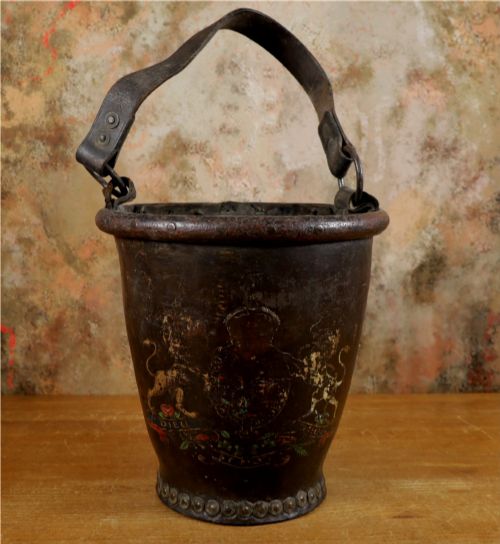
Construction methods reflect utility, using iron binding on carts and sturdy handles for lifting heavy loads of wood or coal from cellar to hearth.
Retail Price Guide 2026
Typical UK retail prices for log basket, calculated from the Sellingantiques database of over a million retail prices indexed since 2003. This retail price guide relies exclusively on Sellingantiques data; no external sources or auction records are used, so the figures do not describe the wider market.
Some baskets served double duty in country houses, shifting effortlessly from grape harvesting in France to holding champagne on ice.
What varies in quality
Quality rests in the integrity of the construction and the calibre of the materials selected by the maker. Heavy gauge copper, thick hand woven willow, and solid forged wrought iron separate robust pieces from lighter utilitarian items.
Proportion and scale dictate desirability, with extra large baskets and finely detailed fire grates commanding greater presence. The survival of original fittings, such as paired fire dogs or matching cast iron fire backs, elevates a piece.
The distinction between a humble utility container and a refined country house accessory lies in the finishing details and the harmonious balance of form.
The Antique Log Basket Glossary
- Fire dog
- A horizontal support iron used in pairs to keep logs elevated for better airflow. These often accompany larger hearth grates.
- Wicker
- Pliant plant material woven into rigid items like baskets. Willow is frequently utilised for this traditional technique.
- Riveted copper
- Metal sheets joined with metal pins forming sturdy seams. This method appears on heavy duty buckets designed for water or fuel.
- Cast iron
- Molten iron poured into a mould to create rigid shapes. It provides durability for fire backs and grates.
Frequently Asked Questions
How do I clean a copper log bucket?
Wash the metal gently with warm soapy water and a soft cloth to remove dust and soot. Avoid harsh abrasives that strip the aged patina.
Dry the surface thoroughly to prevent water spots and preserve the historic finish of the copper.
Can I use an antique basket for actual logs?
Sturdy woven willow and thick iron baskets are built to hold heavy timber beside the fireplace. Check the base and handles for strength before loading.
Lighter decorative wicker pieces suit dry storage or blankets rather than rough logs.
How do I date a wrought iron fire basket?
Examine the form and construction marks, as Victorian and Edwardian examples often feature hand forged details and heavy cast elements. Neo Classical styles lean towards symmetrical decorative casting.
Compare the joinery methods and weight with documented pieces from the nineteenth and early twentieth centuries.