
Victorian Brass Scuttle
These victorian brass scuttle designs are heavy fireside metalwork built to hold fuel while warming the hearth.
What a victorian brass scuttle is
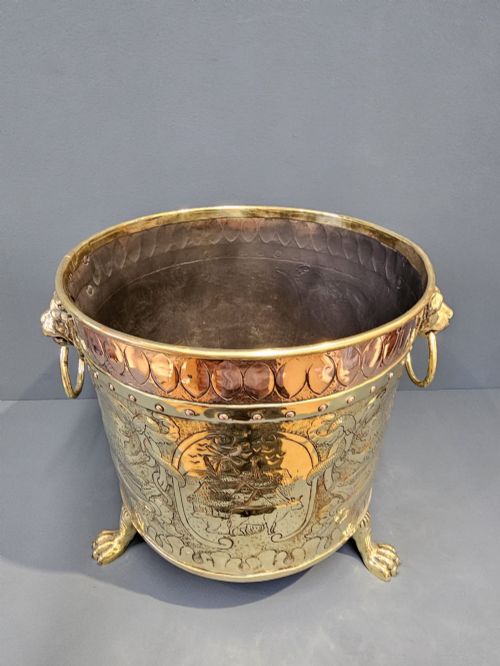
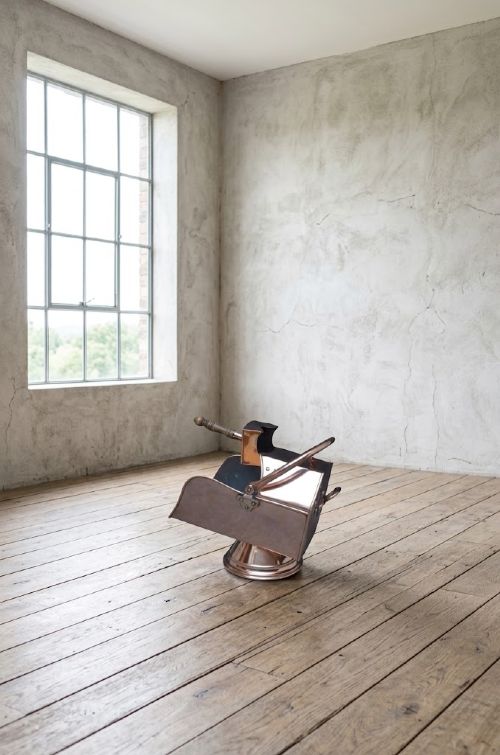
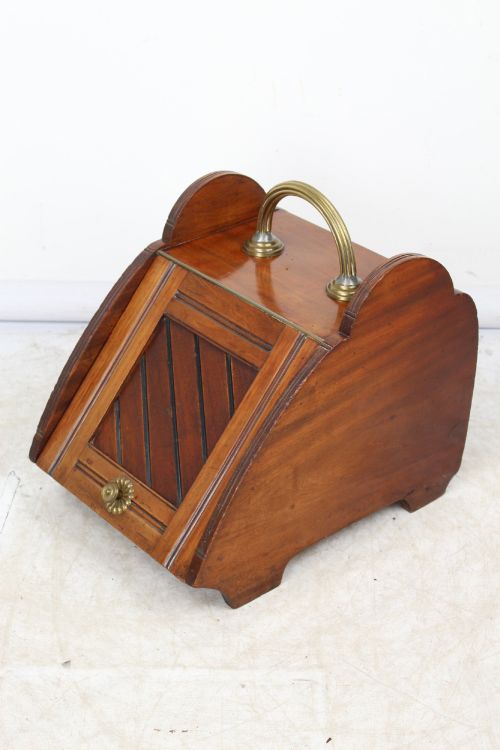
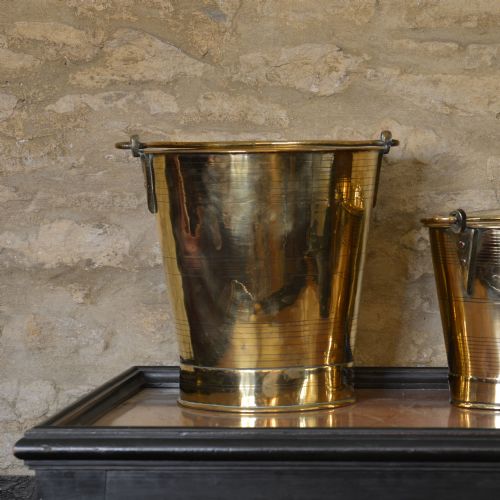
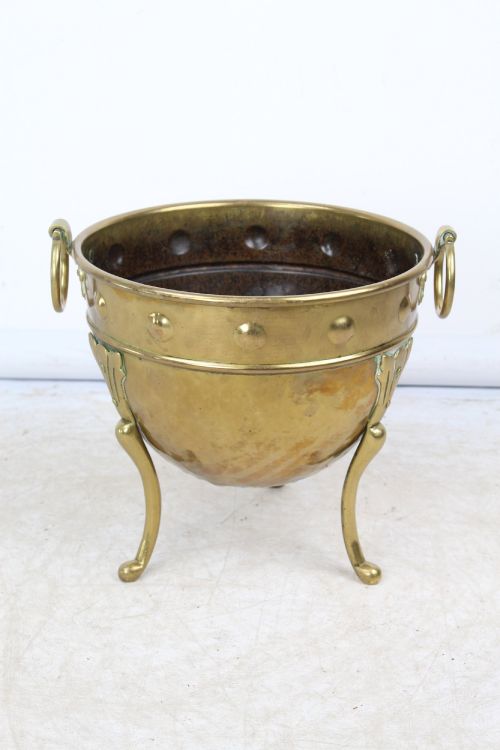
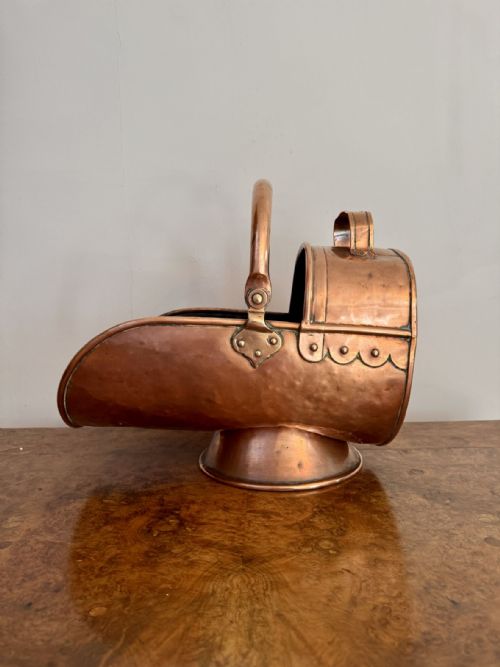
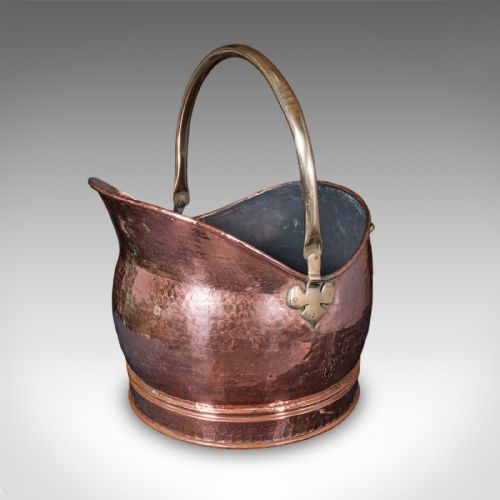
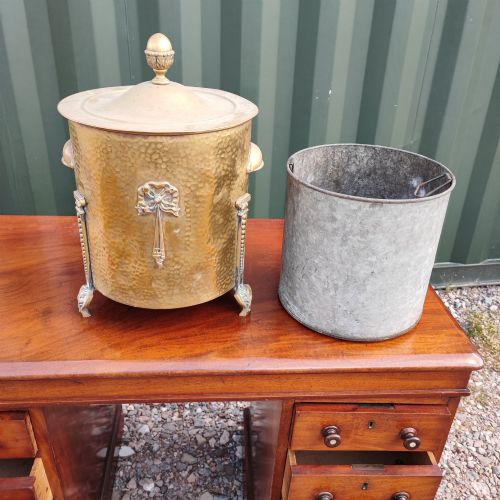
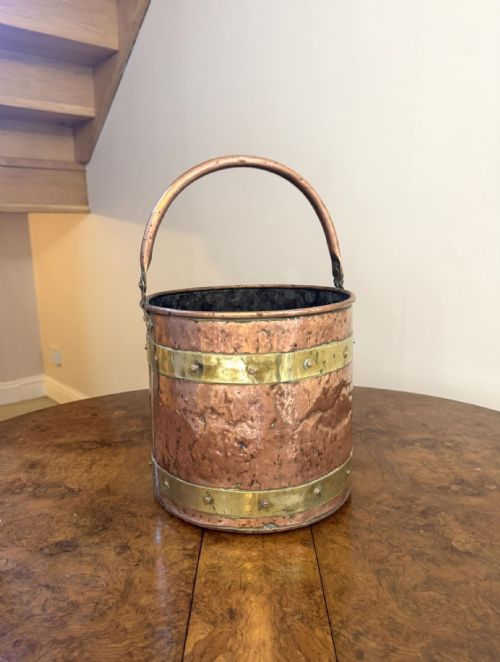
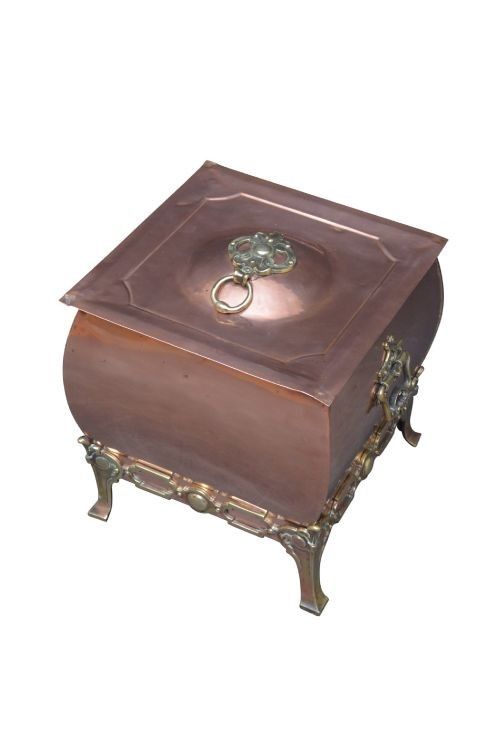
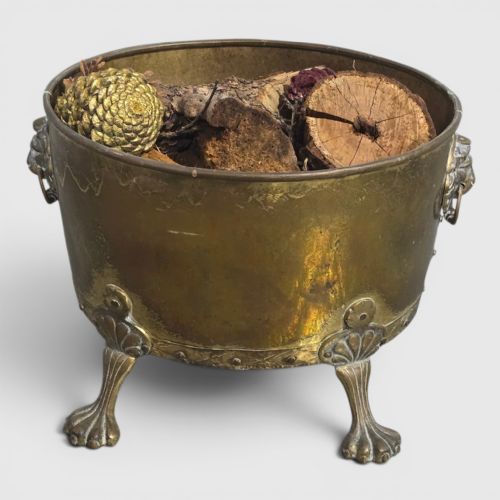
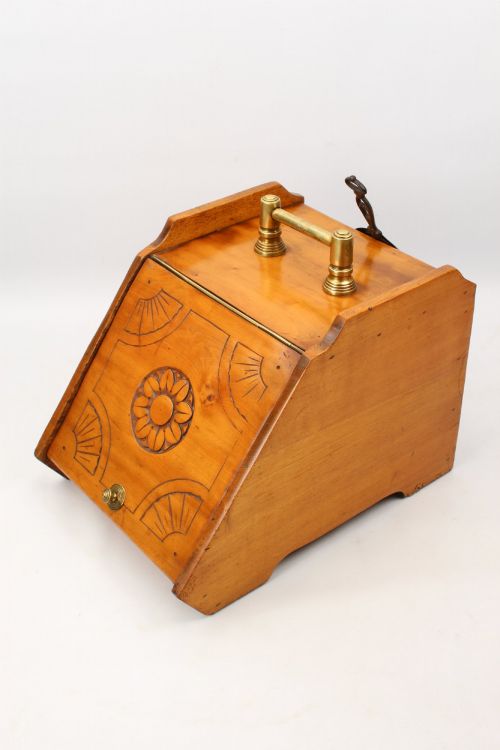
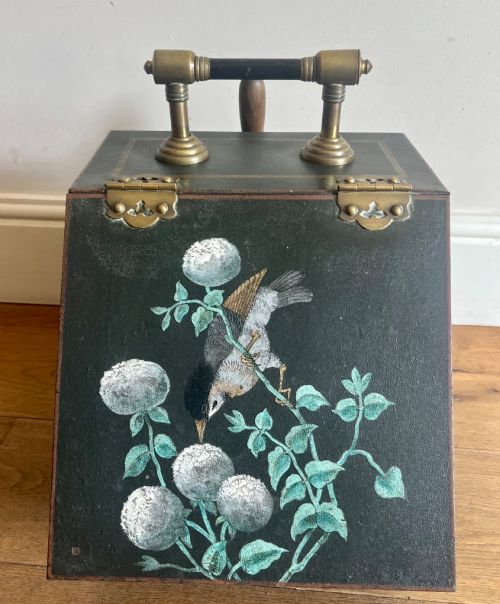
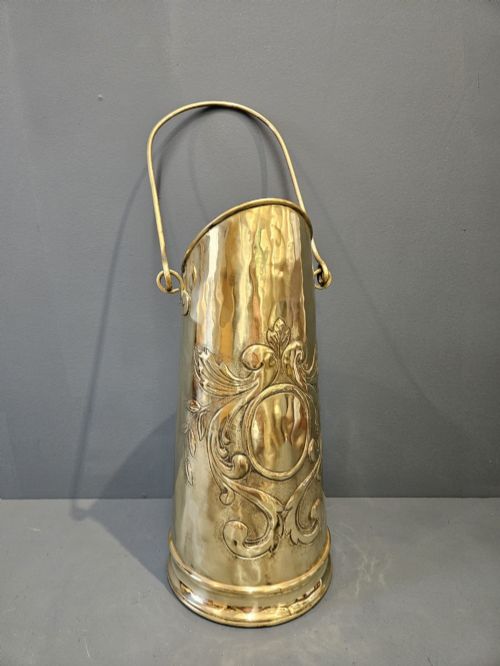
A victorian brass scuttle is a fireside container designed to hold coal or logs beside the fireplace. The forms seen in these pieces range from traditional helmet shapes to lidded boxes and buckets.
Most examples date from the nineteenth century, with particular representation from around eighteen-eighty. Buyers commonly find these utilitarian hearth objects made with handles for carrying fuel.
The objects serve both a practical role in tending the fire and a decorative function within the nineteenth-century parlour. Many retain their original shovels or internal metal liners.
How they were made
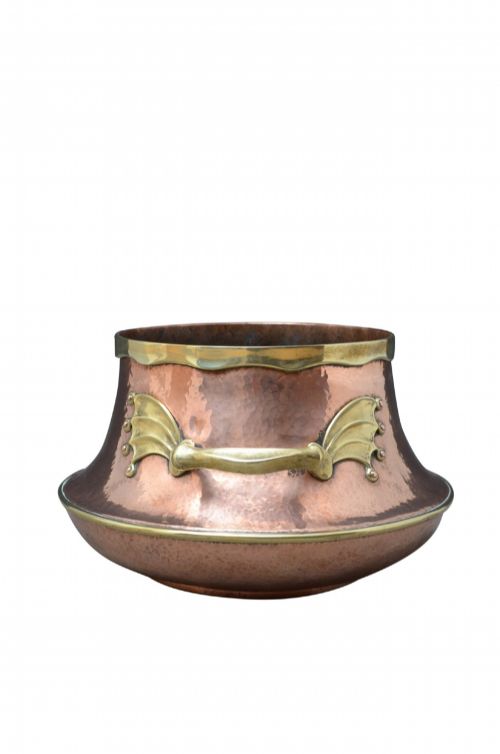
These pieces combine brass sheet and cast elements, sometimes paired with copper, oak, or ebonised wood. Metalworkers shaped the bodies through panel beating, riveting, and soldering.
Surface decoration often involves repoussé work, engraving, or polished finishes to catch the firelight. Handles and fixings are frequently cast in brass and secured to the main body.
Retail Price Guide 2026
Typical UK retail prices for victorian brass scuttle, calculated from the Sellingantiques database of over a million retail prices indexed since 2003. This retail price guide relies exclusively on Sellingantiques data; no external sources or auction records are used, so the figures do not describe the wider market.
Listings feature brass, copper, oak, and toleware across nineteenth-century dates.
What varies in quality
Quality rests in the weight of the metal and the crispness of any engraved or repoussé decoration. Thicker brass panels and sturdy riveted joints separate robust pieces from lighter versions.
The presence of matching shovels, interior liners, and secondary materials such as oak or copper marks the distinction between standard vessels and more elaborate ones.
The Victorian Brass Scuttle Glossary
- Helmet scuttle
- A coal container featuring a flared mouth and high back, resembling a classical helmet. This shape allowed for easy pouring of fuel onto the fire.
- Purdonium
- A box-style coal scuttle with a sloping front and a lid, often containing a metal liner. These enclosed bins kept coal dust contained within the parlour.
- Repoussé
- A metalworking technique where the pattern is hammered into relief from the reverse side. This method creates decorative panels on the body of the scuttle.
- Coal hod
- A heavy-duty bucket or bin designed specifically for carrying solid fuel. These items often feature swing handles and flat bases for stability.
- Aesthetic period
- A nineteenth-century design movement focusing on visual beauty rather than narrative meaning. Pieces from this era often display stylised incised decoration.
Frequently Asked Questions
How do I clean brass scuttles?
Clean the surface gently using a soft cloth to remove dust and soot accumulation. Avoid harsh abrasive cleaners that strip the historic patina from the metal.
Preserve the underlying finish by using mild soapy water for regular maintenance. Dry the brass thoroughly to prevent spotting.
Did all scuttles come with shovels?
Many examples include a matching shovel, often housed in a dedicated side sleeve or bracket. These original implements were designed to complement the container.
Not every surviving piece retains its shovel due to centuries of heavy fireside use. Replacements are common where the original tool is lost.
Can I use a scuttle for logs?
These vessels suit both coal and logs depending on the specific box or bucket capacity. Shallower helmet designs work well for smaller fuel.
Larger bins accommodate heavier logs alongside traditional coal use. Check the internal liner condition before loading heavy wood.
What is a coal box liner?
A liner is the removable internal metal tray that holds the fuel inside the decorative outer shell. This protects the outer brass or wood from moisture and grime.
Liners made emptying ash and small debris straightforward without disturbing the main scuttle. Many surviving pieces retain these functional inserts.