



Antique Fireside Bucket
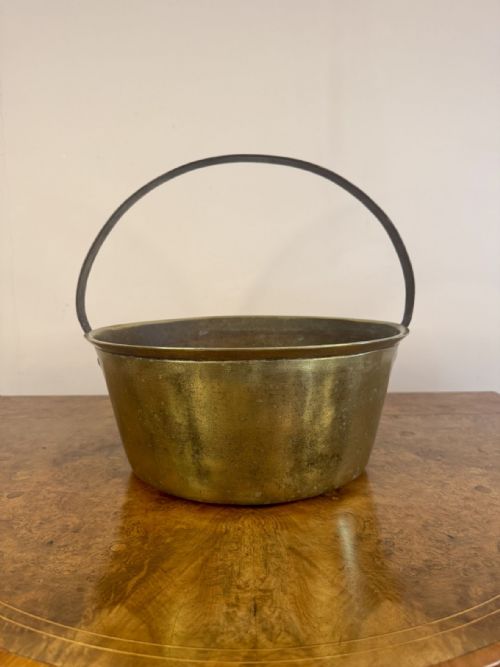
When searching for an antique fireside bucket, collectors encounter solid brass, copper, and timber vessels designed to store coal and logs beside the hearth.
Antique Fireside Bucket
An antique fireside bucket serves as a sturdy container for holding coal, kindling, and logs close to an open fireplace. These utilitarian objects transitioned from purely functional basement or scullery items into decorative hearth accessories by the Victorian and Edwardian periods.
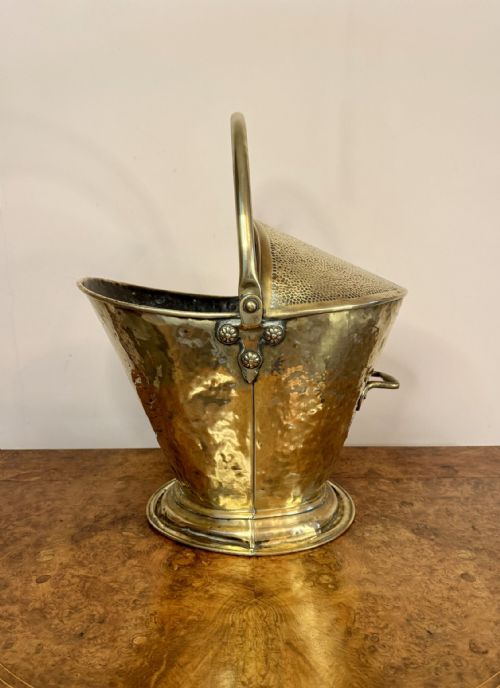
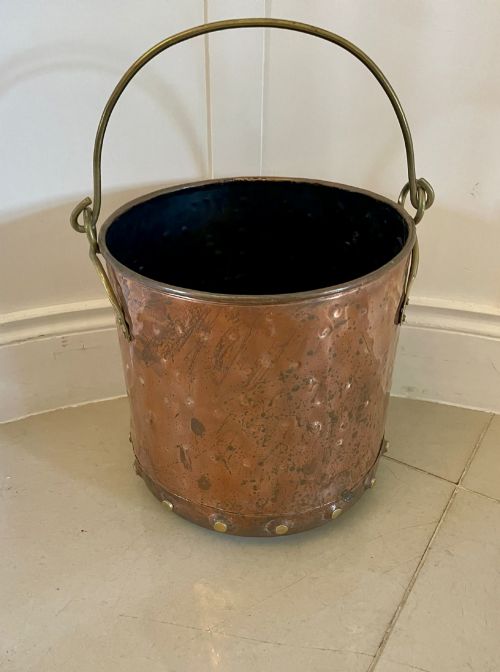
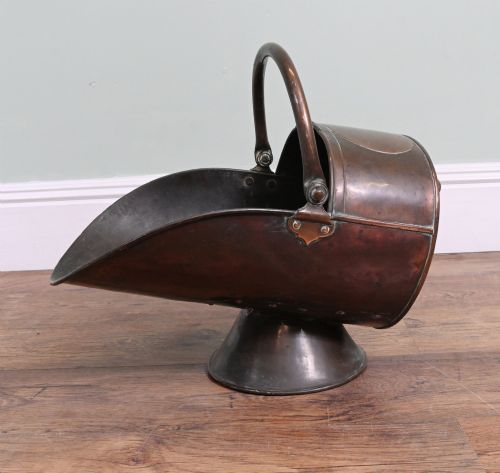
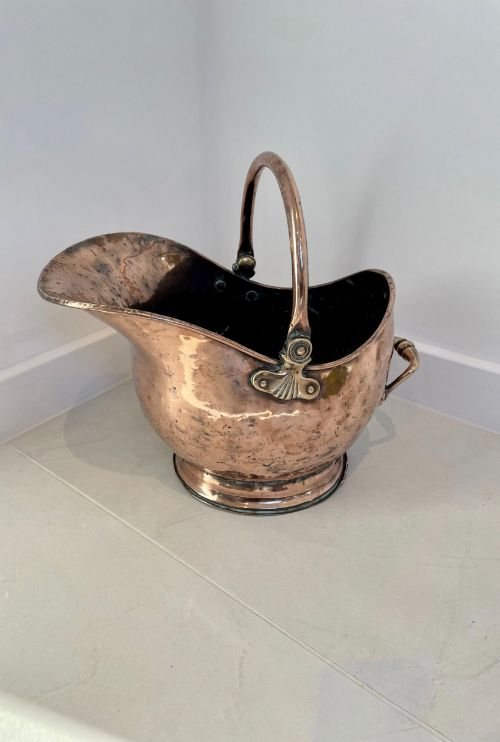
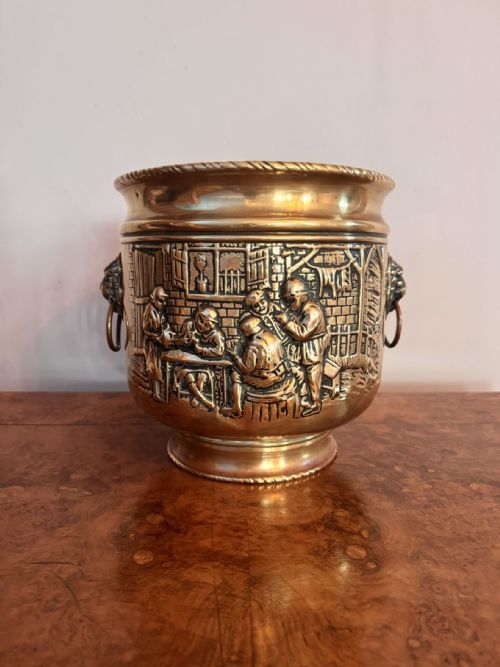
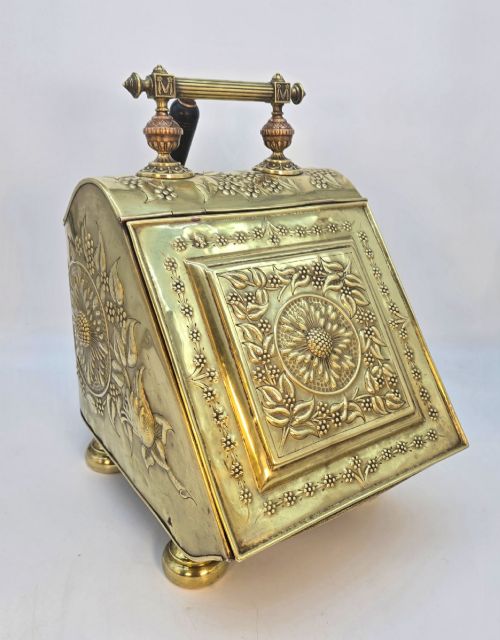
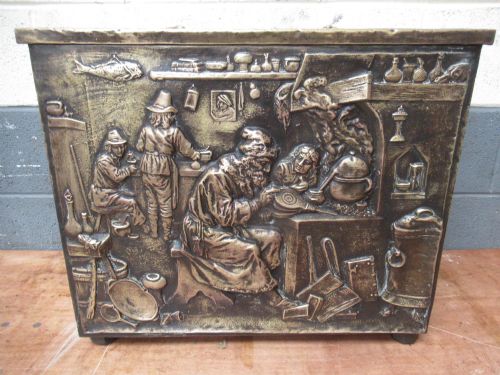
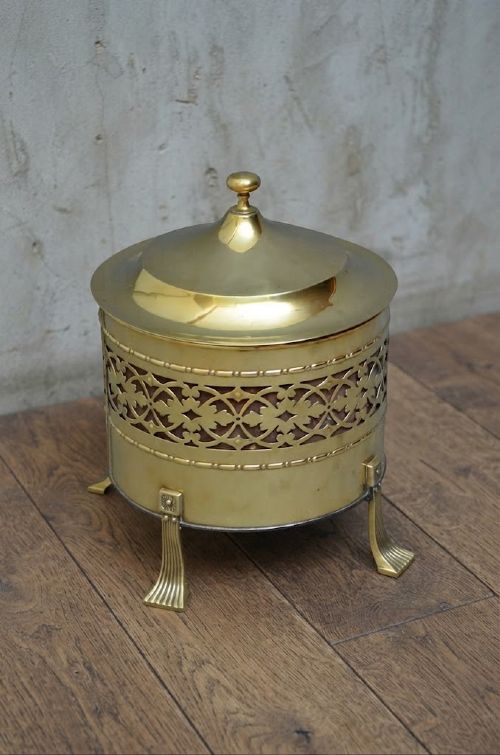
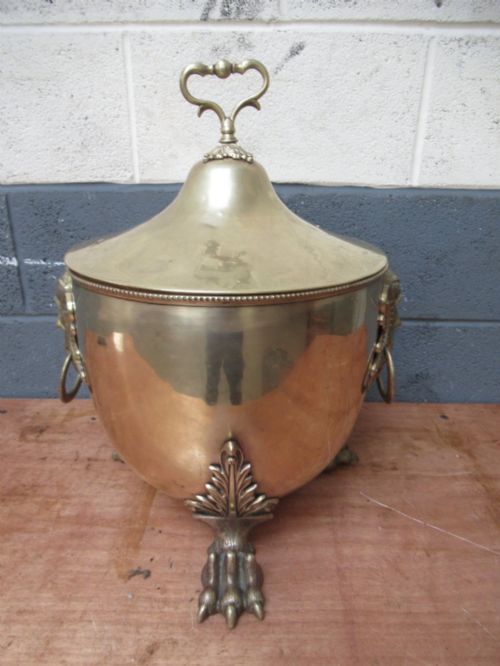
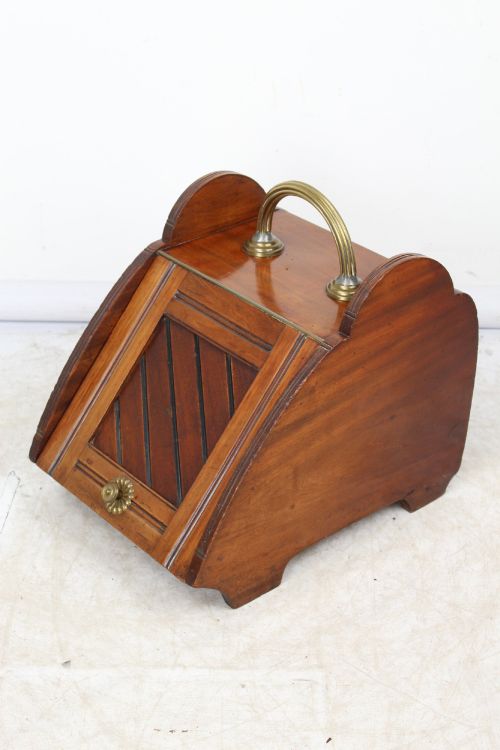
The versions most frequently met on this page date from the nineteenth century, spanning Victorian and Edwardian eras, alongside Georgian and eighteenth-century examples. Formats vary from helmet-shaped scuttles and straight-sided bins to cylindrical buckets and coopered timber boxes.
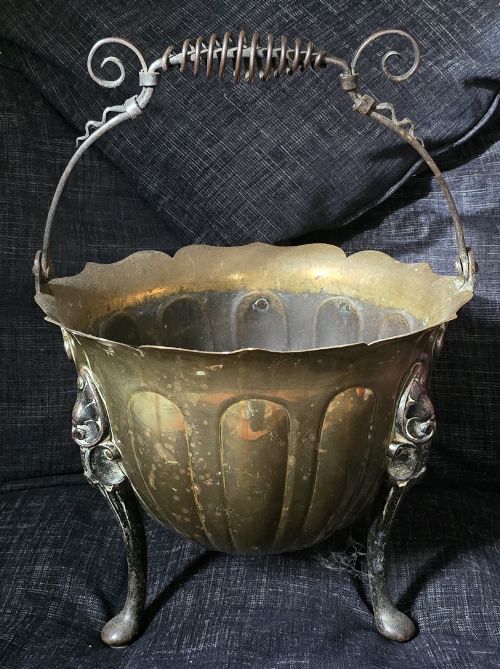
Many items double as planters or log baskets, reflecting secondary uses adopted over time. Metal variants often include swing handles and raised feet, while wooden examples utilise traditional coopering techniques.

How they were made
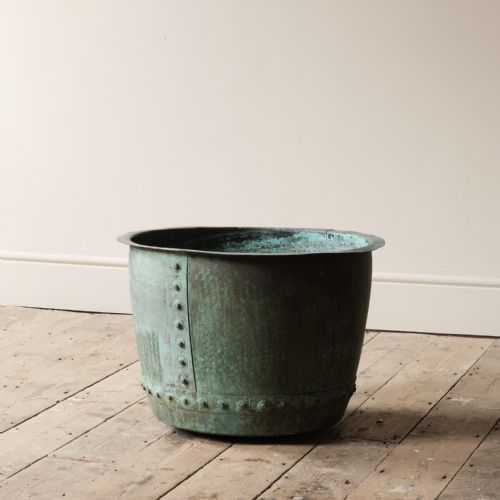
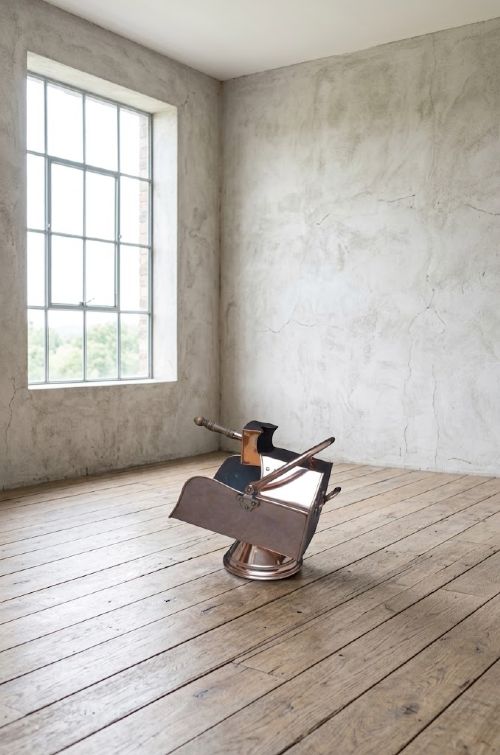
Makers utilised heavy sheet copper and brass, frequently joining the seams with visible iron rivets to ensure durability under daily use. Wrought iron and steel formed sturdy swing handles, while brass bands and paw feet provided structural reinforcement and decorative contrast.
Timber examples rely on traditional cooperage, binding staves of oak, mahogany, or fruitwood with metal hoops. Surface finishes range from hand-hammered Arts and Crafts textures to embossed brass motifs and polished sheet metal.
Antique Fireside Bucket Retail Price Guide 2026
Typical asking prices for fireside bucket among the pieces listed under this phrase on Sellingantiques today, from the lower quarter to the upper quarter. They describe what is for sale here now, not the wider market.
The selection includes utilitarian riveted copper pieces alongside decorative Arts and Crafts and Art Nouveau designs.
What varies in quality
The distinction between standard utility items and finer examples rests on the weight of the metal gauge and the integrity of the construction. Thicker brass and copper resist denting, while hand-riveted joints and heavy wrought iron handles indicate superior craftsmanship.
Detailing elevates certain pieces above standard workshop production, such as crisp embossing, applied brass banding, or well-executed fretwork designs. The presence of original matching shovels or internal liners also separates complete historical survivals from pieced-together sets.

Henry Loveridge·Benham and Froud·Percy Metal Works London
The Antique Fireside Bucket Glossary
- Coal scuttle
- A vessel designed specifically for carrying and storing coal, often featuring a funnel-like lip or helmet shape for controlled pouring into a grate. These range from simple cylindrical buckets to ornate brass and copper receptacles.
- Log bin
- A deep container intended for stacking firewood next to a hearth. They appear in riveted metal, oak staves, and mahogany.
- Helmet scuttle
- A coal bucket shaped with a high, sloping rim resembling a classical helmet, equipped with a hinged rear handle and a fixed handle at the front for tipping. They gained widespread popularity during the Victorian period in polished brass and copper.
- Coopering
- The woodworking craft of assembling staves of wood into cylindrical or tapered containers bound by metal hoops. This method was essential for watertight vessels and sturdy wooden log buckets.
- Tole ware
- Lacquered or enamelled sheet metal items produced for domestic utility and decoration. Unusual examples survive from the Edwardian and later periods.
- Arts and Crafts
- A design movement emphasising visible construction methods, hand-hammered textures, and simple forms. Metal fireside accessories from this tradition display distinct maker craftsmanship.
Antique Fireside Bucket: Frequently Asked Questions
Were these buckets meant to be kept downstairs?
In large nineteenth-century households, these vessels were filled in the coal cellar and carried up to living areas for daily hearth maintenance. Their sturdy brass and copper construction was designed to withstand this heavy domestic labour.
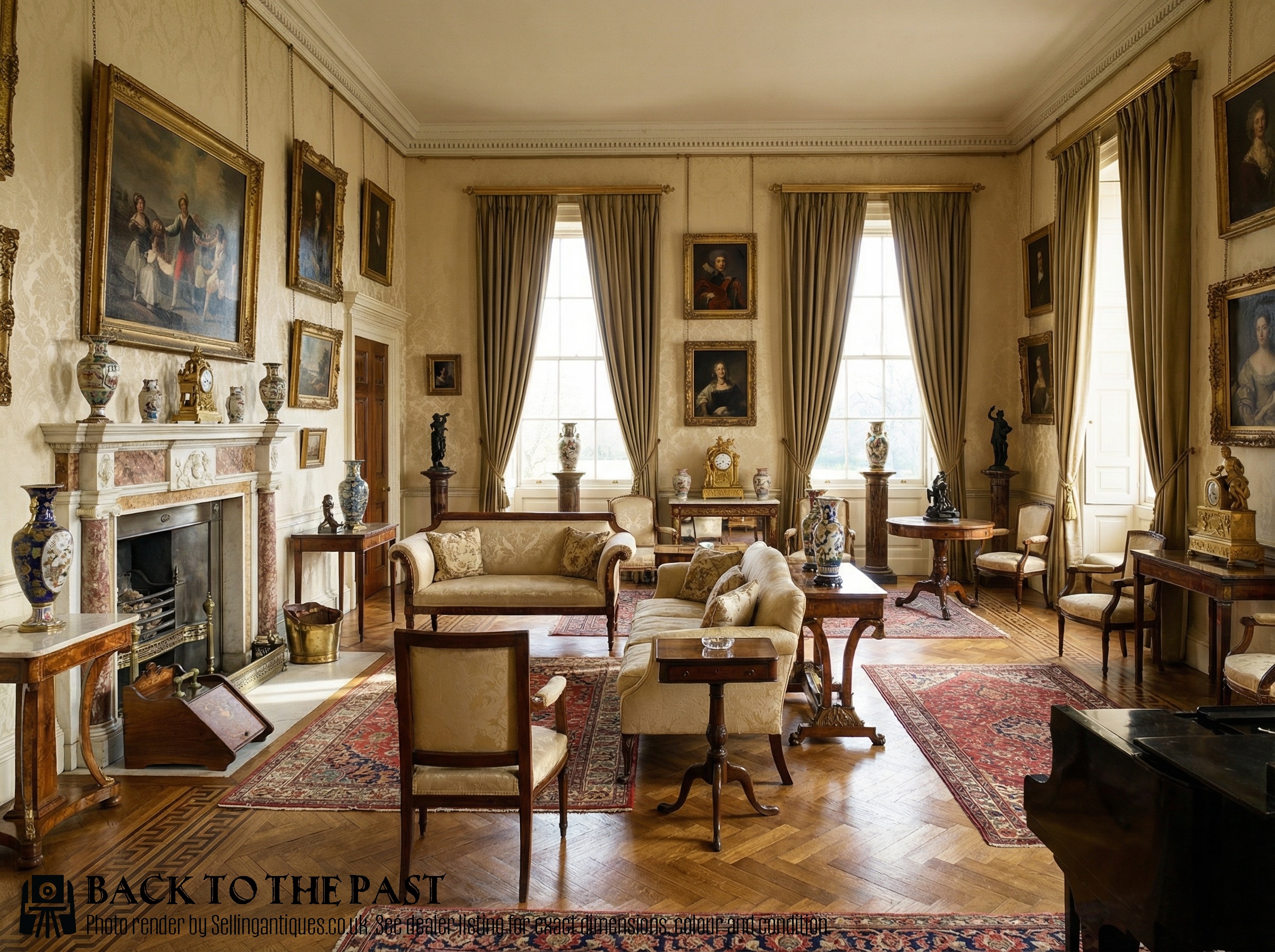
Over time, polished metal and decorative timber versions remained permanently beside the drawing-room fireplace as part of the room's furnishings.
How do I care for antique brass and copper?
Most pieces respond well to gentle dusting and occasional cleaning with a non-abrasive metal polish to maintain their finish. Many collectors prefer to leave an aged patina untouched, reflecting decades of exposure to fireside environments.
Avoiding harsh chemical dips preserves the original surface texture and historical character of the metal.
How can I tell a Victorian piece from a Georgian one?
Georgian examples, dating from the eighteenth century into the early 1800s, frequently utilise heavier gauge hand-hammered copper with thick iron swing handles and distinct hand-cut dovetail or riveted seams. Victorian and Edwardian pieces often exhibit more varied surface treatments, such as machine rolling, embossed patterns, and distinct stylistic revivals.
Construction details on the interior base and handle mounts generally provide the clearest indication of manufacturing period.