
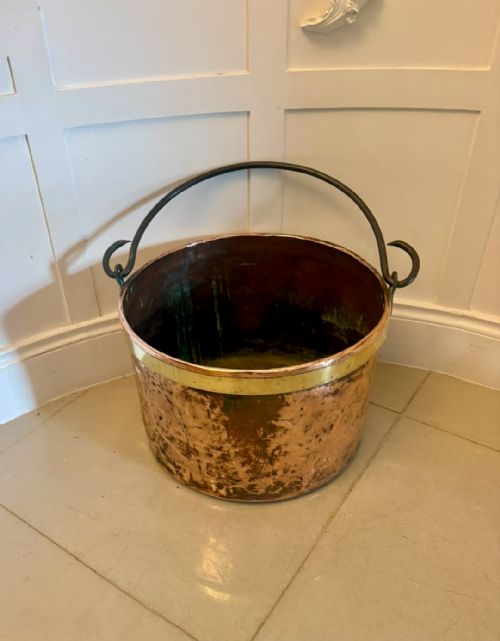
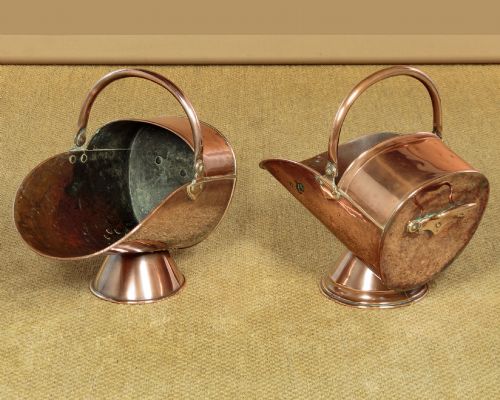
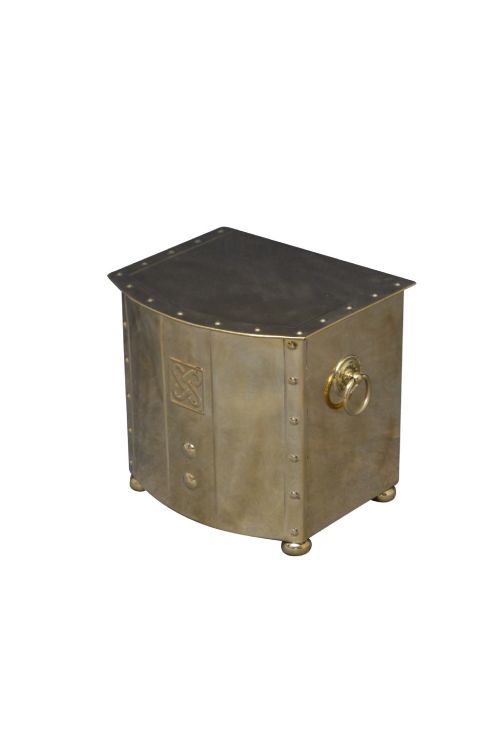


Brass Handle Coal Bucket
When you search for a brass handle coal bucket, you are looking at fireside accessories that combined heavy fuel storage with polished metal display.
Brass Handle Coal Bucket
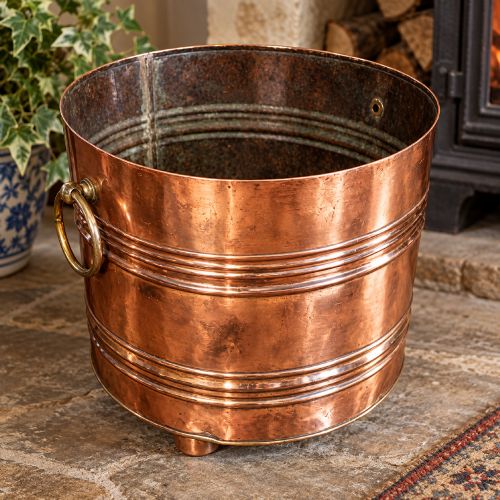
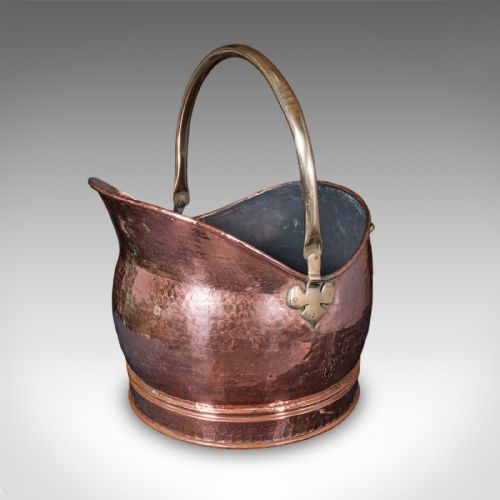
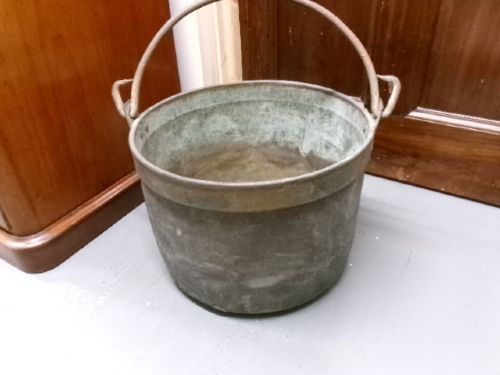
A brass handle coal bucket serves as a sturdy fireside container for solid fuel, appearing most frequently in Victorian copper or brass helmet and cauldron forms. These items span periods from the eighteenth century through the art deco era, reflecting shifts in domestic heating and hearth maintenance.
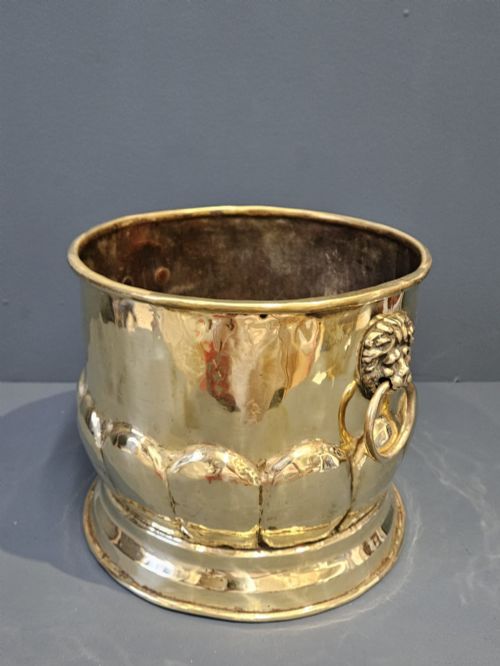
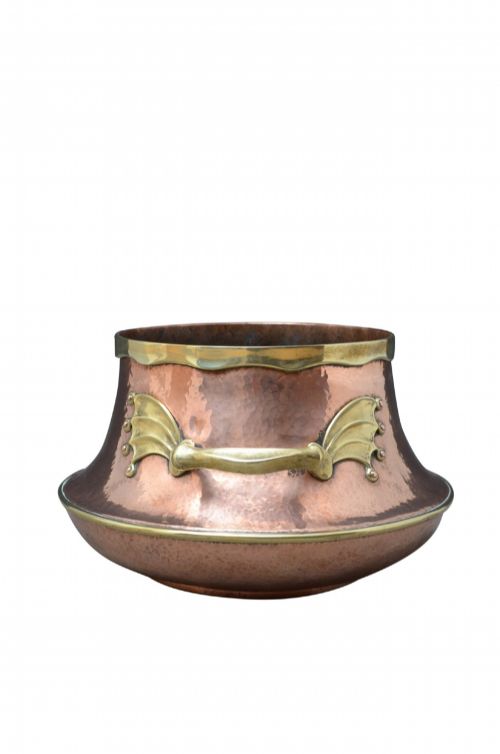
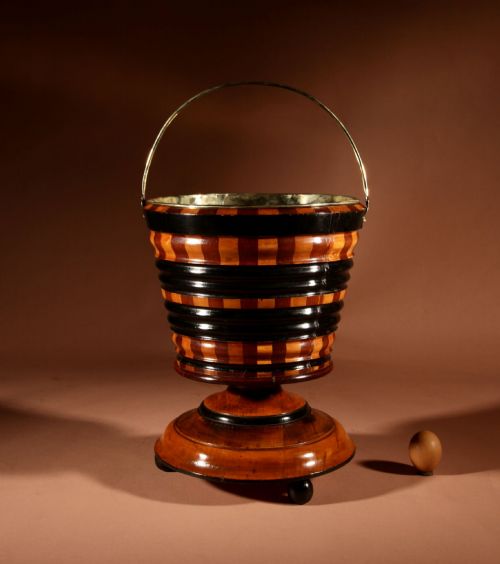
The selection here includes Dutch coopered wood vessels, mahogany boxes, and hammered copper bins that double as planters or log holders. Victorian examples dominate the inventory, accompanied by Edwardian and Georgian iterations designed for coal, peat, or logs.
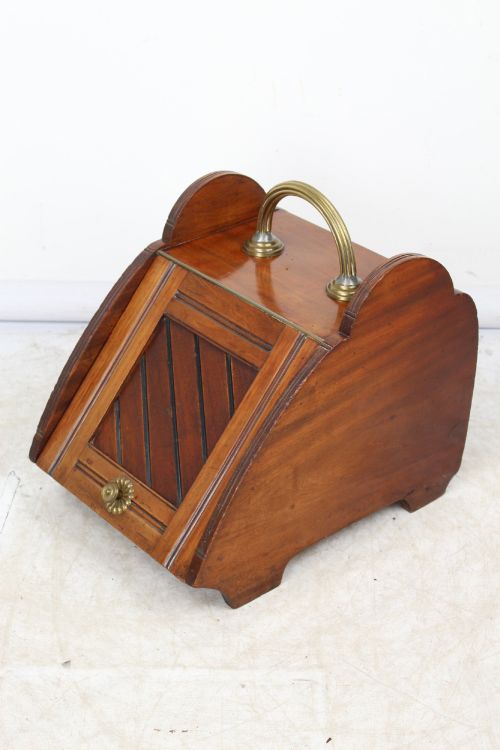
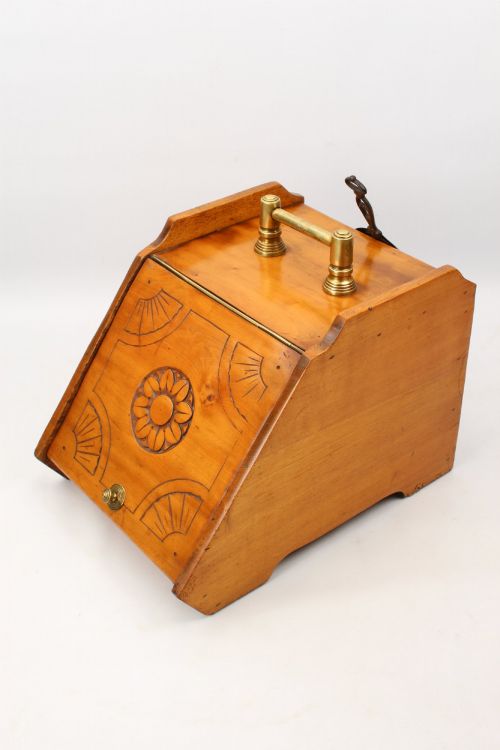
Buyers encounter cylindrical buckets with swing handles, helmet-shaped scuttles with matching shovels, and ornate purdoniums with drop fronts. Each piece demonstrates how utilitarian fuel storage evolved into an intentional decorative element within the nineteenth-century parlour.
How they were made
Metal vessels rely on sheet copper and brass, often joined with visible seams, beaten textures, or hand-finished surfaces that show the marks of the maker's tools. Rivets secure handles, mounts, and rims to heavy metal bodies designed to withstand daily hearth use.
Wooden examples utilise traditional coopering techniques with staves of oak, mahogany, walnut, or ebony held tightly by tensioned metal bands. Brass swing handles attach via sturdy mounts, while cast elements like lion head ring grips provide secure leverage for heavy loads.
Brass Handle Coal Bucket Retail Price Guide 2026
Typical asking prices for brass handle coal bucket among the pieces listed under this phrase on Sellingantiques today, from the lower quarter to the upper quarter. They describe what is for sale here now, not the wider market.
Some nineteenth-century sailors repurposed Royal Navy oak fire buckets for domestic hearth duty, complete with official armorial crests.
What varies in quality
Quality rests in the weight of the metal gauge and the integrity of the structural joins rather than mere surface shine. Thicker copper and solid brass resist dents and maintain stability when filled with heavy fuel.
Refined craftsmanship shows in hand-hammered dinanderie textures, cleanly fitted wooden staves, and well-cast handles that move smoothly on their pivots. Lesser items rely on thin sheet metals that flex under pressure and machine stamping lacking crisp detail.
William Soutter & Sons
The Brass Handle Coal Bucket Glossary
- Helmet scuttle
- A fireside coal bucket featuring a flared mouth and a raised back resembling a classical helmet, designed for pouring fuel cleanly. This shape was exceptionally popular during the Victorian period.
- Purdonium
- A dedicated coal box with a sloping front drop-door that conceals a removable metal liner. They often incorporate compartments for a coal shovel.
- Coopered
- Constructed from curved wooden staves bound together with metal hoops, much like a traditional barrel. This method appears on Dutch peat buckets and log bins.
- Dinanderie
- An umbrella term for medieval and later brass or copper objects produced in the Meuse Valley, later applied to decorative beaten metalwork from the art deco era.
- Swing handle
- A movable arched metal grip attached to opposing sides of a bucket via pivot mounts. It allows the vessel to be lifted and tilted easily during transport.
Brass Handle Coal Bucket: Frequently Asked Questions
How do I clean a copper coal bucket?
Maintenance requires gentle washing with warm soapy water to remove accumulated dust and soot from the interior and exterior surfaces. Avoid harsh chemical abrasives that strip away historical patina and thin the underlying metal.
Polish the brass handle and mounts sparingly if a bright finish is desired, or leave the metal unpolished to retain its aged appearance. Ensure the interior is completely dry before storing fuel to prevent active corrosion.
Can I use these buckets for logs?
Many historic coal buckets function equally well as log bins or umbrella stands in modern entryways and hearths. The sturdy metal and wood construction easily accommodates heavier firewood.
Check the interior for intact linings or secure bases before loading heavy logs to protect delicate antique flooring from debris. Smaller cauldrons and helmet scuttles work best for kindling rather than massive hearth logs.
How do I date a brass and copper bucket?
Dating relies on observing manufacturing techniques, material choices, and stylistic cues recorded across Georgian, Victorian, and Edwardian examples. Hand-beaten surfaces, dovetail joints, and specific handle mounts offer key chronological markers.
Earlier pieces from the eighteenth and early nineteenth centuries often display heavy coopering and hand-forged iron elements. Later Victorian and art deco items utilise machine-rolled sheet metals and distinctive hammered dinanderie patterns.
What is a coal purdonium?
A coal purdonium is an enclosed cabinet or box designed to keep coal out of sight beside the fireplace. They typically feature a sloping front lid that drops open for easy access to the fuel.
Inside, you usually find a removable metal liner tray that held the coal, making refills straightforward. Many include a dedicated interior slot on the side for storing a small fireside shovel.