


Vintage Coal Hod
A vintage coal hod brings functional hearthside history into the room, holding fuel while anchoring the fireside space with polished metal and timber.

Vintage Coal Hod
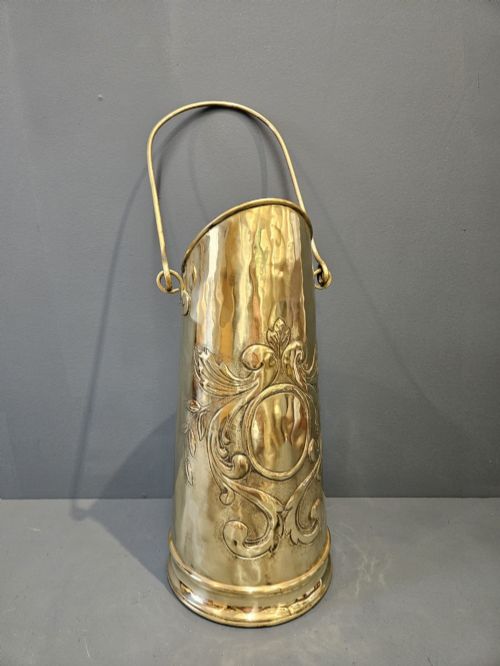
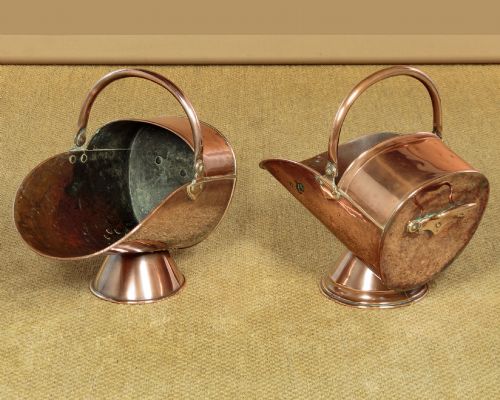
A vintage coal hod serves as a sturdy domestic container designed to store and transport fuel for an open fire. These hearthside accessories appear in various configurations including traditional buckets, lidded bins, helmet shapes, and peat buckets.
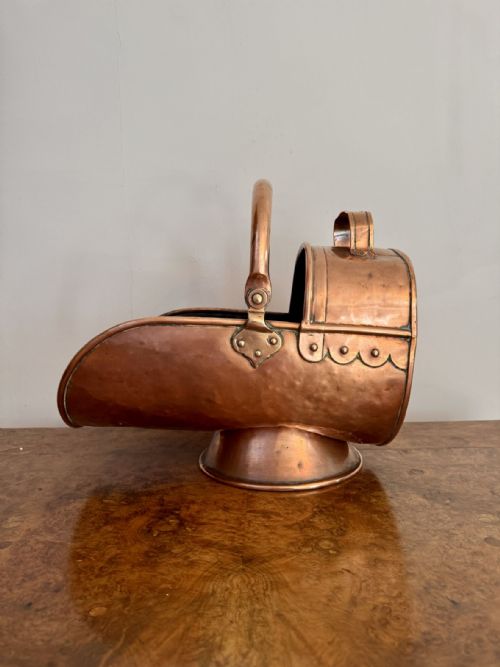
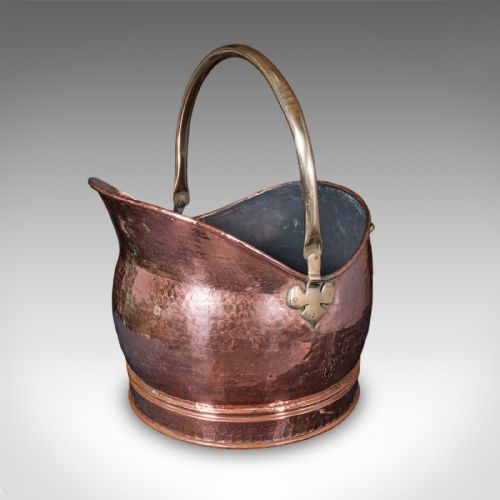
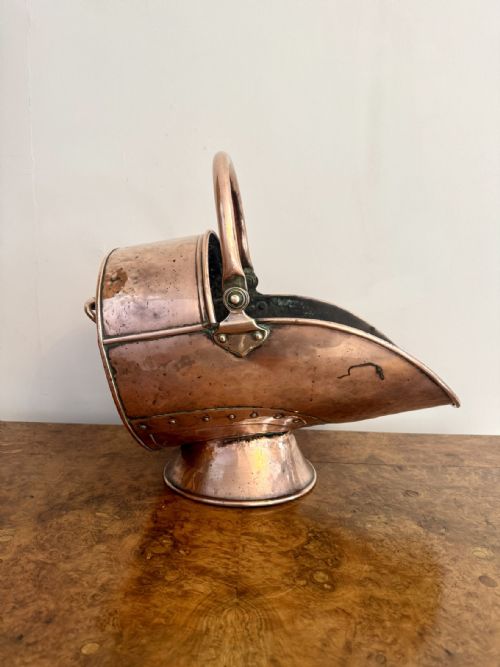
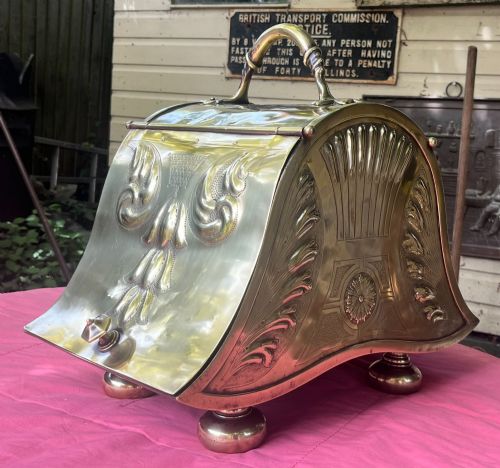
The selections available range from early George III examples down to Edwardian and Art Nouveau interpretations. Victorian copper helmet scuttles dominate the selection, frequently paired with matching brass shovels.
Makers utilised resilient metals and sturdy timbers to build vessels that endured daily domestic service. Surviving examples demonstrate how utilitarian objects received careful decorative attention during the nineteenth and early twentieth centuries.
How they were made
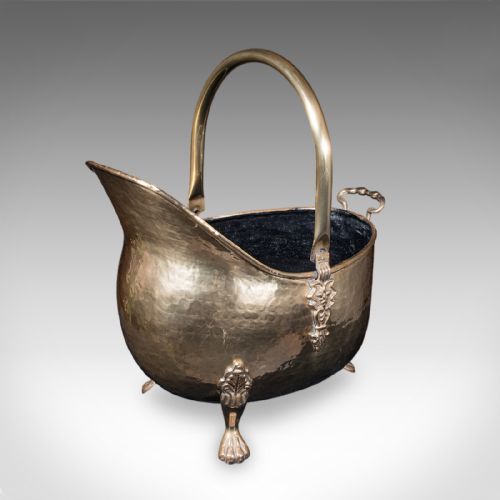
Metalworking techniques defined the construction of these vessels, relying heavily on sheet copper and brass. Artisans formed helmets and buckets by hammering, beating, and joining plates with visible rivets.
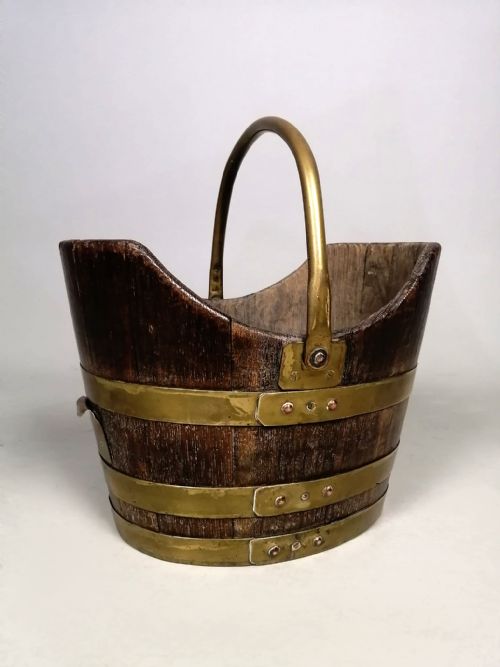
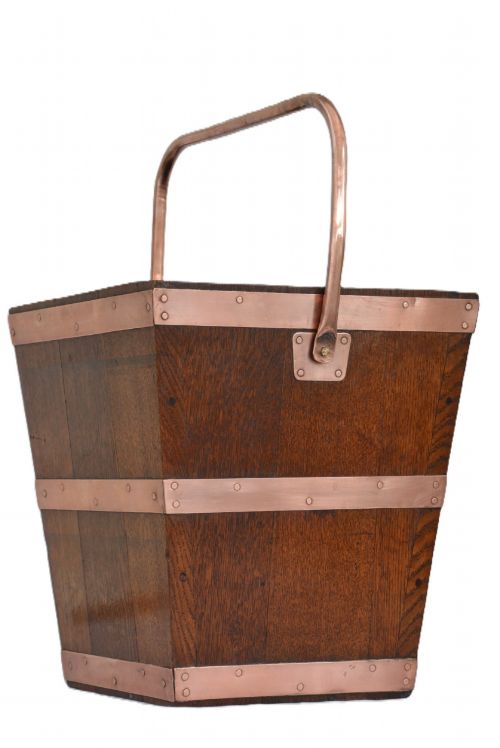
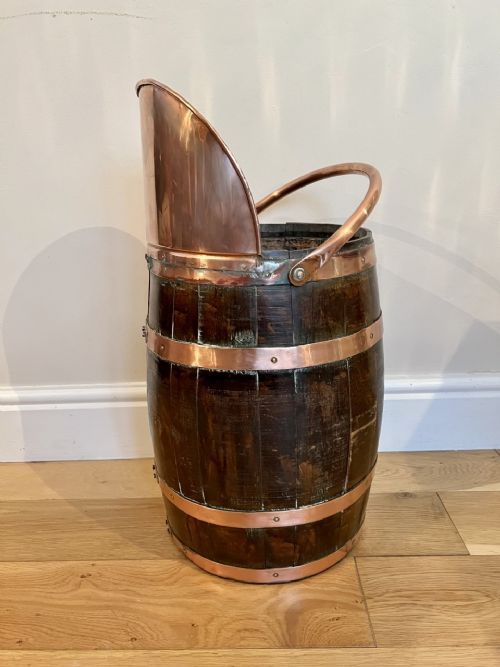
Timber varieties such as oak provided alternative bodies for bins and hods. Woodworkers integrated brass banding, swing handles, and decorative mounts to reinforce the wooden staves and panels.
Wrought iron and cast elements appeared on Arts and Crafts receivers and utilitarian buckets. These materials offered structural rigidity for pieces subjected to heavy daily loading.
Vintage Coal Hod Retail Price Guide 2026
Typical asking prices for vintage coal hod among the pieces listed under this phrase on Sellingantiques today, from the lower quarter to the upper quarter. They describe what is for sale here now, not the wider market.
Listings span the Georgian, Victorian, and Edwardian eras, predominantly featuring copper and brass alongside oak examples.
What varies in quality
The gauge of the metal and the crispness of the hand-beaten finish determine the standard of a copper or brass scuttle. Thicker plates resisted dents and maintained their structural integrity through decades of hearth use.
The presence of original accessories, such as matching shovels and integral liners, elevates the integrity of a piece. Maker marks stamped into the brass or copper also separate standard production items from workshop-attributed pieces.
Joinery and decorative detailing reveal the maker's hand, from neat dovetailing on oak staves to carefully riveted handles. Finer examples retain balanced proportions and unpolished patinas that reflect their age.
BENHAM AND FROUD
The Vintage Coal Hod Glossary
- Coal hod
- A vessel designed to hold coal near a fireplace. These containers often feature a wide mouth and a hinged handle for easy transport.
- Helmet scuttle
- A specific form shaped like a classical helmet with a flared lip and a raised back. This profile directed coal neatly into the hearth.
- Peat bucket
- A deep wooden container traditionally used in rural areas to store turf or peat blocks. They frequently incorporate brass banding and carrying handles.
Vintage Coal Hod: Frequently Asked Questions
What is a vintage coal hod used for?
These vessels were originally made to carry coal or peat from an outdoor store to the indoor fireplace. Today they function primarily as decorative hearth accessories or storage bins.
Their robust construction allows them to hold logs, kindling, or magazines while adding period character to a room.
How do I date a brass coal scuttle?
Dating relies on stylistic clues, manufacturing techniques, and material combinations. George III examples often display hand-beaten copper with distinct form, while Victorian pieces frequently take the helmet shape.
Edwardian and Arts and Crafts versions introduce alternative surface textures and styling influenced by the turn of the century.
Are these coal hods made of solid brass?
Most metal examples utilise sheet brass or copper for the body, often reinforced with iron or mounted on wooden bases. Solid brass components appear in handles, feet, and decorative bands rather than the entire structure.
This method provided the necessary strength without making the vessel overly heavy to lift when full.