


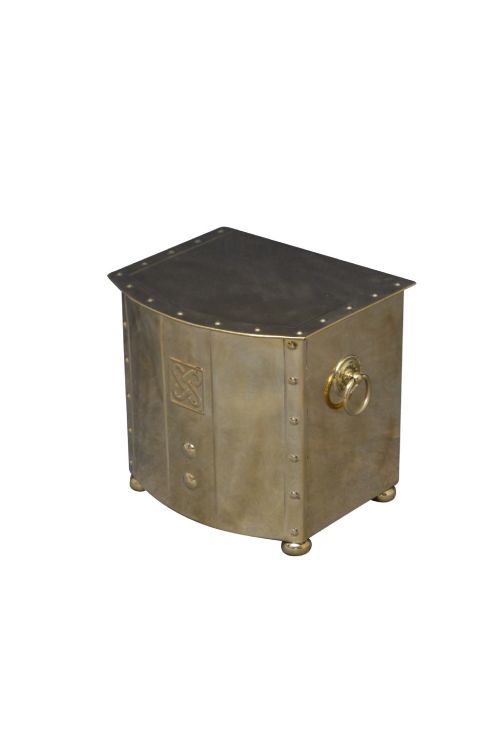


Fireside Storage Container
These fireside storage containers are the hard-working hearth vessels that keep timber and fuel close at hand.
Fireside Storage Container
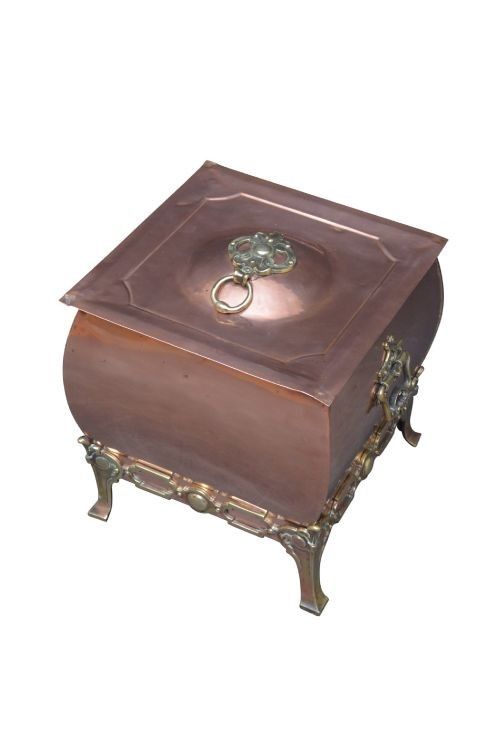
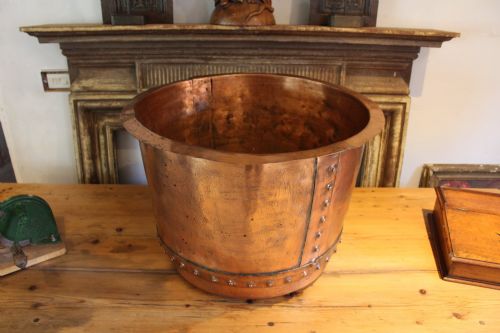
A fireside storage container gathers the coal, logs and kindling needed to tend an open fire, sitting directly on the hearth or floor beside the grate. When you search for a fireside storage container, you encounter heavy metal buckets, lidded boxes and open troughs designed to hold heavy fuel without damaging floors.
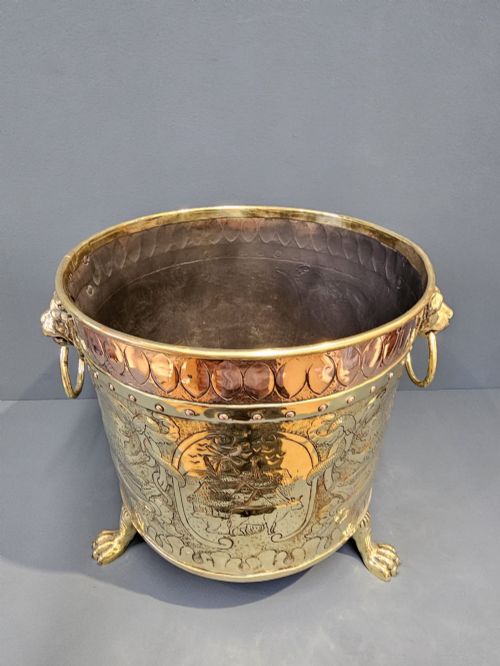
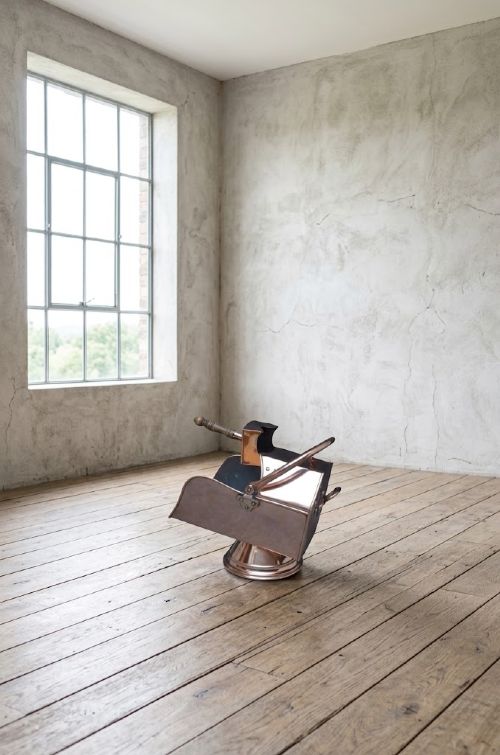
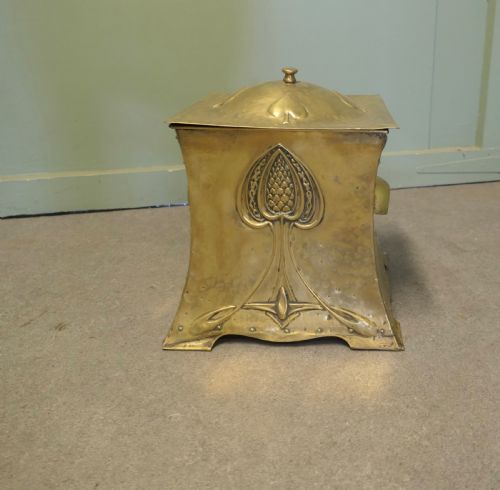
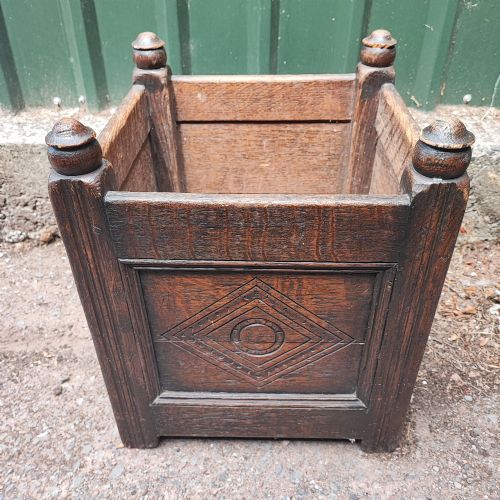
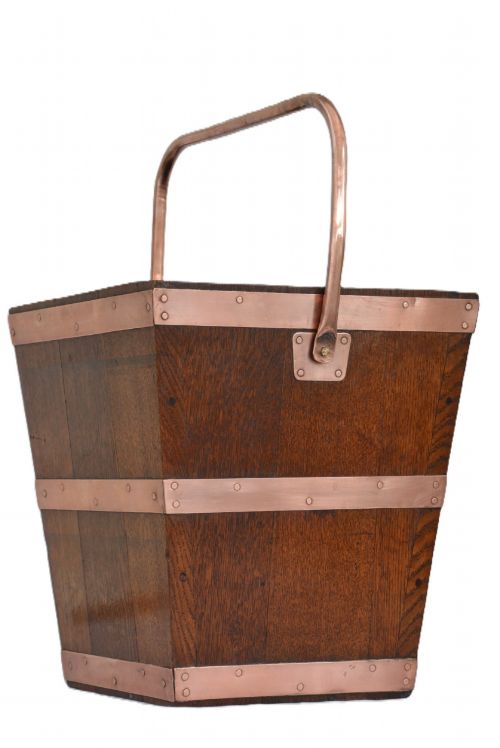
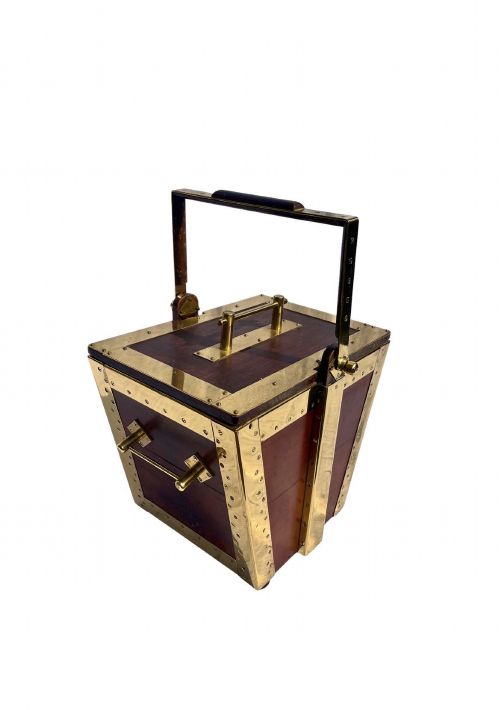
The pieces seen here span the Victorian, Edwardian and Arts and Crafts periods, taking forms such as coal boxes, log bins and coal scuttles. Oak and walnut examples sit alongside beaten copper and bright brass vessels, reflecting the shift from utilitarian utility to decorative hearth furniture.
Many items double as plant pots or general storage containers today, having lost their original fuel shovels and interior linings over the decades. They range from simple country oak bins to elaborate Art Nouveau and Arts and Crafts receptacles bearing hand-beaten metalwork.
How they were made
Metal vessels rely on sheet brass and copper, joined with rivets and supported by iron frames or finished with applied copper bands. Blacksmiths shaped iron into sturdy wagons and trolleys, while coopers constructed wooden buckets using traditional stave and hoop techniques.
Wooden boxes utilise oak and walnut, frequently incorporating hinged lids and drop handles of cast brass. Embossed decoration, spade motifs and surface planishing give the metal panels texture and rigidity.
Listings feature wood and metal materials, spanning Victorian, Edwardian and Art Deco periods across various hearth accessories.
What varies in quality
Quality rests on the weight of the metal gauge and the integrity of the timber joints, distinguishing heavy hand-beaten vessels from thin stamped metal. Thick brass and deep copper retain their structural rigidity against the knocks of heavy logs and coal blocks.
The finesse of the decorative details separates standard utility items from finer workshop pieces. Crisp embossing, solid brass fittings and robust iron frames indicate careful construction designed to endure daily fireside service.
The Fireside Storage Container Glossary
- Coal Scuttle
- A bucket or scuttle designed for carrying coal to the fire, often featuring a pivoted handle and a tipped lip for pouring. Many examples include a matching shovel stored in a side sleeve.
- Purdonium
- A specific type of lidded wooden coal box featuring an interior metal liner and a sloping front door that drops forward. They frequently incorporate a small shovel kept in a dedicated compartment.
- Coopered
- A method of construction where tapered wooden staves are bound together with metal hoops, identical to the way barrels and traditional fire buckets are made.
- Planishing
- A metalsmithing technique involving systematic hammer blows to smooth and shape sheet copper or brass while hardening the metal and creating a faceted surface texture.
Fireside Storage Container: Frequently Asked Questions
What is a Purdonium coal box?
A Purdonium is a dedicated wooden coal box with a sloping drop-front door and a removable metal interior liner. This design keeps coal dust contained while offering easy access for a small shovel.
Most examples date from the late Victorian and Edwardian eras, combining cabinet-making standards with practical hearth utility.
How do I clean antique brass and copper?
Antique metal vessels accumulate decades of soot, ash and oxidation that form a dark patina. Most collectors prefer to leave this aged surface untouched rather than polishing the metal to a bright shine.
If cleaning is necessary, use a mild non-abrasive cleaner to remove loose grime without stripping the historic character of the surface.
Can these containers hold logs safely?
These containers were originally built to hold coal, peat or wood logs beside active fireplaces. Metal bins and copper buckets handle rough timber easily, though wooden boxes benefit from a protective inner lining.
Checking the condition of the base and interior ensures the vessel can support heavy firewood without leaking debris.
How do I date a fireside container?
Dating relies on combining the material, style markers and construction methods evident in the piece. Victorian examples often feature heavy embossed brass, while Arts and Crafts pieces show hand-beaten copper and planished surfaces.
Edwardian and later twentieth-century items introduce simplified forms, iron frames and distinct Art Nouveau motifs.