




Edwardian Coal Purdonium
An edwardian coal purdonium offers a practical fireside storage solution, combining period craftsmanship with enclosed fuel management beside the hearth.
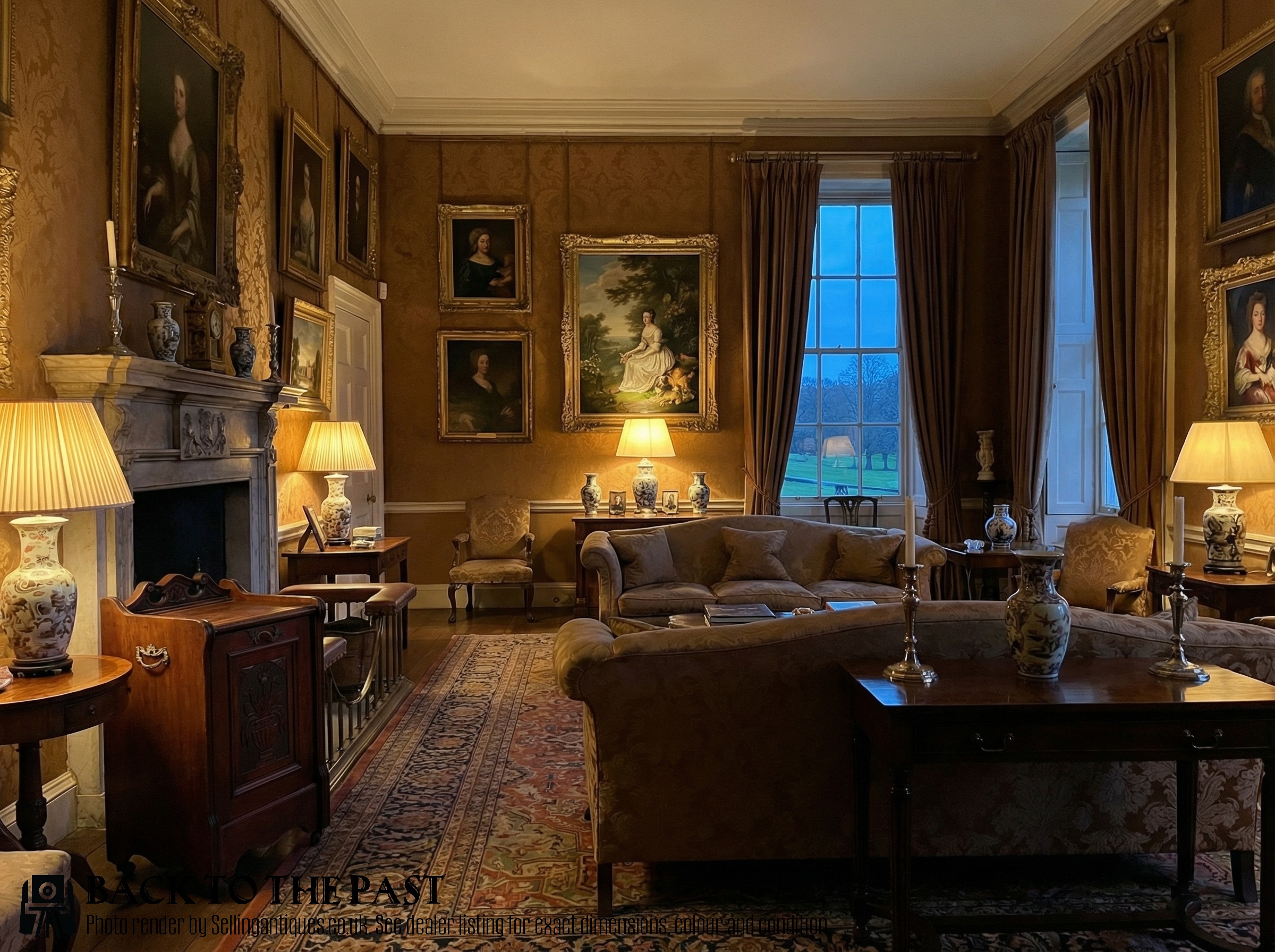
Edwardian Coal Purdonium
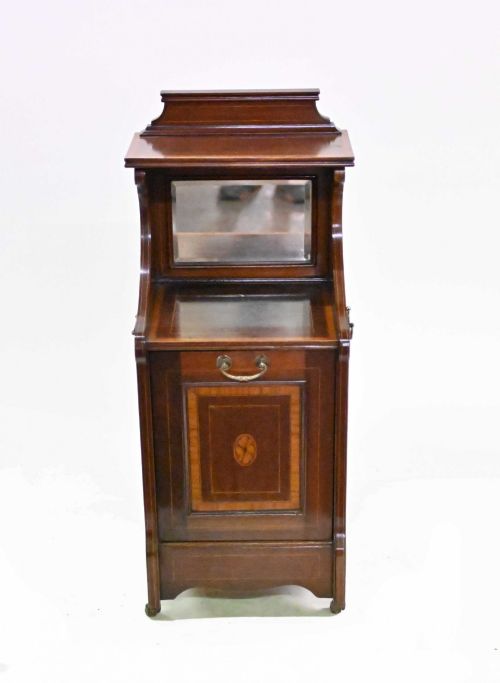
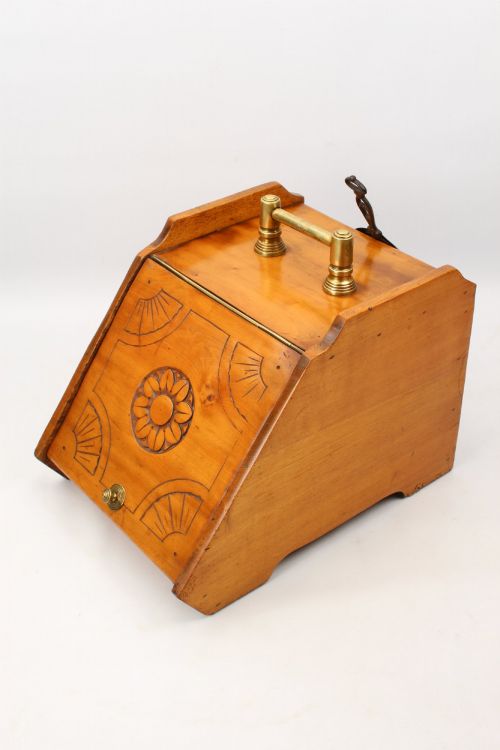
The search phrase edwardian coal purdonium describes a specialised fireside cabinet designed to hold coal near a fireplace during the late nineteenth and early twentieth centuries. These pieces function primarily as domestic fuel containers, keeping domestic hearths supplied while concealing coal dust within a structured cabinet or scuttle.
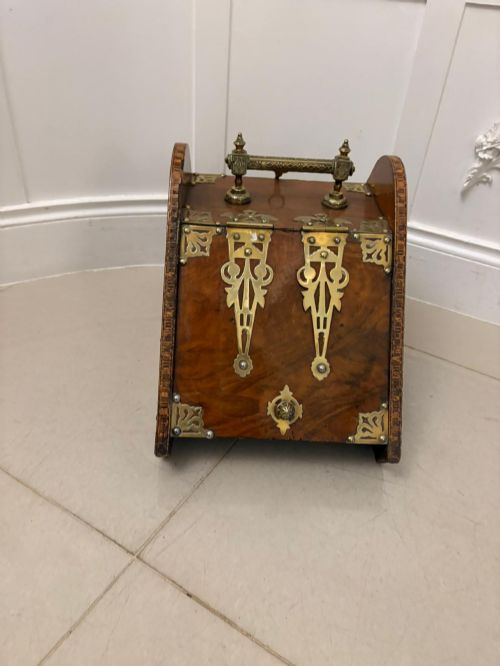
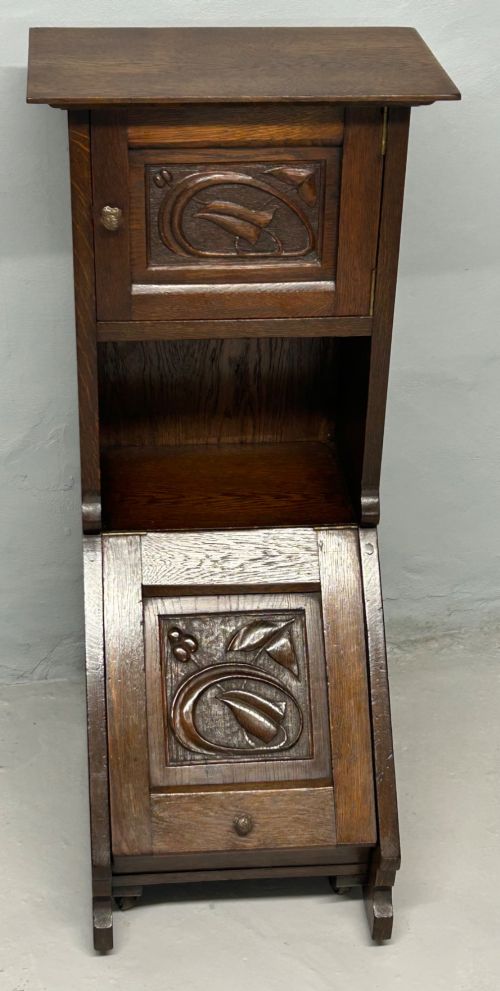
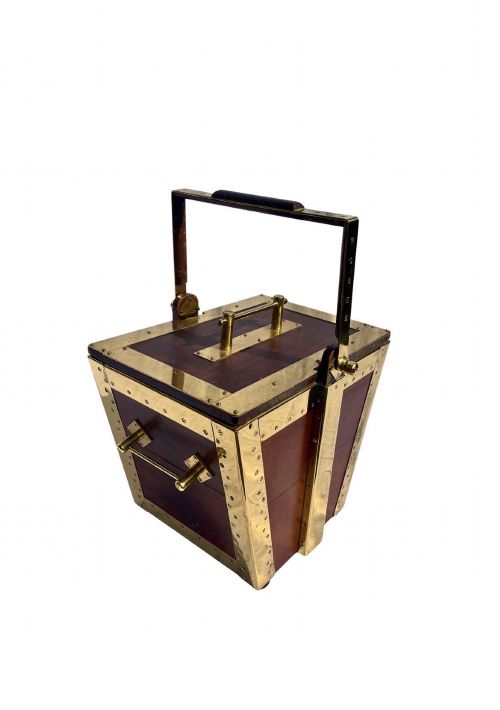
Examples on this page frequently appear in oak, mahogany, and walnut timbers, often featuring drop-down front panels or tilting boxes intended for easy scooping. Many incorporate brass handles, hinges, and matching shovels alongside internal metal liners to protect the wood from damp fuel.
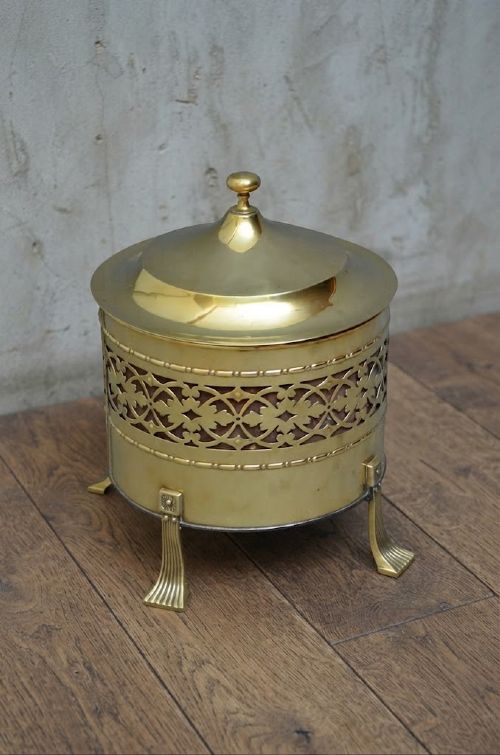
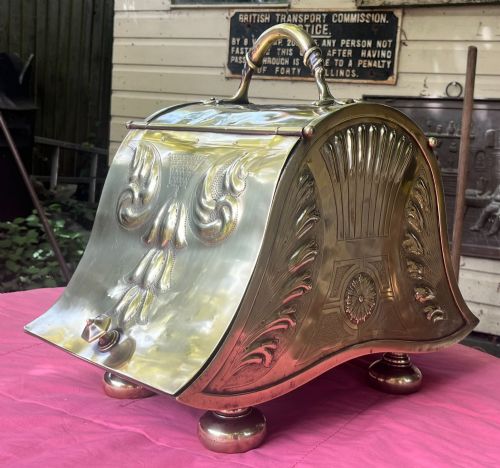
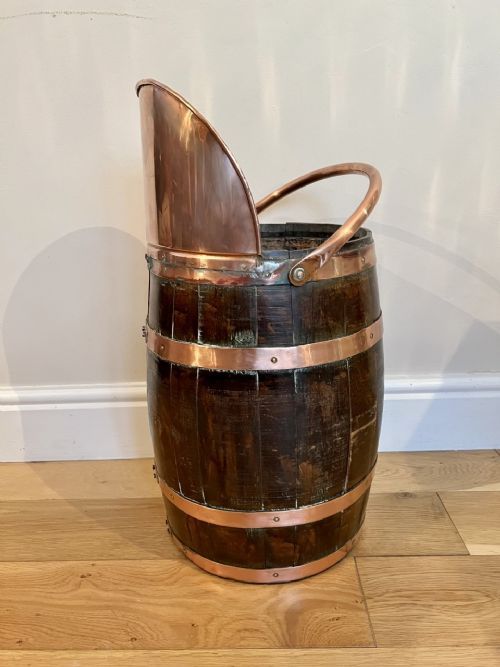
While formally termed purdoniums or coal boxes, these items cross over with open copper and brass buckets, log bins, and fireside cabinets. The typical survivor balances utilitarian storage with decorative cabinet work suited to period drawing rooms.

Materials and Construction
Makers constructed these cabinets using dense hardwoods such as oak, mahogany, walnut, and rosewood, frequently applying marquetry inlay, veneer, or carved details to the exterior surfaces. Metal components rely heavily on beaten copper, cast brass, and iron to form handles, hinges, and decorative mounts.
Internal construction relies on removable metal liners and specific tilting mechanisms or drop-front doors that support the weight of stored fuel. Decorative variants incorporate hammered brass panels influenced by the Arts and Crafts movement or flowing organic motifs characteristic of Art Nouveau design.
Edwardian Coal Purdonium Retail Price Guide 2026
Typical asking prices for edwardian coal purdonium among the pieces listed under this phrase on Sellingantiques today, from the lower quarter to the upper quarter. They describe what is for sale here now, not the wider market.
Edwardian households trusted these clever cabinets to hide dirty coal behind polite floral marquetry.
Factors Determining Quality
Quality rests upon the selection of cabinet timbers, the crispness of hand-carved ornamentation, and the precision of marquetry inlay work. Finer examples display solid timber carcasses, substantial brass mounts, and original internal metal liners rather than later replacements.
Structural integrity depends on the smooth operation of drop-front hinges and tilting box mechanisms, which endure regular weight stress. Finer craftsmanship shows in well-fitted joints, intact decorative metalwork, and the inclusion of matching accessories like shovels.
Edwards and Roberts
The Edwardian Coal Purdonium Glossary
- Purdonium
- A specialised coal cabinet featuring a sloping front or tilting box designed for domestic firesides. This form emerged during the Victorian period and remained popular through the Edwardian era.
- Marquetry Inlay
- Decorative wood veneer work forming pictorial or geometric patterns on cabinet surfaces. Craftsmen utilised contrasting timbers like rosewood and mahogany to achieve tonal variation.
- Arts and Crafts
- A design movement emphasising handcraftsmanship, simple forms, and honest materials. Pieces from this aesthetic often display hammered copper surfaces and minimal applied ornament.
- Art Nouveau
- A style defined by flowing, organic lines and stylized plant motifs. Metal panels on coal boxes frequently adopted these sinuous decorative patterns.
- Fireside Companion
- An accessory associated with hearth management, including items like coal scuttles, shovels, and fenders. These pieces coordinated visually with the main fuel container.
Edwardian Coal Purdonium: Frequently Asked Questions
What is a coal purdonium?
A coal purdonium is an enclosed fireside cabinet designed to store and dispense coal for domestic hearths. These pieces emerged to keep fuel close to the fireplace while containing dust and maintaining a tidy appearance in period rooms.
Most versions feature a hinged or tilting front compartment that tips forward for easy access with a shovel. Internal metal liners protect the wooden structure from moisture and residue.
How were they used originally?
Servants or homeowners filled the internal metal liner with coal in the scullery before bringing the cabinet into the reception room or parlour. The enclosed design kept fuel neatly out of sight when not actively feeding the fire.
Matching shovels were often stored in side brackets or within the cabinet itself. This allowed residents to replenish the hearth grate cleanly without scattering debris across the carpet.
How do I distinguish Edwardian from Victorian examples?
Victorian examples tend toward heavier proportions, darker walnut or rosewood timbers, and more exuberant carved or ormolu-mounted ornamentation. Rococo revival and heavy classical influences dominate these earlier pieces.
Edwardian versions frequently exhibit lighter mahogany or oak construction, cleaner lines, and occasional Arts and Crafts or Art Nouveau metal panels. Inlaid satinwood details also point toward the lighter aesthetic preferences of the early twentieth century.
Can I still use these for modern firesides?
These cabinets adapt well to contemporary living spaces as storage containers for logs, kindling, or general fireside accessories. Their enclosed forms conceal modern fire materials while adding period character to a hearth.
When utilising antique examples with original metal liners, ensure the interior remains dry to preserve the surrounding wood. Many owners simply repurpose the internal space to hold rolled blankets or magazines.