


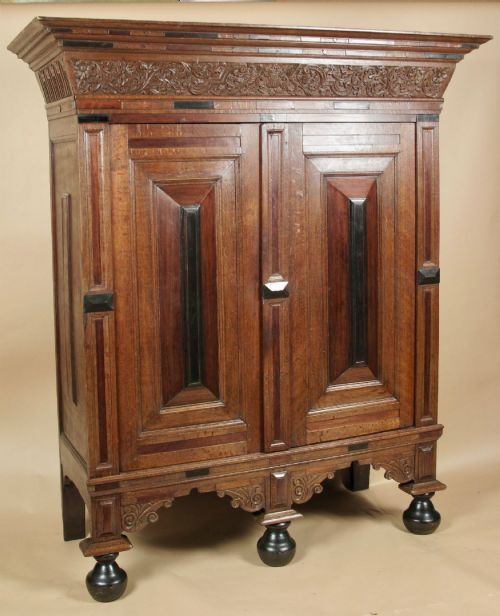
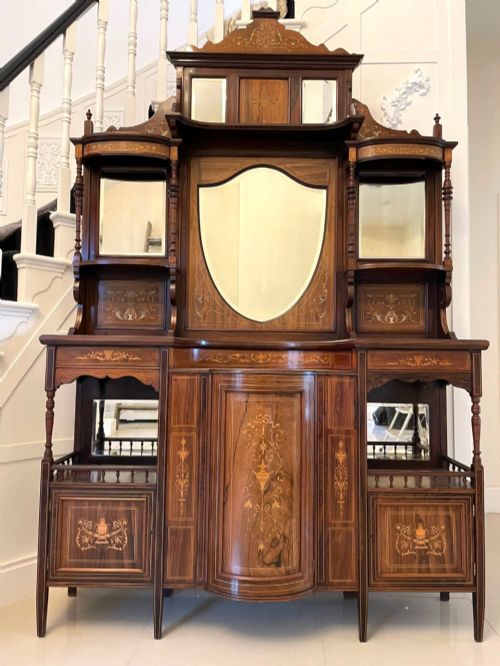
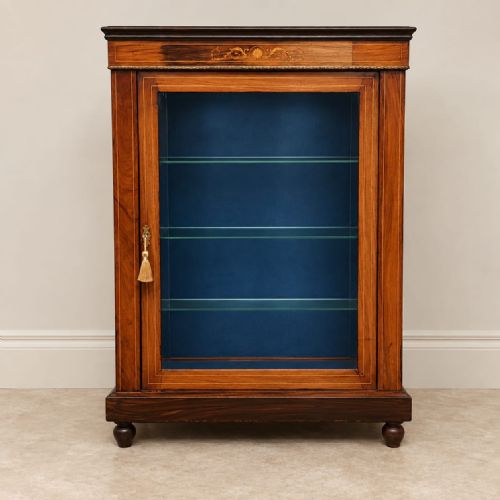
Inlaid Rosewood Cabinet
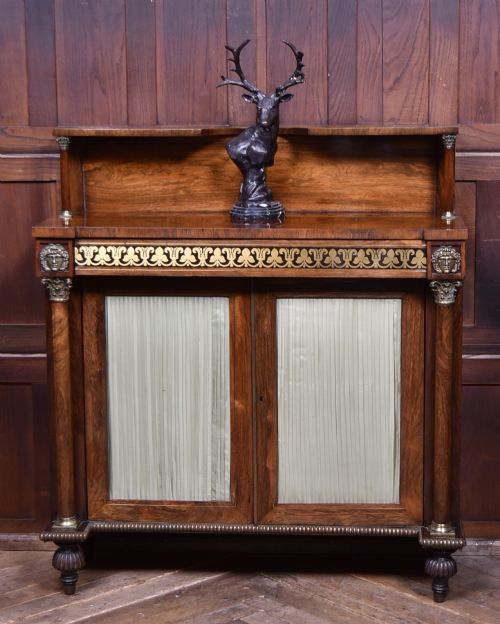
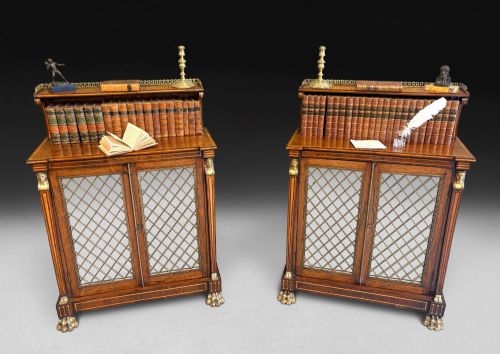
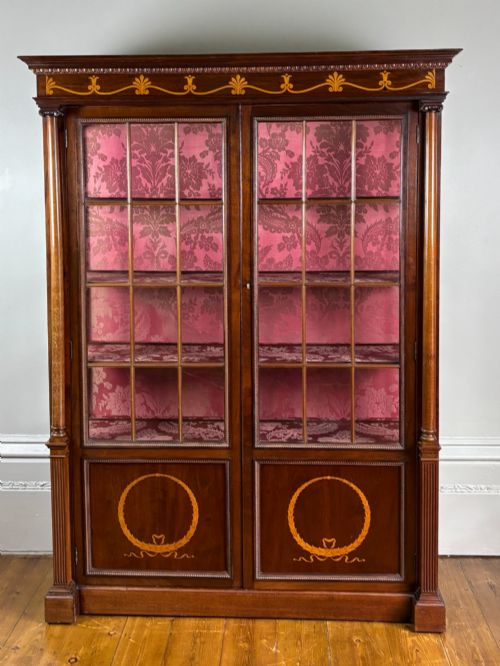
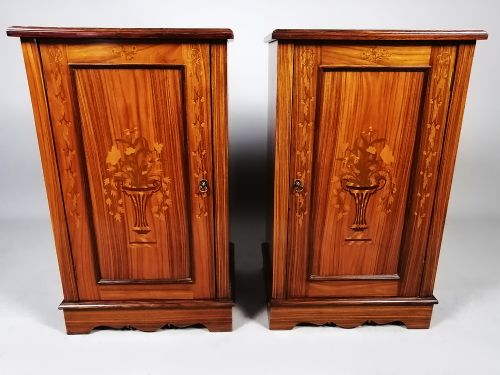
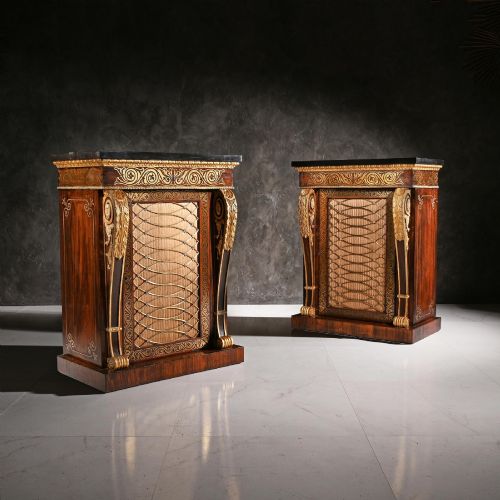
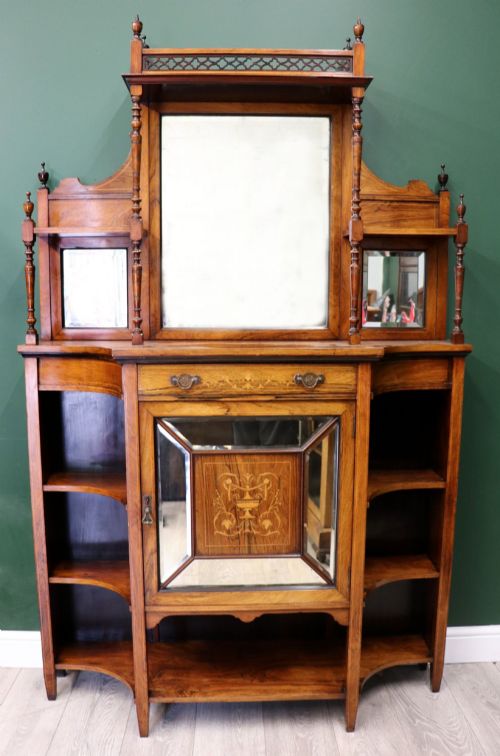
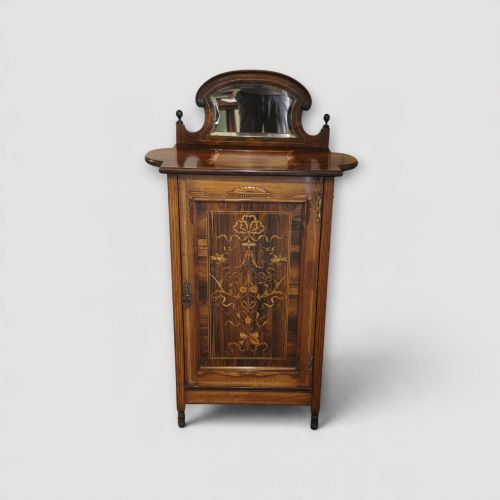
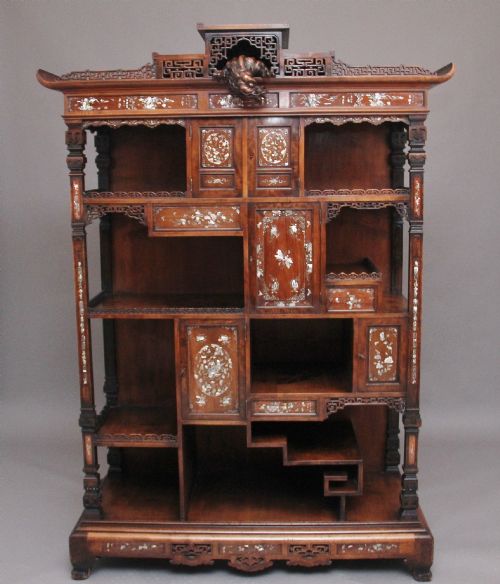
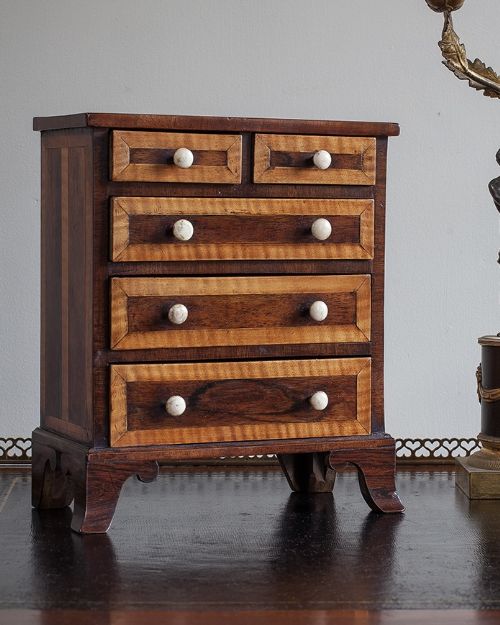
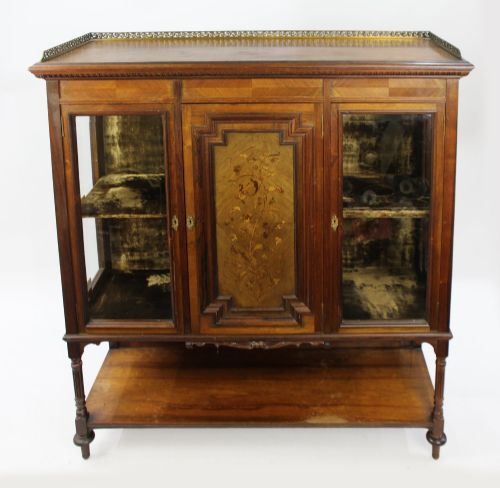
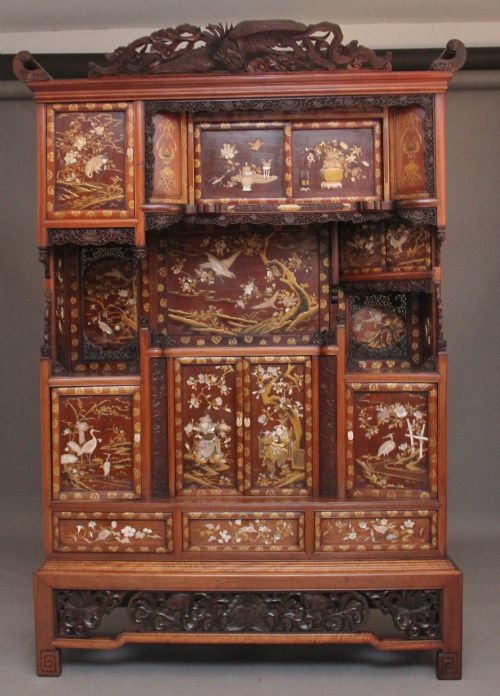
An inlaid rosewood cabinet brings deep, dark grain and delicate contrasting wood or brass work into a room.
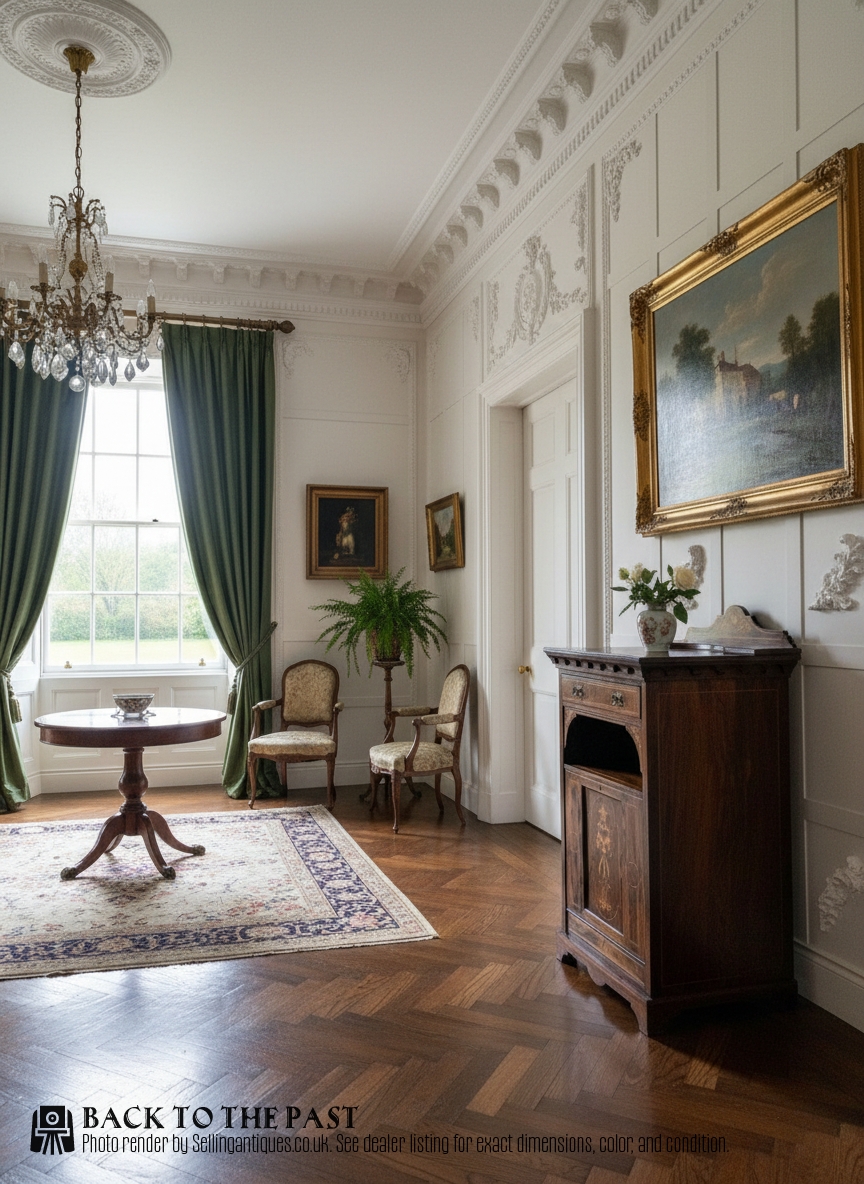
Inlaid Rosewood Cabinet
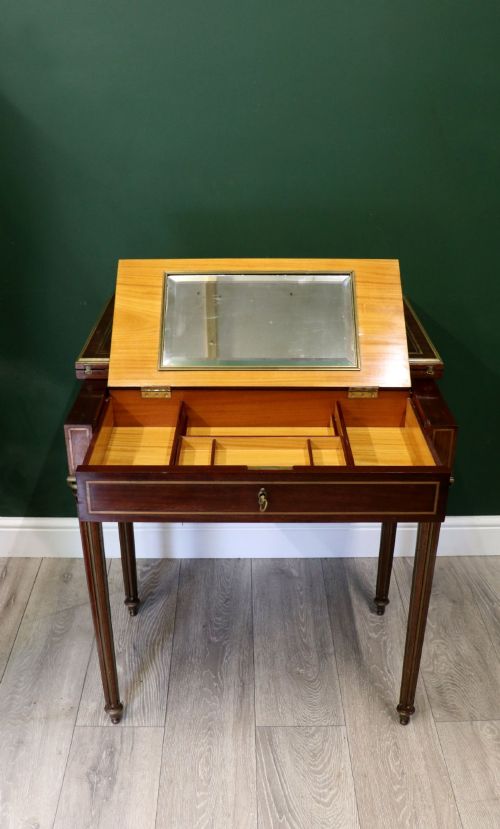
An inlaid rosewood cabinet spans several functional forms, from tall display cases and low side cabinets to compact bedside cupboards and writing desks. The search phrase covers pieces designed to showcase collections, store books, or provide surface utility in reception rooms and bedrooms.
The most common examples encountered on this page date from the Victorian and late Victorian periods, alongside Regency and Edwardian variants. These pieces frequently incorporate marquetry or brass stringing set into dense tropical hardwood timber.
Originating largely from British workshops, continental makers, and occasionally French ateliers, these cabinets reflect shifting domestic tastes across the nineteenth and early twentieth centuries.

Materials and construction
Cabinet makers utilised dense, rich rosewood as the primary timber, often selecting veneers for flat surfaces and solid stock for structural framing. Contrasting timbers such as satinwood, ebony, and walnut provided the palette for intricate floral and geometric marquetry.
Metal accents played a structural and decorative role, with brass inlaid lines tracing panel borders and ormolu mounts framing corners and door edges. Glass panels appeared in doors designed for display cabinets, while mother-of-pearl details decorated smaller specialised chests and writing boxes.
Inlaid Rosewood Cabinet Retail Price Guide 2026
Typical asking prices for inlaid rosewood cabinet among the pieces listed under this phrase on Sellingantiques today, from the lower quarter to the upper quarter. They describe what is for sale here now, not the wider market.
Some delicate 19th-century cabinets hide tiny secret drawers inside stationery compartments, designed for storing quiet personal correspondence.
Evaluating craftsmanship and execution
Quality rests primarily in the precision of the inlay work and the selection of the rosewood veneers. Finer pieces demonstrate tight, seamless joins where brass stringing or contrasting wood veneers meet the dark background timber without visible gaps.
The sophistication of the internal secondary timbers, drawer linings, and original hardware distinguishes standard production from exceptional workshop output. Makers employing heavier floral marquetry or fire-gilt ormolu mounts generally produced items intended for high-status drawing rooms.
Maple & Co·Collinson & Lock·Louis Constantin Le Gaigneur·Maison Krieger
The Inlaid Rosewood Cabinet Glossary
- Marquetry
- The art of creating decorative pictures or patterns on furniture by arranging small pieces of veneer. Craftsmen cut various coloured woods to fit precisely into a design matrix.
- Ormolu
- Gilded bronze used for decorative furniture mounts and feet. The technique involves applying a gold amalgam to cast bronze before heating.
- Pier cabinet
- A low or tall display cabinet designed specifically to fit the wall space between windows. These pieces often feature glass doors to protect delicate collections.
- Chiffonier
- A low sideboard or cabinet with doors, developed during the Regency period. They frequently incorporate shelved upper superstructures or brass galleries.
- Stringing
- Thin lines of contrasting wood or brass inlaid into grooves cut into the surface of furniture. This technique frames panels and highlights structural edges.
Inlaid Rosewood Cabinet: Frequently Asked Questions
How do I date a rosewood cabinet?
Dating relies on combining the architectural style, the cabinet's hardware, and the specific type of inlay work present. Regency examples often feature bold brass inlay and simpler architectural lines, while Victorian pieces lean toward elaborate floral marquetry.
Secondary woods inside drawers and the backing boards also offer clues to the period of manufacture. Earlier pieces from the Georgian and Regency eras utilise hand-cut fixings and distinct timber framing methods compared to later Victorian production.
Where should I place a side cabinet?
These cabinets suit living rooms, hallways, and studies where their dark timber and detailed inlay can anchor a room's decorative scheme. Low credenzas and side cabinets provide surface space for lamps or decorative objects while offering enclosed storage.
Tall display cabinets and pier cabinets work best against solid wall spaces away from direct sunlight. Protecting rosewood from continuous strong light prevents the deep reddish-brown grain from fading unevenly.
What is the difference between parquetry and marquetry?
Parquetry uses wood veneers arranged in geometric patterns like cubes, chequers, or lozenges to cover a surface. It creates a structured, architectural design built on repeating shapes.
Marquetry forms pictorial or organic designs, such as flowers, scrolls, and scrolling foliage, using various tinted woods. Both techniques appear frequently on the surfaces of cabinets from the Victorian and Edwardian periods.
How do I care for antique rosewood?
Maintain antique rosewood by dusting with a dry, soft cloth and keeping the furniture away from direct heat sources and moisture. Excessive dryness can cause timber veneers to crack or lift from the carcass.
Avoid modern silicone polishes that build up a hazy film over time. Occasional application of traditional beeswax feeds the timber and preserves the natural lustre of the French polished surface.