

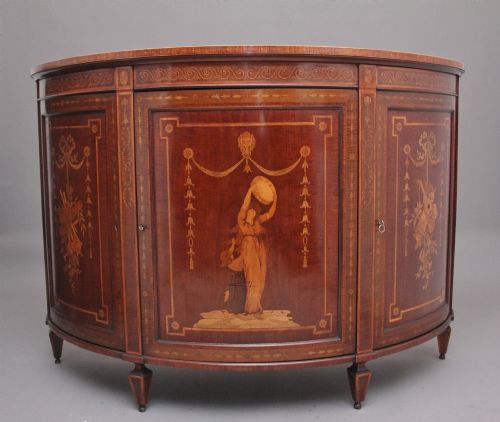
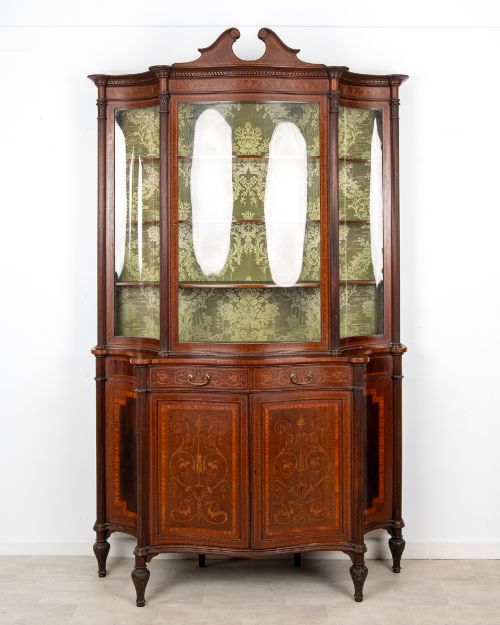

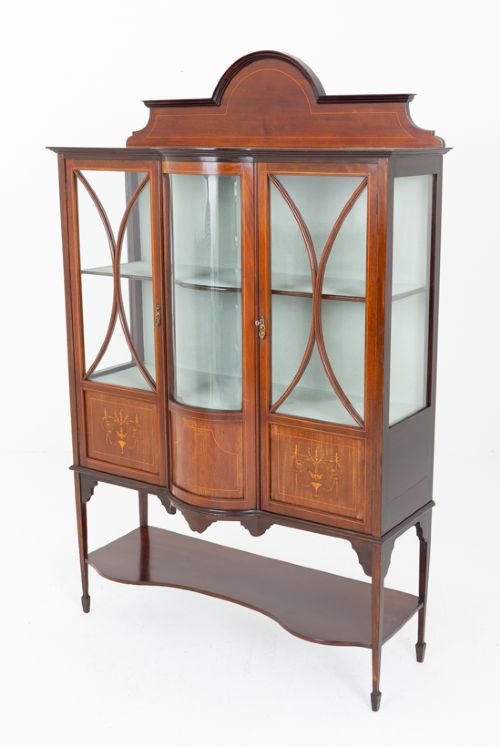
Satinwood Inlaid Cupboard
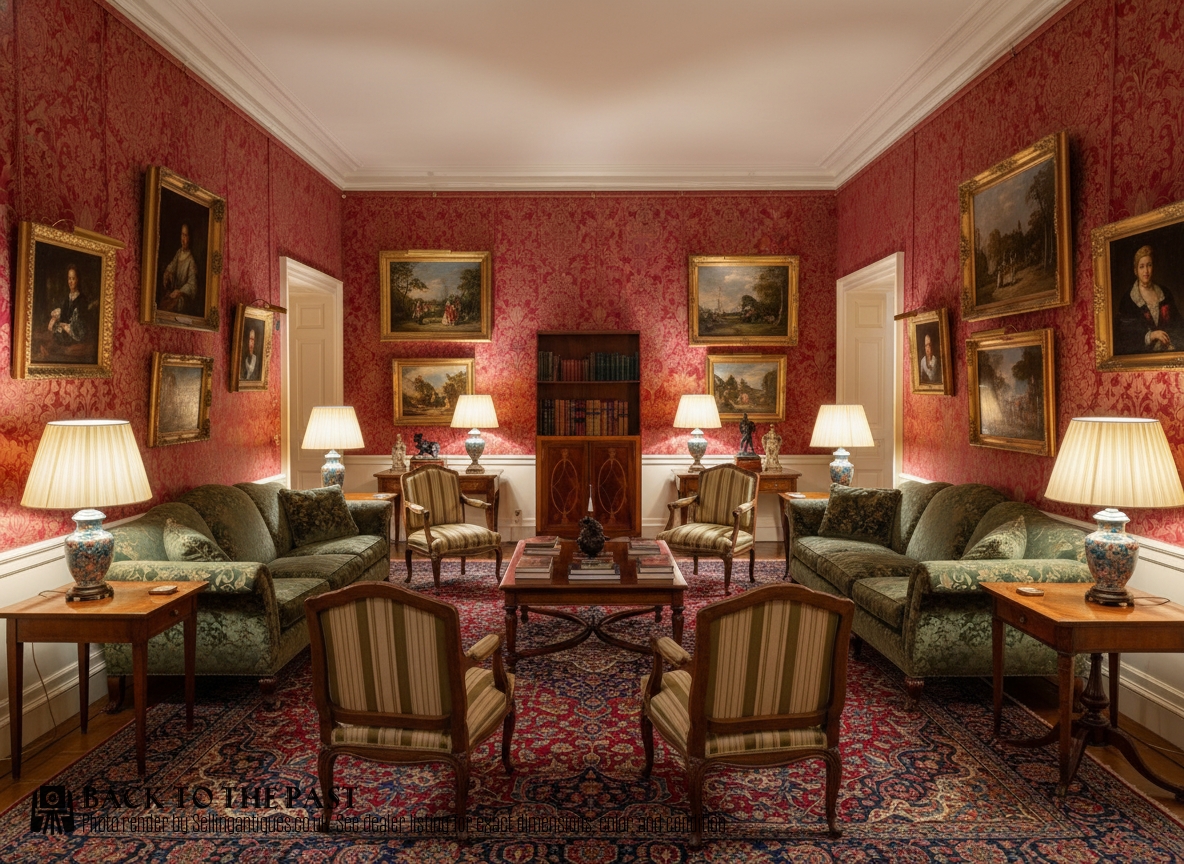
A satinwood inlaid cupboard brings warm timber tones and precise stringing into a room, offering both display space and concealed storage.
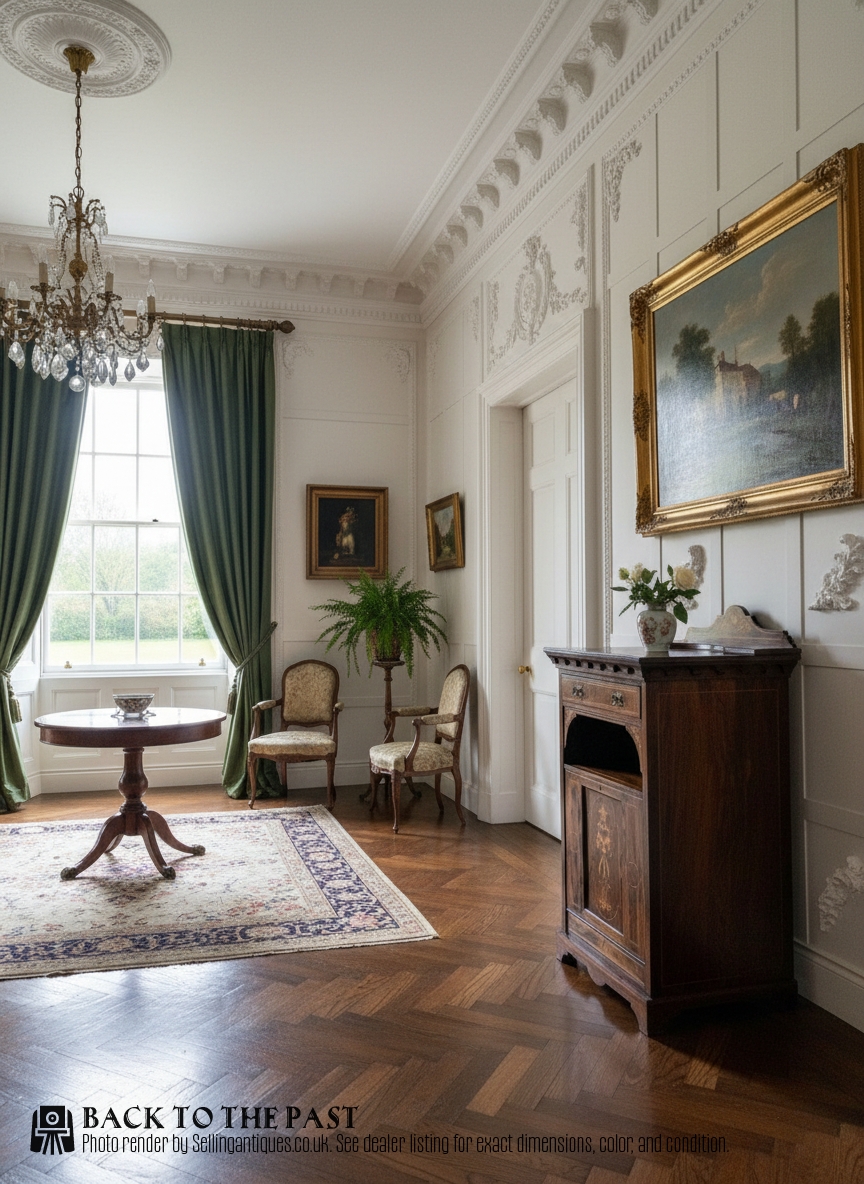
Satinwood Inlaid Cupboard
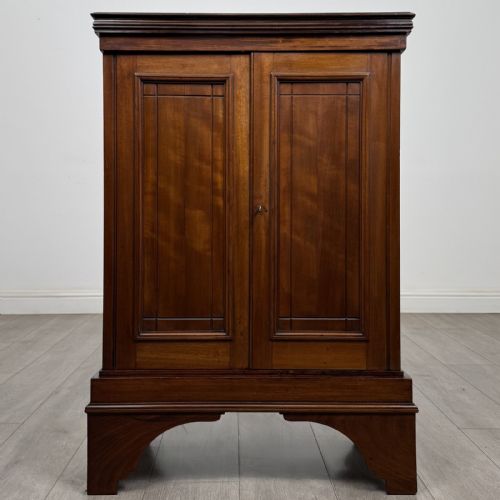
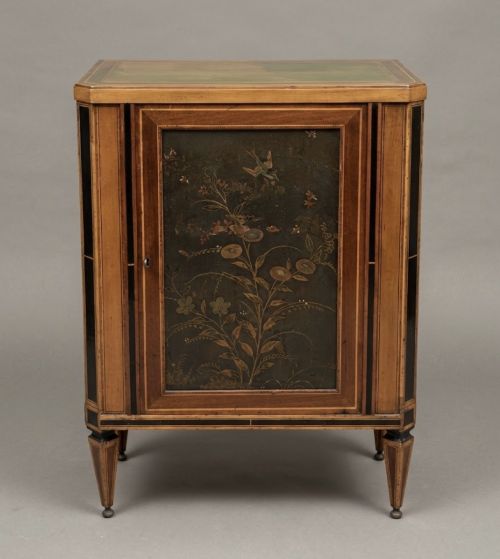
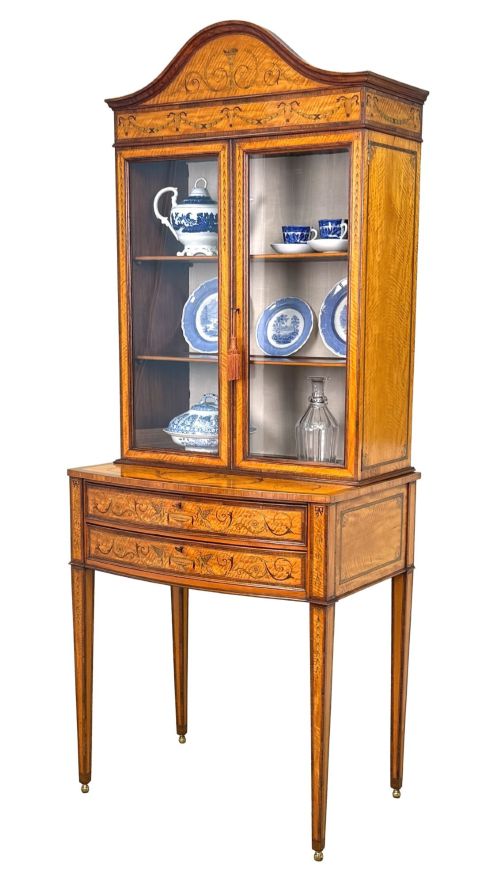
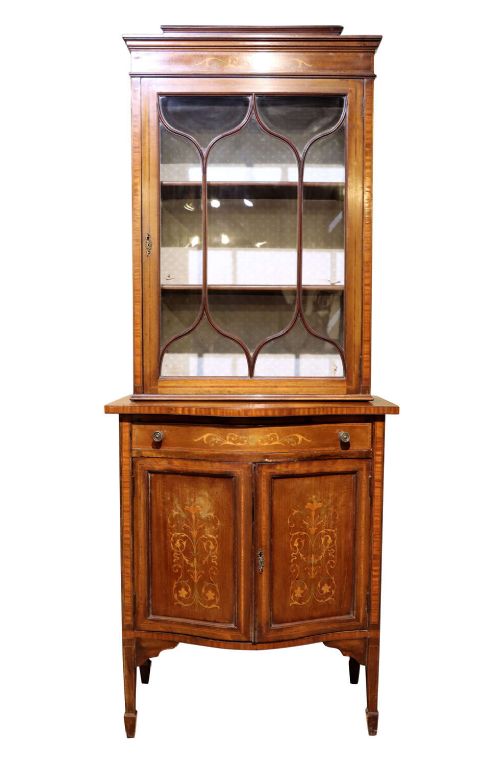
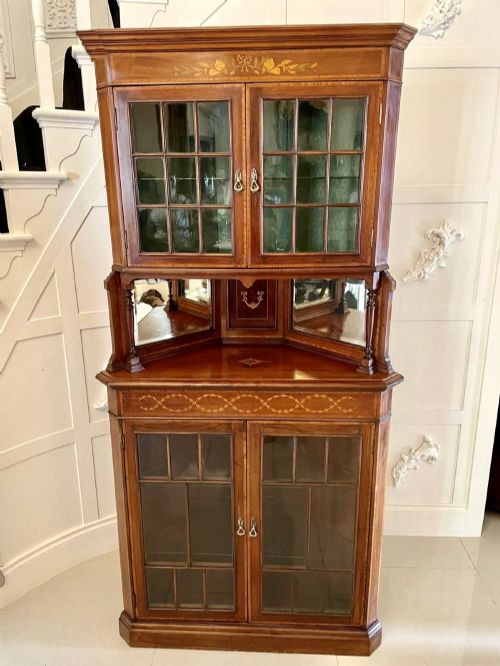
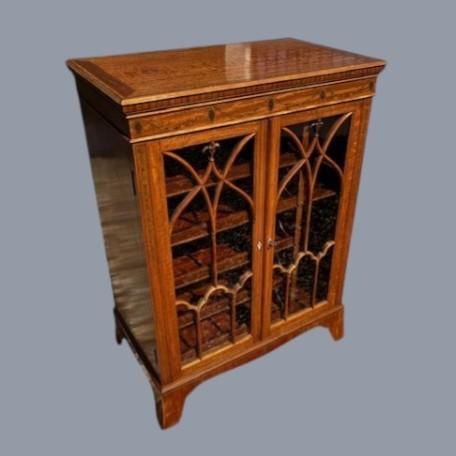
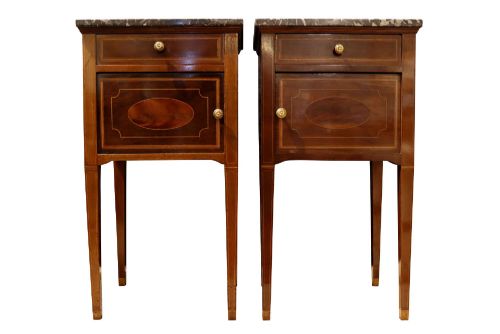
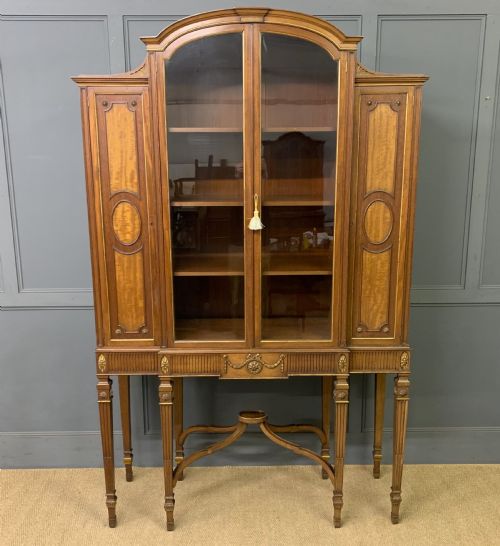
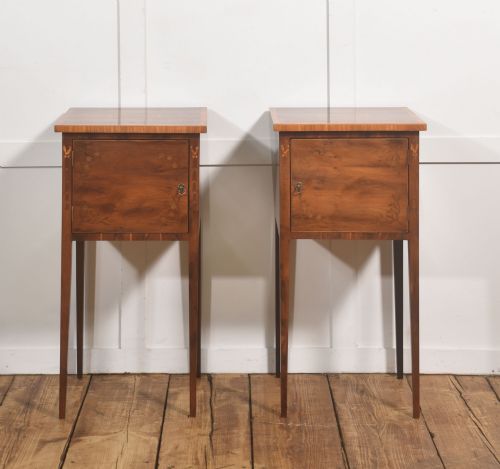
A satinwood inlaid cupboard unites functional storage with decorative cabinet work, appearing across various forms such as bedside tables, corner units, and display cabinets. Buyers seeking this phrase most frequently encounter Edwardian and Sheraton Revival pieces alongside nineteenth-century examples.
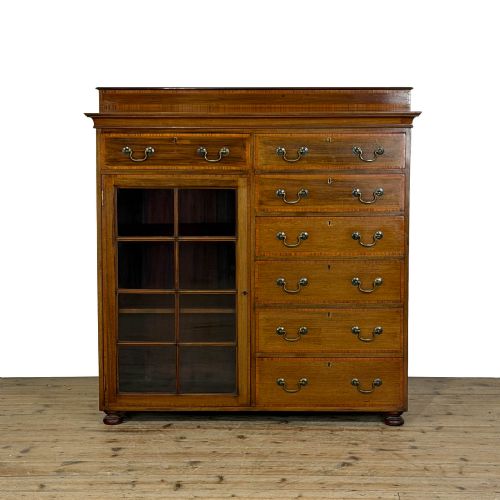
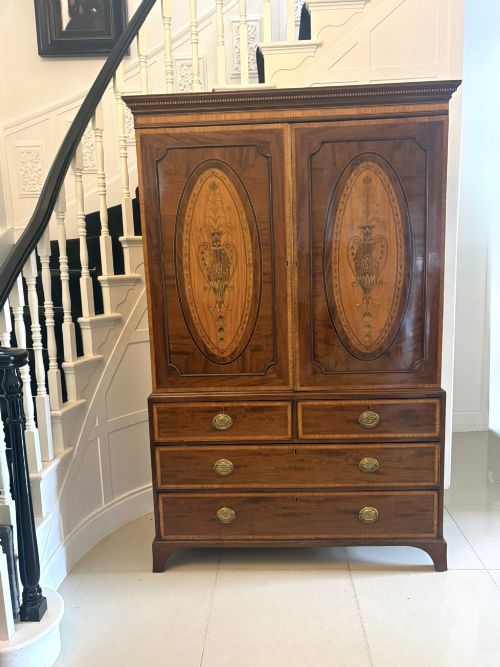
The selection ranges from compact bedside cupboards and corner cabinets to larger freestanding linen presses and glazed display cases. Woods like mahogany and rosewood often provide contrasting carcasses or crossbanding for the bright satinwood veneers.
Origins stretch from the eighteenth century into the early twentieth century, capturing distinct revivals of Georgian and Sheraton taste. Makers utilised contrasting boxwood stringing and marquetry to accentuate panel doors and cornices.
How they were made
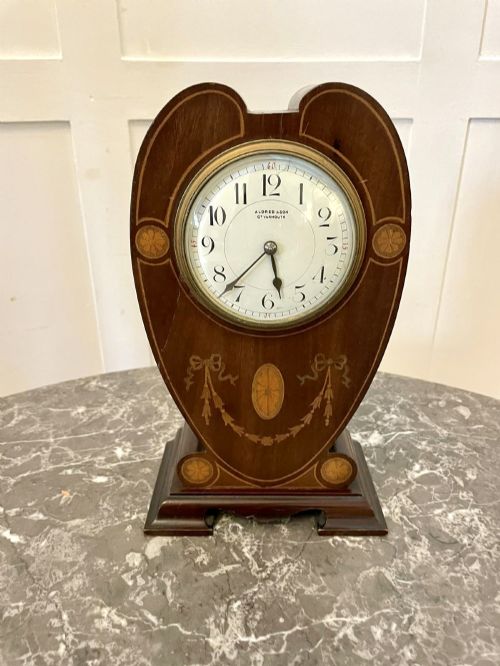
Cabinet makers constructed these pieces using dense structural timbers like mahogany and rosewood, applying fine satinwood veneers to prominent exterior surfaces. Boxwood and harewood provided the contrasting colours needed for delicate floral marquetry and geometric stringing.
Glazing bars divided glass door panels into geometric panes, whilst brass hardware secured doors and supported internal shelving. Painted details appeared on specific Edwardian satinwood pieces, supplementing the natural figuring of the timber.
Satinwood Inlaid Cupboard Retail Price Guide 2026
Typical asking prices for satinwood inlaid cupboard among the pieces listed under this phrase on Sellingantiques today, from the lower quarter to the upper quarter. They describe what is for sale here now, not the wider market.
Listings feature satinwood and mahogany pieces spanning the eighteenth to the early twentieth centuries, alongside glass, brass, and rosewood elements.
What varies in quality
The standard of a satinwood inlaid cupboard rests upon the crispness of the marquetry and the selective matching of timber grain. Superior examples display meticulous hand-cut stringing and balanced veneer layouts across every door and panel.
Construction methods distinguish standard production from premier workshop output, particularly in the thickness of the timber and the refinement of internal fittings. Retailers such as Edwards & Roberts or Maple & Co introduced a higher level of cabinet work that remains evident in surviving joints and mounts.
Edwards & Roberts·Morant & Co London·Maple & Co·Druce & Co
The Satinwood Inlaid Cupboard Glossary
- Satinwood
- A lustrous tropical timber yielding a golden-yellow hue, often used for veneers and decorative banding. Its reflective grain catches the light differently depending on the angle of view.
- Inlay
- A technique where contrasting materials are set flush into a recess on a wooden surface to form patterns. Boxwood and ebony frequently serve this purpose in linear stringing.
- Marquetry
- Elaborate veneer patterns arranged to form pictorial or decorative designs on furniture panels. Craftsmen cut various wood types together to achieve tonal shading.
- Crossbanding
- A border of veneer laid around the central panel of a door or drawer with the grain running at right angles to the field. This frames the primary timber.
- Astrigal
- A narrow moulding used to divide panes of glass within a cabinet door. These wooden bars structuralise glazed displays while maintaining visual lightness.
Satinwood Inlaid Cupboard: Frequently Asked Questions
What is a satinwood inlaid cupboard?
A satinwood inlaid cupboard is a piece of wooden furniture featuring light-coloured satinwood veneer decorated with contrasting wood inlays, designed for storage or display.
These pieces range from small bedside cabinets to large corner cupboards and display units originating mainly from the eighteenth to the early twentieth centuries.
How do I date an inlaid cupboard?
Dating relies on examining the construction methods, timber choices, and stylistic revival markers present in the piece. Edwardian and Sheraton Revival items from around 1900 display specific veneer techniques distinct from eighteenth-century originals.
Hardware, secondary woods used inside, and backing boards also offer reliable clues to the exact manufacturing era.
Where should I place a bedside cupboard?
A bedside cupboard works effectively beside a bed to provide enclosed storage and a surface for lamps or books. Their compact dimensions make them adaptable for smaller guest rooms as well as master bedrooms.
Pairing matching cabinets creates symmetry, whilst single pieces introduce character when used alongside contrasting furniture.
How do I clean satinwood furniture?
Cleaning requires a soft, dry cloth to remove dust without harming the polished veneer surface. Avoid using harsh chemical sprays or excess water which can damage the delicate stringing and inlay.
Applying a traditional beeswax occasionally helps nourish the wood and maintain its natural lustre.