33,096  PAGES BROWSED TODAY PAGES TODAY • 80 ANTIQUES UPLOADED TODAYNEW ARRIVALS
GIFTSNEW
80 ITEMS ADDED TODAY
Sort Order
Items Per Page
Browse Categories
Sort order
Relevant Links
Items per page
ID #SA1238493
FOR SALE
£1,695
Email Phone Buy
Save
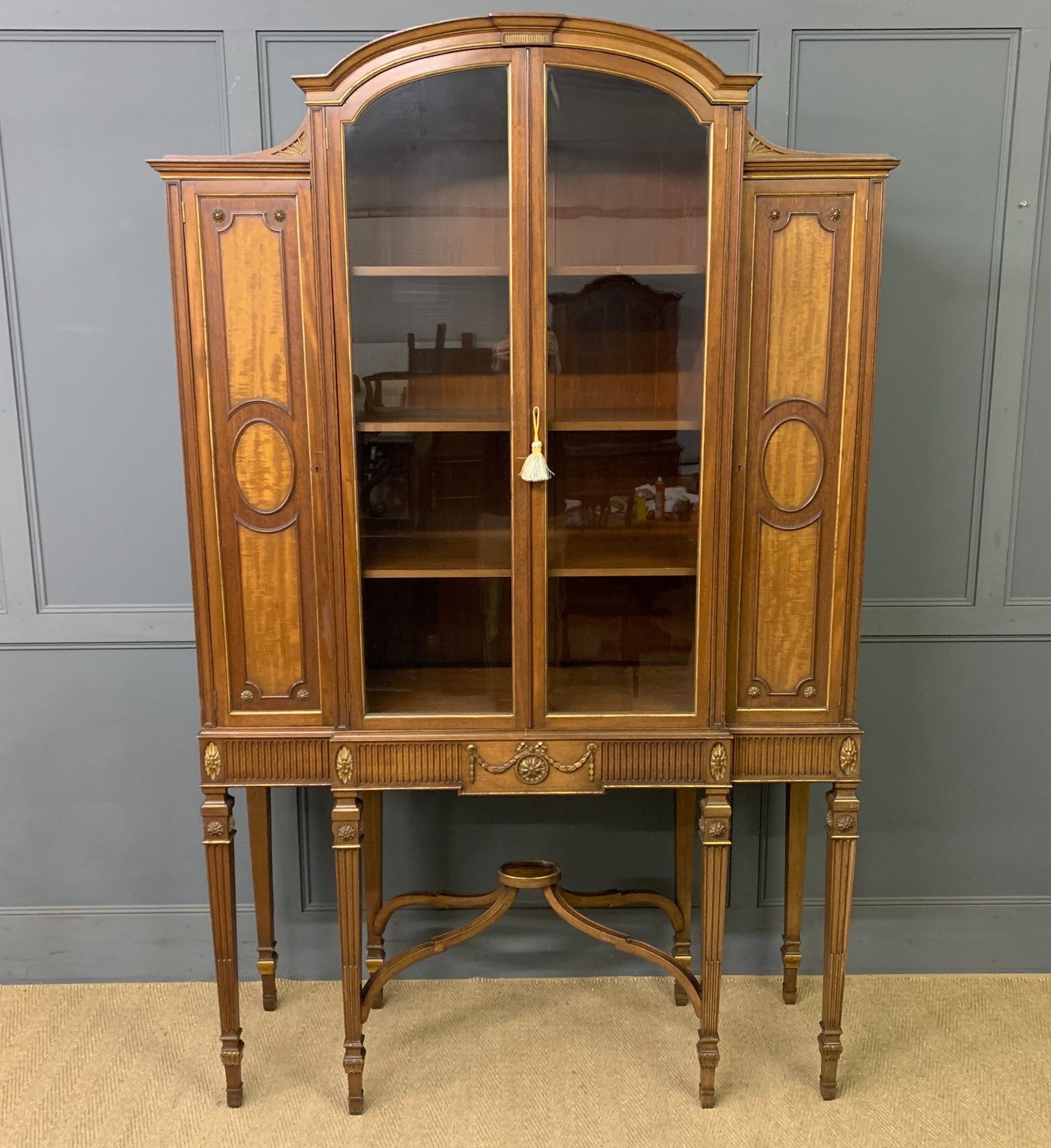
Waring and Gillow Neo Classical Display Cabinet
For sale by Camden Antiques
for sale €1,983     $2,153
£1,695
Camden Antiques

Camden Antiques

Sellingantiques Verified Since Jun 2012
Browse dealers 169 items
Id #SA1238493
PDF SHARE
SAVE

Waring and Gillow Neo Classical Display Cabinet

1900 - 1920
For Sale by Camden Antiques
Description

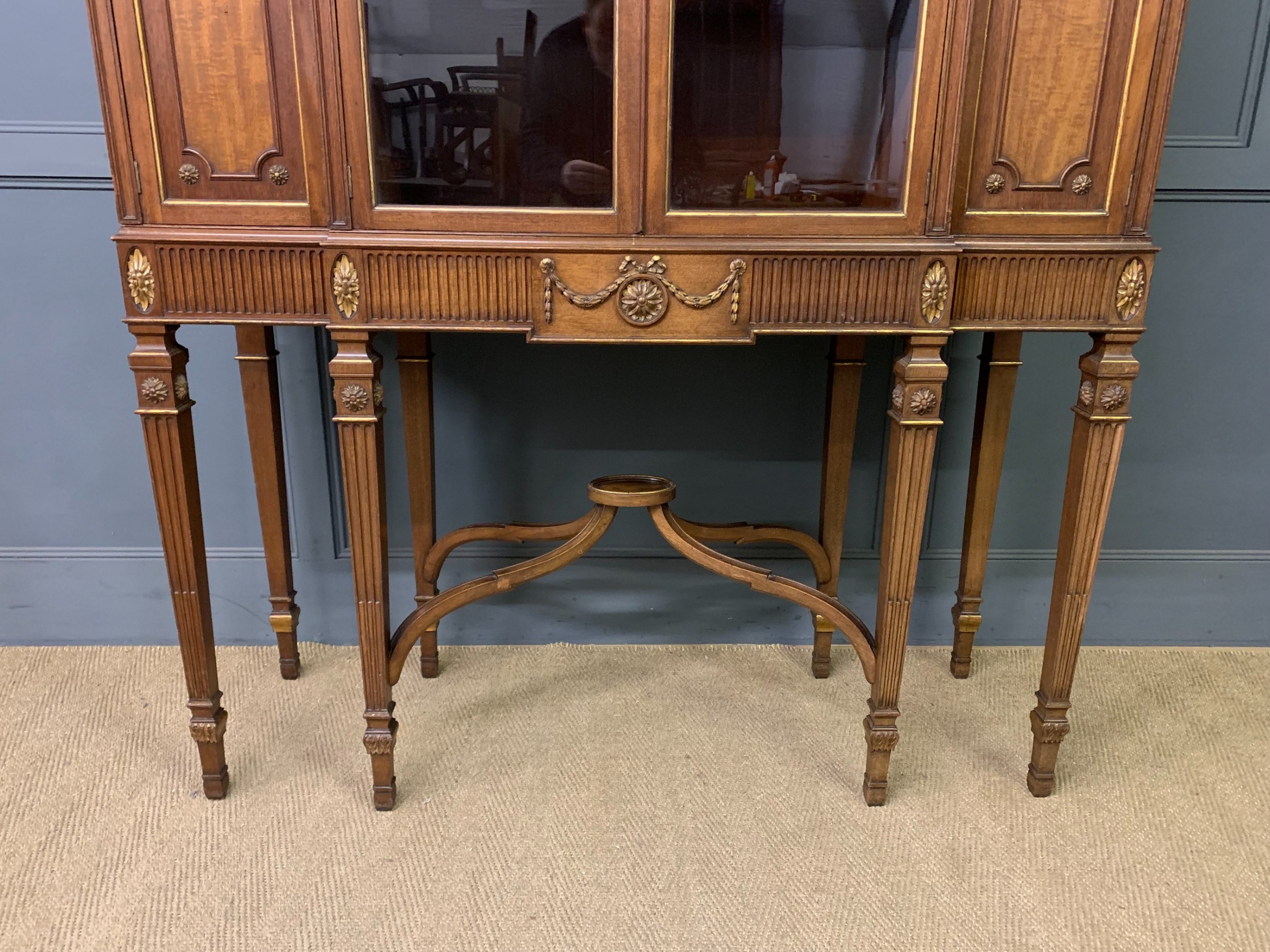
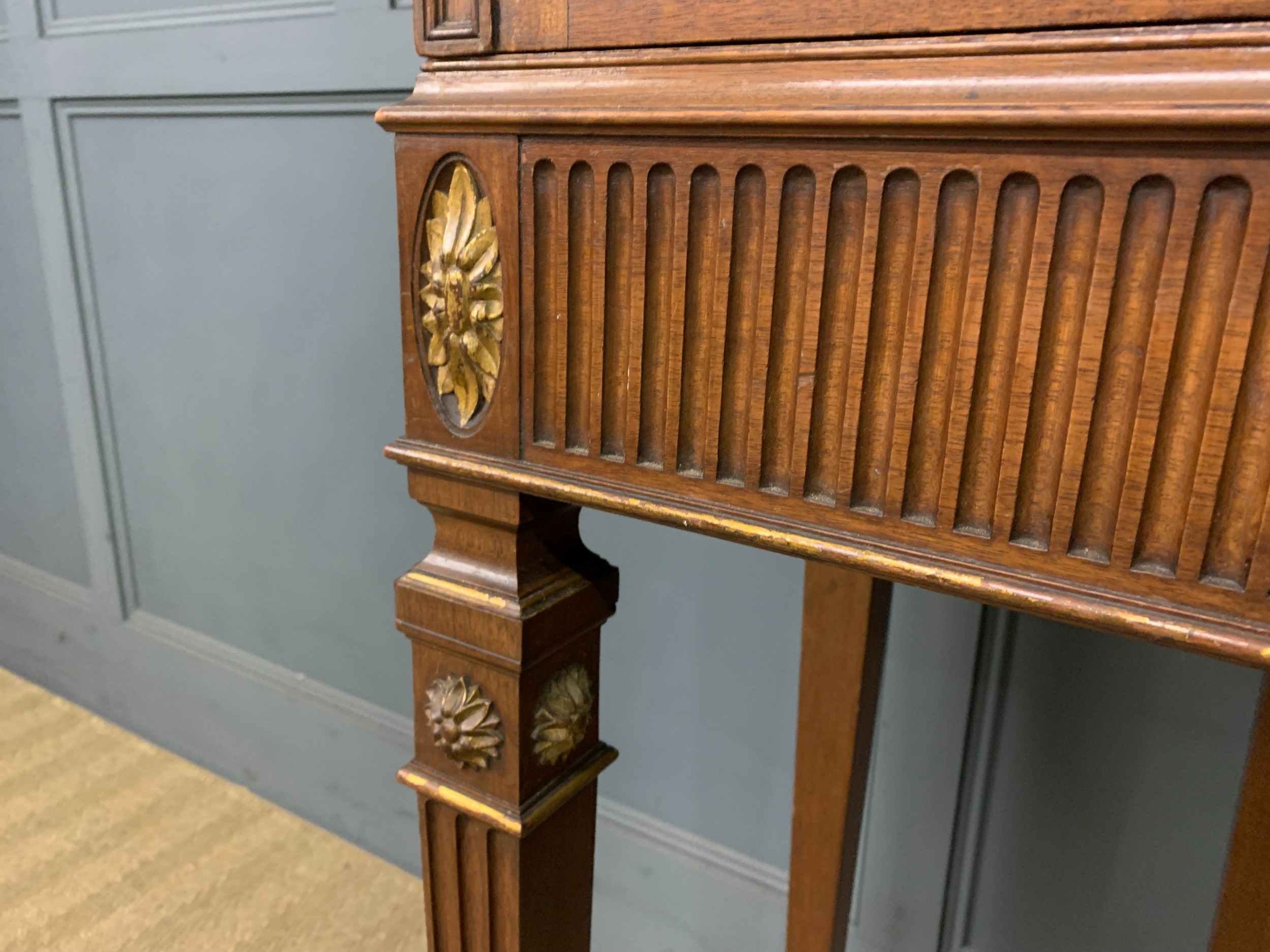
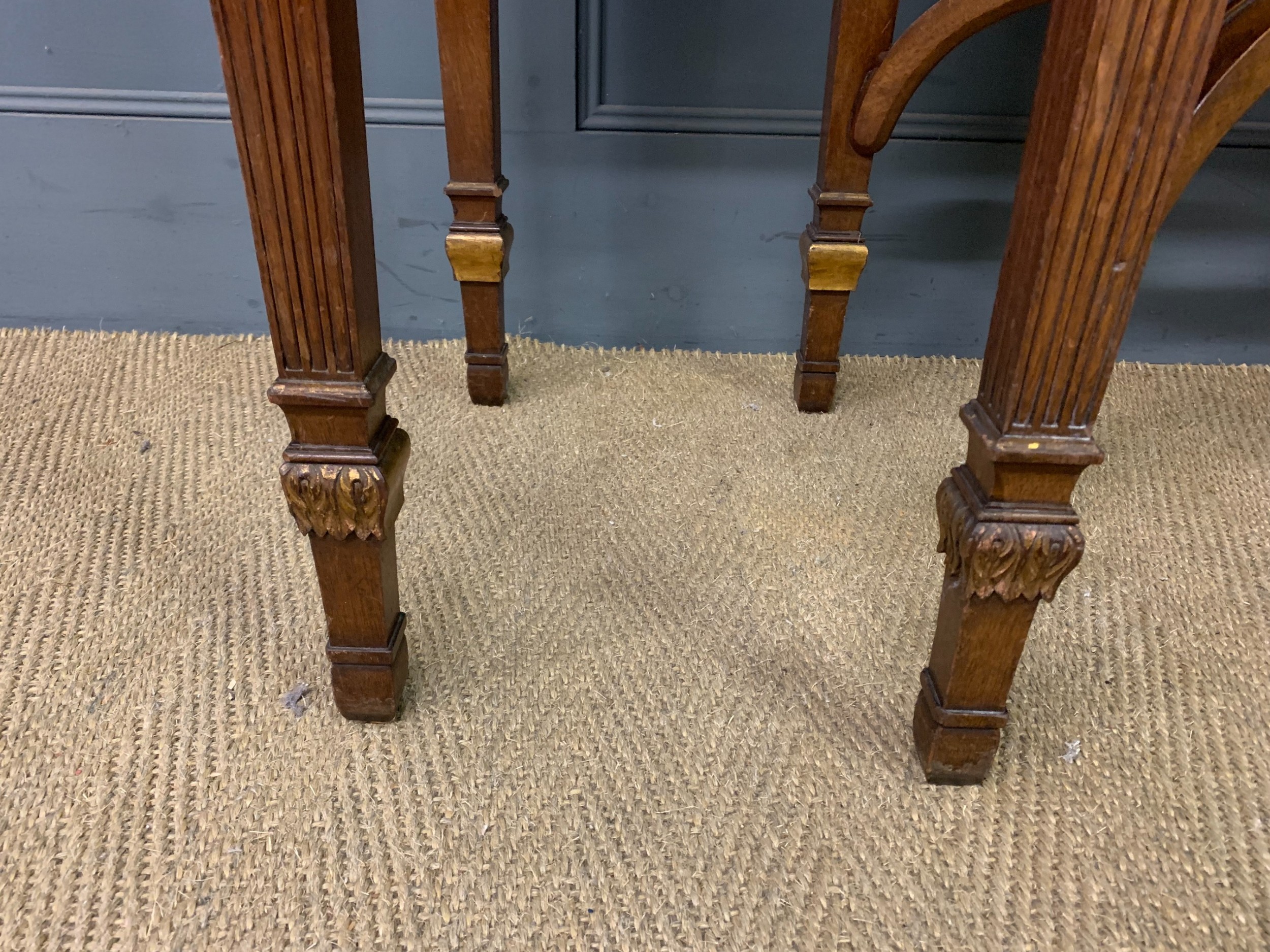
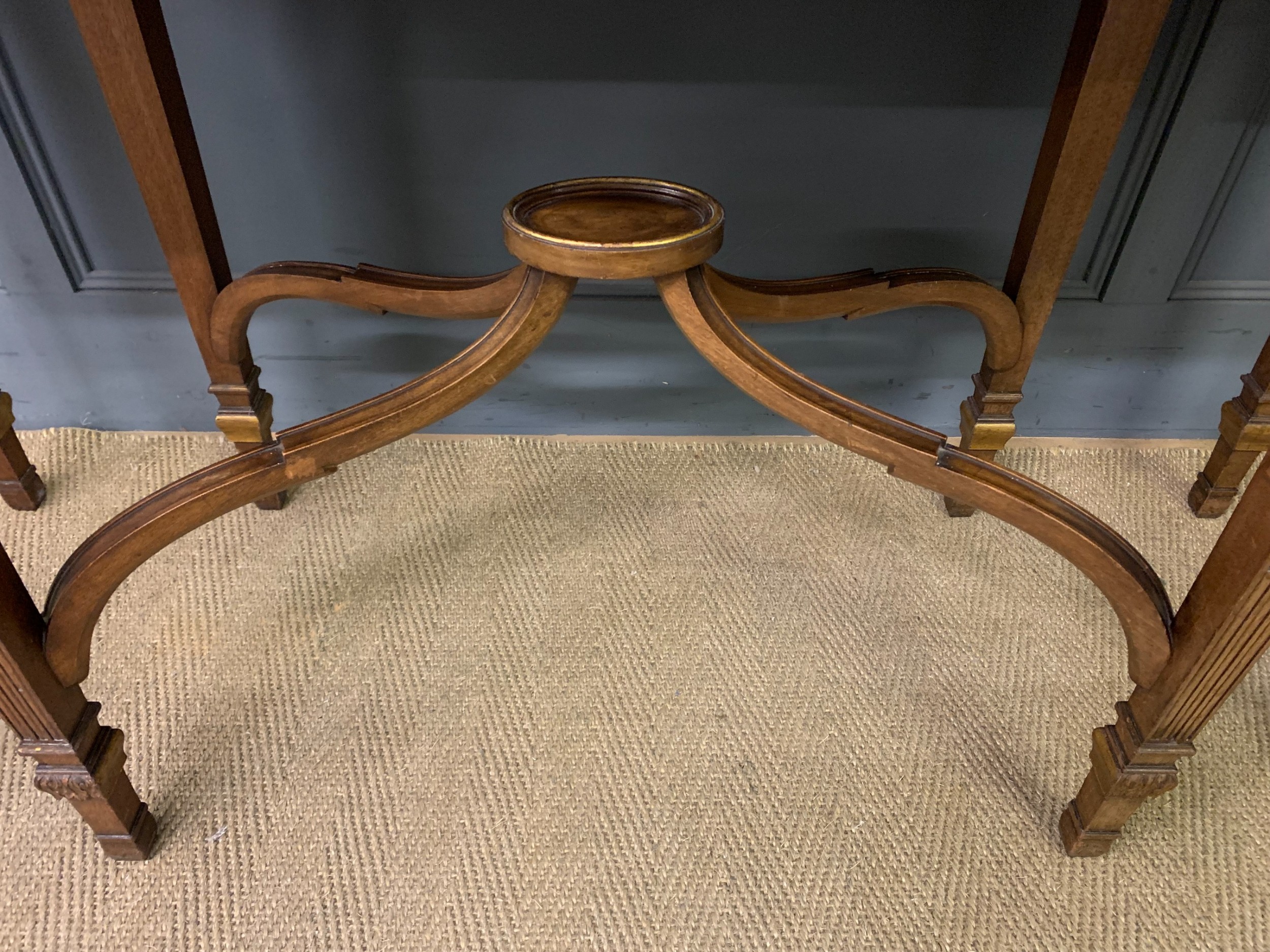
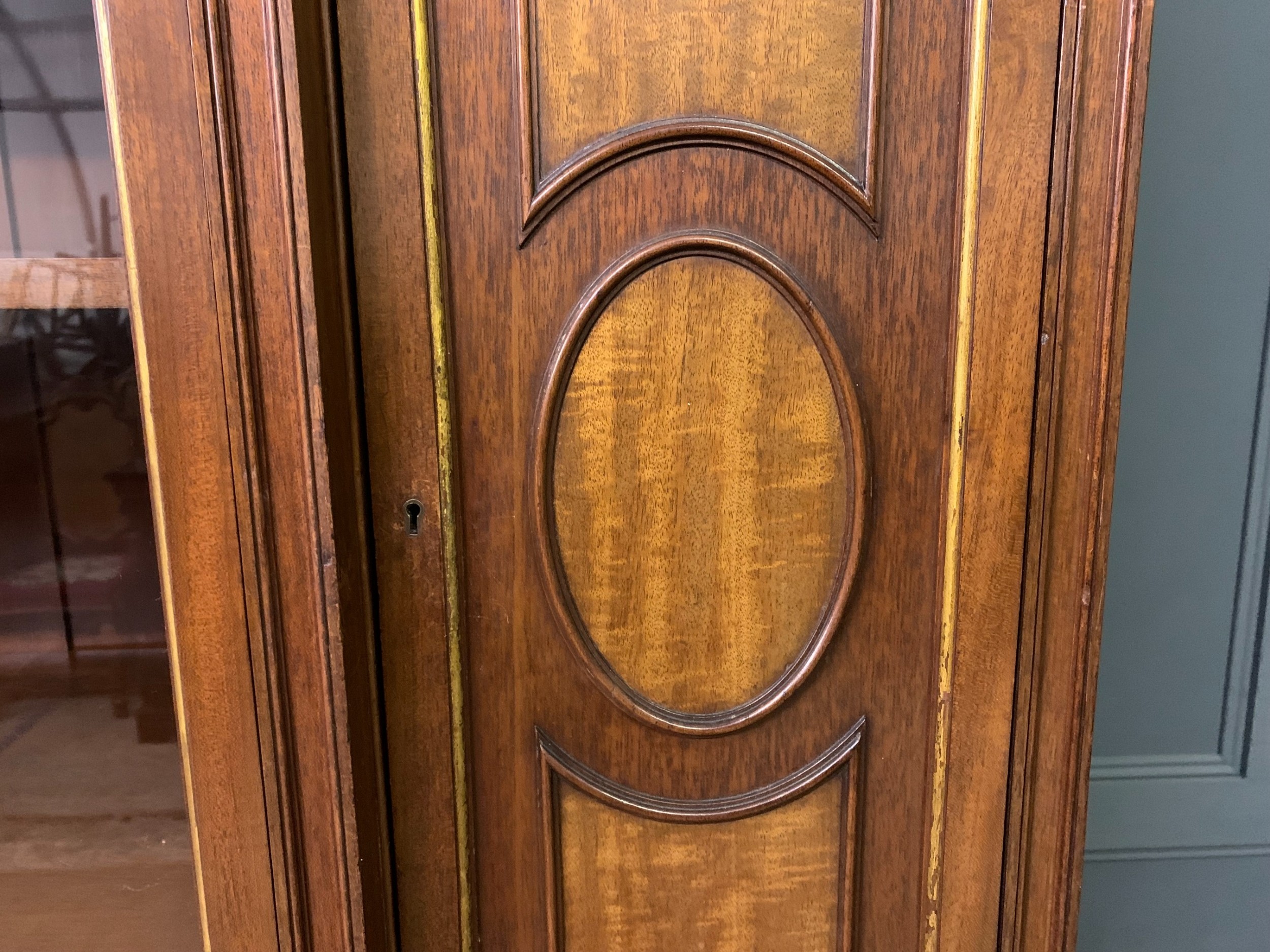
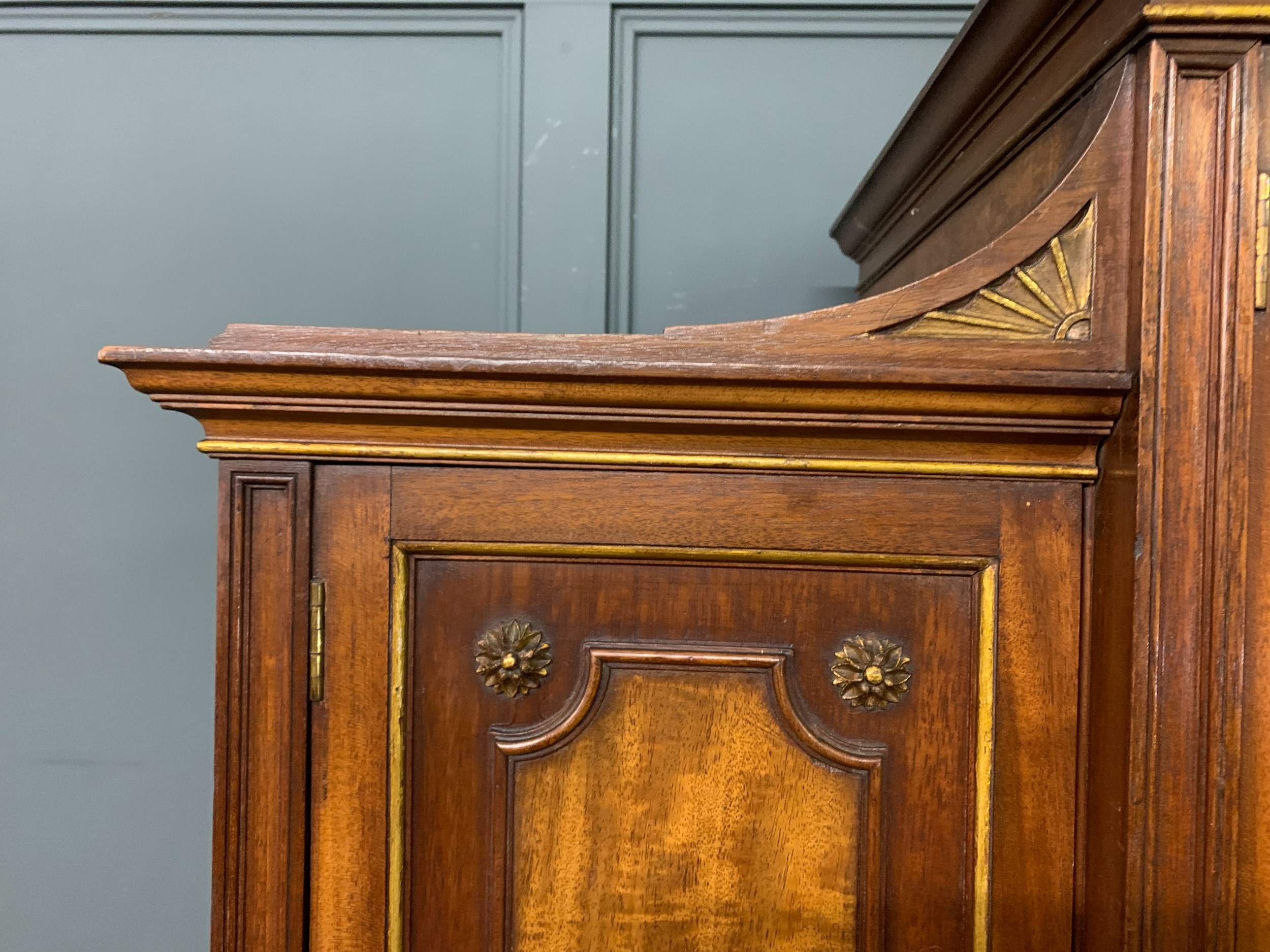
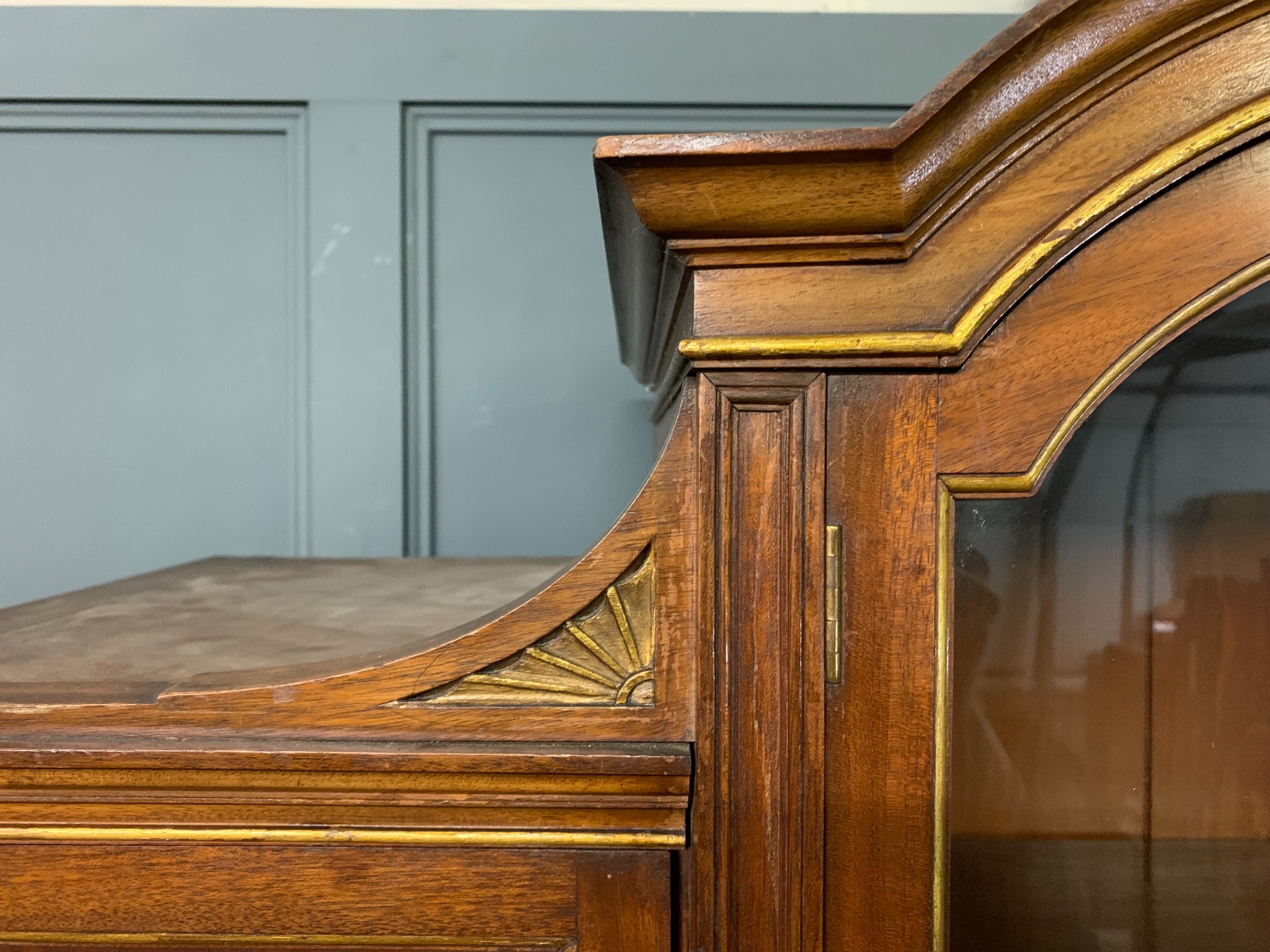
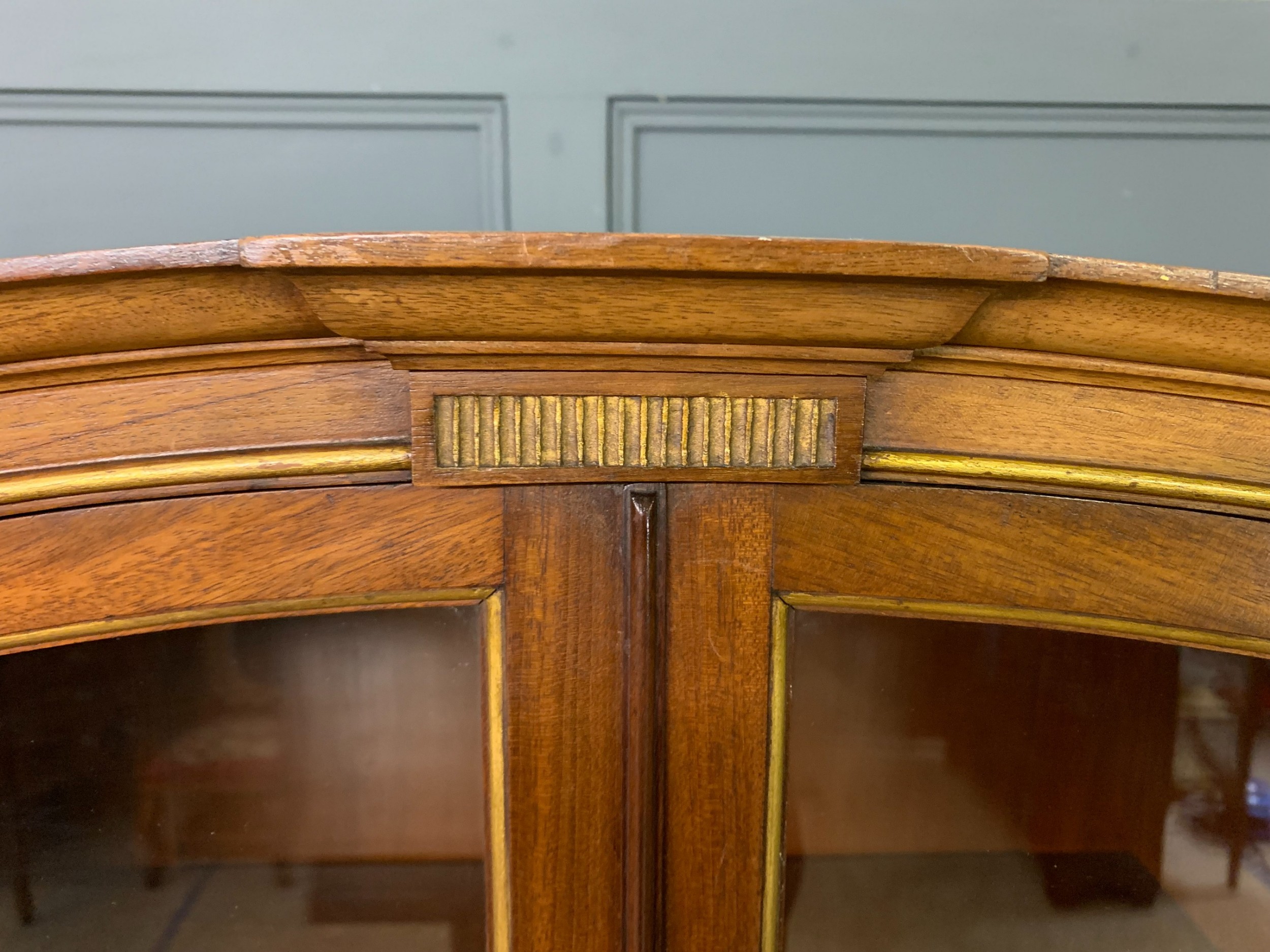
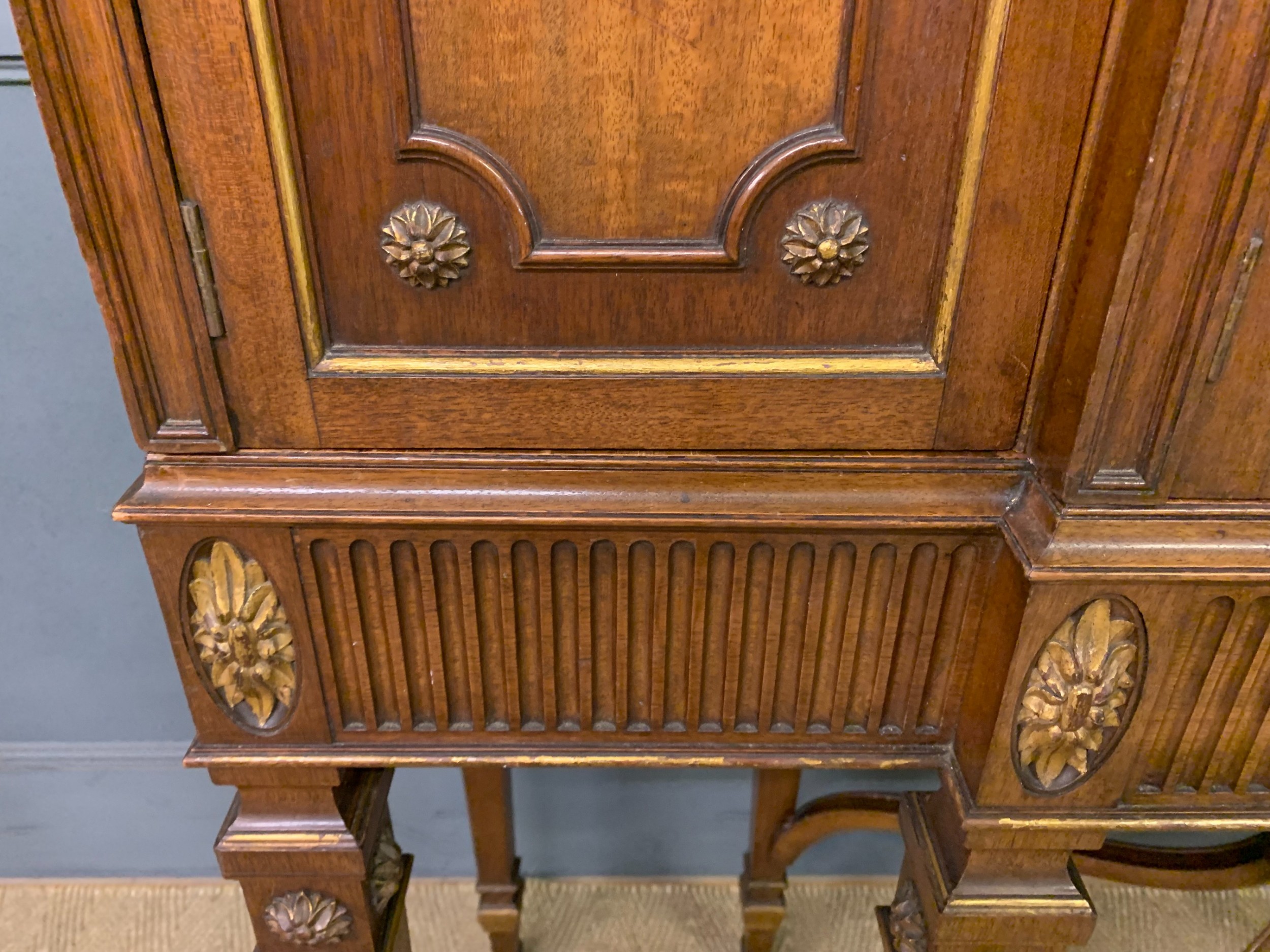
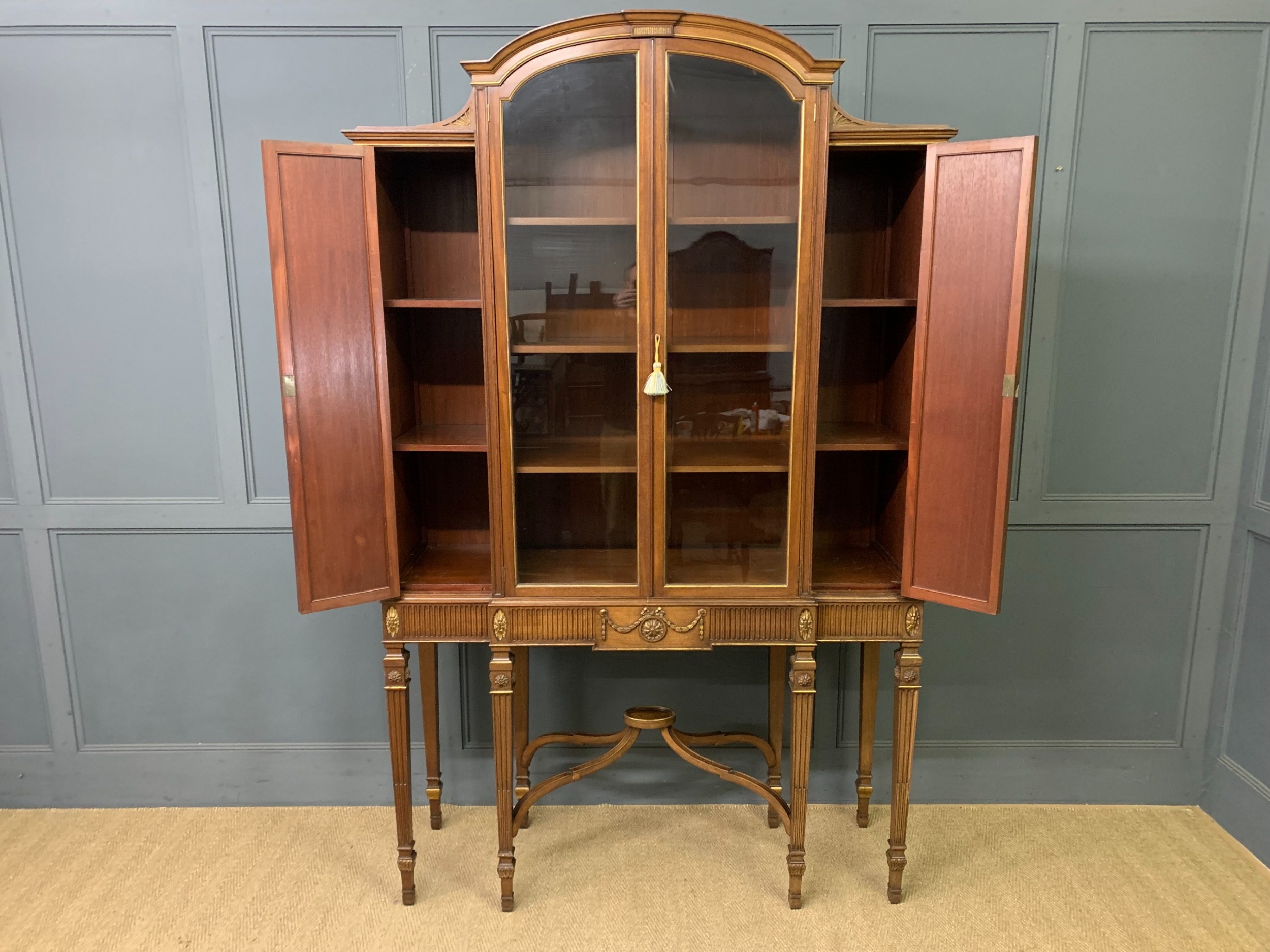
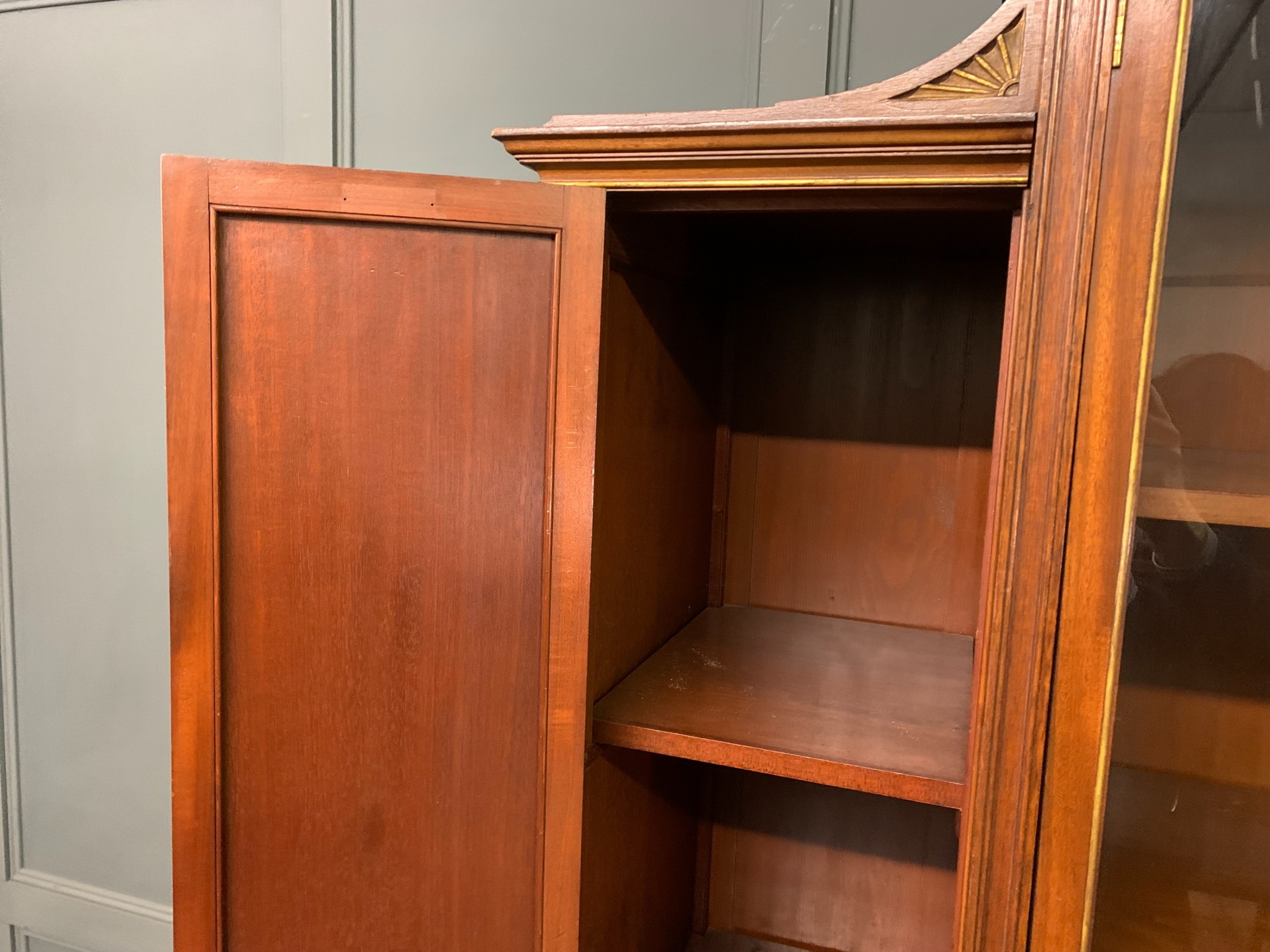
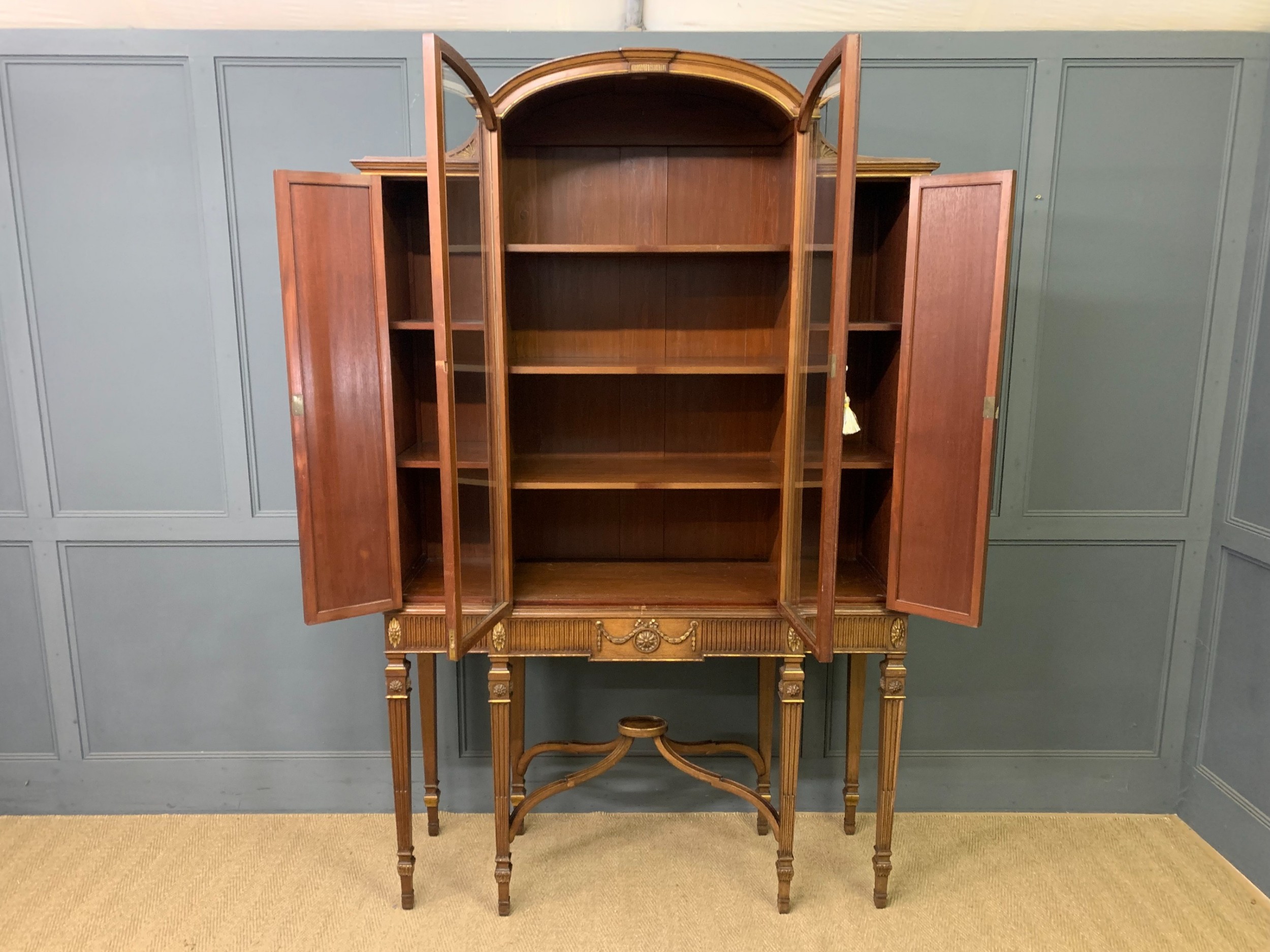
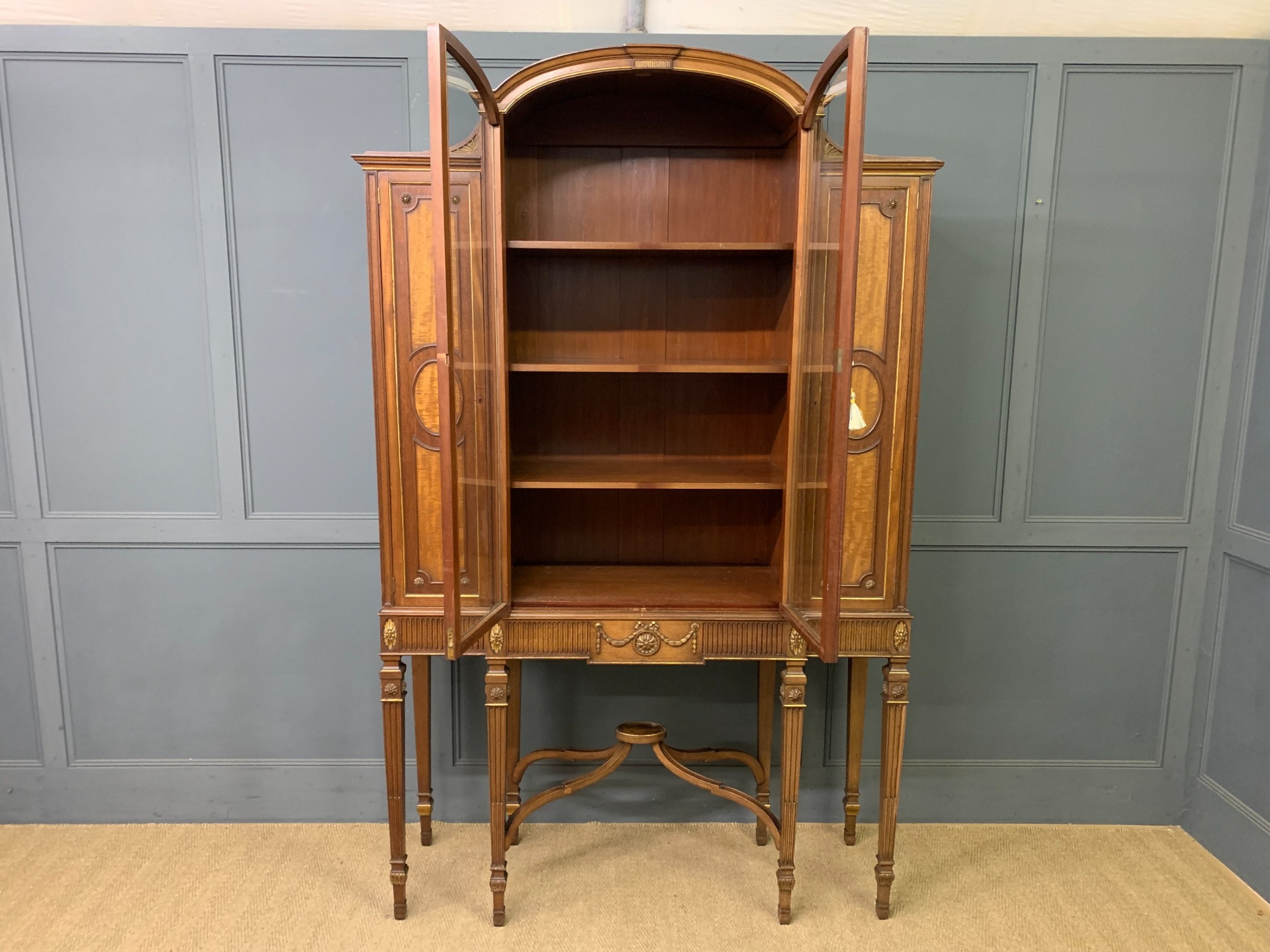
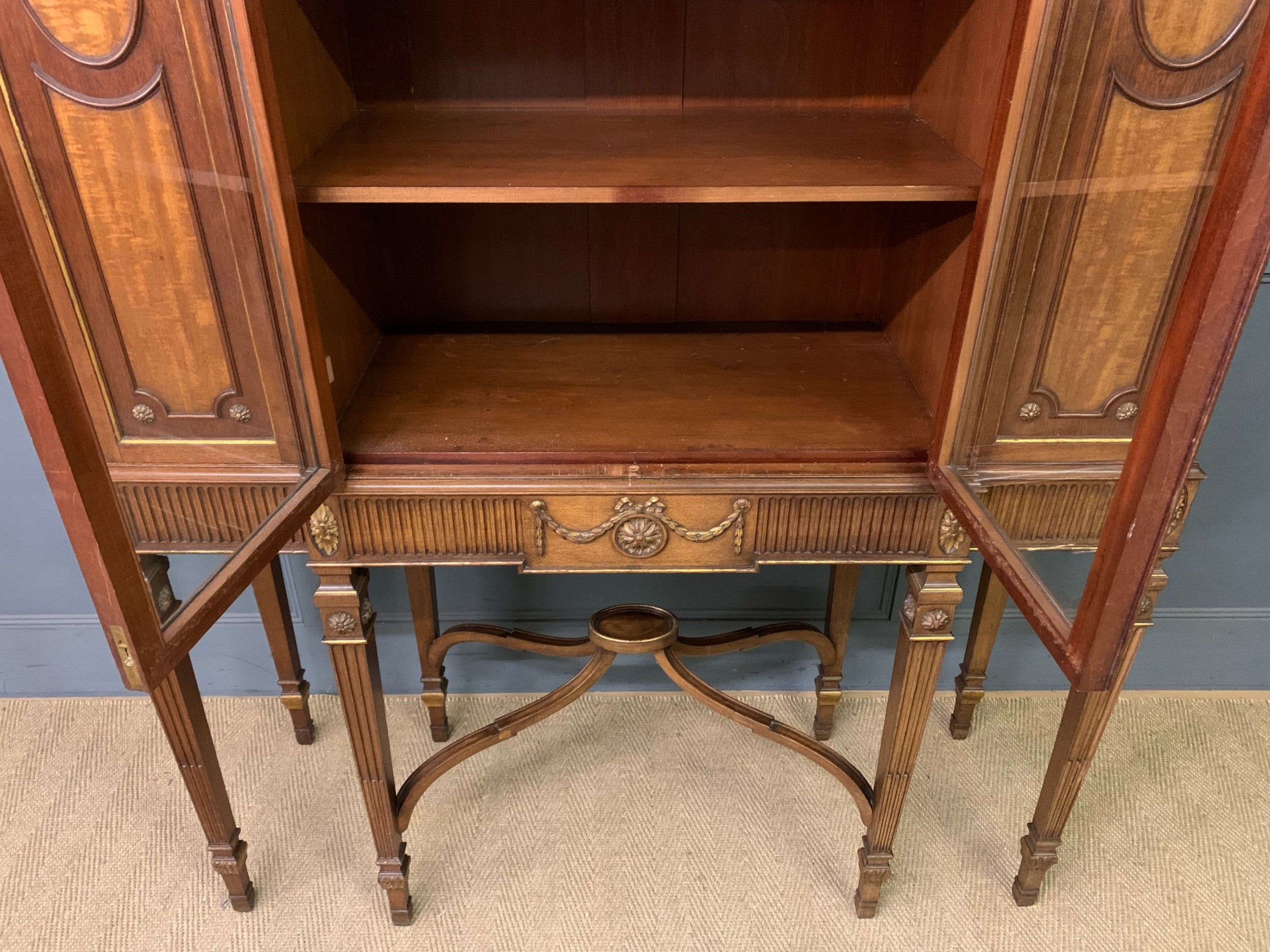
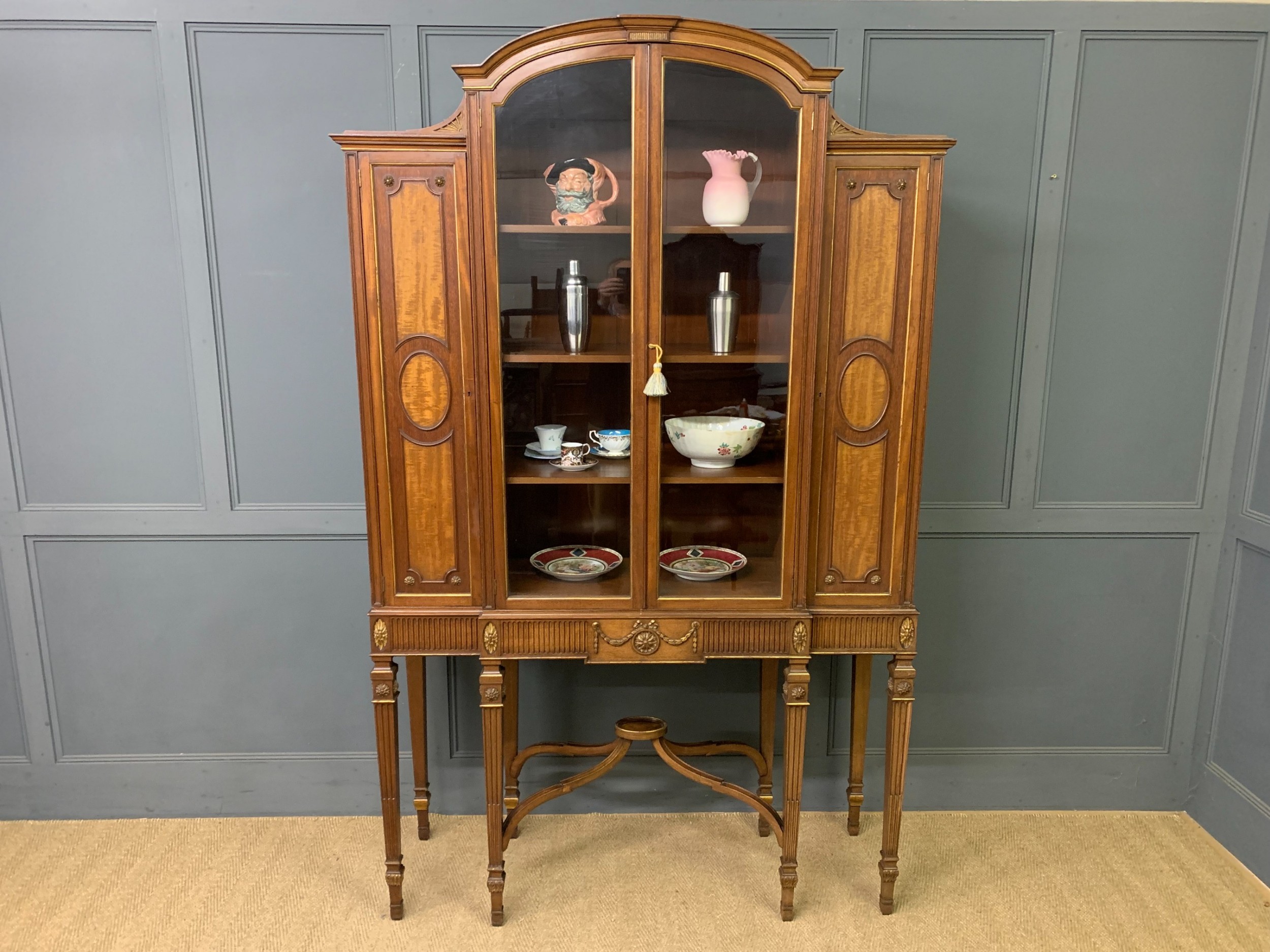
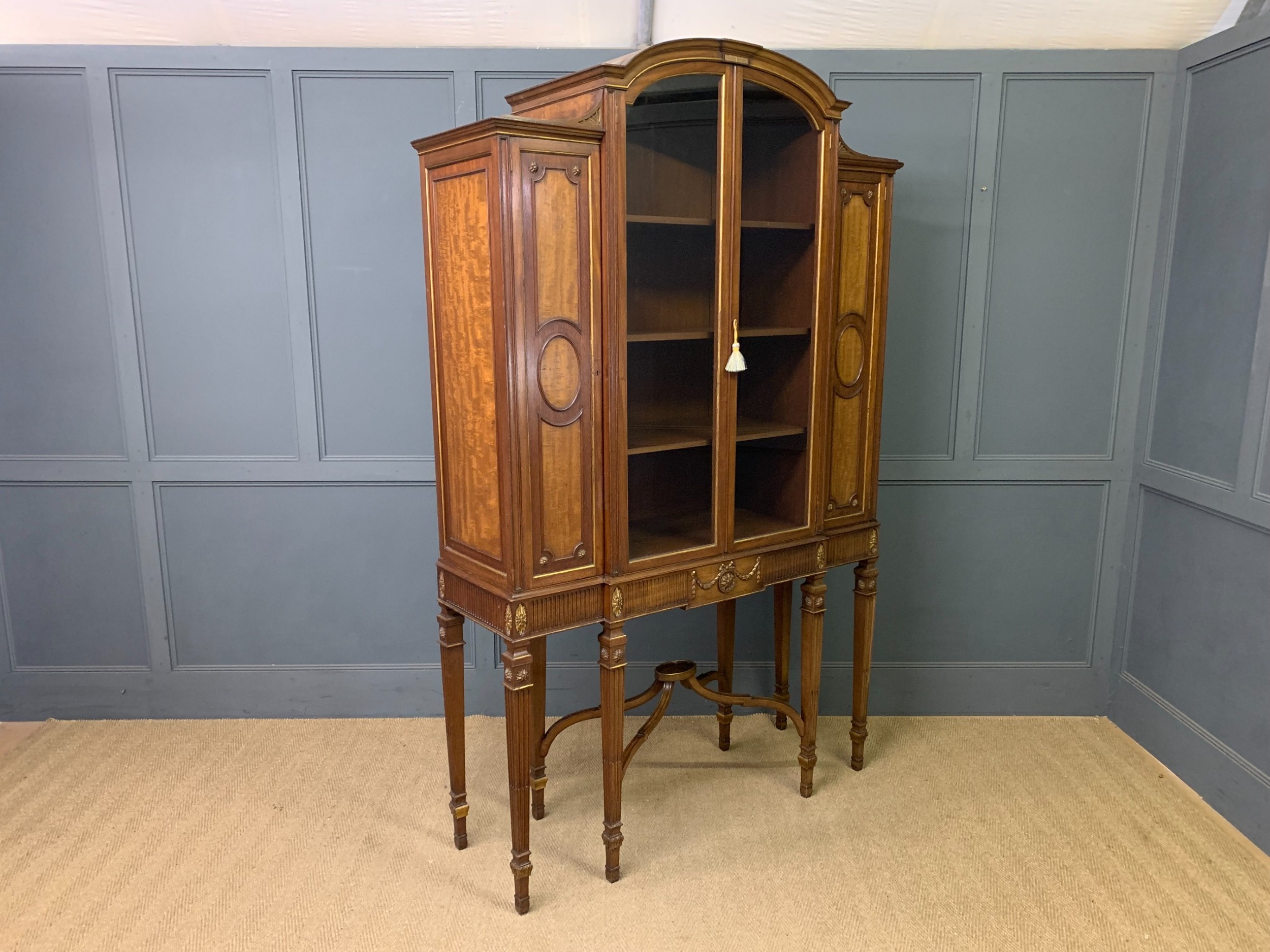
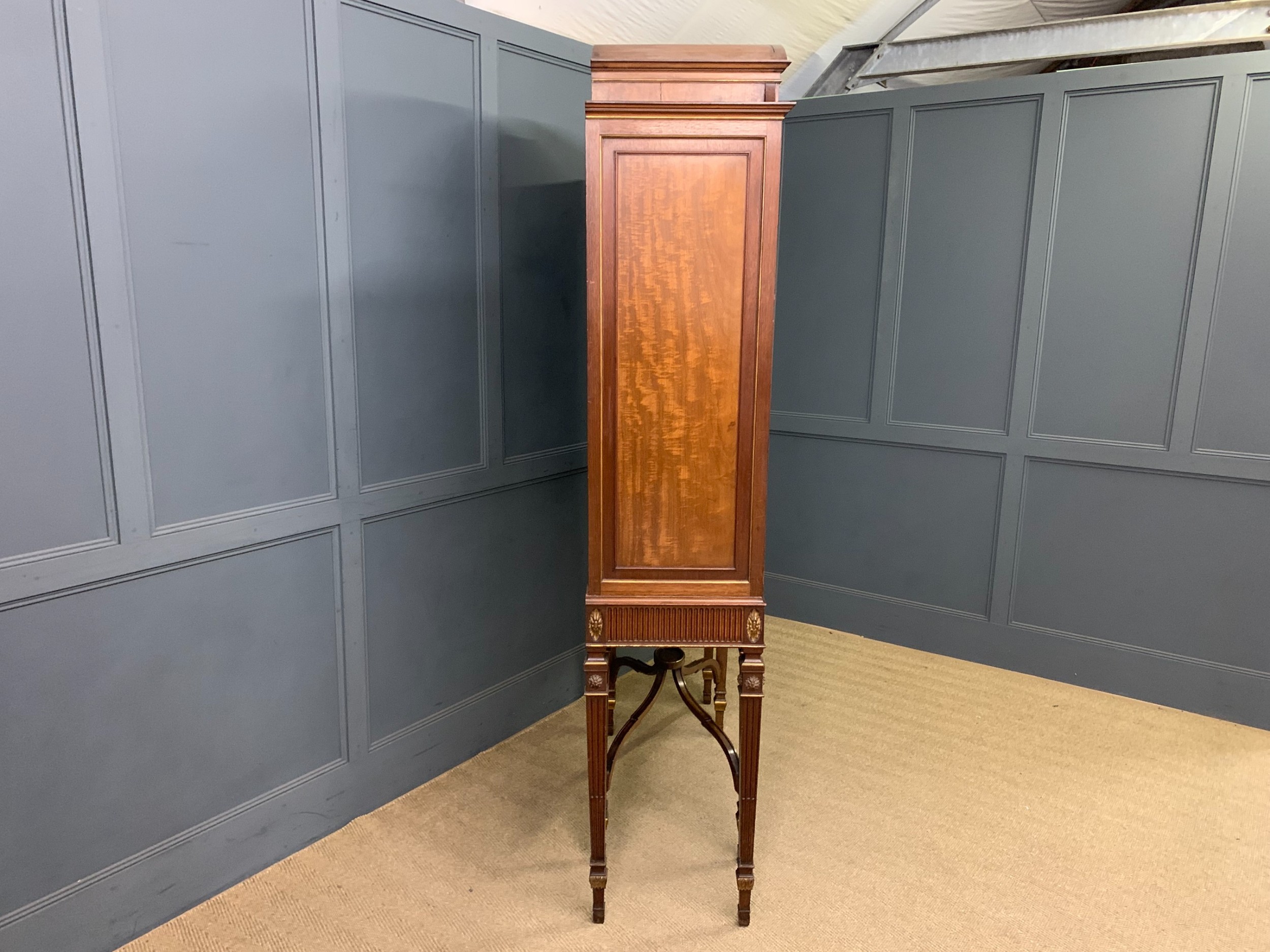
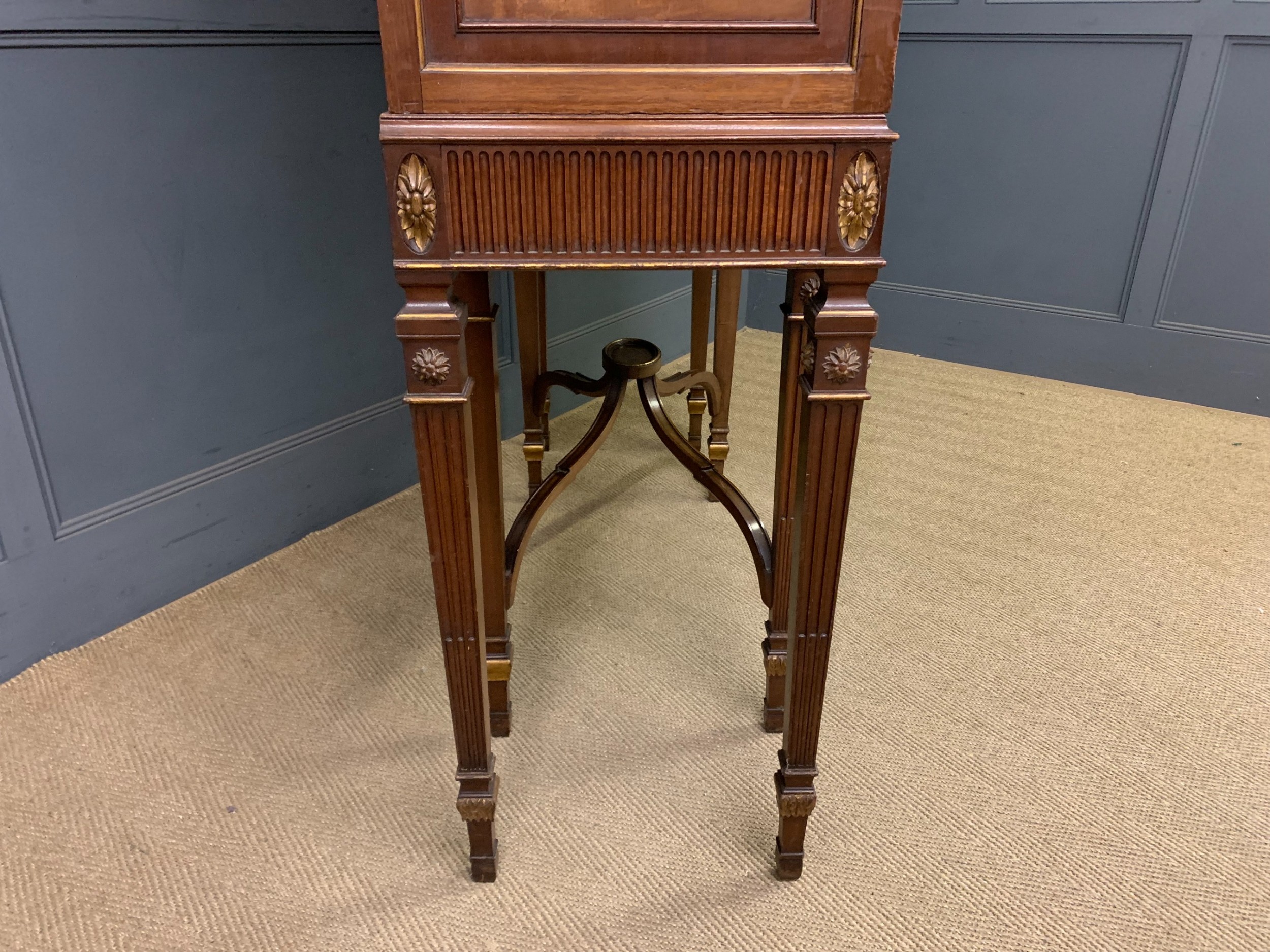
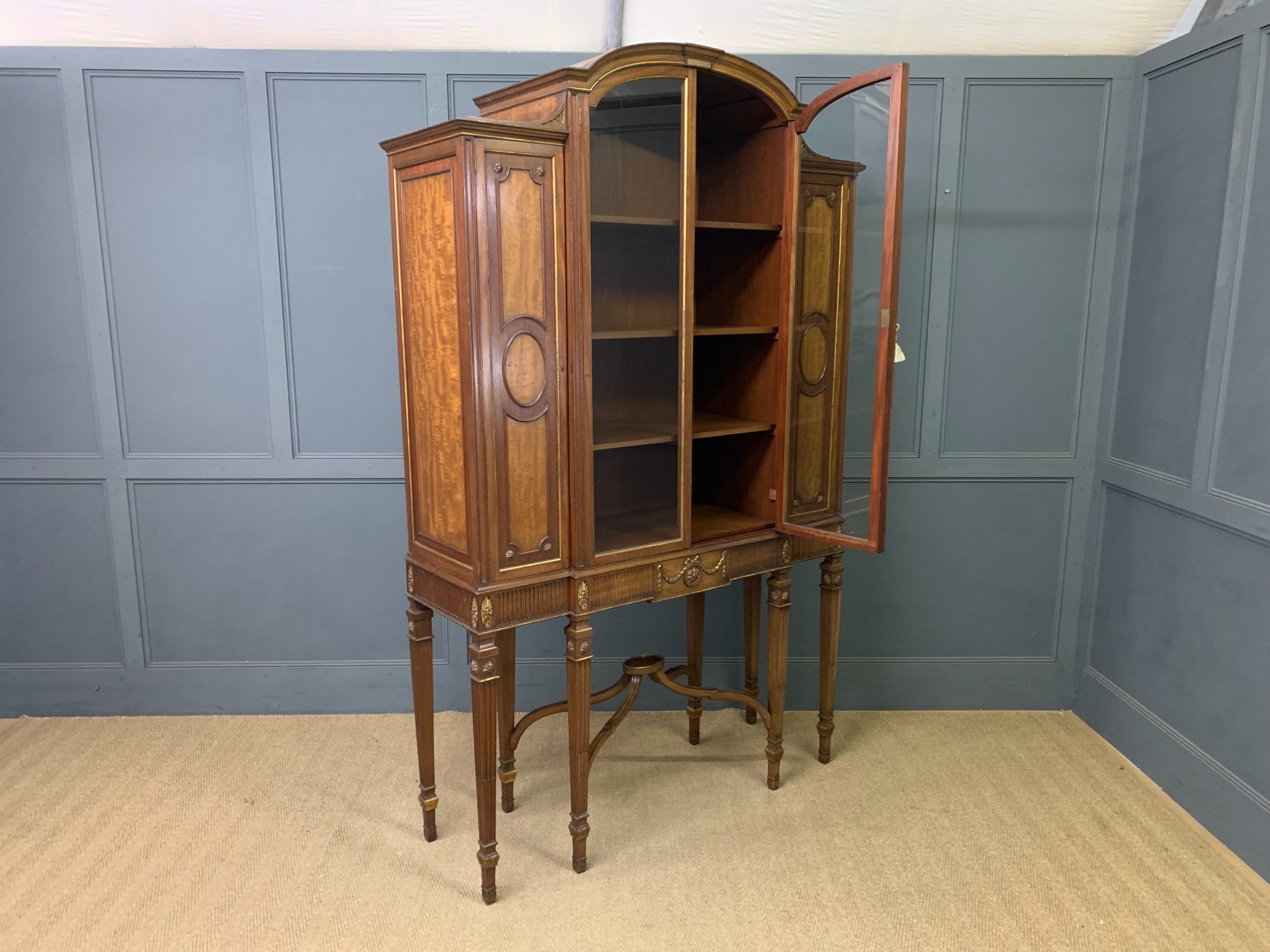
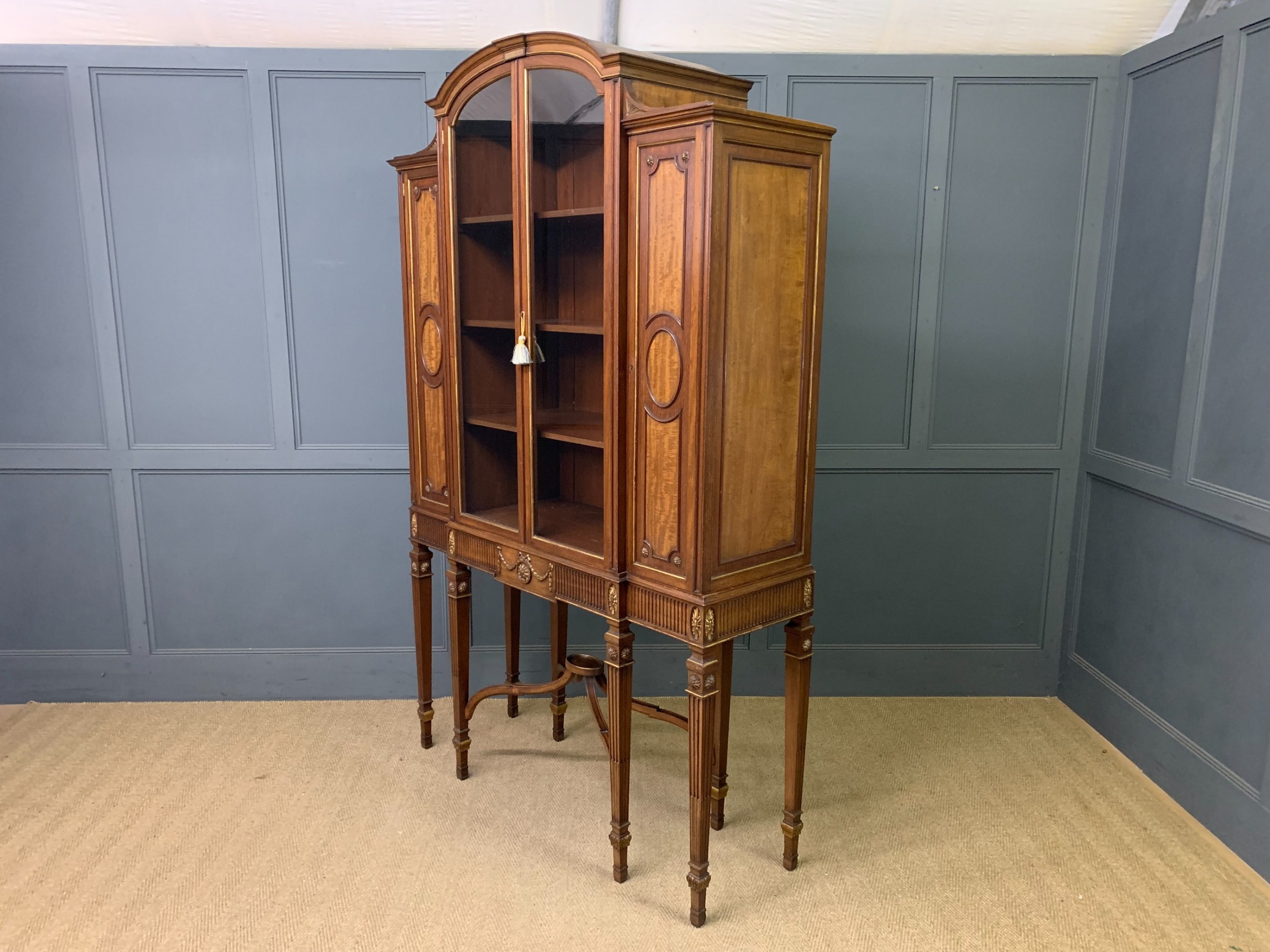
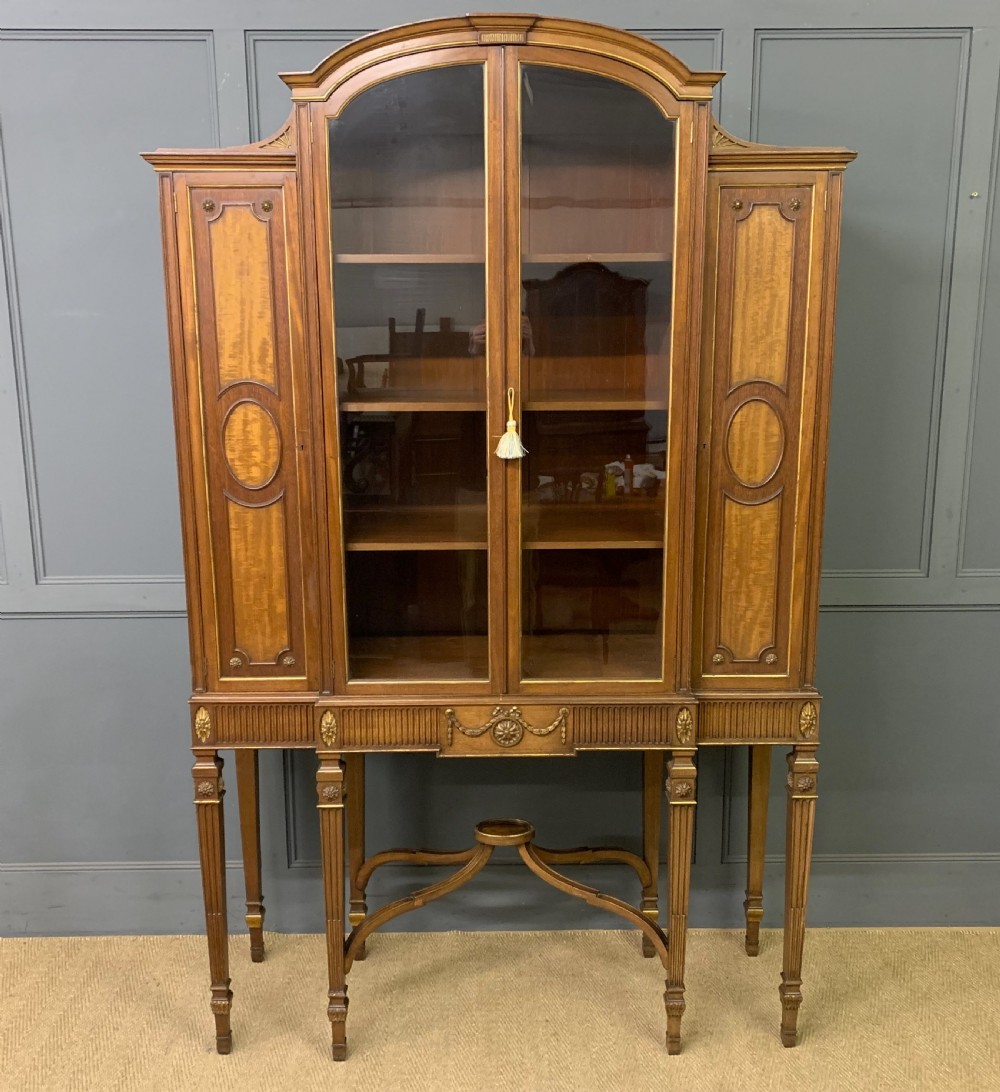
A neoclassical style display cabinet by Waring & Gillow. Dating to the early 20th century and of very good construction in solid walnut. Of tall, elegant, generous proportions. With a domed top sitting over a pair of glazed doors. Flanked by a pair of cupboard doors. All doors are lockable (key supplied) and open to access shelved interiors. All sitting on a stylish base with long , tapering legs, united by under-stretchers. Offered for sale in very good original condition, with a nice colour and patina. Splits into 2 sections for ease of installation.

Dimensions:

Width 140cms

Depth 46cms

Height 223cms

Internal shelf depth 39cms

Waring and Gillow a potted history:

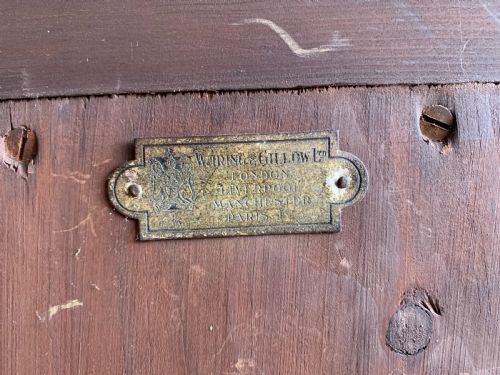
Waring & Gillow is a noted firm of English furniture manufacturers formed in 1897 by the merger of Gillow of Lancaster and Waring of Liverpool.

The firm of Gillow's of Lancaster can be traced back to the luxury furniture and furnishings firm founded by Robert Gillow (1704–72) in 1730. Robert Gillow served an apprenticeship as a joiner. During the 1730s he began to exploit the lucrative West Indies trade exporting mahogany furniture and importing rum and sugar. Following his death in 1772, the business was continued by his two sons, Richard (1734–1811) and Robert (1745–93). In 1764 a London branch of Gillow's was established at 176 Oxford Road, now Oxford Street, by Thomas Gillow and William Taylor. The firm rapidly established a reputation for supplying high-quality furniture to the richest families in the country.

During the final years of the 19th century the company ran into financial difficulty and from 1897 began a loose financial arrangement with Waring of Liverpool, an arrangement legally ratified by the establishment of Waring & Gillow in 1903. Waring's of Liverpool was founded by John Waring, who arrived in the city from Belfast in 1835 and established a wholesale cabinet making business. He was succeeded by his son Samuel James Waring who rapidly expanded the business during the 1880s, furnishing hotels and public buildings throughout Europe. He also founded Waring-White Building Company which built the Liverpool Corn Exchange, Selfridge's department store and the Ritz Hotel. Samuel James's son and namesake Samuel James Waring (1860-1940) continued the family business and was elevated to the peerage as Baron Waring in 1922.

Gillow's had established a reputation for the outfitting of luxury yachts and liners, including the royal yacht Victoria and Albert, liners Lusitania, Heliopolis and Cairo, Queen Mary (1936) and Queen Elizabeth (1940) for Cunard. During the First World War the Lancaster factory was turned over to war production, making ammunition chests for the Navy and propellers for De Havilland DH9 aircraft. They also established a large tent-manufacturing facility of 8,000 workers during WW1 on the now closed former exhibition site at White City (the former Machinery Hall). They also made gas masks and trench covers from this site.During this time it was also at the White City site that the Workers Union first got recognition after a four-day strike mainly by women. The company also manufactured ammunition belts for use with machine guns, nosebags for horses and protective clothing for use during gas attacks.

During World War II the factory produced parts for gliders and the Mosquito aircraft, while kit-bags, tents and camouflage nets were made by the upholstery department.

Physical Dimensions
Height
223cm (87.80")
Width
140cm (55.12")
Depth
46cm (18.11")
Declaration

Camden Antiques has dated this Neoclassical Mahogany Display Cabinet to the 1910s.
Reference Numbers
Sellingantiques Reference
SA1238493
Dealers Internal Reference
18499
Description
A neoclassical style display cabinet by Waring & Gillow. Dating to the early 20th century and of very good construction in solid walnut. Of tall, elegant, generous proportions. With a domed top sitting over a pair of glazed doors. Flanked by a pair of cupboard doors. All doors are lockable (key supplied) and open to access shelved interiors. All sitting on a stylish base with long , tapering legs, united by under-stretchers. Offered for sale in very good original condition, with a nice colour and patina. Splits into 2 sections for ease of installation.
fig 1. A Neoclassical mahogany display cabinet featuring a central glazed door, flanking inlaid wood cupboards, and tapered fluted legs connected by an ornate curved stretcher.
fig 1. Waring and Gillow Neo Classical Display Cabinet

Dimensions:

Width 140cms

Depth 46cms

Height 223cms

Internal shelf depth 39cms

Waring and Gillow a potted history:
“
Waring & Gillow is a noted firm of English furniture manufacturers formed in 1897 by the merger of Gillow of Lancaster and Waring of Liverpool.
Camden Antiques
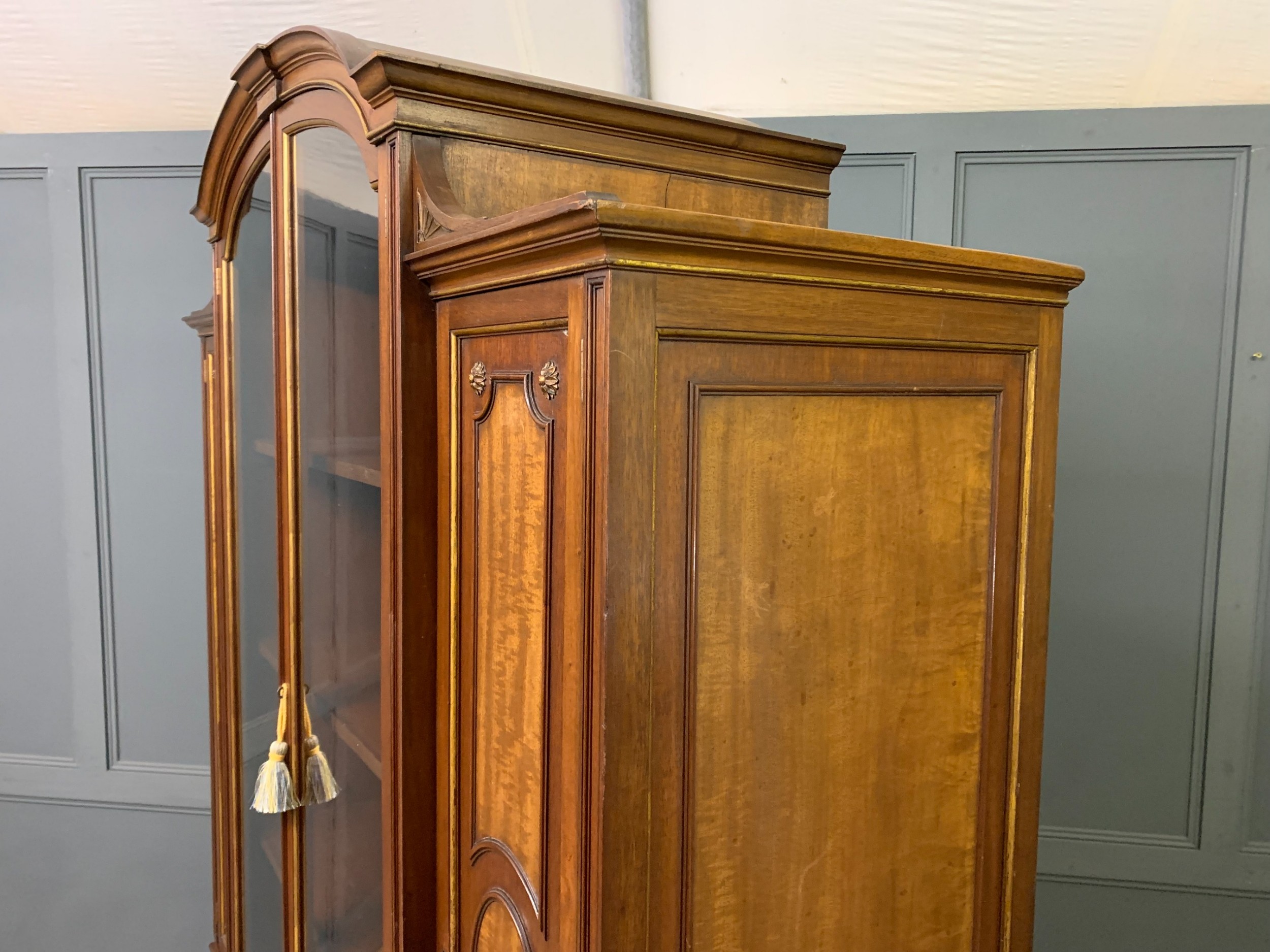
fig 2. A Neoclassical mahogany display cabinet featuring a central glazed door, flanking inlaid wood cupboards, and tapered fluted legs connected by an ornate curved stretcher.
fig 2. Waring and Gillow Neo Classical Display Cabinet

The firm of Gillow's of Lancaster can be traced back to the luxury furniture and furnishings firm founded by Robert Gillow (1704–72) in 1730. Robert Gillow served an apprenticeship as a joiner. During the 1730s he began to exploit the lucrative West Indies trade exporting mahogany furniture and importing rum and sugar. Following his death in 1772, the business was continued by his two sons, Richard (1734–1811) and Robert (1745–93). In 1764 a London branch of Gillow's was established at 176 Oxford Road, now Oxford Street, by Thomas Gillow and William Taylor. The firm rapidly established a reputation for supplying high-quality furniture to the richest families in the country.
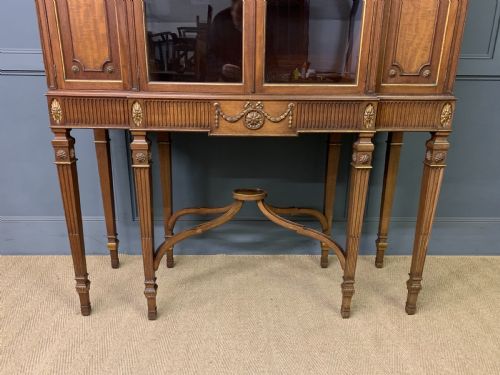
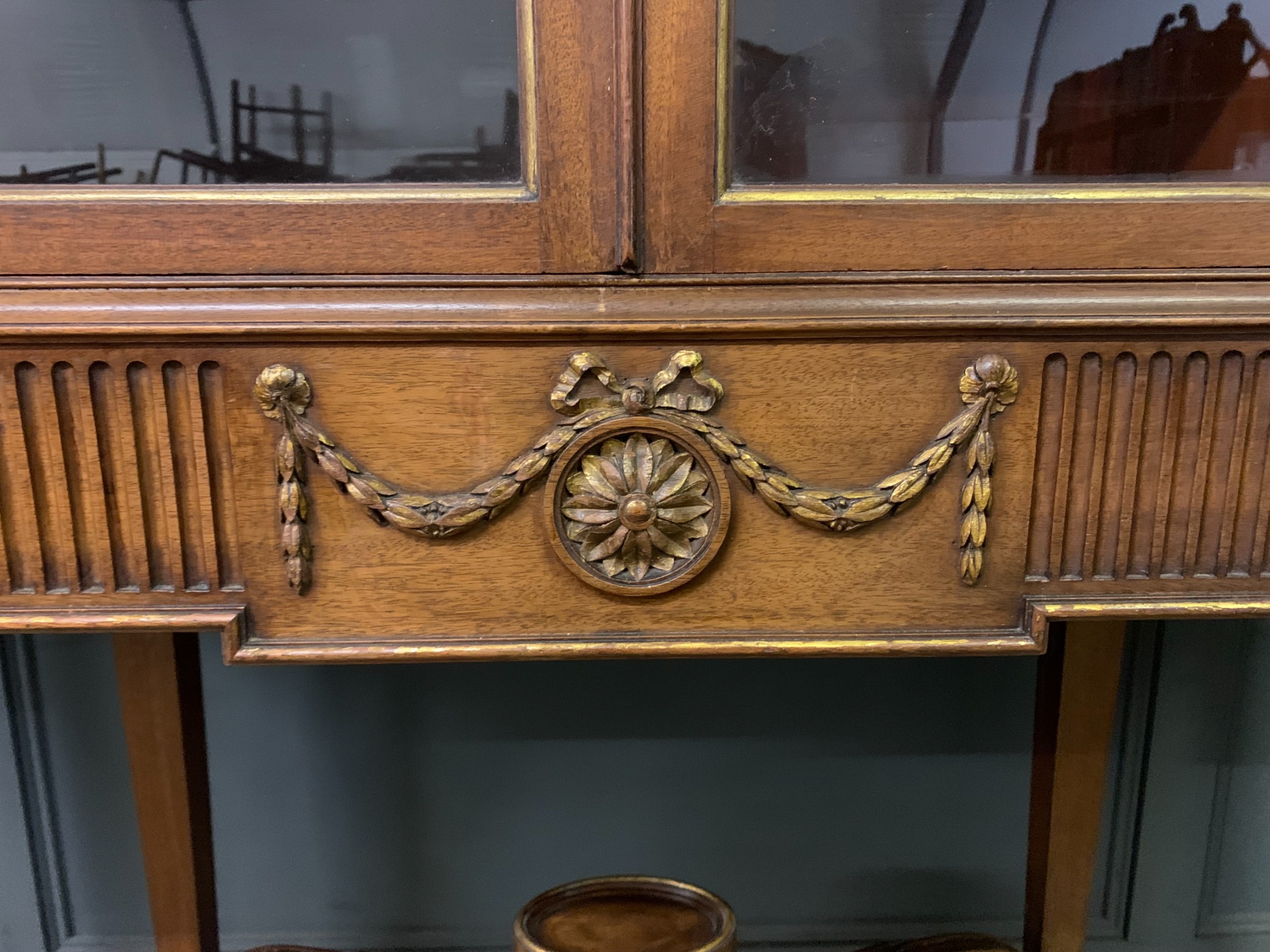
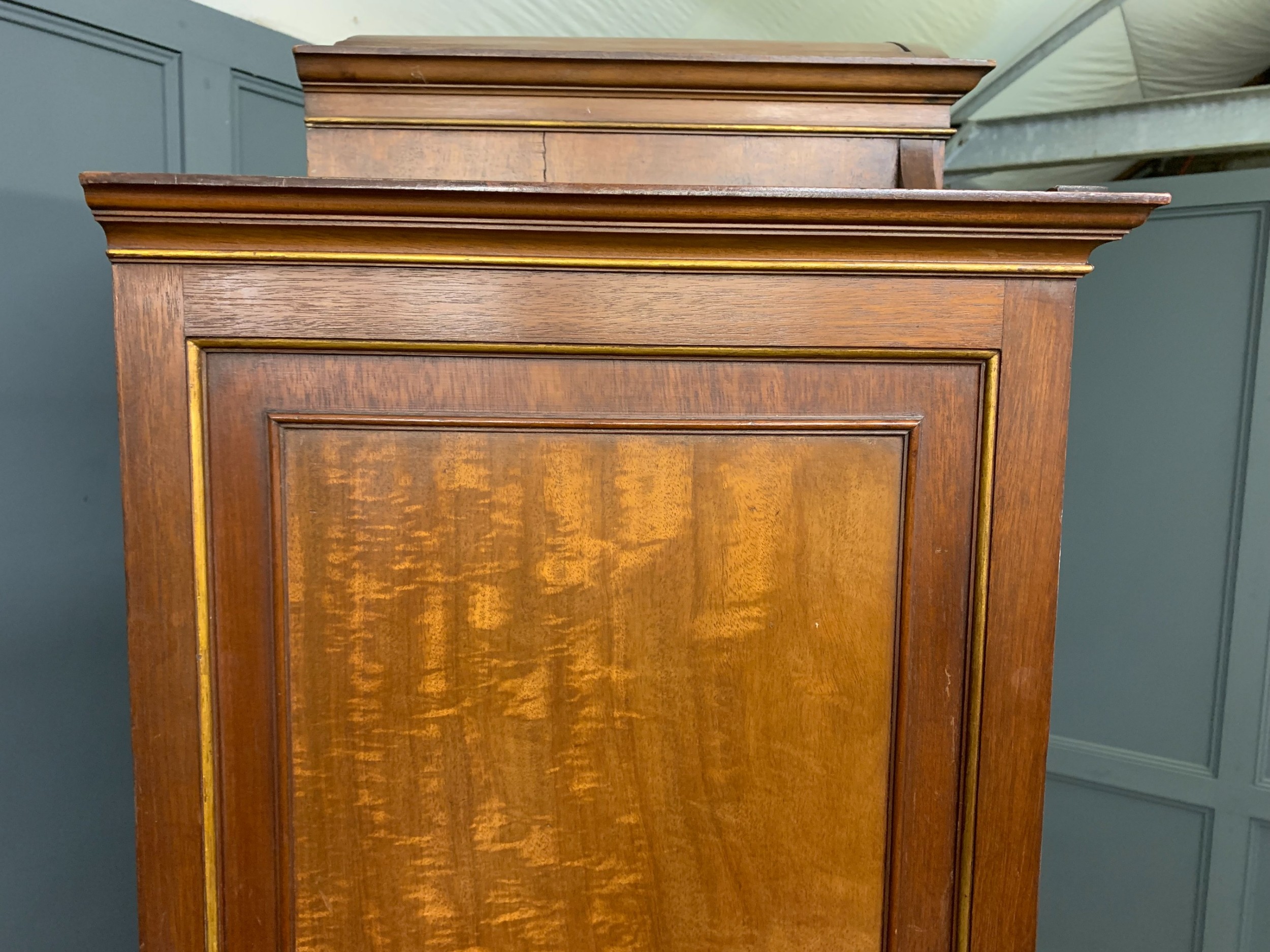
fig 3. A Neoclassical mahogany display cabinet featuring a central glazed door, flanking inlaid wood cupboards, and tapered fluted legs connected by an ornate curved stretcher.
fig 3. Waring and Gillow Neo Classical Display Cabinet

During the final years of the 19th century the company ran into financial difficulty and from 1897 began a loose financial arrangement with Waring of Liverpool, an arrangement legally ratified by the establishment of Waring & Gillow in 1903. Waring's of Liverpool was founded by John Waring, who arrived in the city from Belfast in 1835 and established a wholesale cabinet making business. He was succeeded by his son Samuel James Waring who rapidly expanded the business during the 1880s, furnishing hotels and public buildings throughout Europe. He also founded Waring-White Building Company which built the Liverpool Corn Exchange, Selfridge's department store and the Ritz Hotel. Samuel James's son and namesake Samuel James Waring (1860-1940) continued the family business and was elevated to the peerage as Baron Waring in 1922.
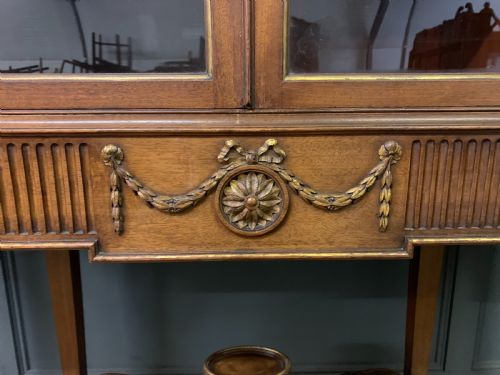
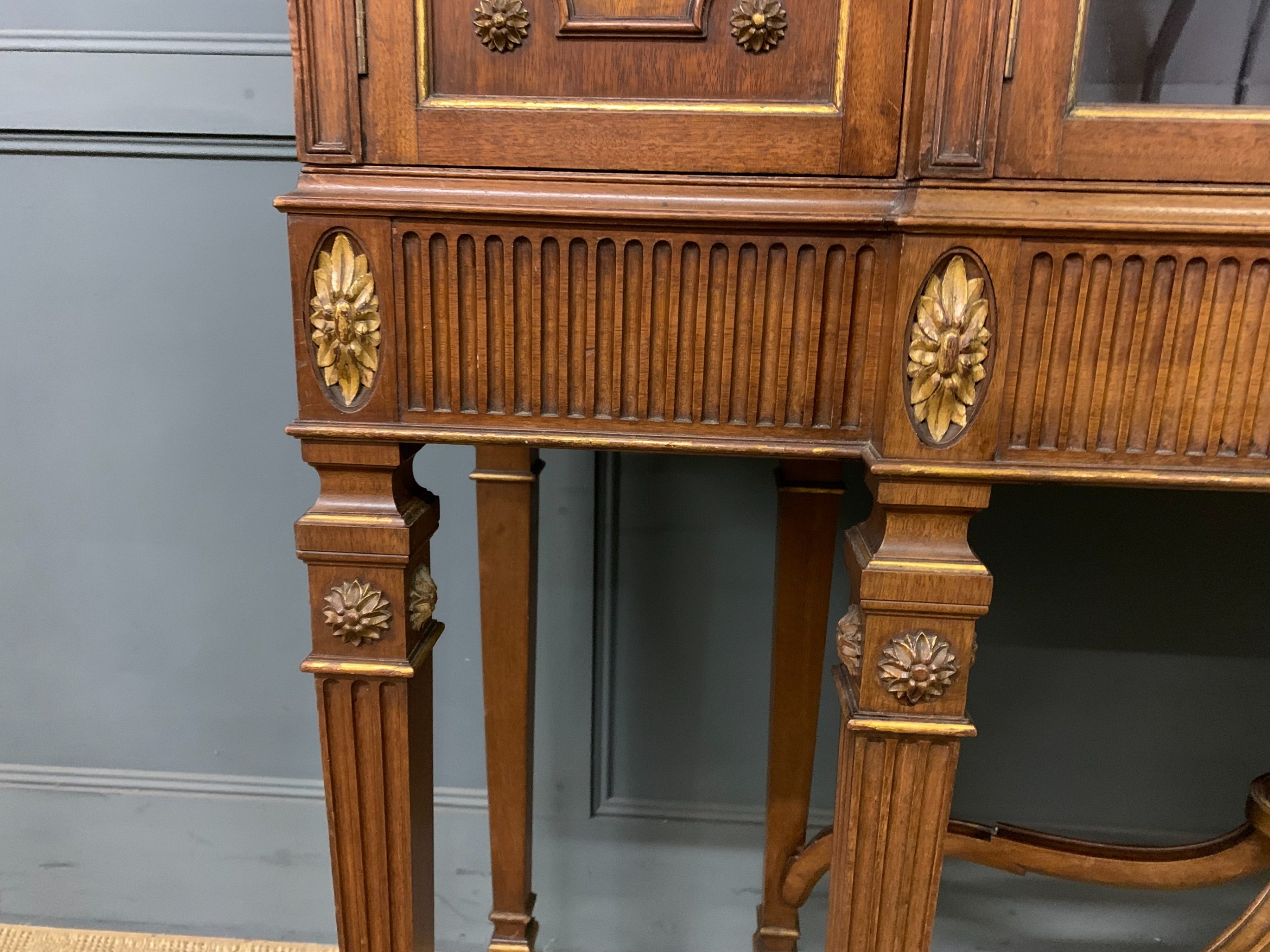
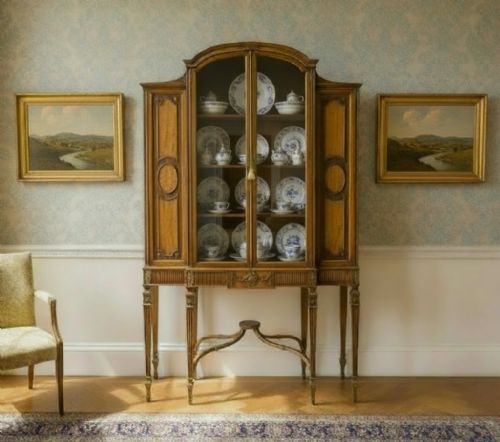
fig 4. A Neoclassical mahogany display cabinet featuring a central glazed door, flanking inlaid wood cupboards, and tapered fluted legs connected by an ornate curved stretcher.
fig 4. Waring and Gillow Neo Classical Display Cabinet

Gillow's had established a reputation for the outfitting of luxury yachts and liners, including the royal yacht Victoria and Albert, liners Lusitania, Heliopolis and Cairo, Queen Mary (1936) and Queen Elizabeth (1940) for Cunard. During the First World War the Lancaster factory was turned over to war production, making ammunition chests for the Navy and propellers for De Havilland DH9 aircraft. They also established a large tent-manufacturing facility of 8,000 workers during WW1 on the now closed former exhibition site at White City (the former Machinery Hall). They also made gas masks and trench covers from this site.During this time it was also at the White City site that the Workers Union first got recognition after a four-day strike mainly by women. The company also manufactured ammunition belts for use with machine guns, nosebags for horses and protective clothing for use during gas attacks.

During World War II the factory produced parts for gliders and the Mosquito aircraft, while kit-bags, tents and camouflage nets were made by the upholstery department.

Height
223cm (87.80")
Width
140cm (55.12")
Depth
46cm (18.11")
Date of Manufacture

Camden Antiques has dated this Neoclassical Mahogany Display Cabinet to the 1910s.
Reference Numbers
Sellingantiques Ref
SA1238493
Dealers Internal Ref
18499
Camden Antiques
Camden Antiques
Sellingantiques verified Since Jun 2012
Dealer Profile

You can view the stock and full dealer information on the Camden Antiques Profile Page
PDF SHARE
SAVE
A Neoclassical mahogany display cabinet featuring a central glazed door, flanking inlaid wood cupboards, and tapered fluted legs connected by an ornate curved stretcher.
1 / 28
Archive I A Neoclassical mahogany display cabinet featuring a central glazed door, flanking inlaid wood cupboards, and tapered fluted legs connected by an ornate curved stretcher.

Waring and Gillow Neo Classical Display Cabinet
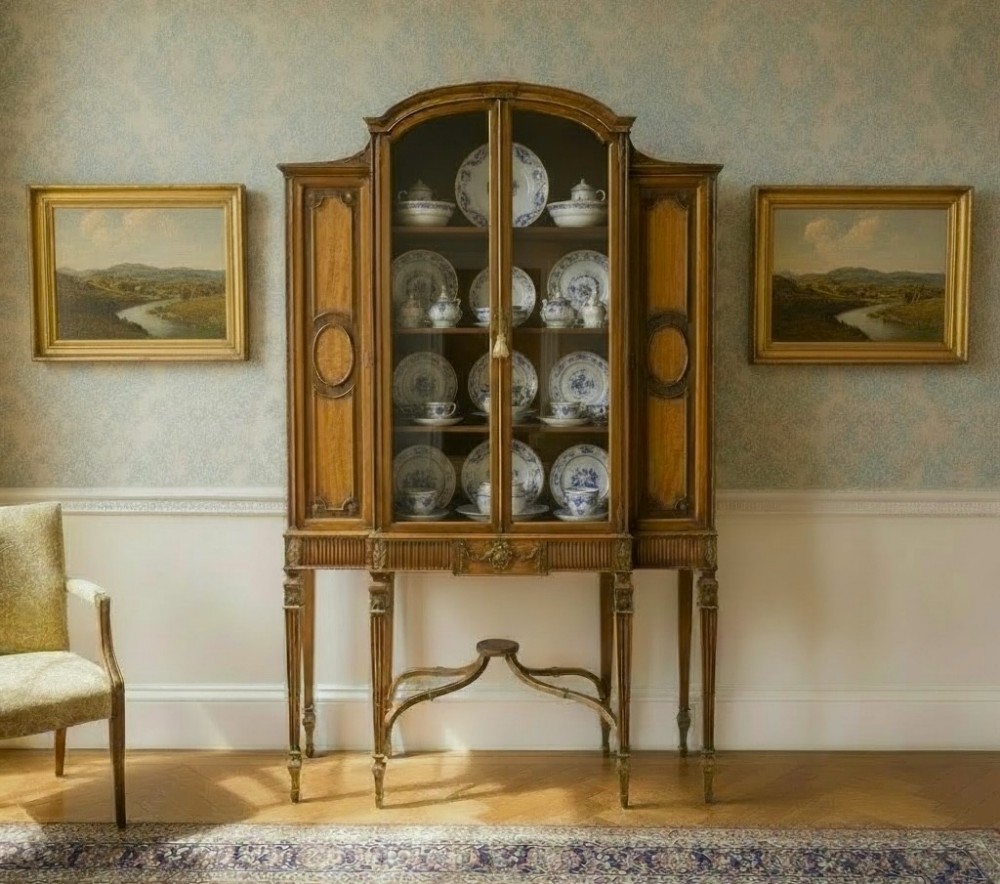
Archive II A Neoclassical mahogany display cabinet featuring a central glazed door, flanking inlaid wood cupboards, and tapered fluted legs connected by an ornate curved stretcher. View II
Archive III A Neoclassical mahogany display cabinet featuring a central glazed door, flanking inlaid wood cupboards, and tapered fluted legs connected by an ornate curved stretcher. View III
Archive IV A Neoclassical mahogany display cabinet featuring a central glazed door, flanking inlaid wood cupboards, and tapered fluted legs connected by an ornate curved stretcher. View IV
Archive V A Neoclassical mahogany display cabinet featuring a central glazed door, flanking inlaid wood cupboards, and tapered fluted legs connected by an ornate curved stretcher. View V
Archive VI A Neoclassical mahogany display cabinet featuring a central glazed door, flanking inlaid wood cupboards, and tapered fluted legs connected by an ornate curved stretcher. View VI
Archive VII A Neoclassical mahogany display cabinet featuring a central glazed door, flanking inlaid wood cupboards, and tapered fluted legs connected by an ornate curved stretcher. View VII
Archive VIII A Neoclassical mahogany display cabinet featuring a central glazed door, flanking inlaid wood cupboards, and tapered fluted legs connected by an ornate curved stretcher. View VIII
Archive IX A Neoclassical mahogany display cabinet featuring a central glazed door, flanking inlaid wood cupboards, and tapered fluted legs connected by an ornate curved stretcher. View IX
Archive X A Neoclassical mahogany display cabinet featuring a central glazed door, flanking inlaid wood cupboards, and tapered fluted legs connected by an ornate curved stretcher. View X
Archive XI A Neoclassical mahogany display cabinet featuring a central glazed door, flanking inlaid wood cupboards, and tapered fluted legs connected by an ornate curved stretcher. View XI
Archive XII A Neoclassical mahogany display cabinet featuring a central glazed door, flanking inlaid wood cupboards, and tapered fluted legs connected by an ornate curved stretcher. View XII
Archive XIII A Neoclassical mahogany display cabinet featuring a central glazed door, flanking inlaid wood cupboards, and tapered fluted legs connected by an ornate curved stretcher. View XIII
Archive XIV A Neoclassical mahogany display cabinet featuring a central glazed door, flanking inlaid wood cupboards, and tapered fluted legs connected by an ornate curved stretcher. View XIV
Archive XV A Neoclassical mahogany display cabinet featuring a central glazed door, flanking inlaid wood cupboards, and tapered fluted legs connected by an ornate curved stretcher. View XV
Archive XVI A Neoclassical mahogany display cabinet featuring a central glazed door, flanking inlaid wood cupboards, and tapered fluted legs connected by an ornate curved stretcher. View XVI
Archive XVII A Neoclassical mahogany display cabinet featuring a central glazed door, flanking inlaid wood cupboards, and tapered fluted legs connected by an ornate curved stretcher. View XVII
Archive XVIII A Neoclassical mahogany display cabinet featuring a central glazed door, flanking inlaid wood cupboards, and tapered fluted legs connected by an ornate curved stretcher. View XVIII
Archive XIX A Neoclassical mahogany display cabinet featuring a central glazed door, flanking inlaid wood cupboards, and tapered fluted legs connected by an ornate curved stretcher. View XIX
Archive XX A Neoclassical mahogany display cabinet featuring a central glazed door, flanking inlaid wood cupboards, and tapered fluted legs connected by an ornate curved stretcher. View XX
Archive XXI A Neoclassical mahogany display cabinet featuring a central glazed door, flanking inlaid wood cupboards, and tapered fluted legs connected by an ornate curved stretcher. View XXI
Archive XXII A Neoclassical mahogany display cabinet featuring a central glazed door, flanking inlaid wood cupboards, and tapered fluted legs connected by an ornate curved stretcher. View XXII
Archive XXIII A Neoclassical mahogany display cabinet featuring a central glazed door, flanking inlaid wood cupboards, and tapered fluted legs connected by an ornate curved stretcher. View XXIII
Archive XXIV A Neoclassical mahogany display cabinet featuring a central glazed door, flanking inlaid wood cupboards, and tapered fluted legs connected by an ornate curved stretcher. View XXIV
Archive XXV A Neoclassical mahogany display cabinet featuring a central glazed door, flanking inlaid wood cupboards, and tapered fluted legs connected by an ornate curved stretcher. View XXV
Archive XXVI A Neoclassical mahogany display cabinet featuring a central glazed door, flanking inlaid wood cupboards, and tapered fluted legs connected by an ornate curved stretcher. View XXVI
Archive XXVII A Neoclassical mahogany display cabinet featuring a central glazed door, flanking inlaid wood cupboards, and tapered fluted legs connected by an ornate curved stretcher. View XXVII
Archive XXVIII A Neoclassical mahogany display cabinet featuring a central glazed door, flanking inlaid wood cupboards, and tapered fluted legs connected by an ornate curved stretcher. View XXVIII
FURTHER BROWSING

Visitors also looked at these ⇣

Enlarged Archival View
Telephone 07887 503 904
Location
Units 20 & 19
The Vinery
Poling
West Sussex
BN18 9PY
United Kingdom
Dealer Profile Page sellingantiques.co.uk/camden
Verified Since Jun 2012
Items For Sale 169
Items Sold 2,472
Camden Antiques
Camden Antiques
Verified Since Jun 2012
View Dealer Info
Location: Units 20 & 19, The Vinery, Poling, West Sussex, BN18 9PY, United Kingdom
Verified
Jun 2012
For Sale
169
Sold
2,472
A Neoclassical mahogany display cabinet featuring a central glazed door, flanking inlaid wood cupboards, and tapered fluted legs connected by an ornate curved stretcher.
Waring and Gillow Neo Classical Display Cabinet
Ref: SA1238493
A Neoclassical mahogany display cabinet featuring a central glazed door, flanking inlaid wood cupboards, and tapered fluted legs connected by an ornate curved stretcher.
Detail View 1
Detail View 2
Detail View 3
Detail View 4
Detail View 5
Detail View 6
Detail View 7
Detail View 8
Detail View 9
Detail View 10
Detail View 11
Detail View 12
Detail View 13
Detail View 14
Detail View 15
Detail View 16
Detail View 17
Detail View 18
Detail View 19
Detail View 20
Detail View 21
Detail View 22
Detail View 23
Detail View 24
Detail View 25
Detail View 26
Detail View 27
Archival Detail
Every single antique dealer on our platform is individually approved by our internal team. We verify their professional trade history, ethical standards, and photographic quality to ensure a secure, high-standard buying environment. Upon joining, every dealer agrees to a strict 9-point code of conduct. While issues can occasionally arise, our dealers typically resolve them swiftly and directly with the buyer. In fact, since our founding in 2002, Sellingantiques has only had to step in to help resolve an issue on roughly five occasions—a true testament to the quality of our dealers and their dedication to your happiness.
Our dealers are highly experienced in packing and shipping fragile, high-value antiques. Because you are in direct contact with the dealer, you will be able to easily go through all available shipping and insurance options together to ensure your item arrives safely.
Antiques are the ultimate green purchase. By choosing historical pieces over newly manufactured goods, you completely eliminate the carbon footprint of modern mass production while preserving exceptional, timeless craftsmanship.
Written by Sellingantiques from the dealer’s photographs and listing
  • ObjectDisplay Cabinets
  • Period1900 - 1920
  • StyleNeoclassical Revival
  • MaterialMahogany, Satinwood, Glass
  • ColourWarm Brown
  • MotifsFluted tapered legs, Husk swags and garlands, Oval inlaid medallions, Arched central glazed door
  • SizeH 223 cm (88 in) x W 140 cm (55 in) x D 46 cm (18 in)

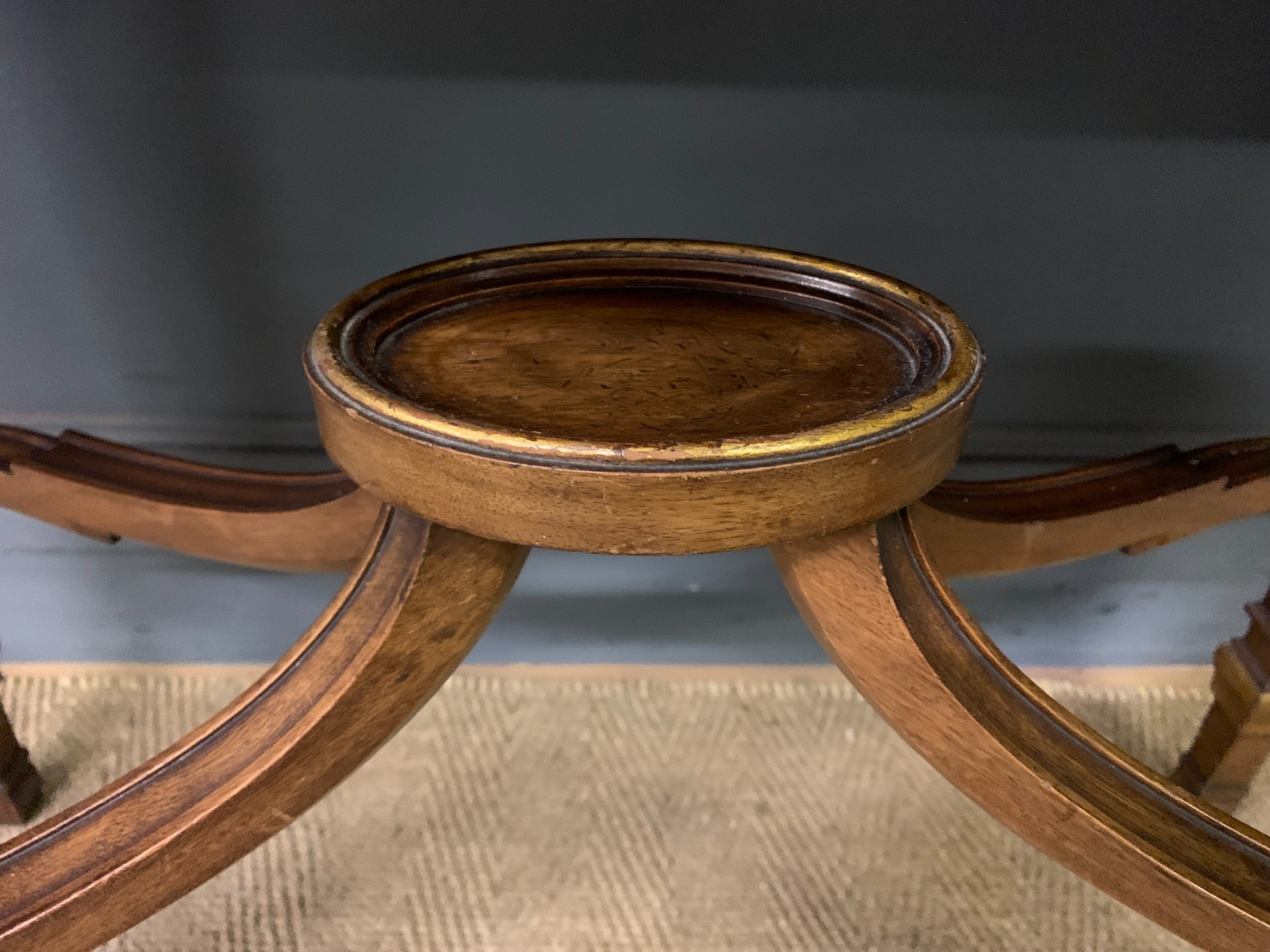
This neoclassical display cabinet by Waring and Gillow dates to 1910 and measures 223 cm high, 140 cm wide, 46 cm deep. Constructed from walnut and satinwood with glass, the piece exhibits warm brown tones and a polished finish. The architectural form comprises a domed top over a pair of arched glazed doors enclosing shelved interiors, flanked by narrow cupboard doors featuring oval inlaid medallions. The exterior displays fine fluted carving on the tapered legs and decorative husk swags across the frieze, while an ornate curved stretcher unites the base. The hardware includes a dangling tassel handle on the central doors. Designed in the neoclassical revival style, this large cabinet serves as a sophisticated storage and display unit for a dining room, grand living room, or study to house glassware, fine china, or books. The two-section construction allows for straightforward installation within domestic interiors, and the piece provides secure storage with lockable doors.

Originating in the late 18th century and popularized during later revival periods, Neoclassical display cabinets feature symmetrical proportions, classical architectural moulding, fluted supports, and glazed doors to display porcelain and glassware.

These cabinets are typically constructed from dense hardwoods such as mahogany and satinwood, incorporating marquetry veneers, carved fluting, brass fittings, gilded accent details, and glass panels.

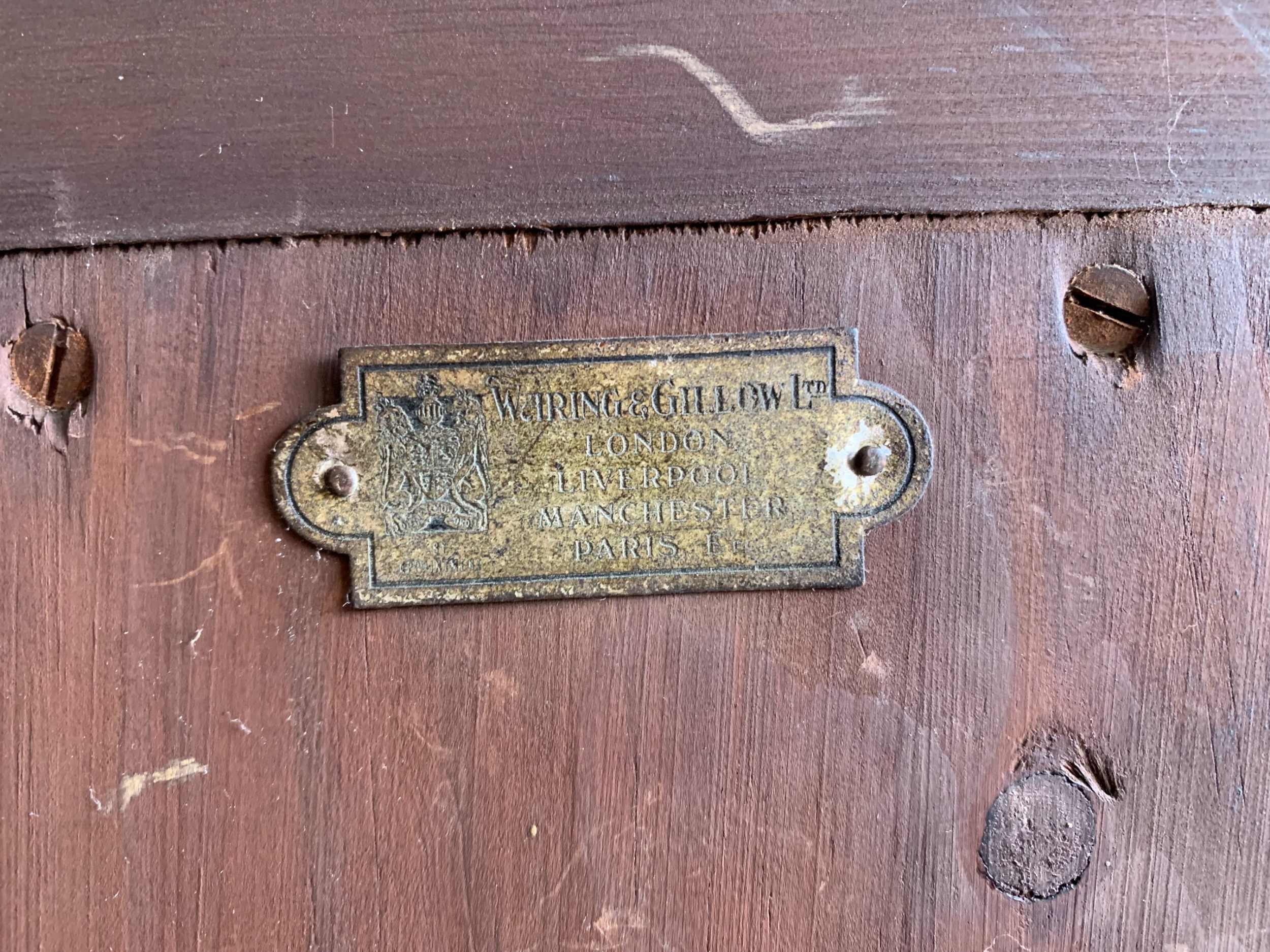
Look for maker stamps or brass plates on drawer rims and cabinet backs, precise dovetail joinery, hand-carved husk garlands or patera, and hand-cut veneer panels along the frame.

Place the cabinet against a neutral focal wall to highlight its vertical profile, filling the glass shelves with a curated selection of ceramics, contemporary glass, or monochrome books.

Keep the timber away from direct sunlight and heat sources to prevent veneer lifting, dust surfaces regularly with a soft microfibre cloth, and apply a natural beeswax polish annually.
items
Add keywords to the filter
Price
£100
£250000
Era
Period
Style
Material
Origin
Stock Location
Recently Added
Online Payments
Categories