
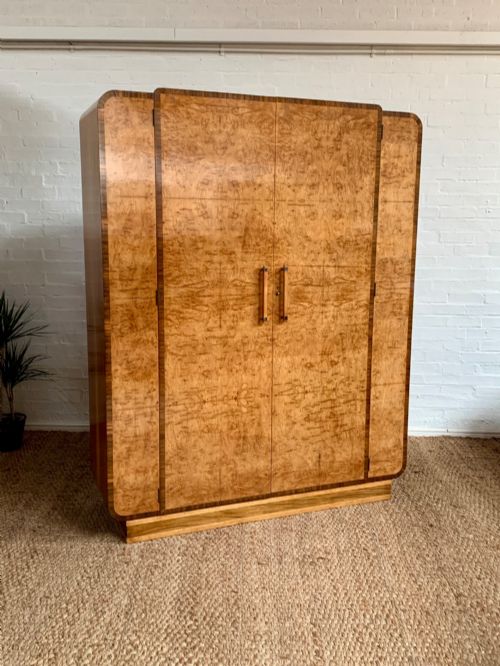
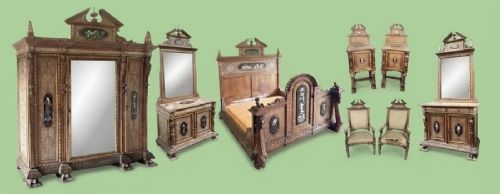


Waring and Gillow Cabinet
Waring and gillow cabinet pieces bring together substantial maker provenance and classic revival design, offering strong craftsmanship for period interiors.
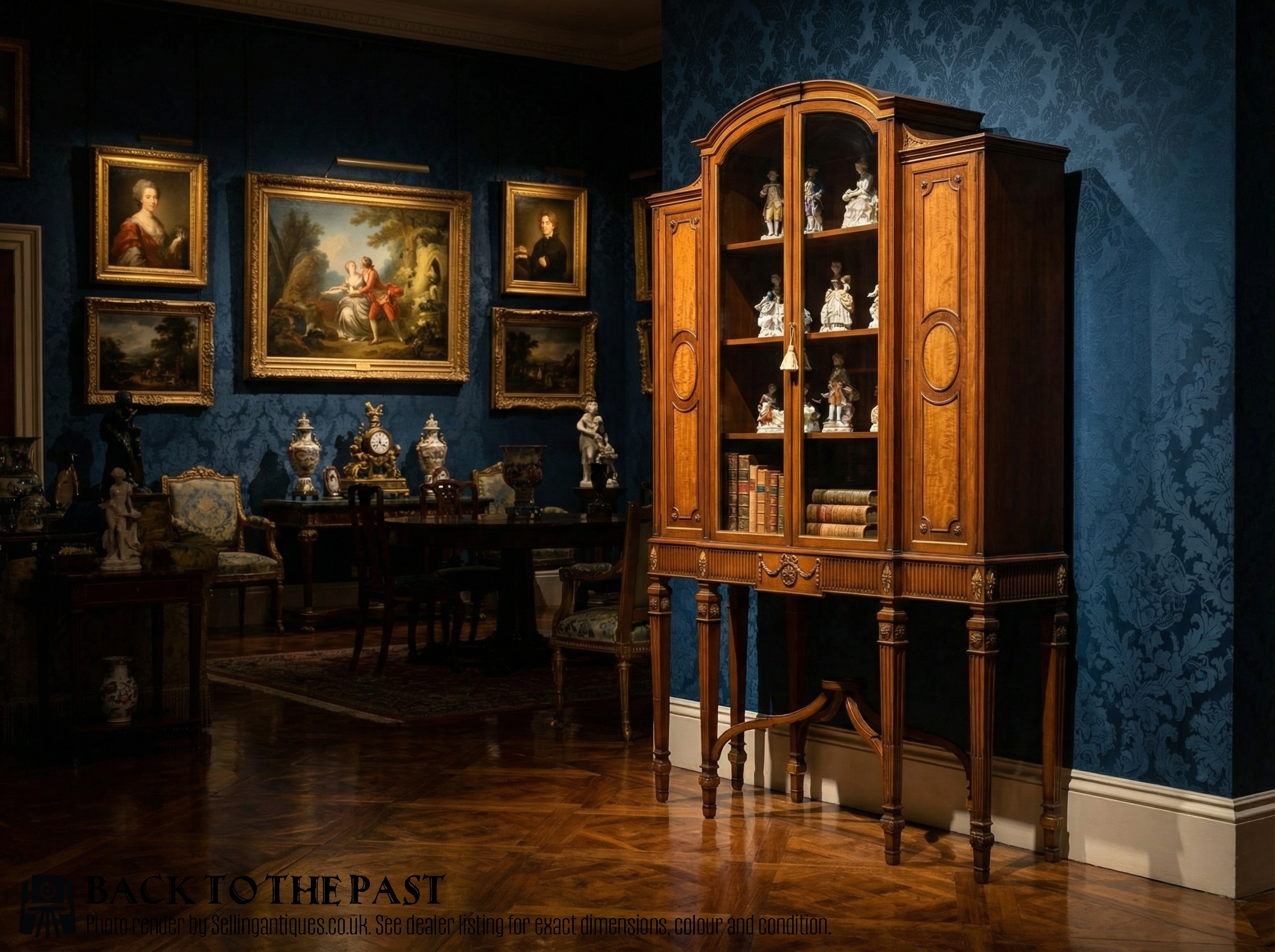
Waring and Gillow Cabinet
A waring and gillow cabinet represents the output of a celebrated Lancashire and London firm known for producing comprehensive furniture suites and standalone storage pieces. When you search for a waring and gillow cabinet, you encounter forms ranging from cocktail and drinks cabinets to display cabinets, bookcases, and linen presses.
The surviving pieces span multiple design revivals and decades, including Edwardian, Victorian, and Art Deco periods. You are most likely to meet walnut, mahogany, and oak examples that reflect Queen Anne, Chippendale, Jacobean, and Neoclassical styles.
Makers of this standing utilised varied timber selections, often pairing structural hardwoods with decorative veneers such as burr walnut and satinwood. Whether structured as a tallboy, a corner cocktail cabinet, or a bedside cupboard, each piece carries the distinct stamp or stylistic hallmarks of the firm.
Materials and construction methods
These cabinets rely on solid hardwoods like mahogany and oak for structural integrity, combined with decorative veneers such as burr walnut and satinwood to create figured surfaces. Brass hardware, including handles and hinges, provides functional detail alongside bevelled glass panels fitted to display doors.
Techniques range from traditional cabinet making and hand-painted decoration to parcel gilt embellishments on revival pieces. Makers employed fine marquetry, inlay, and polished finishes that highlight the natural grain of the timber.
Oak drinks cabinets from the nineteen thirties quietly hide compartments for gin and crystal behind staunch Jacobean revival panelling.
Distinctions in craftsmanship
Quality in these pieces depends upon the selection of timber veneers and the precision of the cabinet making. Finer examples display meticulously matched burr walnut or satinwood grain patterns across large surfaces, paired with substantial solid secondary timbers.
The treatment of revival details, from carved mahogany mouldings to parcel gilt highlights and hand-painted elements, separates standard production from exceptional pieces. Stamped maker marks and integrated interior fittings like specialised drinks compartments further elevate the standing of a piece.
Waring and Gillow
The Waring and Gillow Cabinet Glossary
- Burr walnut
- A figured timber veneer taken from the growth excrescences of walnut trees. It creates intricate, swirling grain patterns highly prized for cabinet fronts.
- Cocktail cabinet
- A specialised storage piece designed for mixing and serving drinks. These frequently feature mirrored interiors, pull-out slides, and dedicated bottle storage.
- Linen press
- A tall storage cabinet traditionally used for household linens, combining upper cupboard doors with lower drawers.
- Parcel gilt
- A decorative technique where specific carved details or mouldings are partially covered in gold leaf while the surrounding timber remains polished.
- Tallboy
- A tall chest of drawers, often incorporating a cupboard section at the top, raised on a base or stand.
Waring and Gillow Cabinet: Frequently Asked Questions
What periods do these cabinets cover?
The pieces span from the late nineteenth century through the Edwardian era and into the interwar years of the nineteen thirties. This covers Victorian, Edwardian, and Art Deco periods of production.
Design revivals heavily influence these dates, with seventeenth-century Jacobean styles and eighteenth-century Queen Anne and Chippendale forms reinterpreted by the firm across decades.
How do I identify a piece by this maker?
Many items feature stamps, paper labels, or brass plaques bearing the firm's name. Stylistic markers include high-grade burr walnut veneers, brass hardware, and precise revival carving.
Comparing the construction quality and interior fittings against documented pieces helps confirm attribution when explicit stamps are absent from the woodwork.
Where were these cabinets used in a home?
Depending on the specific form, these cabinets served various rooms. Display cabinets and bookcases stood in libraries and drawing rooms, while drinks and cocktail cabinets occupied dining and entertaining spaces.
Bedside cabinets and linen presses functioned within bedrooms, offering practical enclosed storage suited to period domestic life.
How do I care for burr walnut and mahogany surfaces?
Protect the timber by keeping pieces away from direct sunlight and maintaining stable room humidity. Regular dusting with a soft, dry cloth preserves the polished finish.
Occasional application of appropriate wax polish maintains the moisture and lustre of the veneer without building up heavy residues over time.