

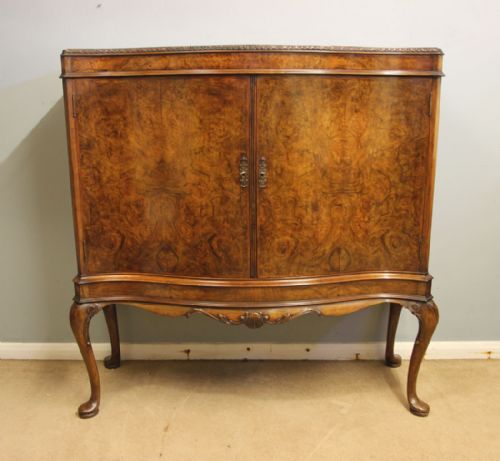
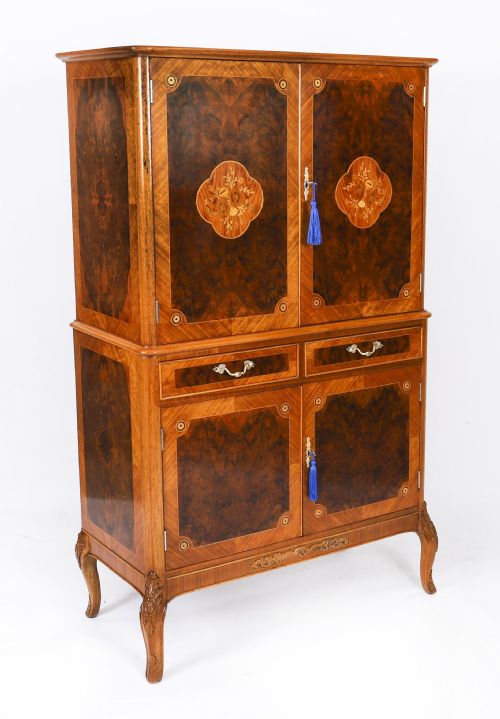

Walnut Drinks Cupboard
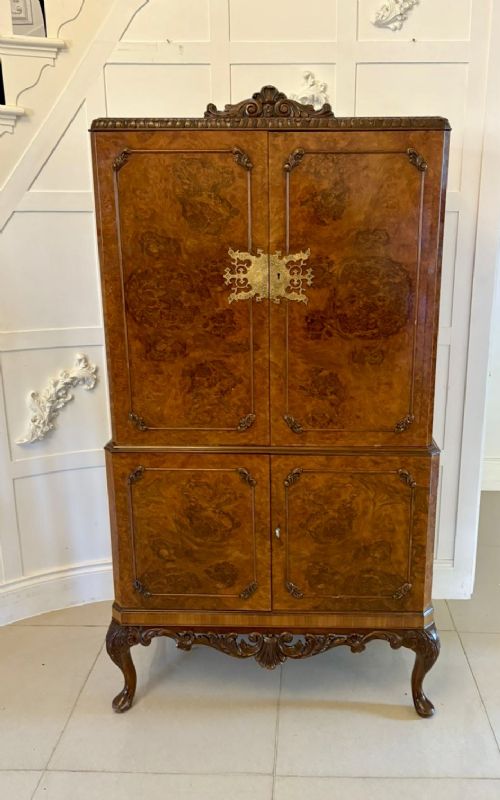
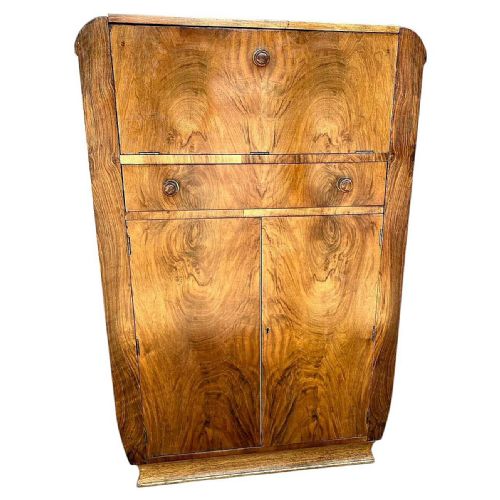
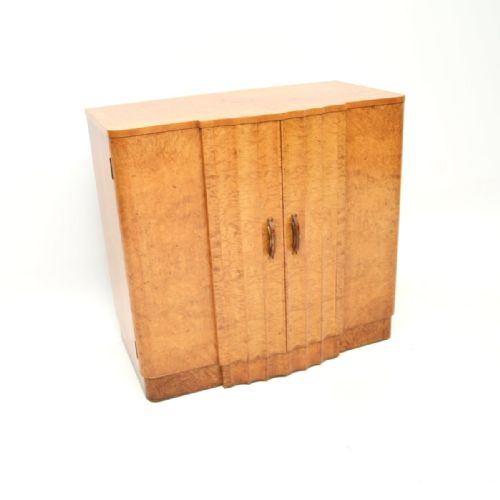
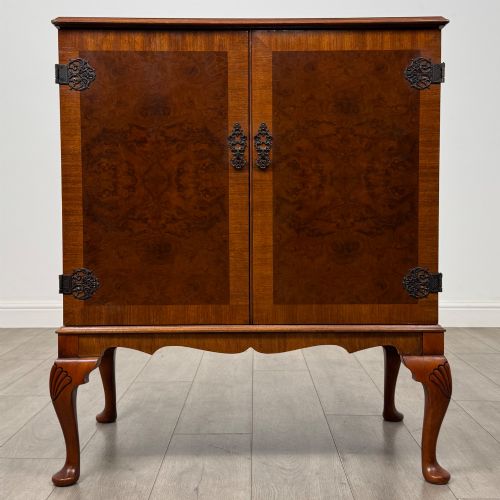
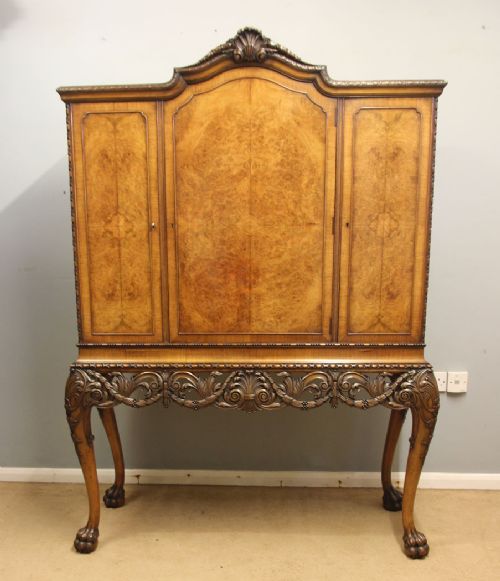
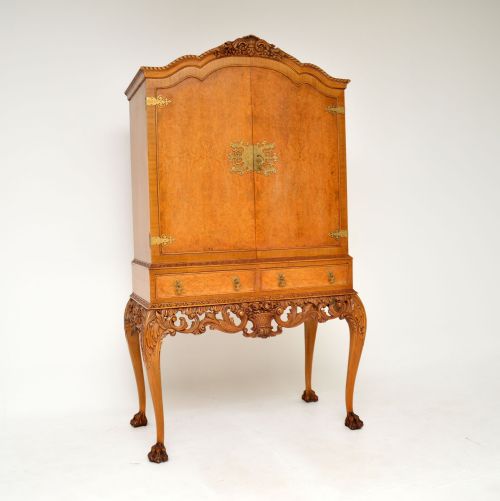
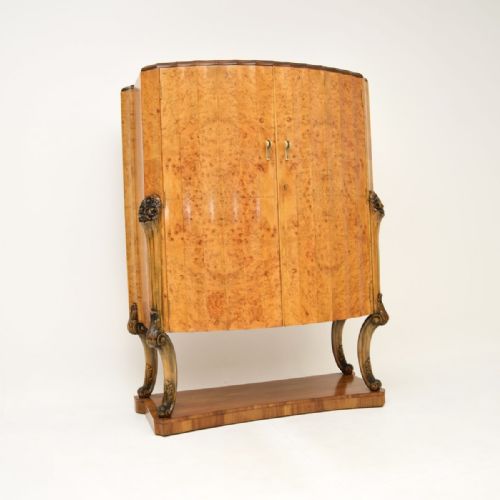
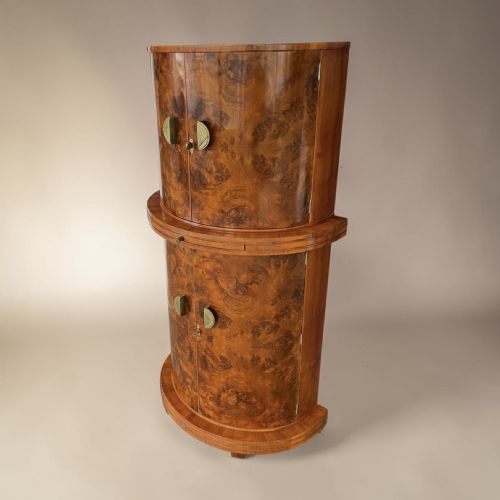
A walnut drinks cupboard brings striking grain and serious presence to a room while keeping glassware and bottles neatly housed behind polished timber doors.
Walnut Drinks Cupboard
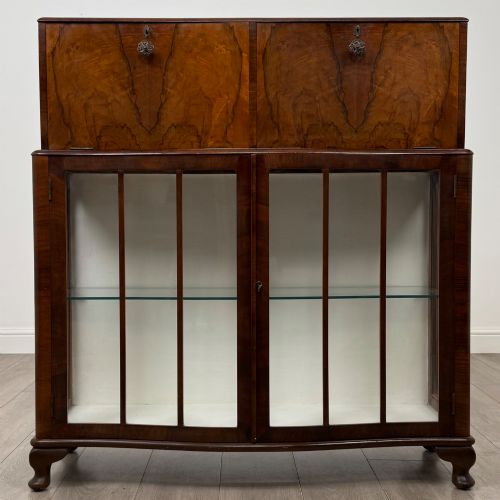
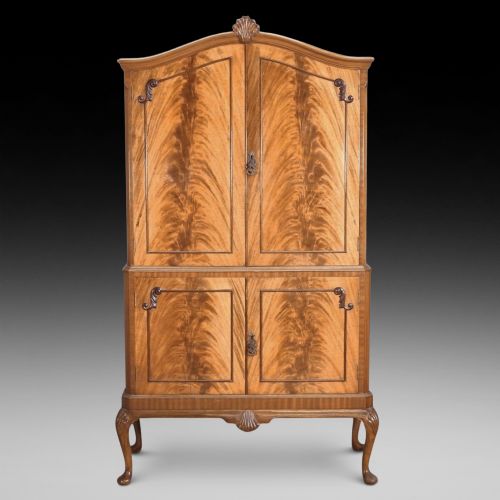
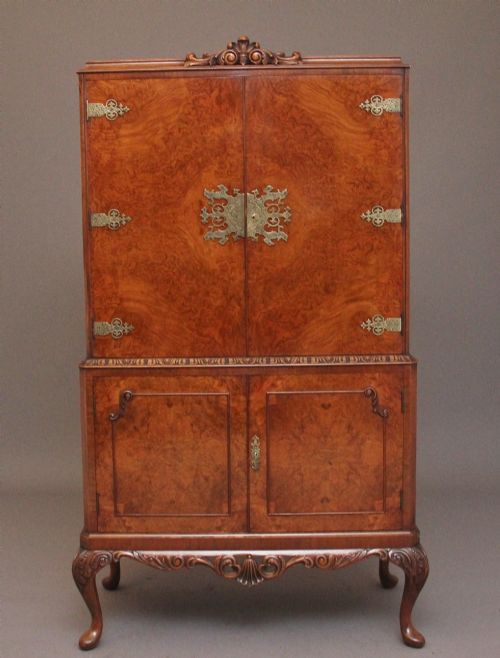
When you search for a walnut drinks cupboard, you enter a world dominated by early twentieth-century cabinet-making, where cocktail cabinets and fitted drinks furniture take centre stage. The selection ranges from 1930s Art Deco creations to 1920s pieces and earlier revivals reaching back to the seventeenth century. Most encounters on this page point towards cocktail and drinks cabinets designed for home entertaining.
Forms vary from double bow front cupboards and three-door side cabinets to elaborate cabinets on stands and corner units. Alongside dedicated drinks furniture, you encounter side cabinets, linen cupboards, and occasional tables that share the same rich timber vocabulary. Origins span from Edwardian interpretations to the bold geometric lines of the interwar period.
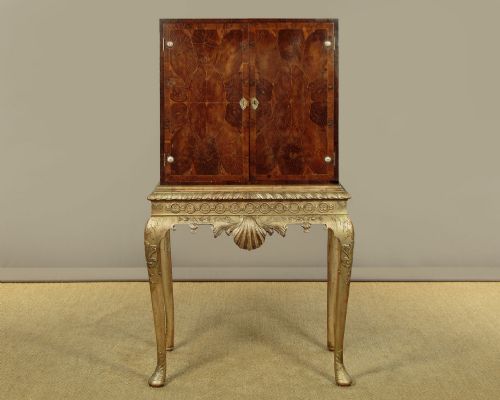
Stylistic influences draw heavily on earlier British and continental vocabularies, notably Queen Anne revival, William and Mary oyster veneer work, and Louis XVI style touches. Yet the majority embrace the clean, sweeping curves of Art Deco design or the understated craft of the Arts and Crafts movement. This mix creates a distinct group of functional furniture built around social hospitality.
Materials and Construction
Makers relied on walnut and burr walnut as the defining surface timbers, selecting figured veneers to create dramatic patterns across the doors and panels. These rich wood grains are frequently paired with contrasting materials such as brass fittings, glass shelves, mirror-topped surfaces, and marble tops.
Underpinning the decorative veneer work is solid wood construction, often incorporating oak or mixed secondary timbers to form robust carcases. Specialised techniques such as marquetry add intricate detail to the exterior surfaces, while interiors are frequently fitted with specialised compartments for bottles, glassware, and mixing trays.
Some interwar cocktail cabinets hid clever sliding mirror shelves designed to make mixing martinis feel like stepping into a West End hotel lounge.
Distinctions in Quality
Quality rests primarily in the selection and matching of the burr walnut veneer, where symmetrical grain patterns across large surfaces denote superior workshop standards. Lesser pieces rely on plain timber or repetitive patterns that lack the depth and movement found in exhibition-grade examples.
Interior architecture further separates the standard production from the exceptional. Fitted compartments, pull-out slides, integrated lighting, and carefully configured mirror glass demonstrate the maker's commitment to function as well as display.
Harry and Lou Epstein·Epstein·Hille·Waring and Gillow·Whytock and Reid of Edinburgh
The Walnut Drinks Cupboard Glossary
- Burr Walnut
- Timber taken from the growth growths or burls of a walnut tree, yielding a swirling, highly decorative grain pattern. This material defines the most sought-after cabinet exteriors.
- Marquetry
- The art of applying pieces of veneer to a structure to form decorative patterns and pictures. Skilled craftspeople use this technique to elevate flat cabinet doors into artistic displays.
- Oyster Veneer
- Thin slices of branch wood laid side by side to create circular or oval patterns resembling oyster shells. This meticulous method appears on early pieces dating back to the seventeenth century.
- Side Cabinet
- A versatile low storage unit designed to sit against a dining room or living room wall. These pieces often provide deep cupboard space alongside surface display areas.
Walnut Drinks Cupboard: Frequently Asked Questions
What is the difference between a drinks cabinet and a cocktail cabinet?
A cocktail cabinet specifically designates a piece equipped with a drop-down serving flap, glass-lined interior surfaces, and dedicated storage for cocktail shakers and glassware. A broader drinks cabinet may simply refer to any cupboard configured to hold bottles and general barware behind traditional doors.
While both serve the same social function, cocktail cabinets from the 1920s and 1930s often display more elaborate internal fittings and specialised lighting compared to standard side cabinets adapted for bottle storage.
How do I date a walnut drinks cabinet?
Dating relies on stylistic markers such as the geometric symmetry of 1930s Art Deco pieces versus the softer, revivalist curves of 1920s and Edwardian examples. Hardware choices, internal mirror work, and construction methods also provide clear chronological clues.
Earlier seventeenth-century precursors use distinct techniques like oyster veneering on stands, whereas twentieth-century pieces incorporate internal mechanisms, pull-out slides, and modern hinges hidden within fitted compartments.
How do I care for burr walnut furniture?
Maintenance requires dusting with a soft, dry cloth and avoiding silicone-based polishes that can damage the historical finish. Keeping the timber away from extreme temperature fluctuations prevents the veneer from lifting.
Occasional application of appropriate wax feeds the wood and maintains the deep lustre of the burr walnut grain without building up a heavy, cloudy residue.