


Vintage Walnut Liquor Cabinet
A vintage walnut liquor cabinet brings period charm to entertaining, housing bottles and glassware in fitted compartments.
Vintage Walnut Liquor Cabinet
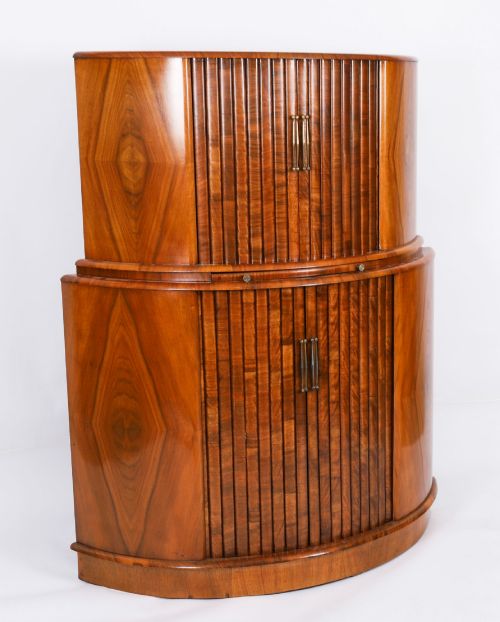
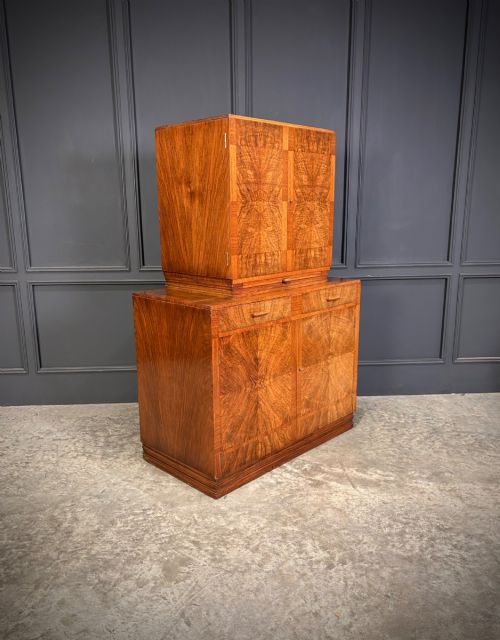
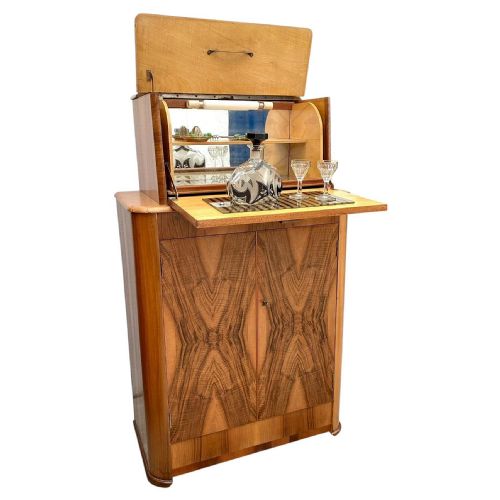
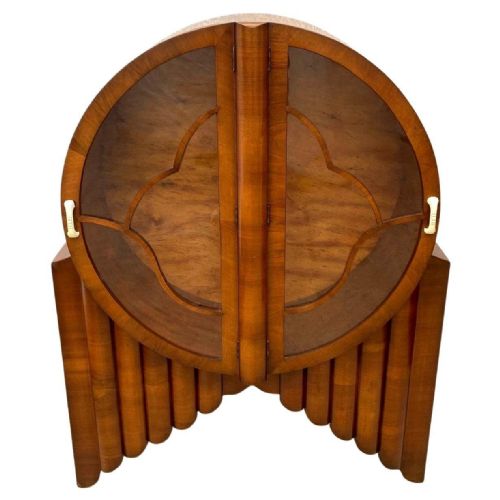
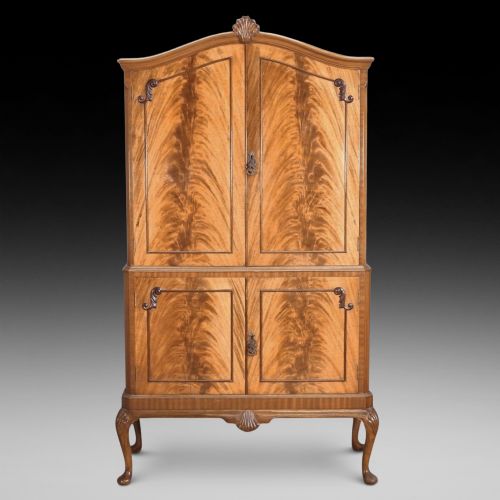
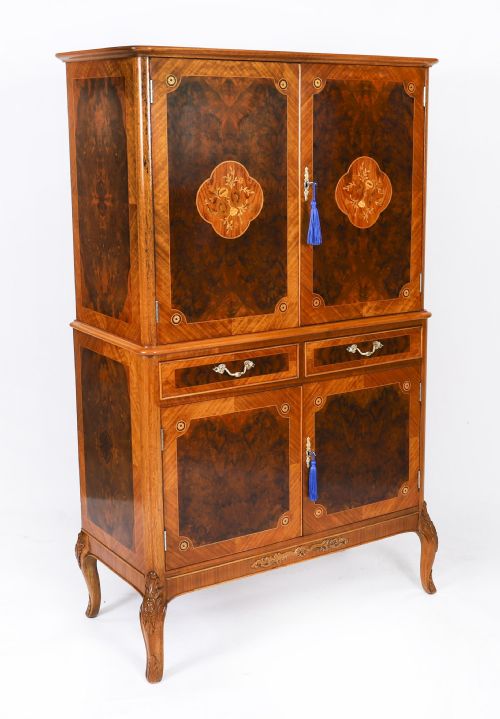
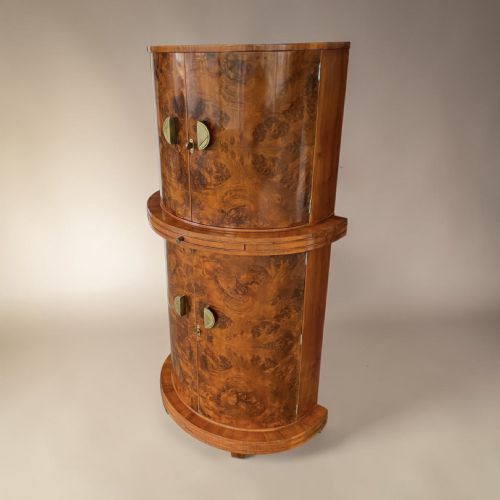
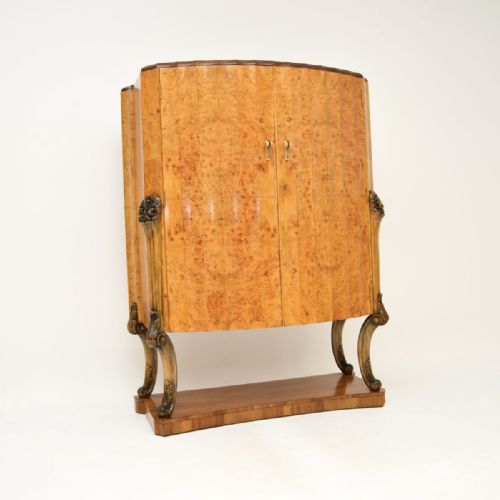
A vintage walnut liquor cabinet encompasses dedicated receptacles for hosting, appearing primarily as cocktail cabinets, drinks cabinets, and dry bar tables from the 1920s and 1930s. Alongside these twentieth-century forms, occasional nineteenth-century examples emerge, including Regency cellarettes and Napoleon III tantalus pieces.
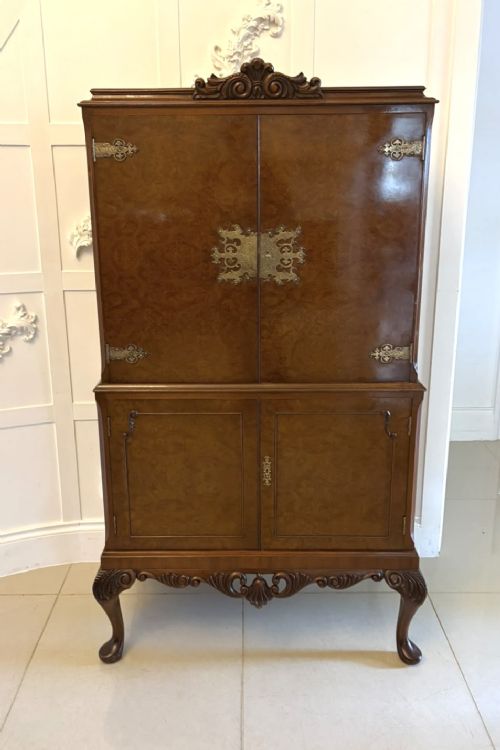
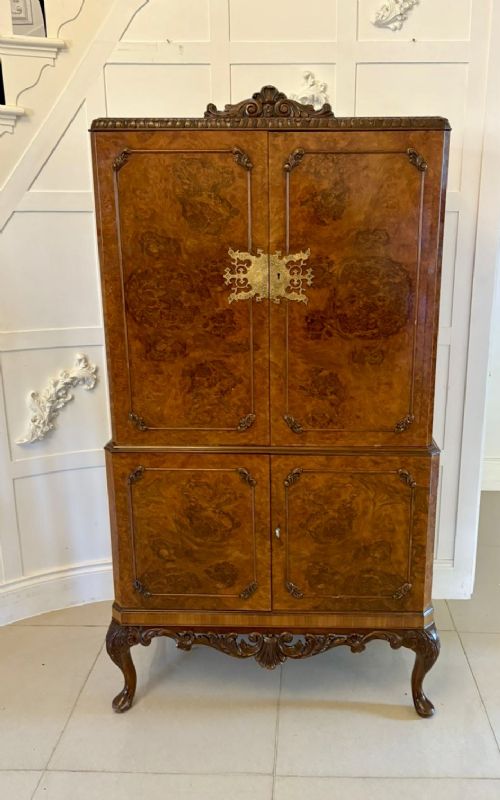
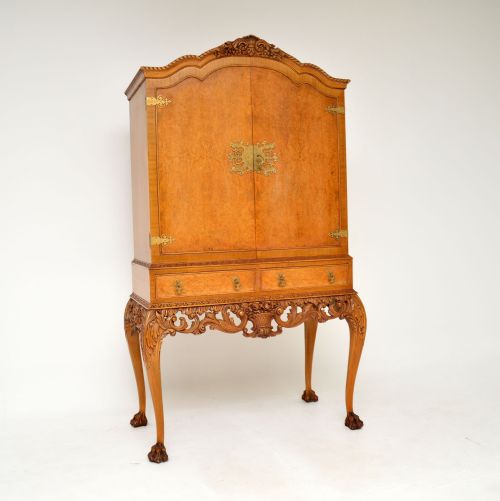
The dominant aesthetic centres on Art Deco design, often rendered in rich burr walnut veneer, complemented by Queen Anne Revival styles featuring cabriole legs and traditional silhouettes.
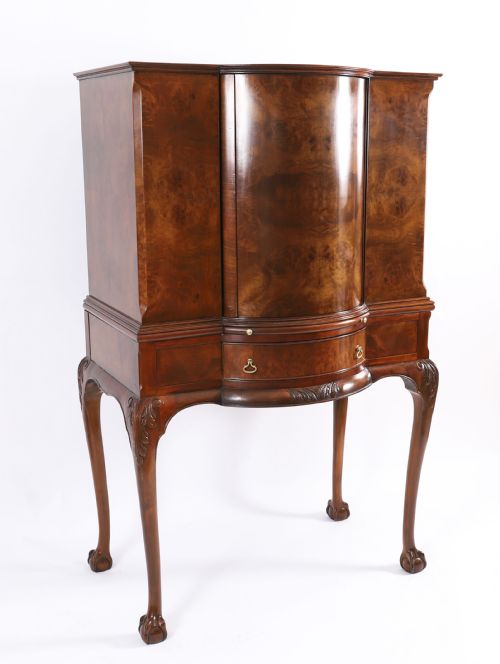
Buyers encounter forms ranging from upright standing cupboards and serpentine chests to revolving dry bars and pop-up tables, each engineered to store decanters, glasses, and mixing accessories.
Materials and Construction
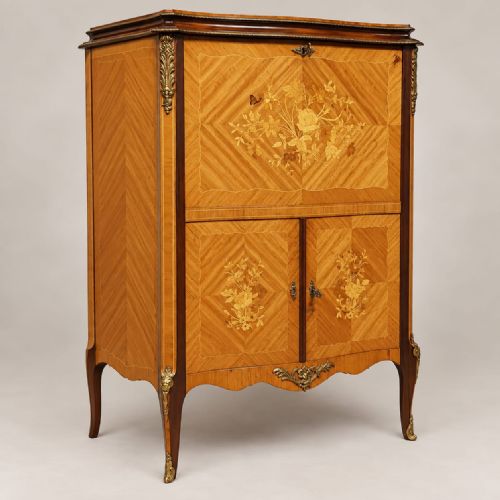
Cabinet makers utilised solid timber frameworks overlaid with walnut and burr walnut veneer, harnessing the swirling grain patterns of the wood to create decorative geometric or marquetry facades on doors and panels.
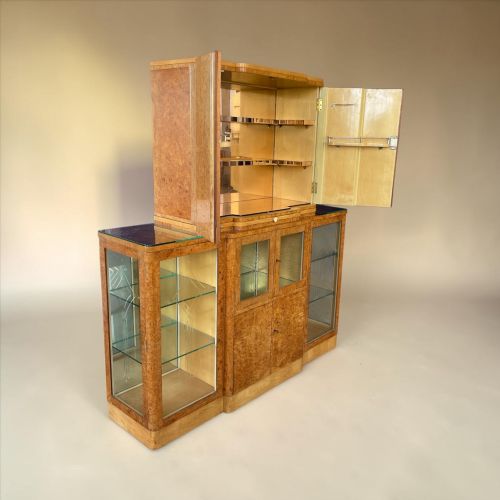
Interiors frequently incorporate mirror glass backings, pull-out preparation slides, and glass shelving designed to reflect light and display glassware effectively.
Brass hardware, locks, hinges, and occasional metal accents provide functional closure and structural contrast against the dark brown tones of the timber.
Vintage Walnut Liquor Cabinet Retail Price Guide 2026
Typical asking prices for vintage walnut liquor cabinet among the pieces listed under this phrase on Sellingantiques today, from the lower quarter to the upper quarter. They describe what is for sale here now, not the wider market.
Some mid-century cocktail cabinets feature rotating mechanisms, transforming a staid wooden box into a spinning social hub with a gentle push.
Distinctions in Standard
The ambition of the design dictates the standing of a piece, separating straightforward utilitarian storage from sculptural Art Deco creations with complex curved silhouettes and bespoke marquetry inlay.
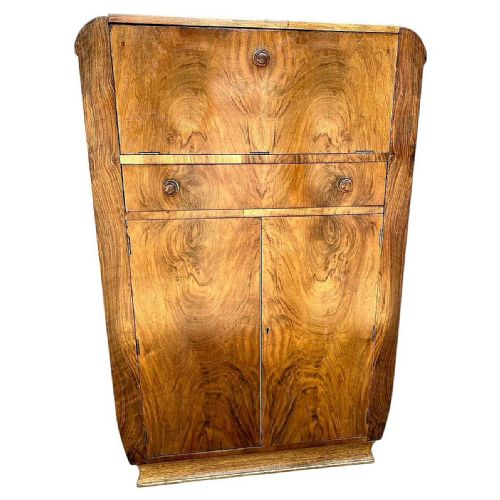
The selection and book-matching of burr walnut veneer dictate visual impact, distinguishing cabinets with symmetrical, highly figured grain patterns from those utilising plain timber surfaces.
Internal sophistication marks out superior examples, where fitted lighting, mirrored serving trays, and revolving mechanisms demonstrate elevated craftsmanship.
Epstein·Hille·Harry and Lou Epstein·Waring and Gillow
The Vintage Walnut Liquor Cabinet Glossary
- Burr walnut
- Timber cut from walnut tree growths that produce swirling, knotty grain patterns. This highly decorative wood is sliced into thin veneers for cabinet facades.
- Cellarette
- A low freestanding container designed to hold wine bottles near a dining table. Regency examples often take the form of wooden stands with internal divisions.
- Tantalus
- A locking beverage holder containing decanters within a wooden frame. The design secures the stoppers so bottles cannot be opened without a key.
- Marquetry
- The art of applying small pieces of veneer to a structure to form decorative patterns. Craftsmen use contrasting woods to create pictorial designs on cabinet doors.
- Vitrine
- A glass-fronted display cabinet intended for showing glassware and ceramics. These pieces utilise transparent panels to exhibit contents from multiple angles.
Vintage Walnut Liquor Cabinet: Frequently Asked Questions
What is inside a vintage walnut liquor cabinet?
Interiors typically feature mirrored backs, glass shelving, and wooden racks designed to hold bottles, tumblers, and stemmed wine glasses securely.
Many designs incorporate pull-out slides or trays covered in glass or laminate, providing a flat surface for pouring drinks before guests.
How do I style a liquor cabinet in a modern room?
Position the piece against a plain wall where the figured burr walnut grain can serve as a focal point without visual competition.
Stock the interior with period glassware and vintage decanters to complement the heritage aesthetic when the cabinet doors are open.
Are these cabinets suitable for tall liquor bottles?
Internal shelf configurations vary considerably between Art Deco and earlier twentieth-century models, with some fixed compartments accommodating standard spirit bottles only.
Reviewing the internal layout prevents difficulty when storing taller wine bottles or modern artisanal gin containers.
How do Art Deco models differ from Queen Anne styles?
Art Deco versions embrace geometric lines, rounded waterfall edges, and dramatic burr walnut veneers that emphasise modern industrial luxury.
Queen Anne style variants rely on historical revivals, featuring cabriole legs, pad feet, and traditional panelled woodwork reminiscent of earlier centuries.