


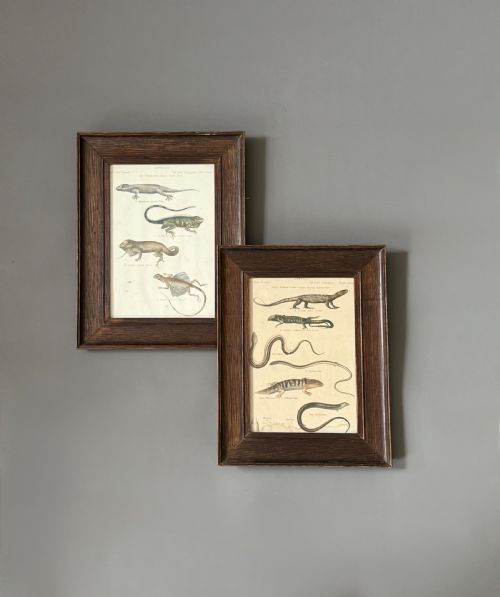
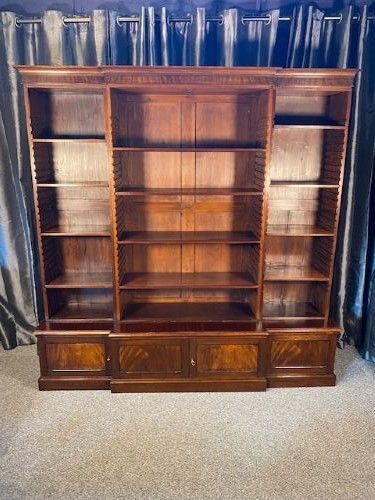
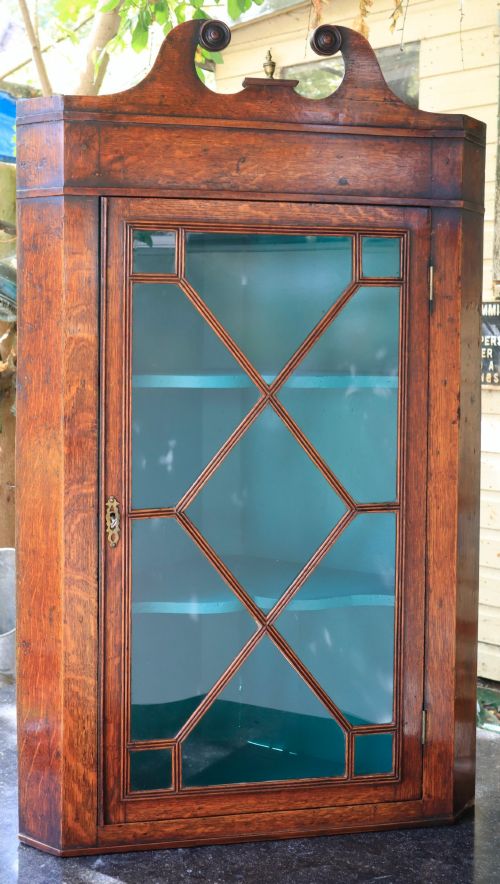

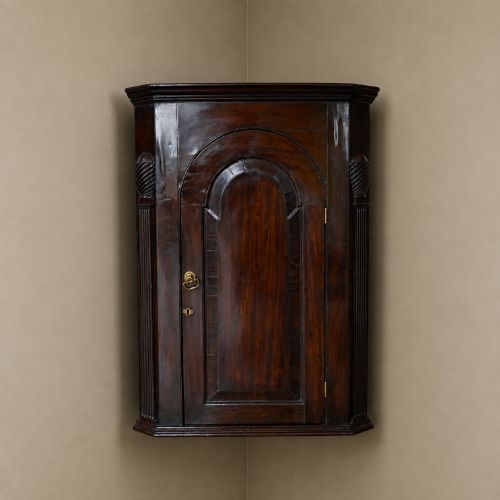
Dark Wood Wall Cabinet
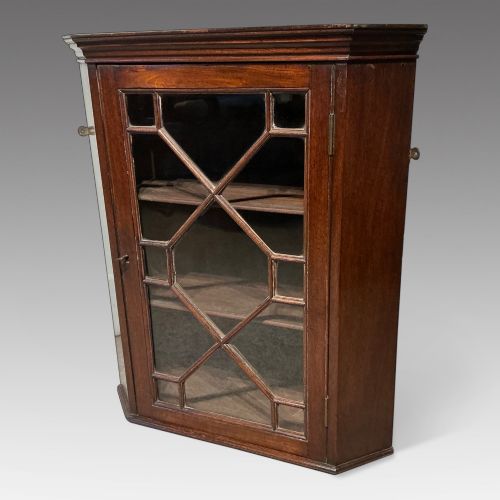
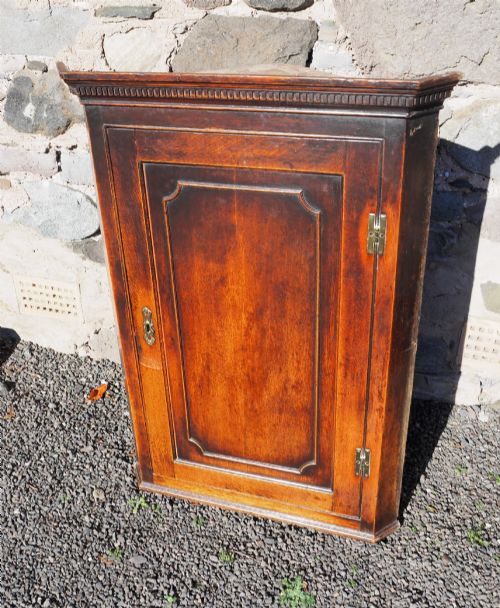
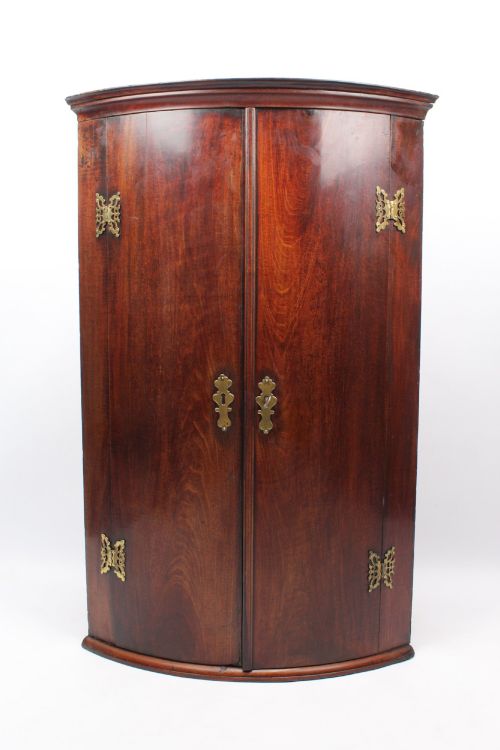
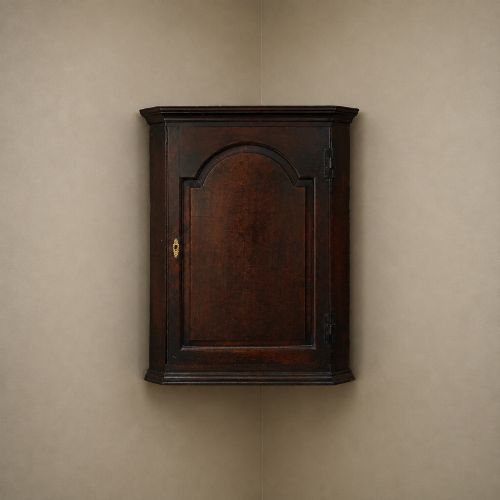
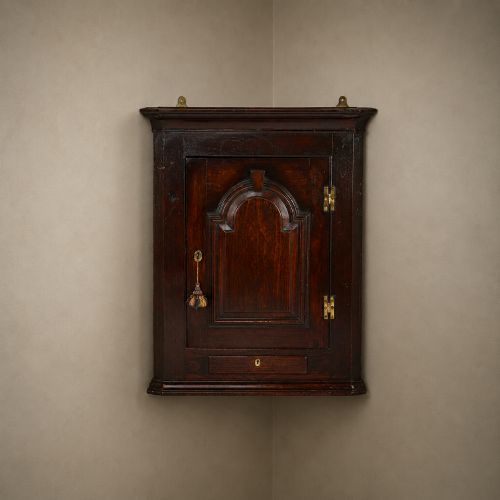
A dark wood wall cabinet brings warmth and practical storage to an interior, most frequently appearing here as a Georgian mahogany or oak corner cupboard.
Dark Wood Wall Cabinet
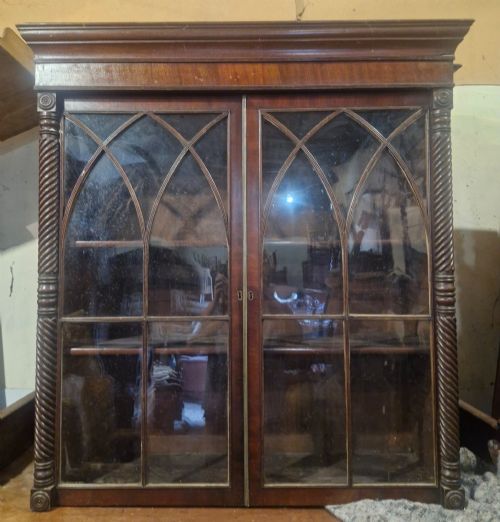
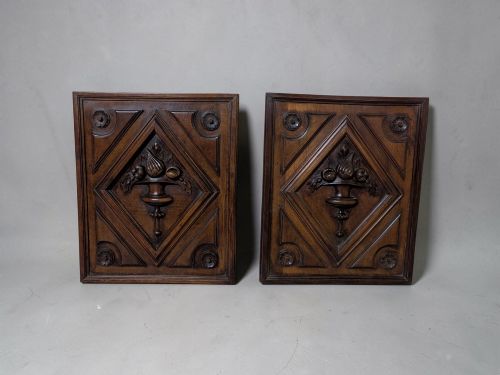
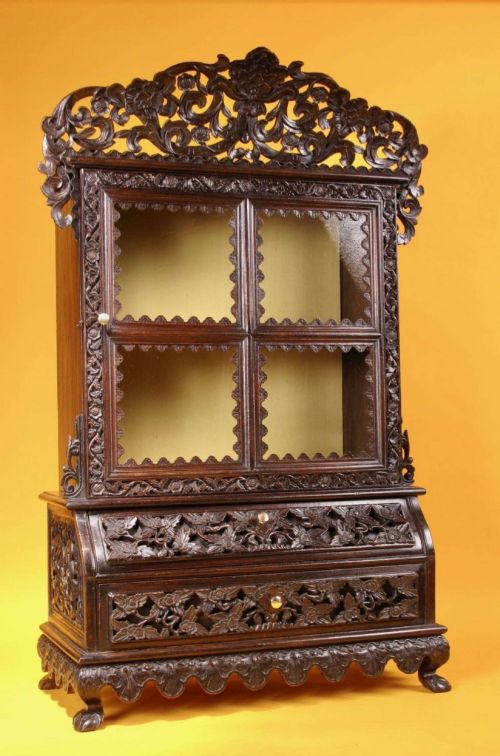
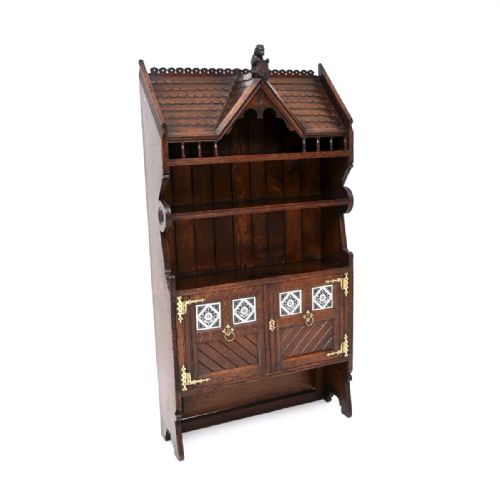
Beyond corner pieces, the inventory includes Victorian walnut and Edwardian display cabinets, alongside French provincial chestnut designs and rustic pine cupboards. These pieces were originally built to maximise compact spaces in domestic interiors, utilising corners and wall space where floor furniture would prove impractical.
Judging Quality
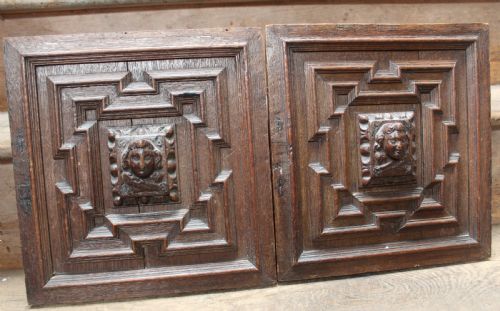
Quality in these wall pieces is determined by the choice of timber, the crispness of carved details such as broken arch pediments, and the originality of brass hardware, locks, and keys. Superior examples display carefully matched wood grain on the doors and well-proportioned cornices that denote skilled cabinet work.
The presence of original painted finishes or untouched patination on older oak and pine surfaces separates standard utility cupboards from more collectable specimens, while later alterations or replaced fixtures diminish the integrity of the piece.
Dark Wood Wall Cabinet Retail Price Guide 2026
Typical asking prices for dark wood wall cabinet among the pieces listed under this phrase on Sellingantiques today, from the lower quarter to the upper quarter. They describe what is for sale here now, not the wider market.
Listings span multiple centuries from the Georgian era to Edwardian times, utilising materials including mahogany, oak, walnut, pine, brass, and glass.
The Dark Wood Wall Cabinet Glossary
- Bow front
- A convex, outwardly curving cabinet front that became popular during the Georgian period for adding elegance and depth to corner cupboards.
- Pediment
- The decorative architectural structure placed above the cabinet door, often seen in triangular or broken arch forms on eighteenth-century pieces.
- Escutcheon
- A protective brass plate surrounding the keyhole, which serves both a functional purpose and a decorative role on cabinet doors and drawers.
- Carcase
- The main structural body or shell of a cabinet, excluding the doors, drawers, and removable cornices.
Dark Wood Wall Cabinet: Frequently Asked Questions
Where were these wall cabinets originally placed?
These cabinets were primarily designed for domestic rooms where floor space was limited, making corner cupboards particularly popular for dining areas and parlours.
They provided secure storage for tableware, food, or documents while keeping the room open and uncluttered.
How do I mount an antique wall cabinet safely?
Antique wall cabinets require secure fixing into solid masonry or direct wall studs using appropriate brackets to support their substantial timber weight.
Because pieces made from solid oak, mahogany, and walnut are heavy, professional installation ensures the antique structure remains undamaged under load.
Are keys usually included with these cabinets?
Many surviving Georgian and Victorian cupboards retain their original working locks and brass keys, though some rely on modern magnetic catches for daily convenience.
Working locks and keys add to the historical completeness of a piece, particularly when fitted with brass escutcheons.
How do I tell a Georgian corner cupboard from a Victorian one?
Georgian examples typically feature understated mahogany or oak construction with fielded panels and dentil cornices, dating from the eighteenth or early nineteenth century.
Victorian and Edwardian versions often incorporate darker walnut, glazed display panels, or decorative inlays reflecting later revivalist styles.