

Georgian Hanging Cupboard
A georgian hanging cupboard brings practical storage and architectural line to a room, most often appearing as a timber corner cabinet or wall-mounted cupboard.
Georgian Hanging Cupboard
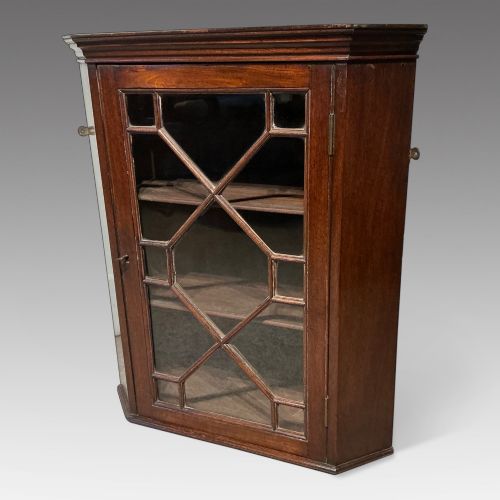
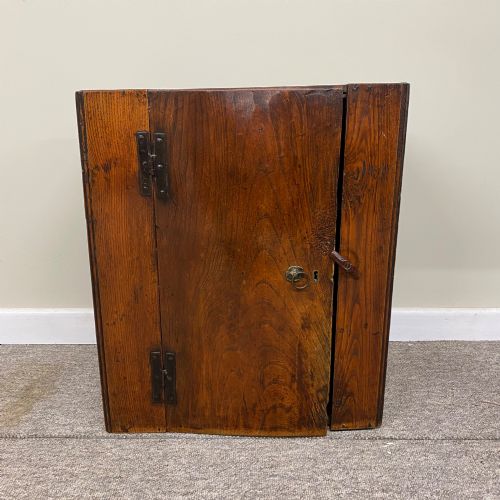
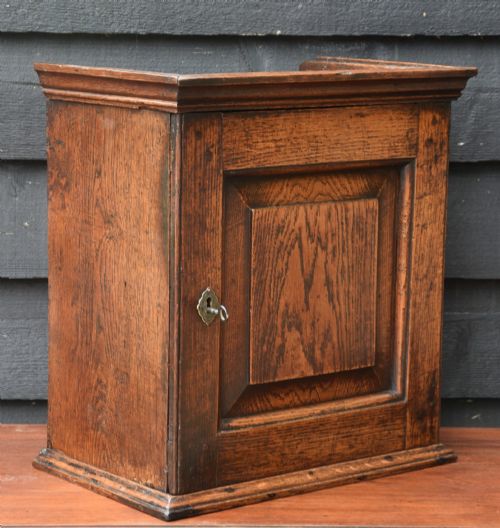
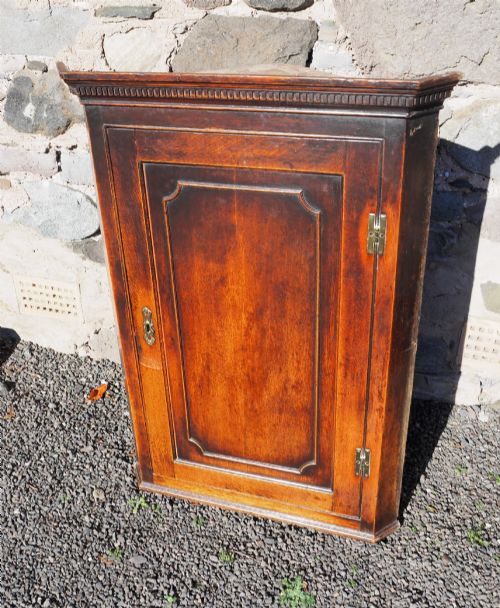
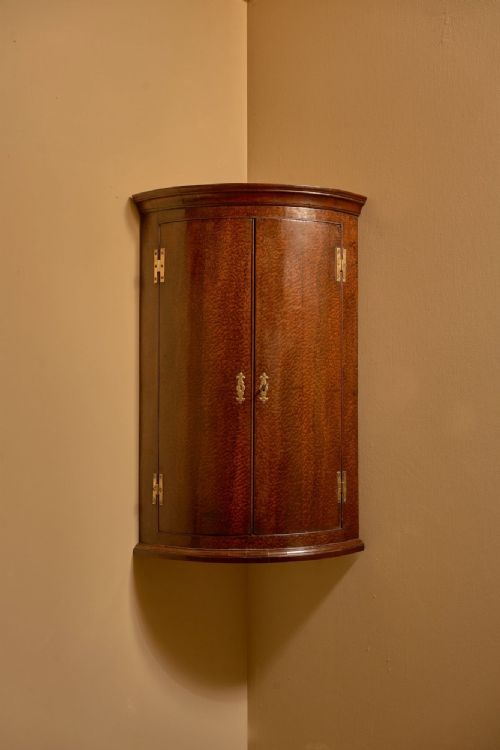
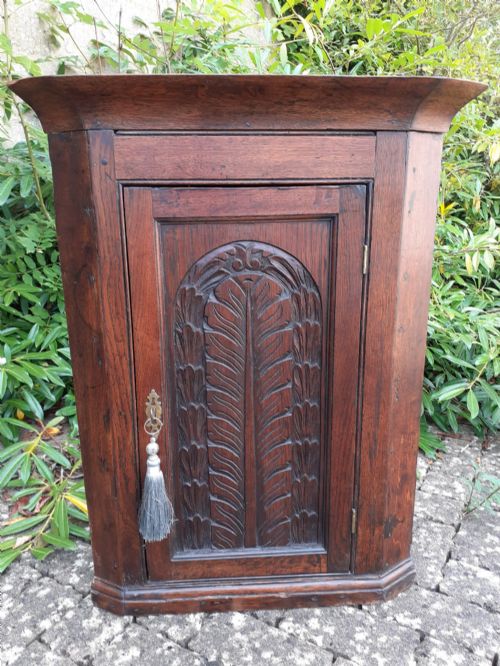
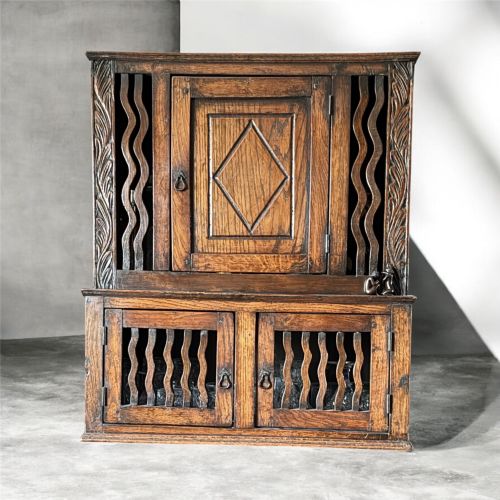
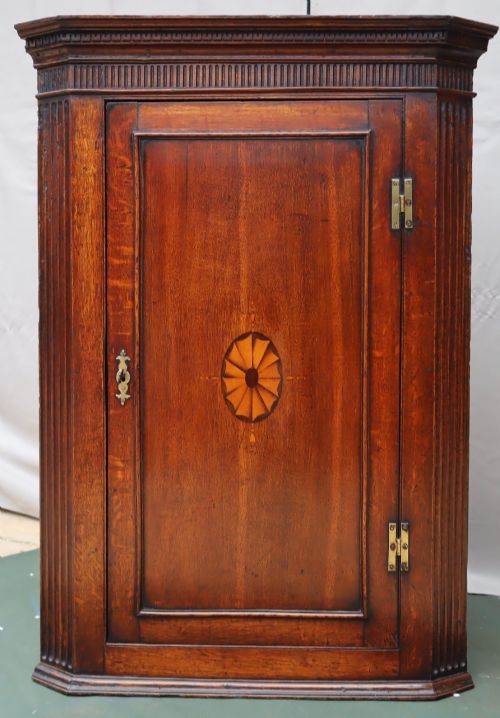
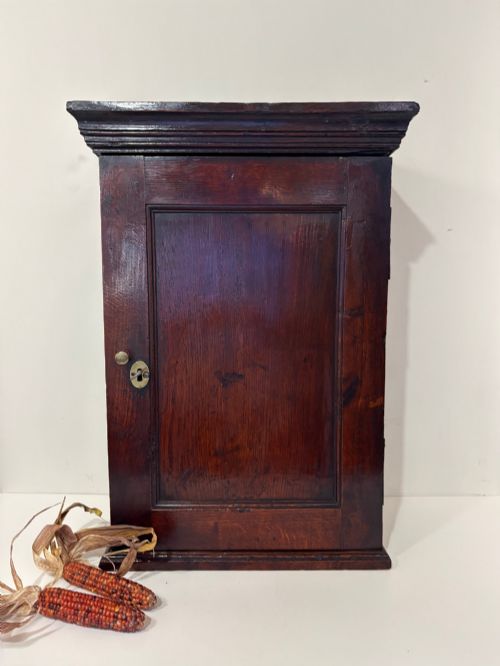
When you search for a georgian hanging cupboard, you encounter wall-mounted storage designed to fit domestic interiors without consuming floor space. The vast majority of examples on this page take the form of corner cupboards, wall cabinets, and small spice cupboards intended to be hung rather than stood.
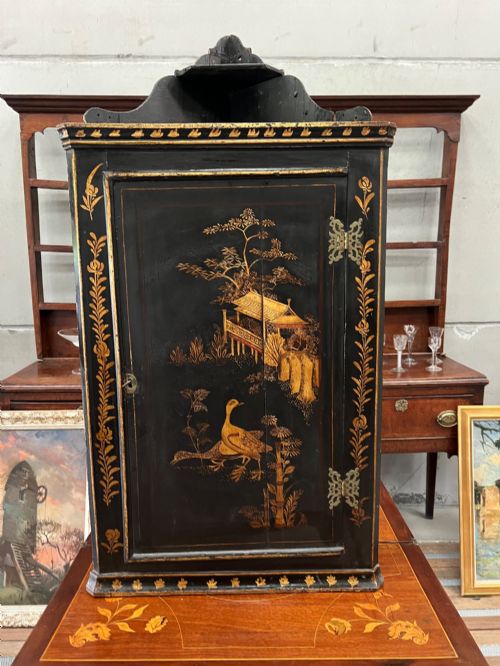
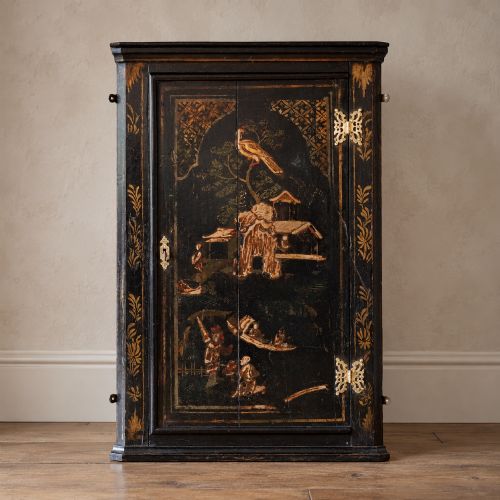
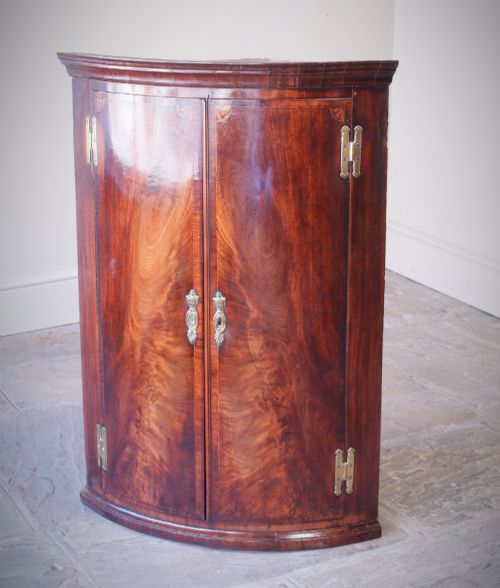
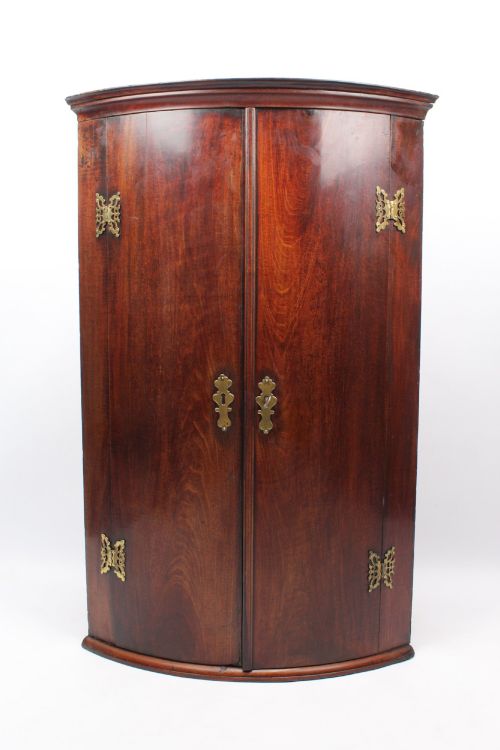
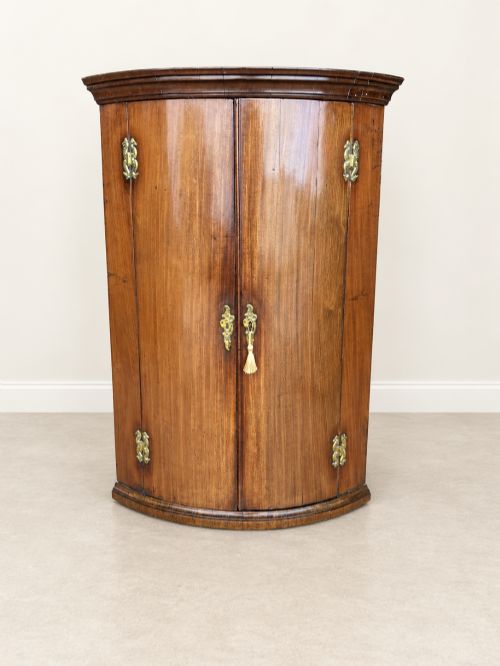
The evidence shows these pieces spanning the eighteenth and nineteenth centuries, alongside occasional revival pieces. Forms range from flat-fronted oak and mahogany wall units to sophisticated bow front and barrel front designs that curve outward into the room.
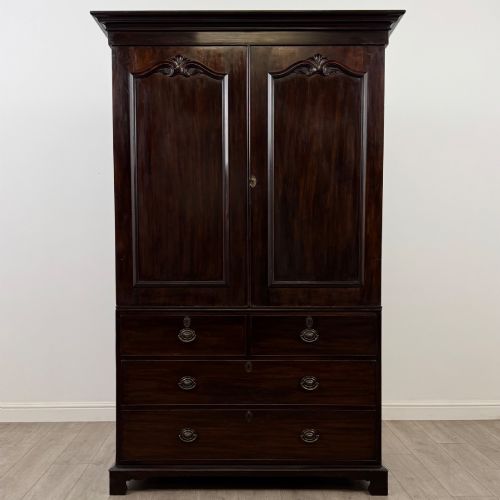
Alongside corner units, the archive reveals larger wardrobe and livery press forms designed for clothing storage. Most commonly, however, buyers meet compact wall cupboards intended for display or domestic provisions.
How They Were Made
Timbers dictate the construction of these pieces, with oak and mahogany appearing most frequently across the record. Cabinet makers utilised native woods like oak, elm, and pine for carcases and internal shelving, reserving rich imported mahogany, burr woods, and walnut for visible outer surfaces.
Georgian Hanging Cupboard Retail Price Guide 2026
Typical asking prices for georgian hanging cupboard among the pieces listed under this phrase on Sellingantiques today, from the lower quarter to the upper quarter. They describe what is for sale here now, not the wider market.
Several miniature spice cupboards survive from the 1700s, proving that even Georgian kitchens demanded tiny places to hide secret stashes.
What Varies in Quality
Quality rests upon the selection of timber and the sophistication of the cabinet work. Plain deal and pine carcases sit at the functional end of domestic use, whereas figured flame mahogany, burr elm, and burr oak represent finer commissions intended for principal rooms.
Subtleties of form further separate examples, such as the smooth curve of a barrel bow front compared to a standard mitred corner joint. Original surfaces, intact brassware, and integrated details like internal spice drawers or candle slides elevate individual pieces above standard utility cupboards.
The Georgian Hanging Cupboard Glossary
- Bow Front
- A cabinet front that curves outward in a convex arc. This shape softens the hard angles of a room.
- Japanned
- European furniture decorated with imitation East Asian low-relief lacquer finishes. This technique often employs raised motifs on a dark ground.
- Spice Cupboard
- A small wall-mounted cupboard containing interior drawers for provisions. These date predominantly to the early eighteenth century.
- Livery Press
- A large standing wardrobe or clothes press used for household linens. The evidence records these alongside smaller hanging cupboards.
- Candle Slide
- A small pull-out wooden shelf positioned beneath a cupboard door. This shelf held lighting while the owner accessed the interior.
Georgian Hanging Cupboard: Frequently Asked Questions
Where were hanging cupboards placed?
These cabinets were designed primarily to utilise unused angles in domestic rooms, making corner placement standard for wall-mounted units.
Larger variations functioned as bedroom wardrobes or landing cupboards for household linens and attire.
How do I date a Georgian cupboard?
Dating relies on timber choice, construction methods, and stylistic details recorded in the hardware and decorative veneers.
Early eighteenth-century examples favour solid oak with fielded panels, while later decades introduce mahogany veneers, stringing inlay, and curved bow fronts.
Are the interiors original?
Many surviving cabinets retain their original painted surfaces, fixed shelving, and small interior drawers or candle slides.
Surviving hardware such as brass H-hinges and working locks further indicate untouched internal fittings.
What is the difference between a wall cabinet and a corner cupboard?
Wall cabinets feature flat backs designed to sit flush against a single wall space within a room.
Corner cupboards utilise two angled back panels constructed to lock directly into the interior corner of a wall.