


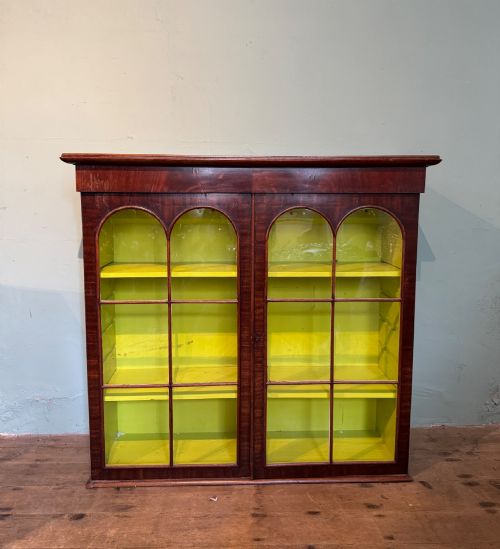
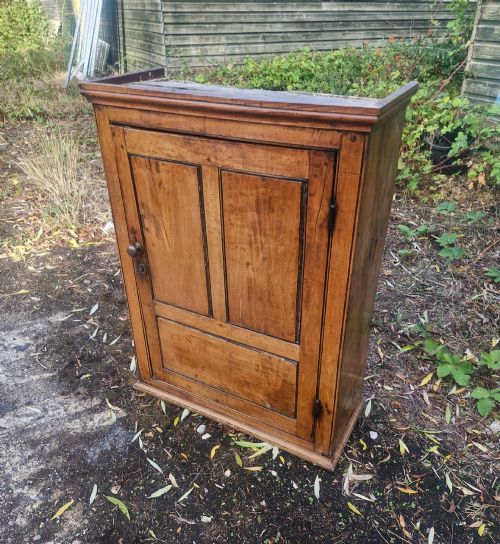
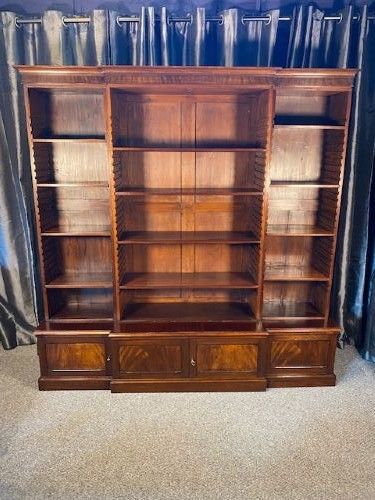
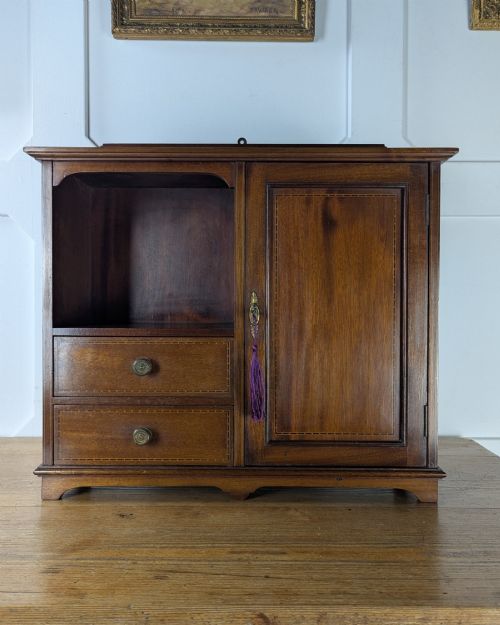
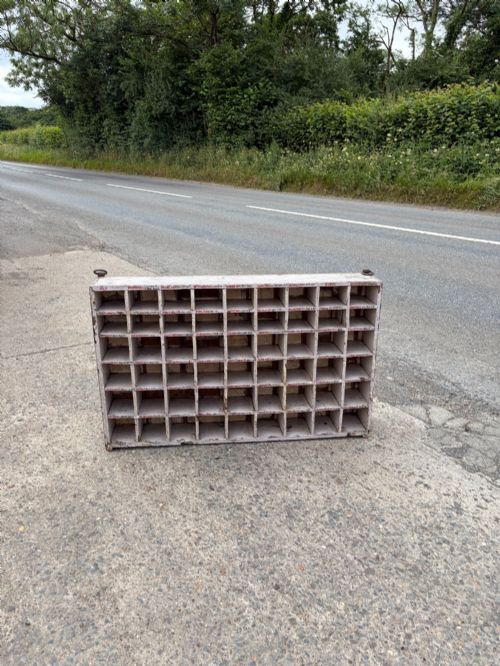
Antique Wooden Wall Cabinet
An antique wooden wall cabinet mounts flush to keep small treasures secure, turning plain plaster into a focal point of period craftsmanship.
Antique Wooden Wall Cabinet
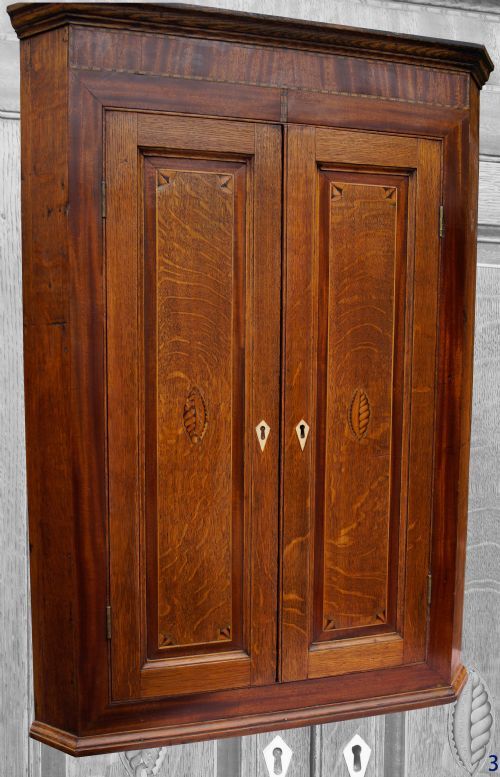
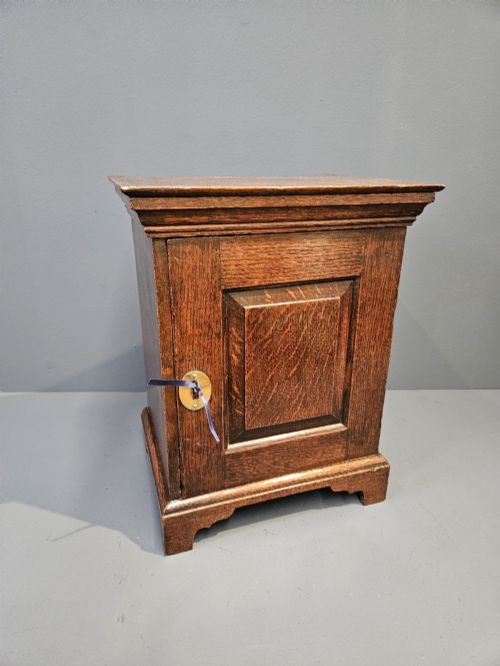
An antique wooden wall cabinet appears in forms ranging from compact spice cupboards to glazed display units designed to hang securely above floor level. These pieces serve to store valuables, display china, or organise household papers without taking up valuable floor space.
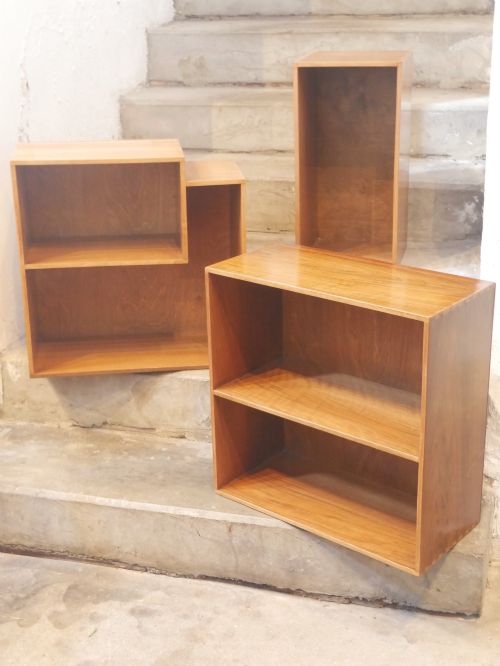
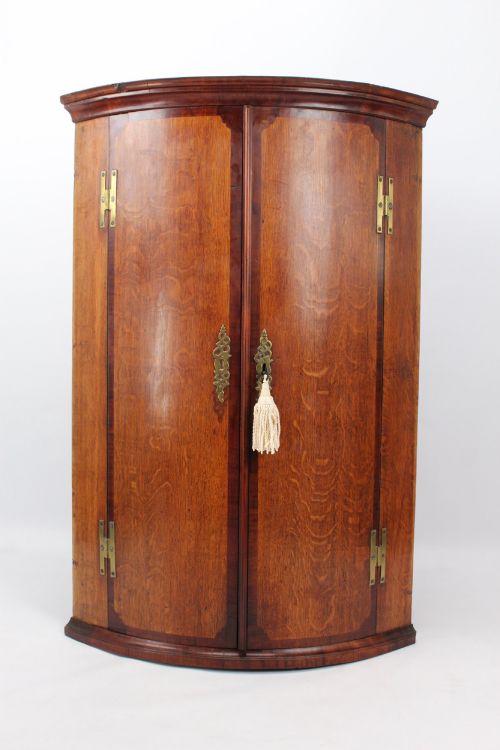
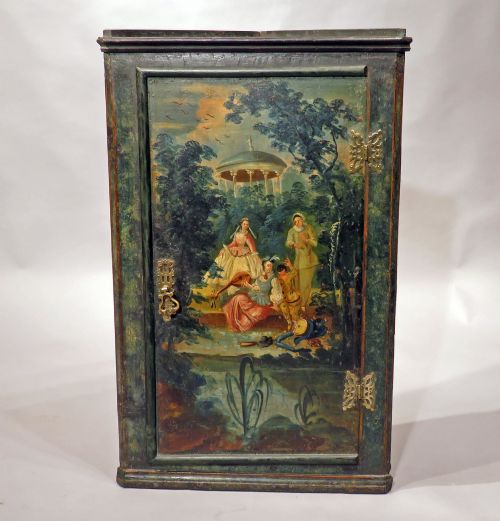
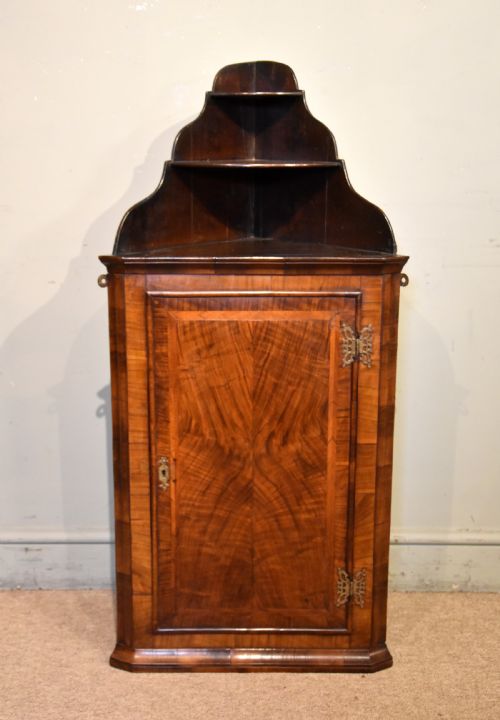
The selections span distinct periods from the seventeenth century through to the early twentieth century, taking shapes such as bow front corner cupboards, flat wall units, and hanging bookshelves. Oak and mahogany dominate the older Georgian and Victorian eras, while painted pine and walnut appear across regional and continental examples.
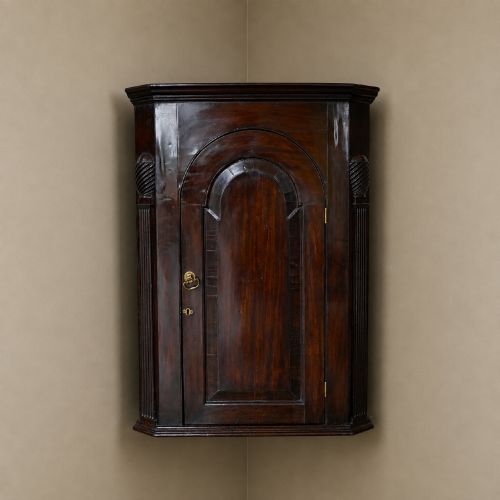
Corner cupboards represent a particularly common variation in this selection, engineered to fit snugly into room angles and maximise awkward junctions. Wall-mounted spice cupboards and key cabinets offer smaller proportions, whilst larger glazed cabinets provide visibility for collections.
How they were made
Cabinet makers relied primarily on solid timbers such as oak, mahogany, walnut, and pine, constructing carcases with dovetailed joints and pegged frames. Surfaces often received hand-carved detailing, inlay in contrasting woods, or protective layers of paint.
Glazing involved leaded or putty-secured glass panes set into timber doors, whilst brass hinges and latches provided durable operational hardware. Backboards frequently consisted of tongue-and-groove pine or oak planks secured with handmade iron nails.
Listings feature items built from oak, mahogany, walnut, pine, limewood, and satinwood across the eighteenth, nineteenth, and early twentieth centuries.
What varies in quality
The integrity of timber selection and joinery sets individual cabinets apart, with tighter dovetails and well-matched grain patterns indicating superior workshop output. Original brass hardware, intact glass, and untouched surface patination elevate the standing of a piece.
Regional variations introduce differing levels of decorative ambition, from austere provincial French and country oak to sophisticated Georgian mahogany with intricate crossbanding and inlaid stringing. Structural survival through centuries of use determines whether a cabinet retains its original backboards and hanging fixings.
Arthur Simpson
The Antique Wooden Wall Cabinet Glossary
- Bow front
- A cabinet front that curves outward in a convex shape, common in Georgian mahogany and walnut corner cupboards. This curved construction requires precise joinery to shape the timber doors and frame.
- Spice cupboard
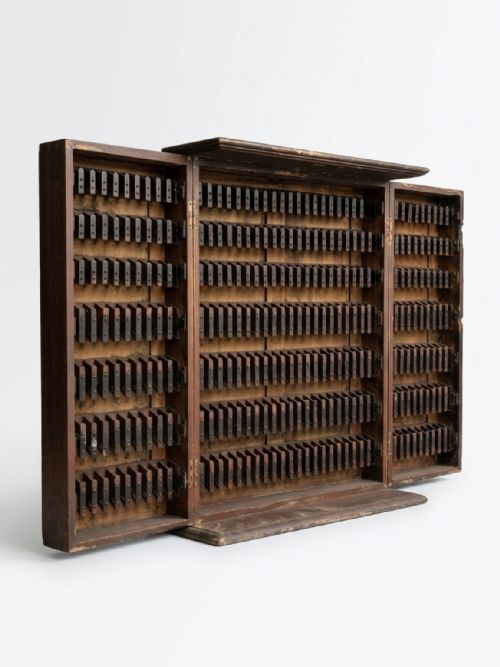
- A small wall-hanging box featuring a single door enclosing a cluster of tiny internal drawers. These compartments held expensive culinary spices and medicinal ingredients in seventeenth and eighteenth-century homes.
- Hanging cupboard
- A wall-mounted storage unit designed to be suspended from structural fixings rather than resting on the floor. These pieces free up lower room space and often feature shaped cornices.
- Pigeon holes
- A cluster of small, open compartments stacked within a desk or wall shelf for sorting letters and documents. They organise paperwork into accessible vertical sections.
- Inlay
- A decorative technique where contrasting pieces of wood, brass, or shell are fitted into recessed cavities flush with the surrounding surface. This method creates geometric patterns or pictorial motifs on cabinet doors.
Antique Wooden Wall Cabinet: Frequently Asked Questions
How do I hang an antique wooden wall cabinet safely?
Heavy antique wall units require fixing directly into wooden wall studs or masonry using appropriate weight-bearing screws and rawlplugs. Ensure the internal hanging brackets or screw holes in the backboard are structurally sound before mounting.
Distributing weight evenly inside the cabinet prevents undue strain on historical joints and old brass hinges over time.
What rooms suit an antique corner cupboard best?
Dining rooms and hallways offer ideal spaces for corner cupboards, turning dead architectural angles into functional display areas for ceramics or glassware. Their triangular footprints make efficient use of compact spaces without cluttering circulation routes.
Kitchens also accommodate smaller spice or wall cupboards, echoing historical uses for food and dry goods storage.
How do I clean and maintain old wood surfaces?
Dust timber surfaces regularly with a soft, dry cloth to prevent grit accumulation that can scratch aged finishes. Avoid modern silicone sprays, opting instead for traditional beeswax applied sparingly to nourish dry wood.
Keep wall cabinets away from direct heat sources and strong sunlight to prevent the timber from warping or splitting.
How can I tell a Georgian cabinet from a Victorian one?
Georgian cabinets often display rich mahogany or quarter-sawn oak with subtle string inlay, proportioned with classical architectural mouldings. They frequently date from an era when proportions were guided by strict symmetry and understated elegance.
Victorian pieces tend to introduce denser pine, pitch pine, or elaborate carving styles, occasionally incorporating industrial or Gothic revival motifs into the door panels.