

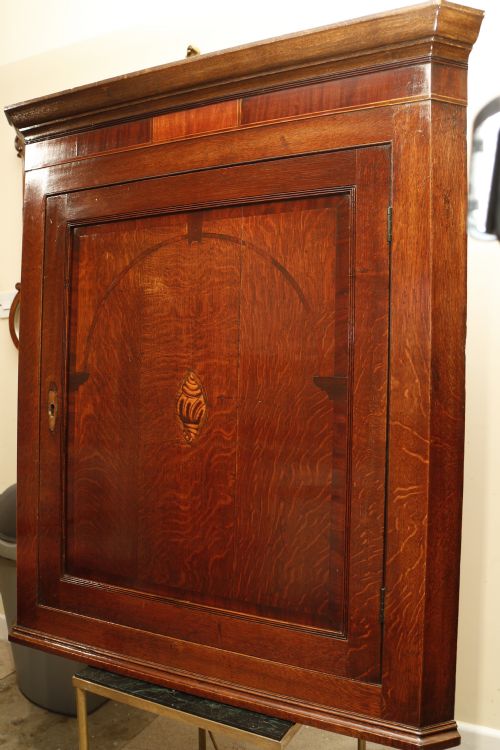


Georgian Oak Hanging Cabinet
When you need a georgian oak hanging cabinet, you are looking at sturdy provincial storage designed to clear floor space in older rooms.
Georgian Oak Hanging Cabinet
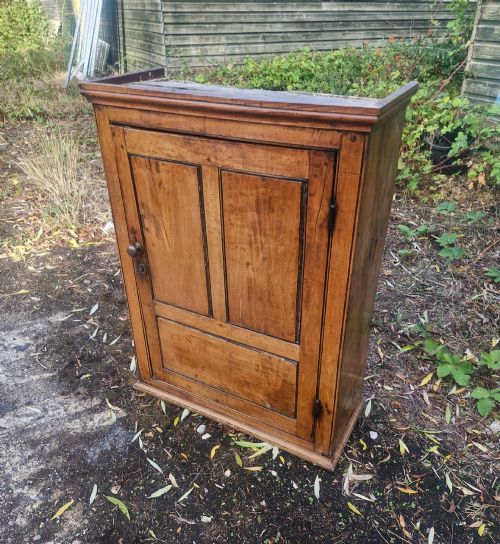
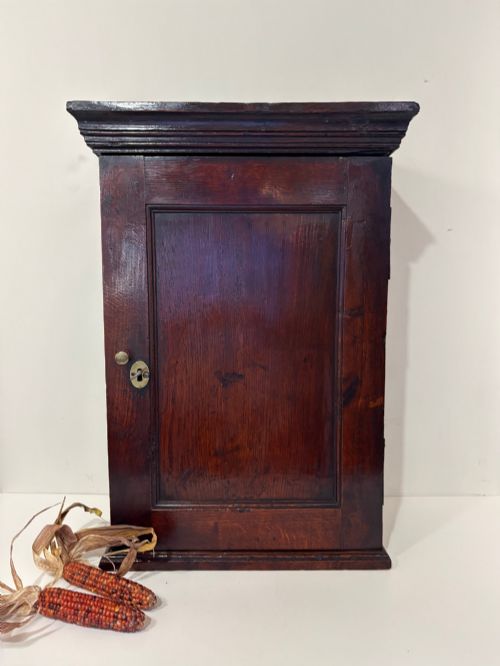
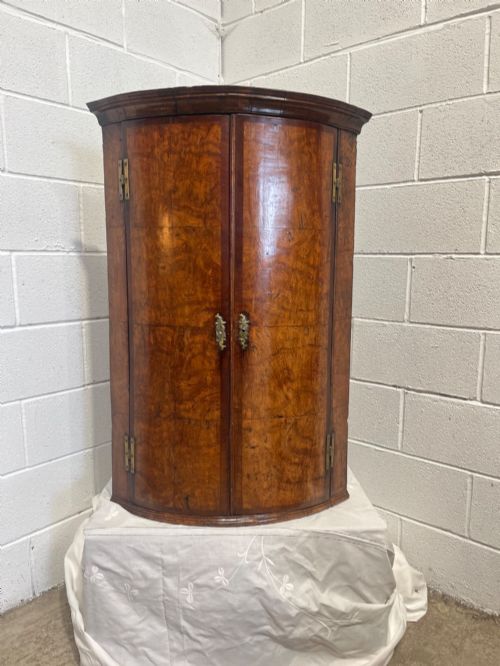
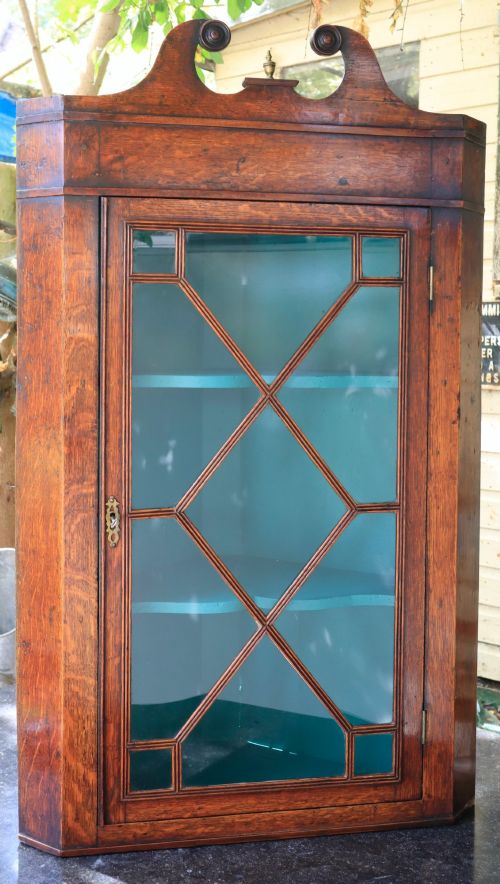
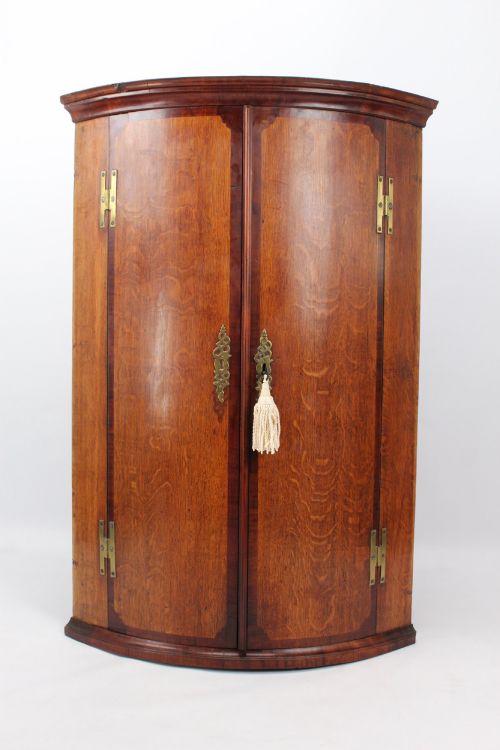
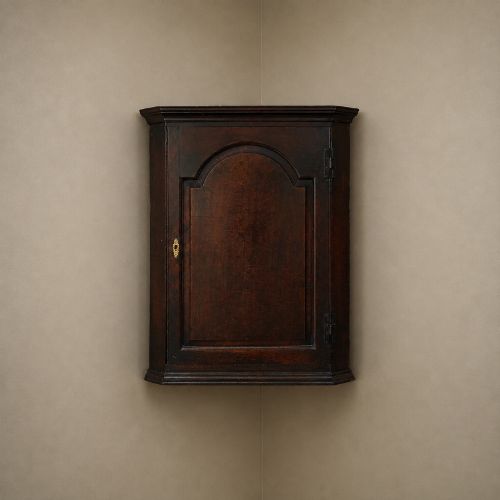
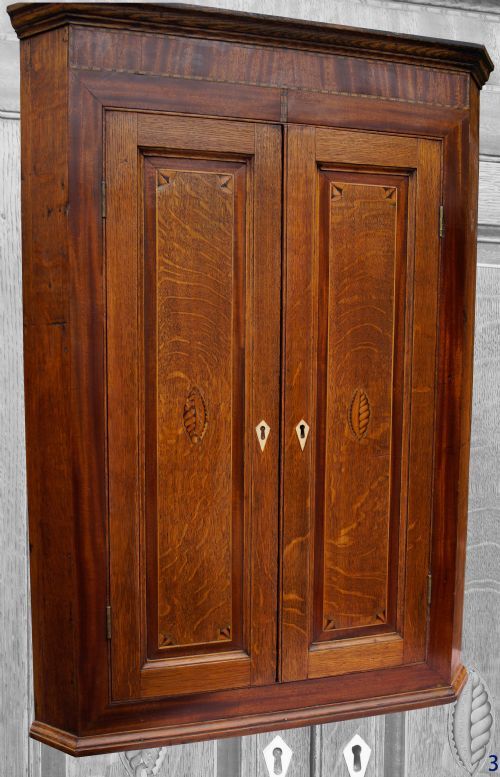
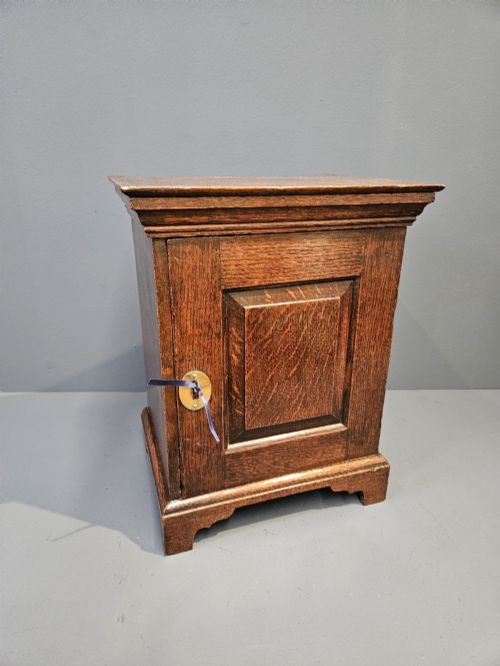
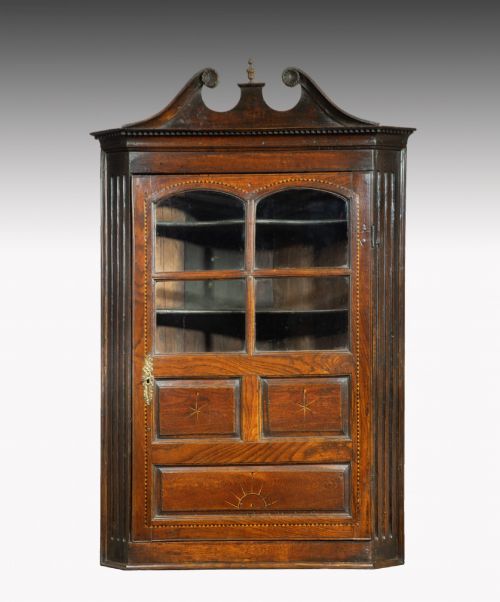
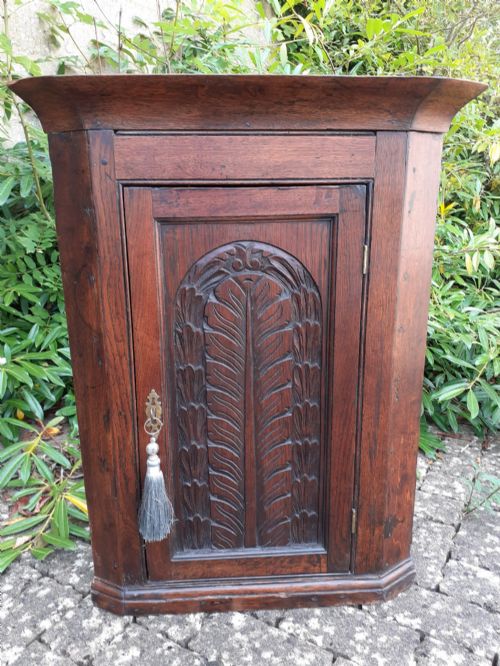
A georgian oak hanging cabinet provides enclosed wall storage, frequently taking the form of a corner cupboard designed to fit neatly into domestic interiors. These pieces appear across 18th century and 19th century periods, originating in regional workshops and country houses.
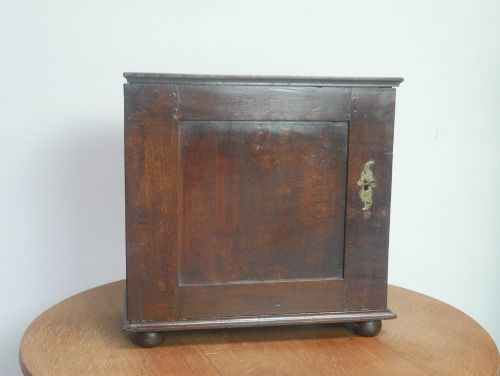
The most common formats on this page include corner cabinets and smaller wall-mounted spice cupboards. Buyers select these items to introduce period character and practical shelving to domestic rooms without occupying valuable floor space.
How They Were Made
Cabinet makers built these pieces primarily using solid oak timber, frequently supplemented with secondary woods such as pine for internal panels and carcases. Workshops integrated brass hardware including butterfly hinges and escutcheons to secure doors and drawers.
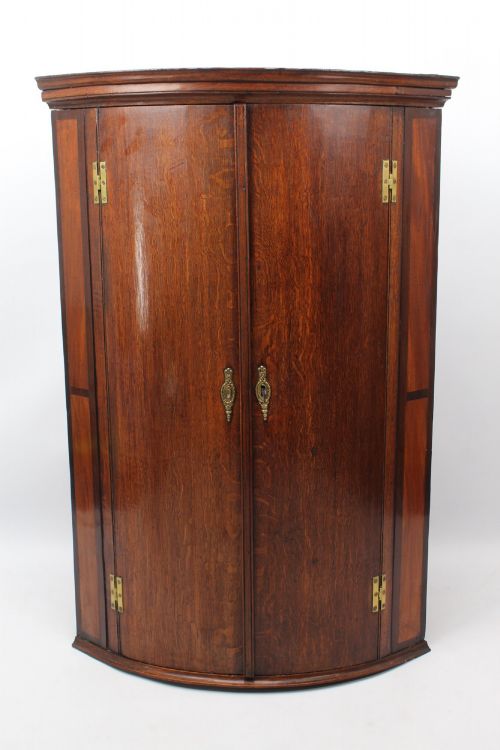
Decorative elements involve wood inlay, mahogany crossbanding, and occasional carved detailing applied to the frieze or door panels. Bow front construction and glazed doors appear on more refined examples from the later Georgian period.
Georgian Oak Hanging Cabinet Retail Price Guide 2026
Typical asking prices for georgian oak hanging cabinet among the pieces listed under this phrase on Sellingantiques today, from the lower quarter to the upper quarter. They describe what is for sale here now, not the wider market.
Formats range from bow front corner cabinets to flat wall-hanging spice boxes.
What Varies in Quality
Quality depends on the selection of timber and the ambition of the regional joinery, ranging from plain country vernacular pieces to refined examples with burr oak or mahogany crossbanding. The crispness of carved details and the clever integration of internal drawers distinguish better workshops.
Construction methods also set pieces apart, observed in the thickness of the panel work, the survival of original brass fittings, and the integrity of the hanging brackets. Alterations over time, such as later carving applied to older surfaces, change the character of the piece.
The Georgian Oak Hanging Cabinet Glossary
- Bow front
- A convex curved cabinet front that projects outward from the corners. This shape requires advanced joinery and became popular during the George III period.
- Crossbanding
- A decorative border of veneer applied around the edges of a door or panel with the grain running perpendicular to the central timber. It frequently utilises mahogany on an oak carcase.
- Spice cupboard
- A small wall-hanging box containing multiple interior drawers for storing expensive dry goods and aromatics. These date predominantly to the early 18th century.
- Astragal glazed
- A glass door divided into smaller panes by narrow wooden bars known as astragals. This allows the display of ceramics inside the cabinet.
- Vernacular
- Objects made by regional cabinet makers using local traditions rather than metropolitan designs. These pieces display honest construction suited to provincial homes.
Georgian Oak Hanging Cabinet: Frequently Asked Questions
Where were these cabinets placed?
These cabinets were hung on walls to utilise awkward corners and save valuable floor space in smaller rooms. They frequently sat above side tables or in dining parlours.
Their elevated position kept food, spices, and tableware secure from household pests and dampness.
What is the difference between a corner cabinet and a wall cupboard?
Corner cabinets feature an angled back designed to slot directly into the 90-degree junction of two walls. Flat-backed wall cupboards are built with straight rear panels to hang on a single flat surface.
Both types utilise hinged doors to enclose fixed interior shelving.
Are the brass hinges and escutcheons original?
Hinges and escutcheons often show signs of replacement or tightening over centuries of domestic use. Original brasswork exhibits patination and hand-finished casting marks consistent with the period.
Screws with irregular slots or mismatched brass tones usually indicate later repairs.