

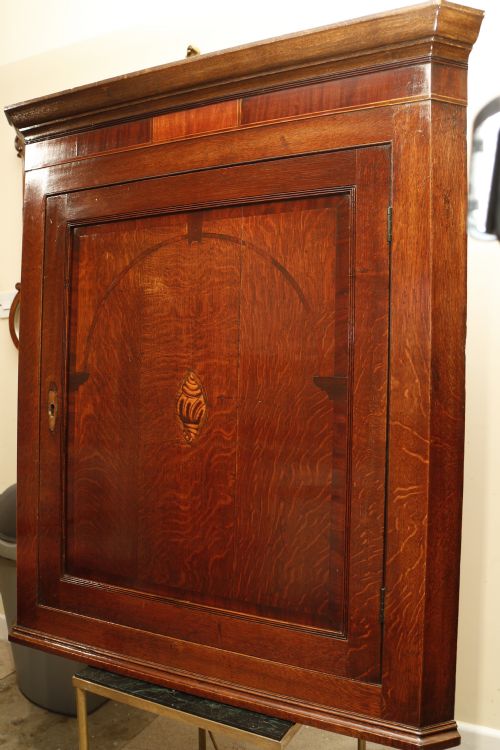


Georgian Oak Wall Cabinet
A georgian oak wall cabinet brings robust eighteenth-century utility and rich timber grain to domestic interiors.
What the pieces are
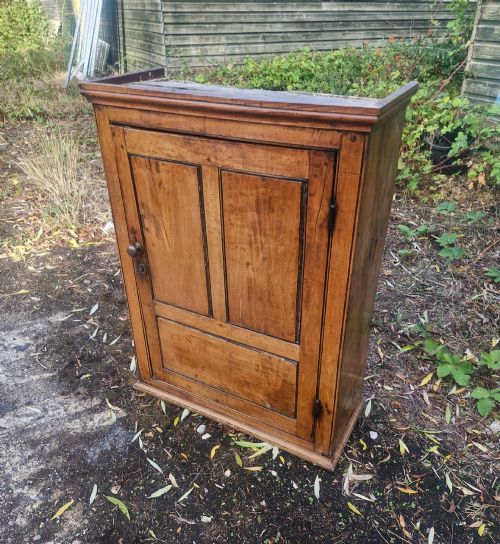
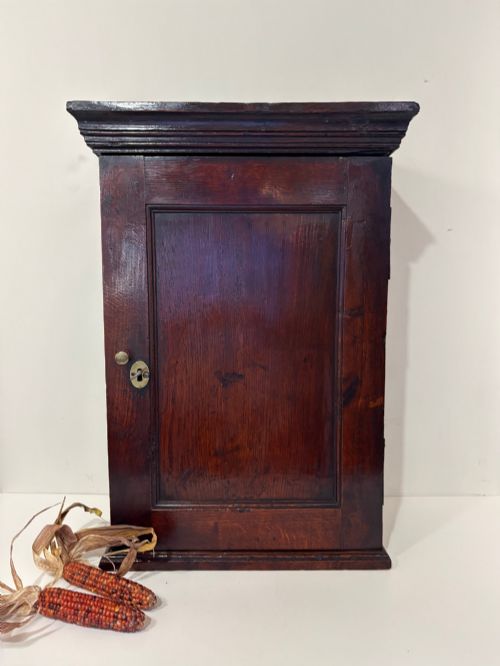
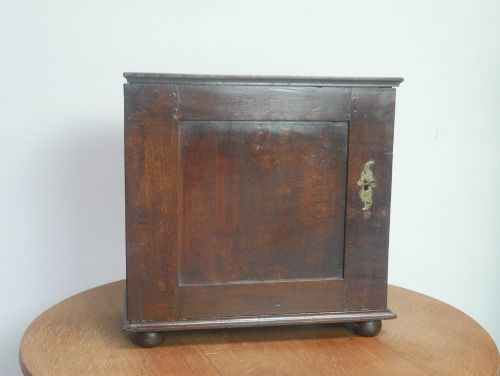
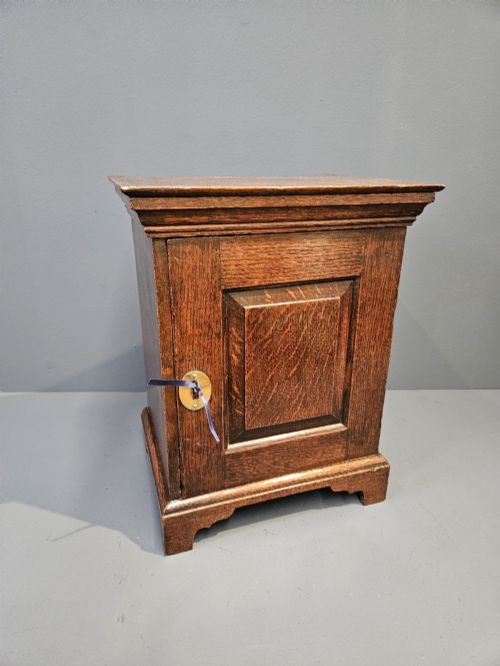
A georgian oak wall cabinet primarily takes the form of a hanging corner cupboard or a spice cupboard designed to maximise smaller domestic spaces. These pieces date from the eighteenth century, spanning the Georgian period and incorporating George II and George III examples.
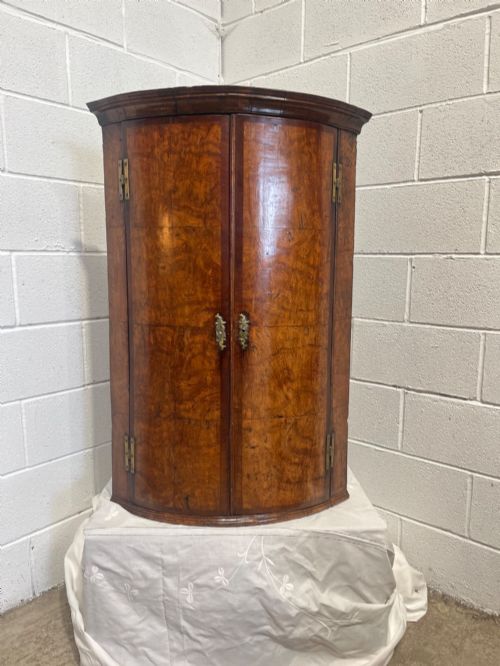
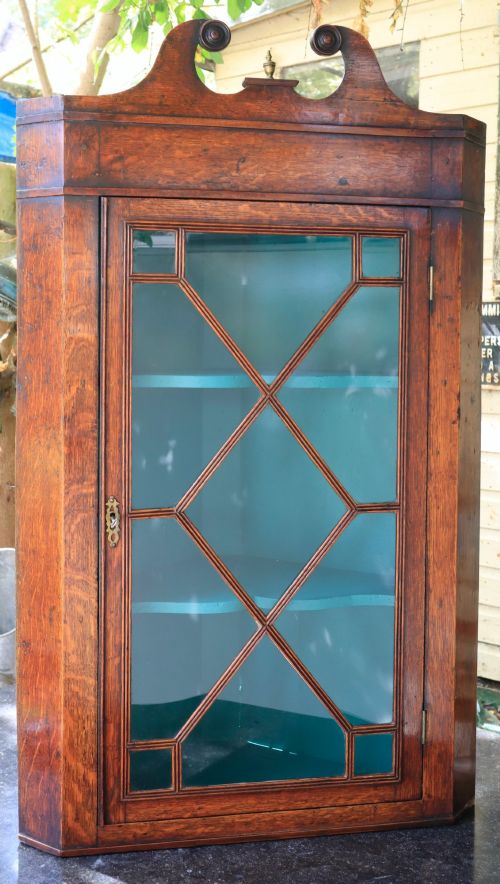
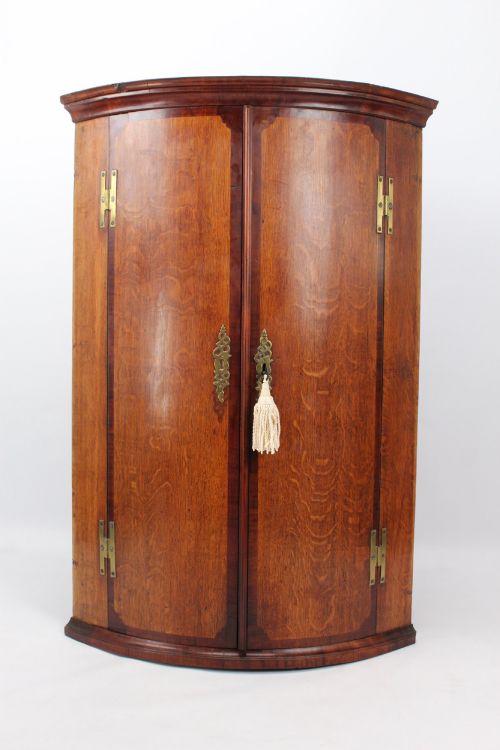
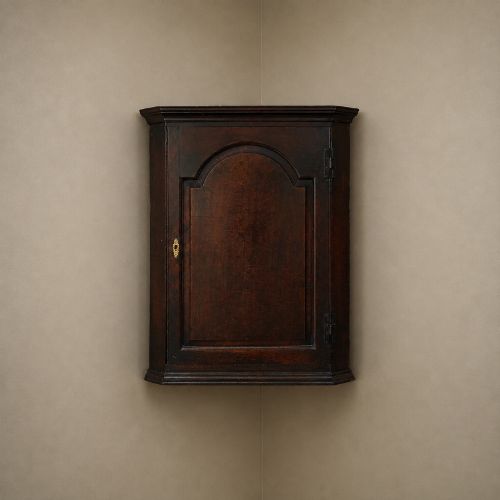
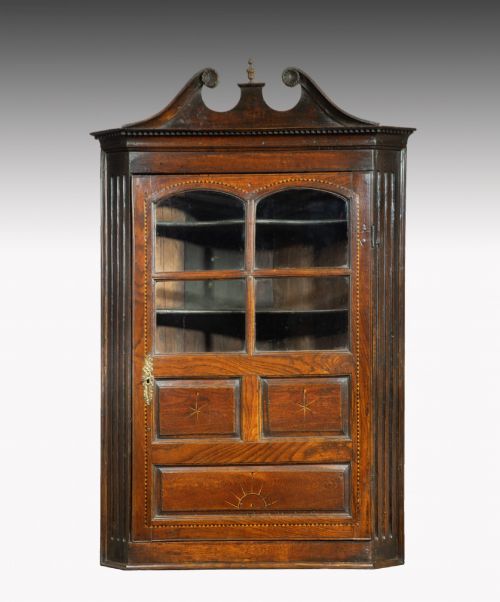
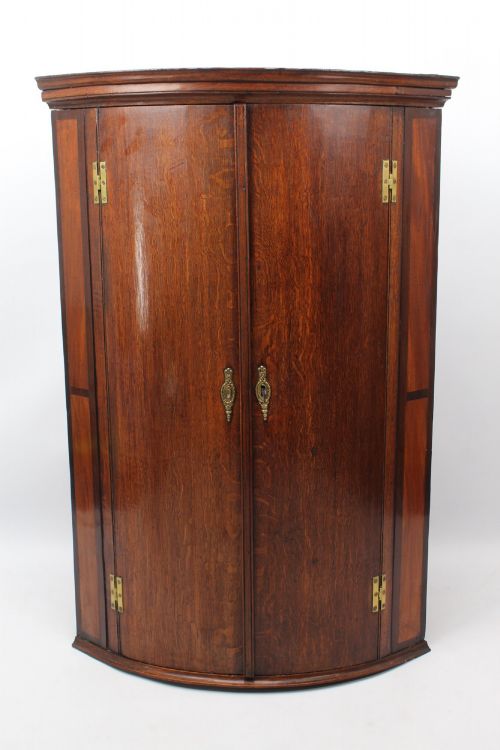
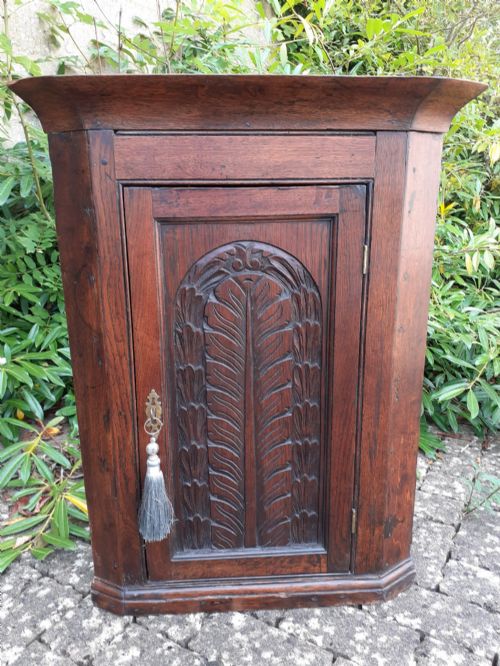
The inventory shows a strong preference for wall-mounted formats, including glazed display cabinets, astragal glazed variants, and bow front models. Simpler country wall cabinets and panelled cupboards also appear frequently alongside tall four-shelf versions.
Originating predominantly from English and Welsh workshops, these storage items serve practical functions ranging from general household cupboards to dedicated drinks cabinets.
How they were made
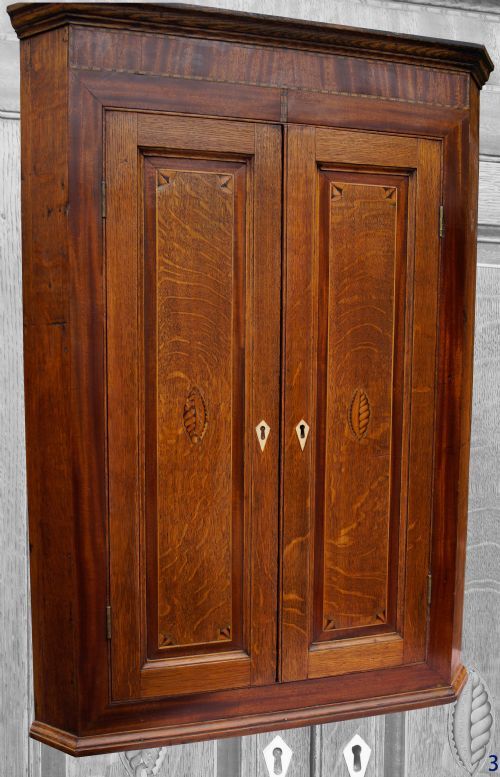
Cabinet makers utilised solid oak as the principal structural material, often complemented by secondary woods such as mahogany for contrast and detail. Construction methods include panelled doors and fitted interior shelving supported by brass hinges and key escutcheons.
Surface decoration involves wood inlay and occasional carving to country pieces, distinguishing standard storage from more refined iterations. Glazed versions utilise timber glazing bars, including astragal configurations, to frame the contents.
Retail Price Guide 2026
Typical UK retail prices for georgian oak wall cabinet, calculated from the Sellingantiques database of over a million retail prices indexed since 2003. This retail price guide relies exclusively on Sellingantiques data; no external sources or auction records are used, so the figures do not describe the wider market.
Miniature spice cupboards whisper of a time when nutmeg was locked away like crown jewels.
What varies in quality
The distinction between standard examples and superior pieces rests upon the precision of the timber selection and the sophistication of the joinery. Fine grain figuring in the oak and well-executed wood inlay elevate the visual weight of a hanging cupboard.
Proportion and form dictate the upper tier of the range, visible in curved bow fronts, crisp astragal glazing bars, and intact original brass hardware. Country pieces display simpler carved details, whereas formal urban workshops achieve tighter joints and balanced architectural lines.
The Georgian Oak Wall Cabinet Glossary
- Astragal glazed
- A door format where slender wooden bars divide the glass into smaller panes. This technique lightens the visual mass of heavy timber cabinets.
- Bow front
- A convex curved cabinet facade that projects forward from the wall. This curved profile softens the hard angles typical of corner furniture.
- Escutcheon
- A protective plate surrounding the keyhole of a cabinet door. Brass examples frequently accent the timber grain on eighteenth-century pieces.
- Spice cupboard
- A small wall-mounted storage box containing internal drawers or tiny shelves. These compact compartments kept valuable flavourings secure.
Frequently Asked Questions
How are wall cabinets hung safely?
These eighteenth-century cupboards attach to walls using internal fixing blocks or sturdy brackets secured directly into structural masonry or timber studs. Given the weight of solid oak, proper load-bearing fixings are essential for secure wall mounting.
Historic pieces often retain original hanging brackets or reinforced internal corners designed to distribute the downward pull evenly across the backboards.
Where were corner cabinets placed?
Corner cupboards fit directly into the right-angled junction of two walls to utilise neglected interior space. Eighteenth-century dining rooms and parlours commonly featured these units to store tableware or drinks.
Wall-mounted versions left the floor clear below, making them practical additions to rooms with limited square footage.
How do I spot a George II piece?
George II oak cabinets display heavier proportions and robust architectural mouldings characteristic of the mid-eighteenth century. Details often include fielded panel doors and straightforward brass H-hinges.
These earlier items tend to exhibit simpler, more utilitarian country craftsmanship compared to the lighter astragal glazed and inlaid designs of the later George III period.