
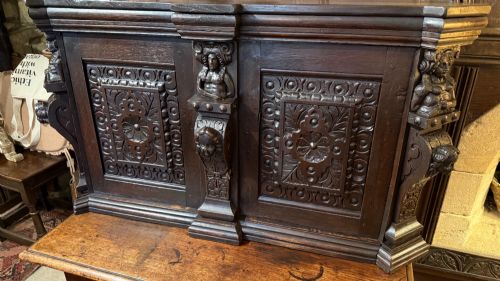
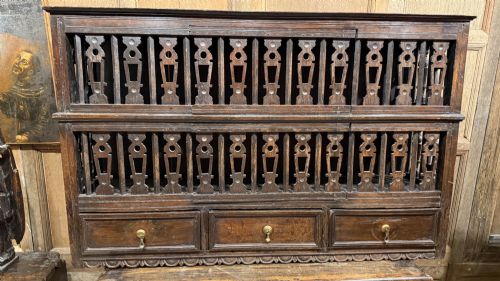
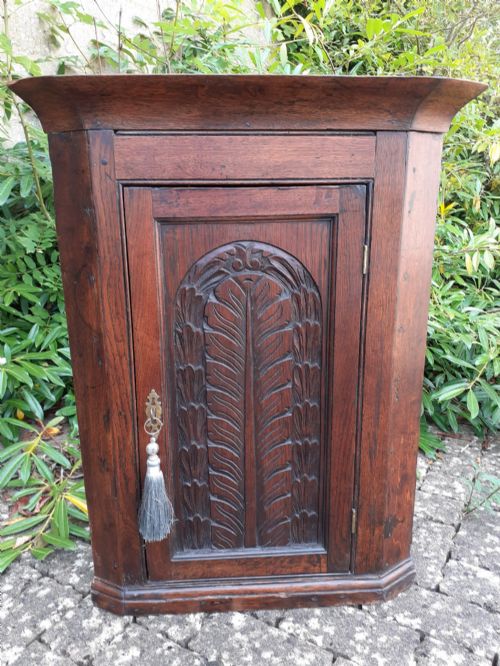
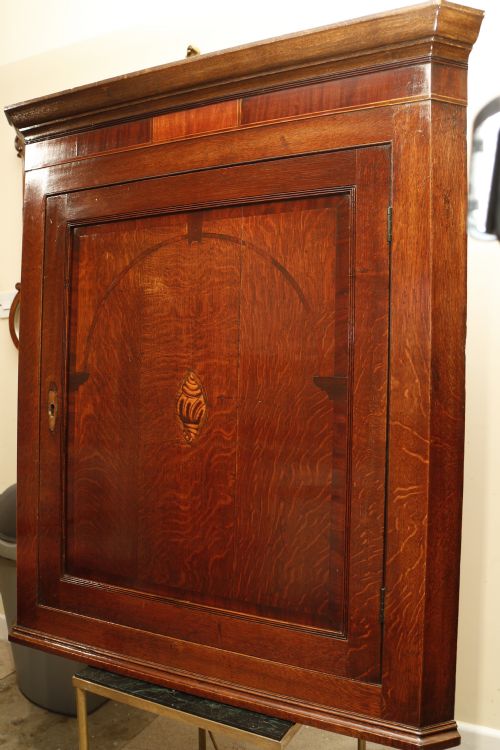


Country Oak Hanging Cupboard
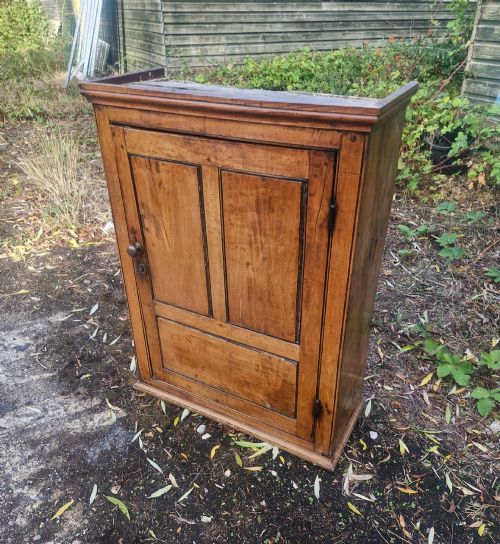
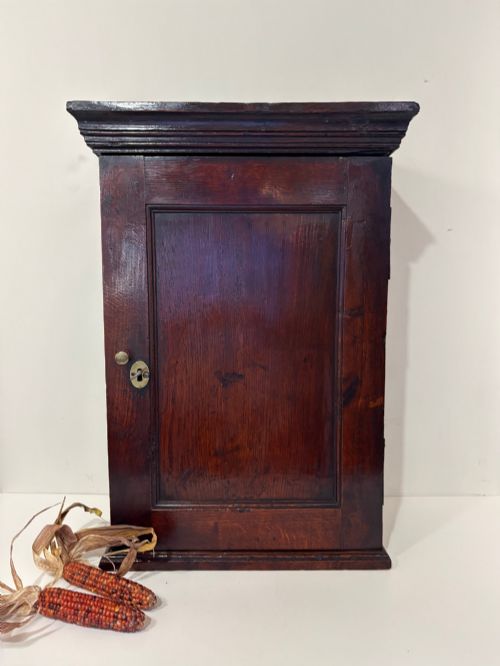
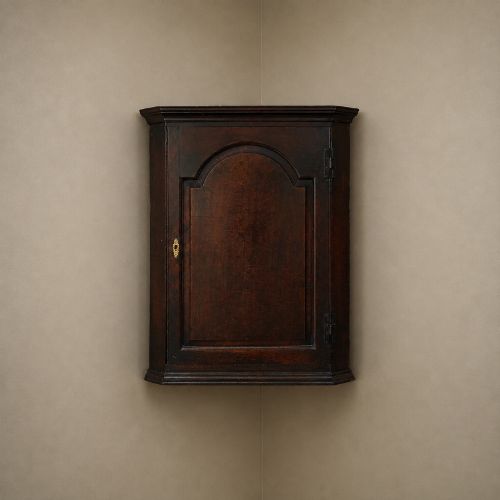
A country oak hanging cupboard brings rustic timber and wall-mounted storage to a room, offering period character alongside practical display.
Country Oak Hanging Cupboard
A country oak hanging cupboard is primarily found in Georgian, eighteenth-century, and nineteenth-century forms designed to mount directly onto walls or fit snugly into corners. Buyers searching for a country oak hanging cupboard regularly encounter regional vernacular pieces, including Welsh and French provincial variants alongside standard English wall cabinets.
The selection ranges from simple panelled doors to glazed fronts and carved surfaces, often utilising corner spaces efficiently. These wall-mounted pieces served practical storage needs in domestic interiors, ranging from food and spice storage to general household utility.
Materials and Construction
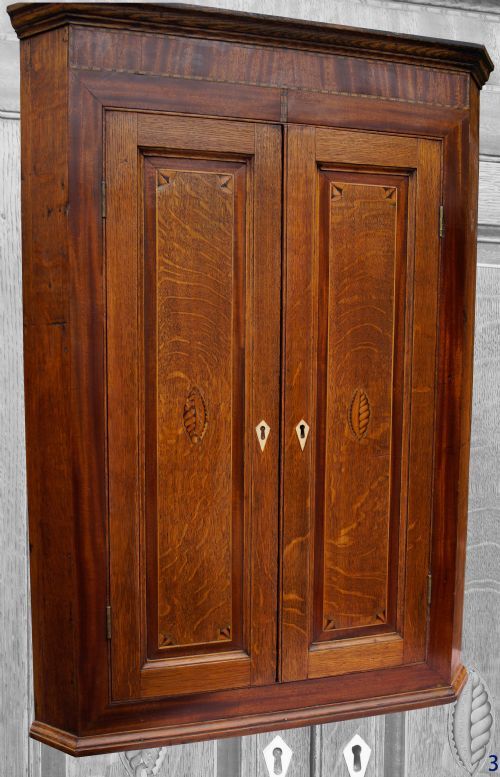
Construction relies heavily on solid oak timber, frequently accented with secondary woods such as pine, fruitwood, or mahogany crossbanding. Iron hinges and brass escutcheons or handles provide structural fastening and functional detail across the doors and internal shelving.
Maker techniques span simple pegged joinery, carved surface ornamentation, marquetry inlay, and occasionally painted finishes. Glazed panels and shaped interior shelves appear in specific regional or later Georgian examples.
Country Oak Hanging Cupboard Retail Price Guide 2026
Typical asking prices for country oak hanging cupboard among the pieces listed under this phrase on Sellingantiques today, from the lower quarter to the upper quarter. They describe what is for sale here now, not the wider market.
One tiny spice cabinet doubles as a desk top companion, proving seventeenth and eighteenth-century makers loved hiding drawers in unusual places.
Qualities of Construction and Age
Quality rests in the integrity of the timber, the crispness of any carved or inlay work, and the survival of original brass or iron hardware. Regional distinctiveness, such as specific Welsh vernacular traits or documented provenance, separates standard storage boxes from finer cabinetwork.
The condition of the original hinges, panel construction, and surface patination dictate the standing of an individual piece. Earlier seventeenth-century and tightly dated eighteenth-century items demonstrate different joinery standards compared to later nineteenth-century estate-made variants.
The Country Oak Hanging Cupboard Glossary
- Crossbanding
- A decorative border technique where veneer strips are laid running perpendicular to the surrounding grain. This adds a framed contrast to the primary timber face.
- Vernacular
- Everyday domestic furniture made by regional craftsmen using local traditions rather than metropolitan court styles. These pieces reflect specific geographical building habits.
- Livery cupboard
- A traditional term for a small storage cabinet originally used for rations or provisions. They feature ventilation elements or enclosed shelving.
- Marquetry inlay
- The art of applying small pieces of varied wood veneer to form geometric or pictorial patterns on a surface. It elevates plain panels into decorative focal points.
- Escutcheon
- A protective plate surrounding a keyhole, usually fashioned from brass or iron. It prevents the timber around the lock from splitting with repeated use.
Country Oak Hanging Cupboard: Frequently Asked Questions
How do I hang an antique wall cupboard?
Hanging requires locating structural studs or utilising robust masonry fixings appropriate for the weight of solid oak.
Professional assessment of the original hanging points on the backboards ensures the cabinet remains secure safely against the wall.
What were corner cupboards used for?
These cabinets stored precious ceramics, foodstuffs, spices, or household liquids safely away from dust and pests.
Their triangular footprint allowed them to utilise dead architectural space in dining rooms and parlours effectively.
How do I date an oak wall cupboard?
Dating relies on examining the joinery methods, timber preparation tool marks, and overall stylistic vernacular traits.
Hardware styles, such as cast brass escutcheons or hand-forged iron hinges, offer further clues to the period of manufacture.
Are these cupboards suitable for modern kitchens?
Solid oak construction and compact wall-hanging dimensions allow these cabinets to fit easily into contemporary spaces.
They provide characterful enclosed storage for glassware or dry goods while maintaining a strong historical aesthetic.