
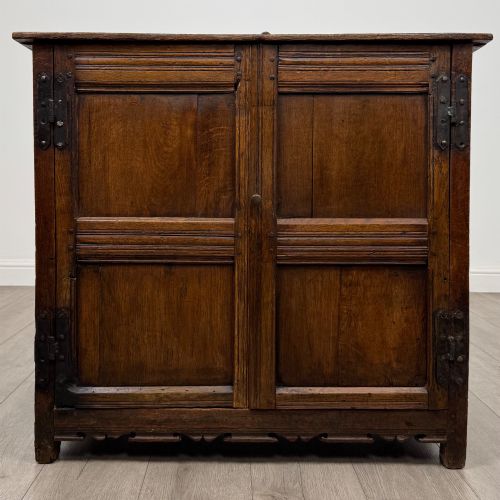
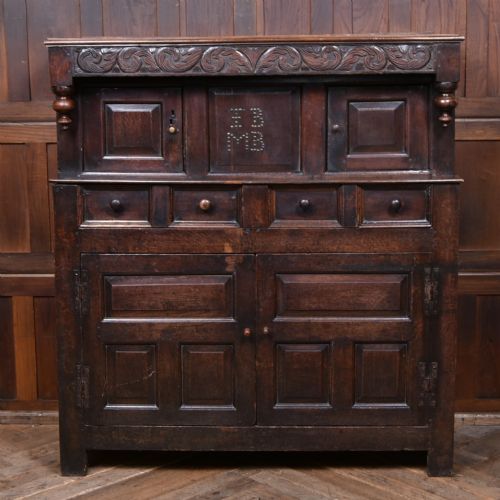
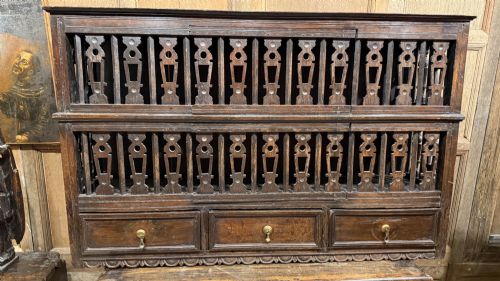
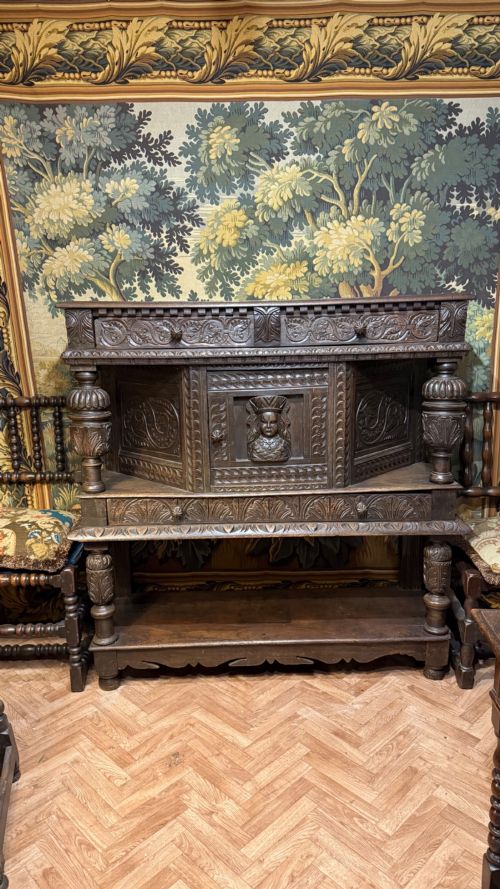
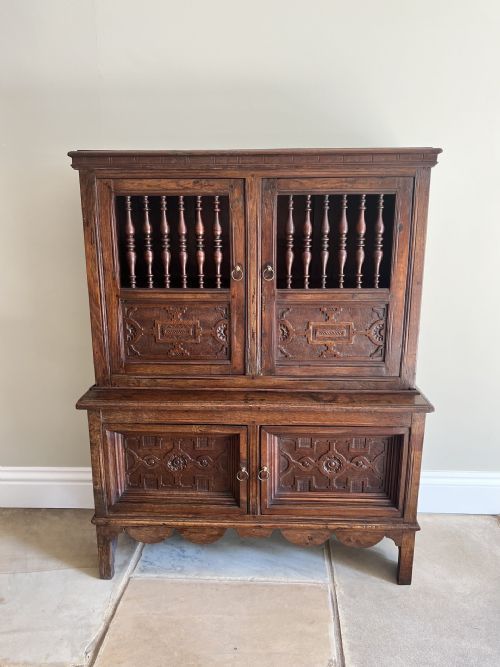

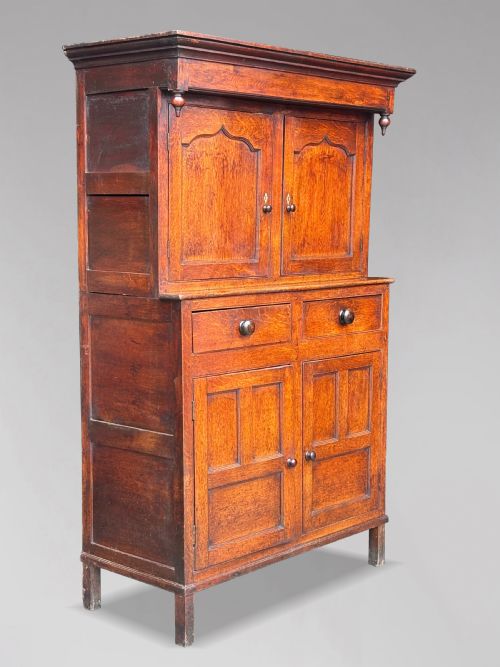
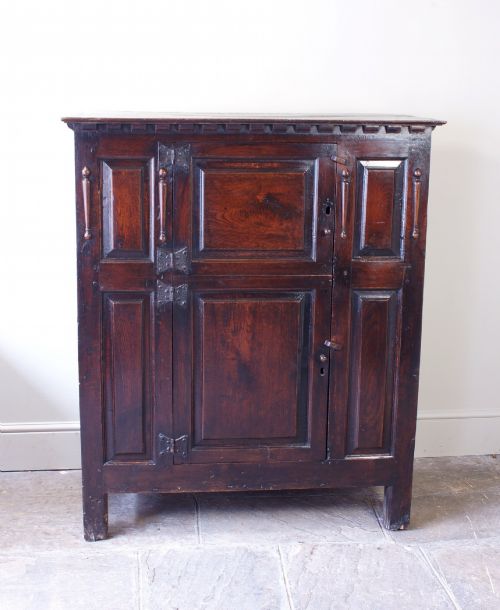


Carved Oak Livery Cupboard
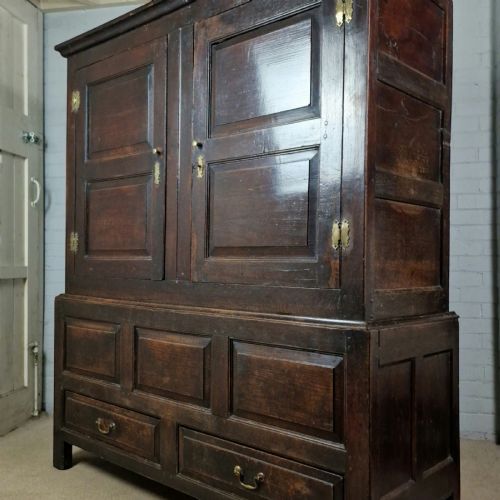
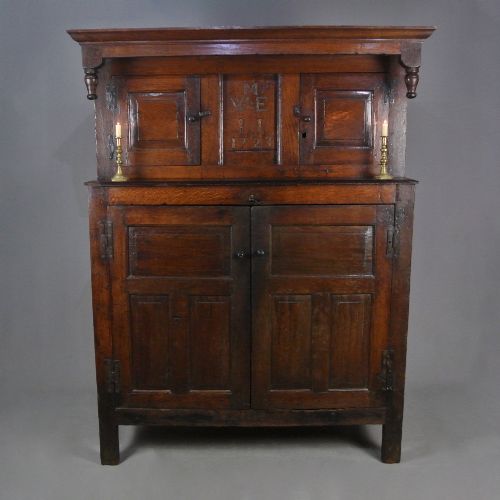
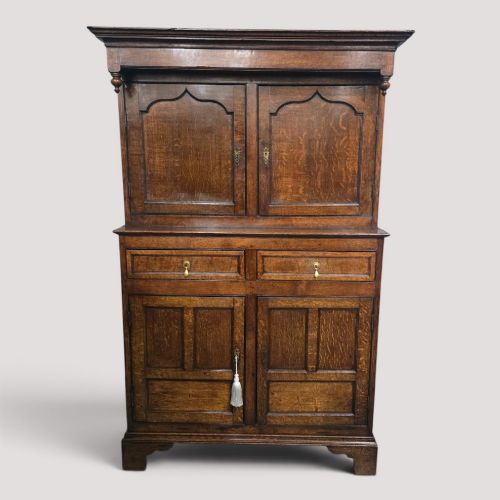
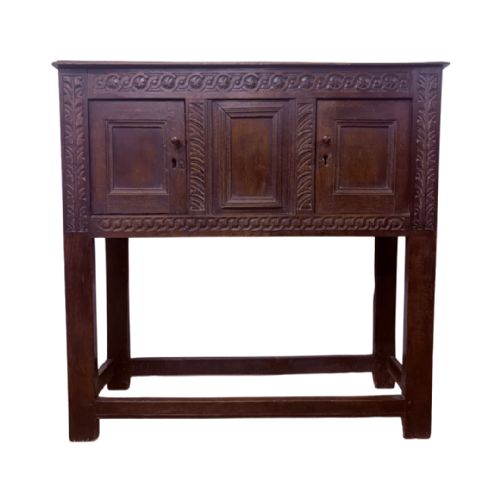
A carved oak livery cupboard is a heavy, timber-built storage piece that brings centuries of domestic history and robust joinery into a modern room.
Carved Oak Livery Cupboard
A carved oak livery cupboard is a substantial storage furniture piece historically used to store provisions or household items. When exploring this phrase, buyers encounter related forms such as court cupboards, press cupboards, food cupboards, and hutch cabinets.
The pieces appearing here span several centuries, with a strong representation from the seventeenth and eighteenth centuries, alongside later nineteenth and early twentieth-century interpretations. These domestic storage items frequently display regional characteristics, including Welsh origins and cottage proportions.
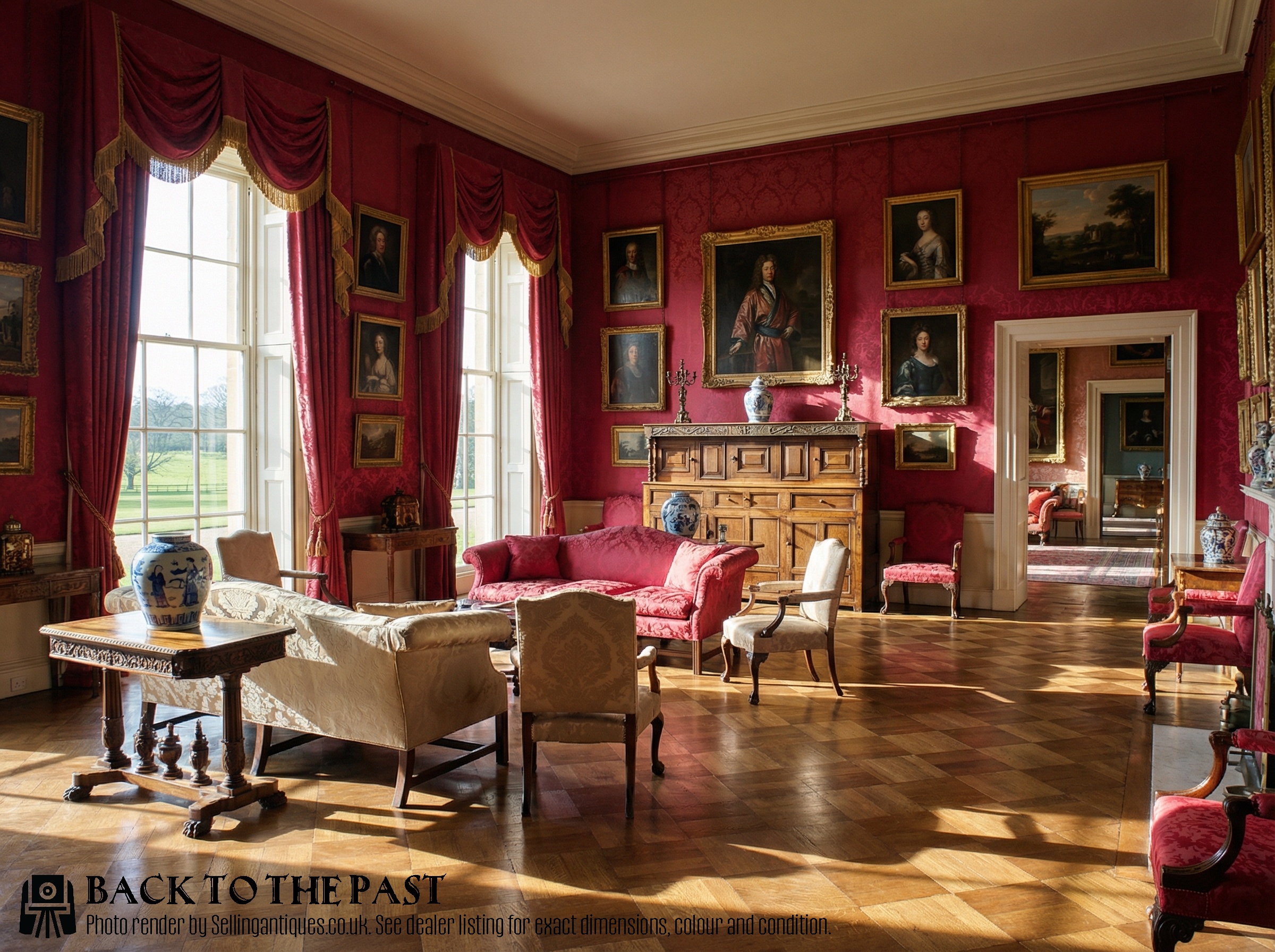
Surviving examples range from standing livery cabinets and wall-mounted cupboards to joined cupboards on stands. They serve today as commanding focal points in a dining room, hallway, or living space.
Quality variations in historical storage furniture
The standard of a carved oak livery cupboard depends largely on the crispness and depth of the hand-carving and the integrity of the original timber. Early joined construction with minimal later timber replacement commands greater interest among serious collectors.
Proportion and scale also dictate the desirability of the piece, with smaller cottage sizes and well-balanced proportions proving particularly sought after. The presence of original hardware, authentic period patination, and intact stands further distinguishes higher-tier examples from heavily restored or later revival pieces.
Carved Oak Livery Cupboard Retail Price Guide 2026
Typical asking prices for carved oak livery cupboard among the pieces listed under this phrase on Sellingantiques today, from the lower quarter to the upper quarter. They describe what is for sale here now, not the wider market.
Early seventeenth-century makers occasionally concealed carved cherubim and whimsical figures amongst the foliage of these cupboards to watch over the household provisions.
The Carved Oak Livery Cupboard Glossary
- Livery cupboard
- A traditional storage piece originally used for keeping food, candles, or clothing. These items often feature ventilated doors or open recesses.
- Court cupboard
- A specific form of seventeenth-century sideboard or storage cabinet featuring recessed upper tiers and supporting columns. They are closely associated with court and livery cupboards.
- Joined oak
- Furniture constructed using mortise and tenon joints secured by wooden pegs. This traditional method preceded modern mass production techniques.
- Deuddarn
- A traditional Welsh two-section oak cupboard. The term frequently appears alongside regional listings.
- Jacobean
- An architectural and furniture style spanning the early to mid-seventeenth century. It is characterised by heavy proportions, dark oak, and geometric strapwork carving.
Carved Oak Livery Cupboard: Frequently Asked Questions
What is a livery cupboard?
A livery cupboard is a traditional piece of storage furniture designed for domestic provisions or household goods.
Historically, households utilised these heavy timber cabinets in halls and dining rooms before dedicated wardrobes and sideboards became common.
How do court and livery cupboards differ?
Court cupboards typically incorporate an upper recessed stage supported by columns or balusters above a lower enclosed section.
Livery cupboards more strictly emphasise enclosed cabinet storage for rations or household livery items, though historical naming conventions often overlap.
How do I date an antique oak cupboard?
Dating relies on examining the joinery methods, tool marks, hardware style, and carving motifs present on the timber.
Seventeenth-century pieces usually show hand-riven oak, pegged mortise and tenon joints, and distinct strapwork or figural carving, whereas later revival items display machine-sawn elements.
Where should I place an oak cupboard at home?
These substantial storage pieces suit dining rooms, large hallways, or spacious living areas where their dark timber and carved details can serve as a focal point.
Positioning them away from direct heat sources and strong sunlight protects the antique oak and maintains the historic finish.