



Seventeenth Century Cupboard
A seventeenth century cupboard brings centuries of domestic history into a room through sturdy timber and functional storage.
Seventeenth Century Cupboard
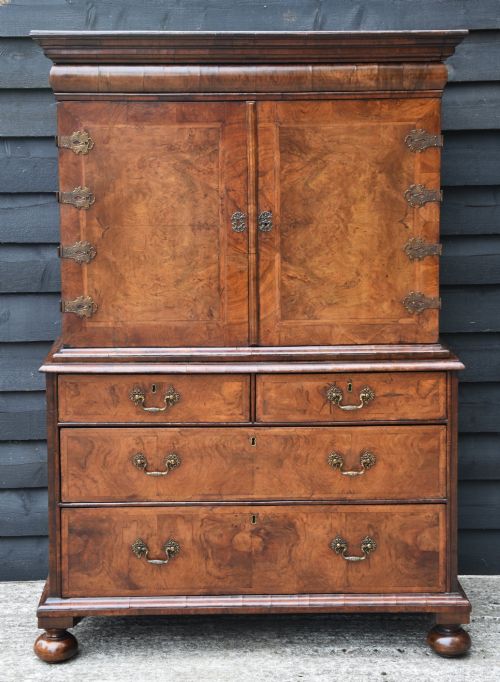
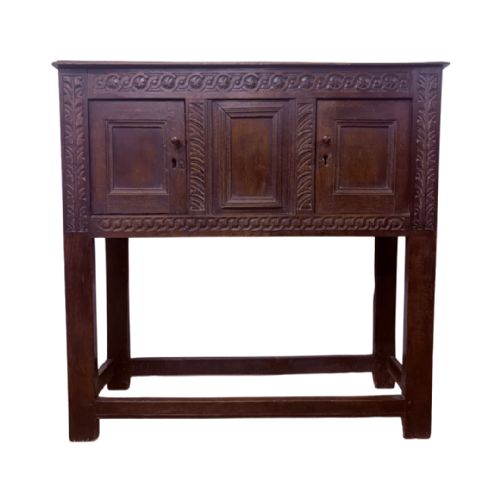
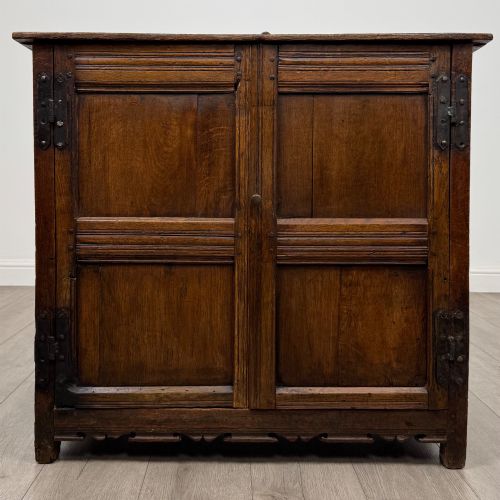
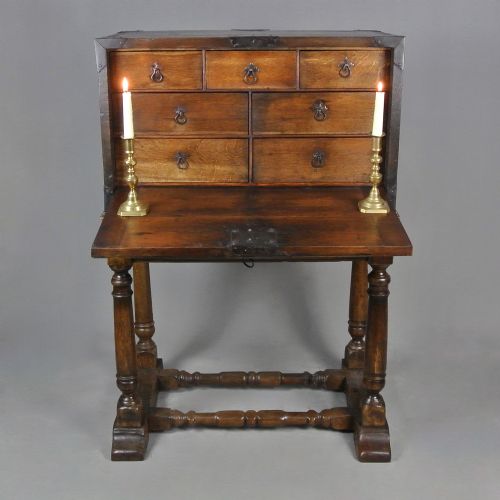
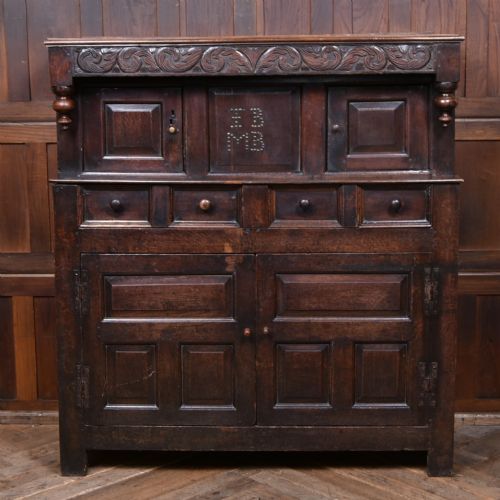
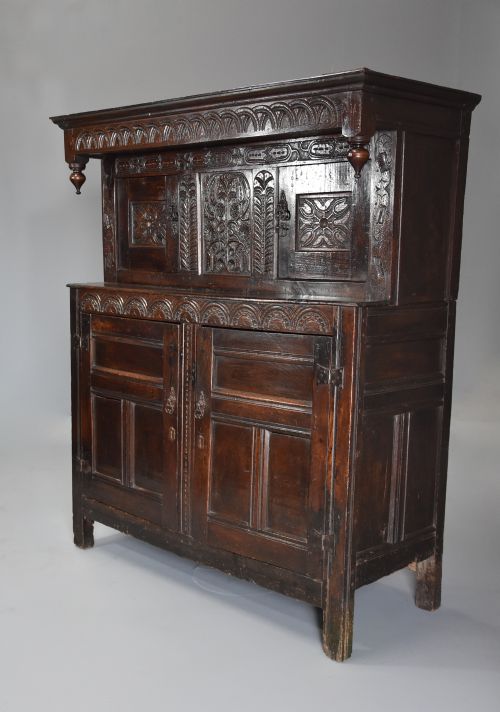
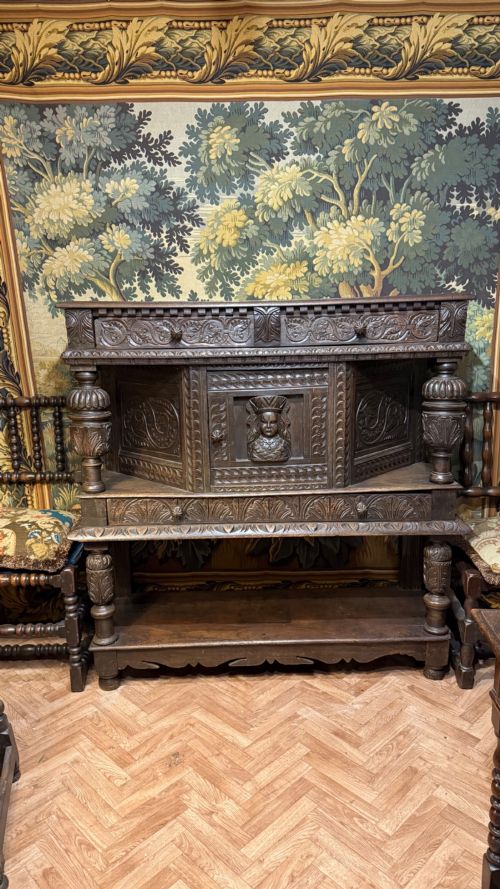
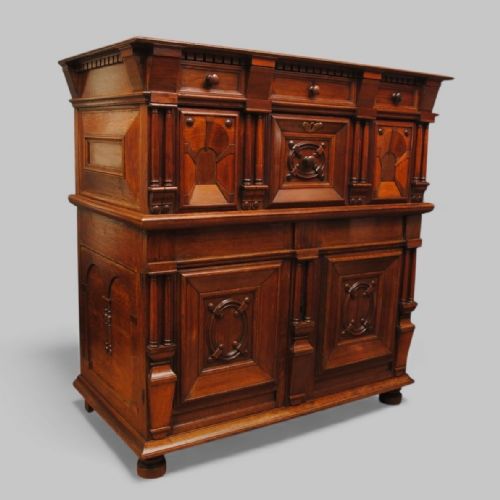
A seventeenth century cupboard encompasses robust forms such as court cupboards, press cupboards, livery cupboards, and cabinets on stands. Buyers seeking these domestic pieces encounter sturdy constructions intended for storing food, linens, and valuables.
The versions most frequently met on this page include joined oak court cupboards and walnut cabinets from the seventeenth century, alongside revival interpretations from later periods. These variations reflect both authentic seventeenth-century craftsmanship and later nineteenth- and twentieth-century revivals.
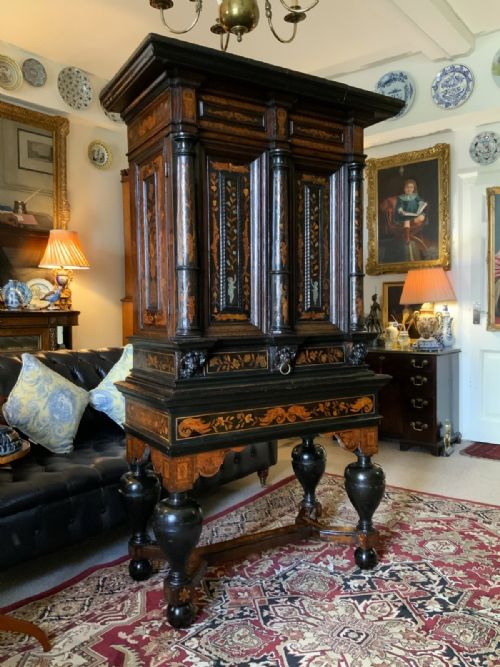
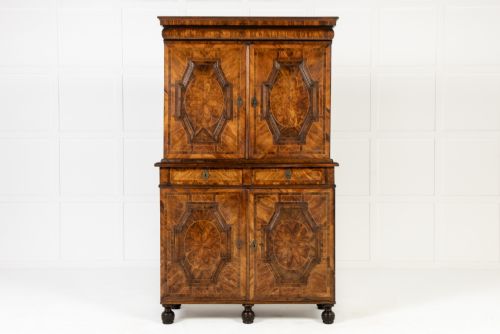
Regional variations appear across English, Welsh, and Dutch examples, ranging from carved oak press cupboards to marquetry-inlaid walnut cabinets. Each piece displays the specific structural traits and decorative motifs of its origin.
Materials and construction methods
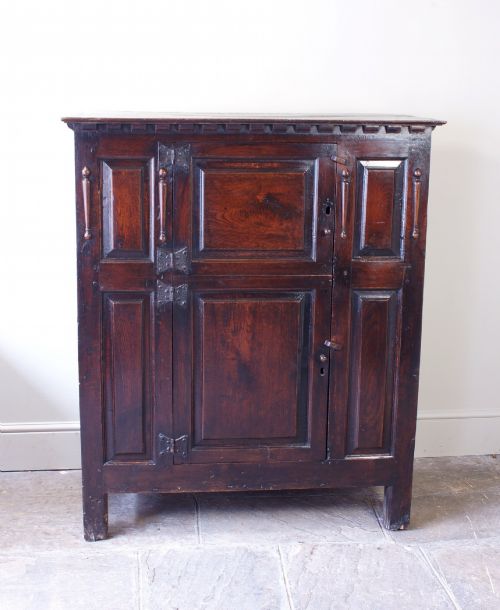
Makers utilised solid oak, walnut, and fruitwood, often building furniture using joined framing and pegged mortise and tenon joints. Iron and brass hardware, including wrought hinges and escutcheons, reinforced the heavy timber panels.
Decorative techniques recorded in the listings include carved panels, pewter inlay, seaweed marquetry, and oyster veneering on secondary woods like boxwood. These methods defined the surface ornamentation of high-status cabinets and simpler country furniture alike.
Seventeenth Century Cupboard Retail Price Guide 2026
Typical asking prices for seventeenth century cupboard among the pieces listed under this phrase on Sellingantiques today, from the lower quarter to the upper quarter. They describe what is for sale here now, not the wider market.
Listings span multiple centuries, including seventeenth-century originals alongside nineteenth- and twentieth-century revival interpretations.
Factors of quality and survival
Quality separates pieces through the crispness of the original carving, the integrity of the joined timber frame, and the survival of untouched surfaces. Original patination and intact structural elements elevate an item above heavily restored alternatives.
The complexity of the decorative scheme, such as detailed marquetry inlay or specialised veneering, distinguishes standard utilitarian storage from high-status cabinet work.
The Seventeenth Century Cupboard Glossary
- Court Cupboard
- A two-tiered sideboard or storage unit used in the seventeenth century for displaying plate and storing provisions. These pieces often feature carved upper sections supported by pillars.
- Livery Cupboard
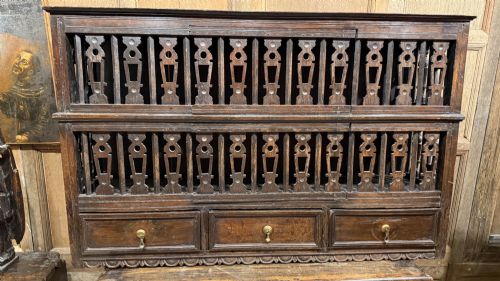
- A small storage piece designed for food and drink rations, frequently featuring ventilated doors with turned spindles.
- Marquetry
- Decorative inlay work using various coloured woods or other materials like pewter to form intricate patterns across cabinet surfaces.
- Oyster Veneer
- Slices cut transversely from small branches to create circular, oyster-like patterns across furniture fronts.
- Joined Furniture
- Items constructed primarily with mortise and tenon joints secured by wooden pegs rather than metal nails.
Seventeenth Century Cupboard: Frequently Asked Questions
What is a court cupboard?
A court cupboard is a two-tiered seventeenth-century storage piece featuring enclosed lower sections and open or recessed upper stages.
These forms served both display and storage purposes in period homes.
How do I care for antique oak?
Antique oak benefits from stable indoor humidity levels and occasional applications of traditional wax polish.
Avoid placing these timber pieces near direct heat sources to prevent wood splitting.
What distinguishes a livery cupboard?
A livery cupboard is a specialised storage unit traditionally used for keeping food rations and candles.
Many examples incorporate turned spindle galleries to allow air circulation.
Are later revival pieces common?
Revival items from the nineteenth and twentieth centuries appear alongside authentic seventeenth-century constructions on this page.
These later interpretations replicate earlier Jacobean styles using traditional joining methods.