




Antique Oak Credence Table
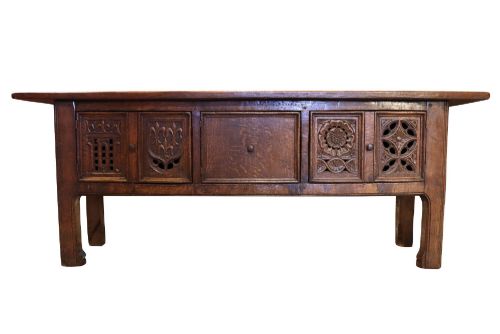
An antique oak credence table bringsfolding leaves and heavy timber to a room, offering the surface area of a larger piece without the bulk.
Antique Oak Credence Table
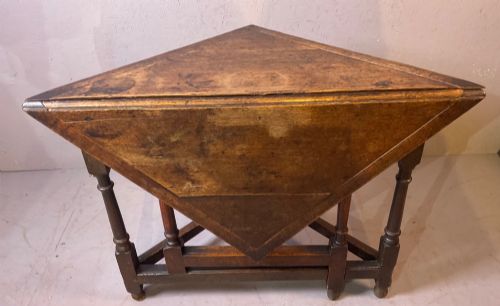
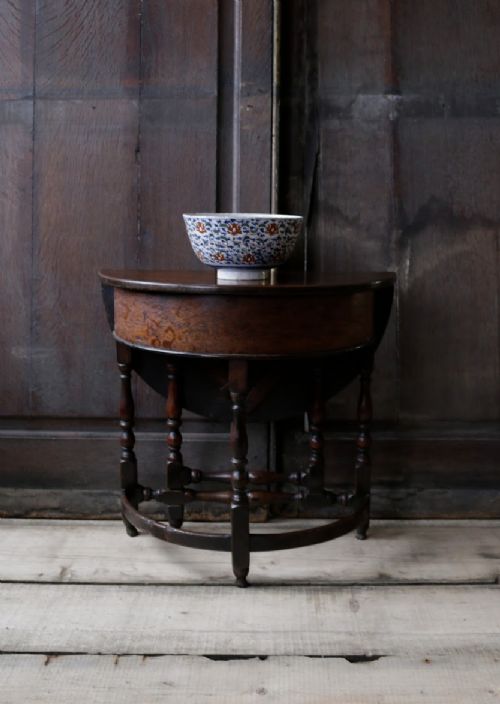
The antique oak credence table sits among seventeenth-century side furniture, often taking the form of a demi-lune table with a folding top supported by a swinging leg.
The evidence spans authentic seventeenth-century examples alongside later nineteenth-century Gothic Revival pieces and twentieth-century revival interpretations.
These tables serve primarily as side tables or occasional tables, utilising timber construction that reflects Jacobean and seventeenth-century English styles.
How they were made
Carpenters constructed these tables using solid oak, shaping heavy boards for the tops and framing.
Iron fixings and hinges support the pivoting gate-leg mechanism that allows the hinged top leaf to open and close.
Antique Oak Credence Table Retail Price Guide 2026
Typical asking prices for oak credence table among the pieces listed under this phrase on Sellingantiques today, from the lower quarter to the upper quarter. They describe what is for sale here now, not the wider market.
Some tables double their surface area with a gentle swing, proving that seventeenth-century carpenters understood the value of a clever hinge.
What varies in quality
The depth and crispness of the carved ornamentation separate standard examples from finer pieces, particularly where geometric moulding or foliate detail decorates the frieze.
The integrity of the pivoting mechanism and the retention of original timber surfaces determine the character and standing of an individual table.
The Antique Oak Credence Table Glossary
- Credence table
- A folding table with a hinged top supported by a swinging leg, originating for church use before entering domestic spaces. This form allows the top to double in size when opened.
- Demi-lune
- Half-moon shape, describing tables designed to stand flat against a wall. Such forms save floor space while providing a usable surface.
- Jacobean
- The style of English art and architecture spanning the early seventeenth century, characterised by solid proportions and strapwork carving. Oak furniture from this period relies on sturdy joinery.
- Gothic Revival
- The nineteenth-century architectural and decorative movement that revived medieval forms, arches, and tracery. Pieces from this era apply earlier motifs to traditional timber furniture.
Antique Oak Credence Table: Frequently Asked Questions
How were credence tables used?
Originally utilised in ecclesiastical settings to hold sacramental bread and wine, these tables transitioned into domestic interiors as side tables and hall furniture. The folding leaf allowed households to expand the surface area only when necessary.
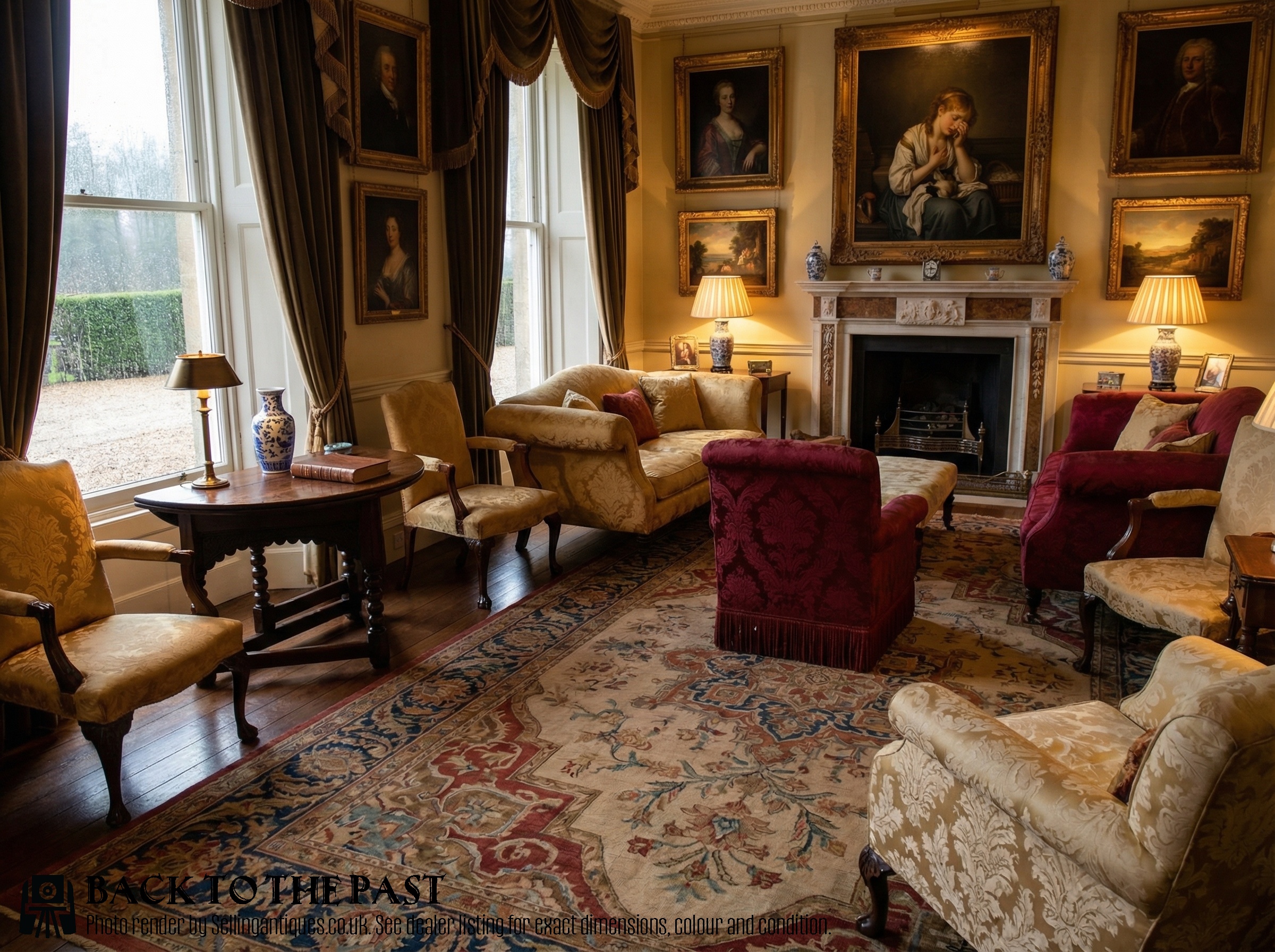
In modern rooms, they function as occasional tables or console tables that display objects while occupying minimal depth.
How do you date an oak credence table?
Dating relies upon examining the construction methods, tool marks, and joinery style visible in the oak frame. Seventeenth-century examples display hand-cut joints and patination developed through centuries of use.
Revival pieces from the nineteenth and twentieth centuries often incorporate machine-cut elements or stylistic interpretations of Jacobean and Gothic carving.
Are credence tables stable when opened?
The stability of the open top depends on the pivoting gate-leg swinging out to support the extended leaf. Properly aligned wooden hinges and sturdy framing ensure the leaf remains level.
When closed, the table stands flat against the wall as a demi-lune or console surface.