
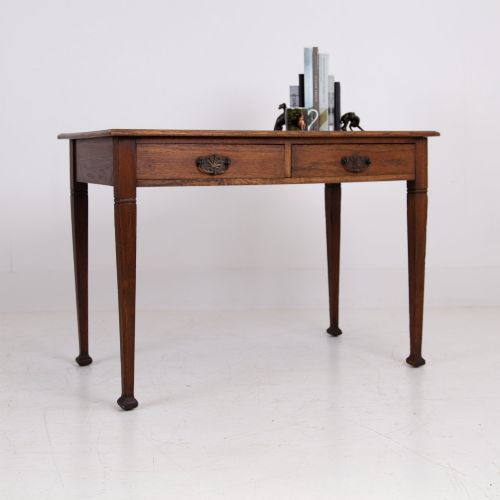
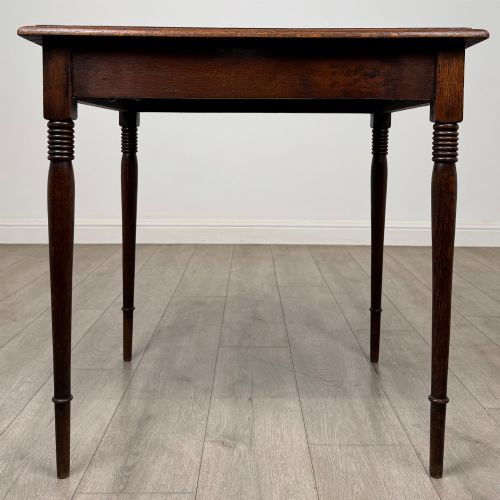
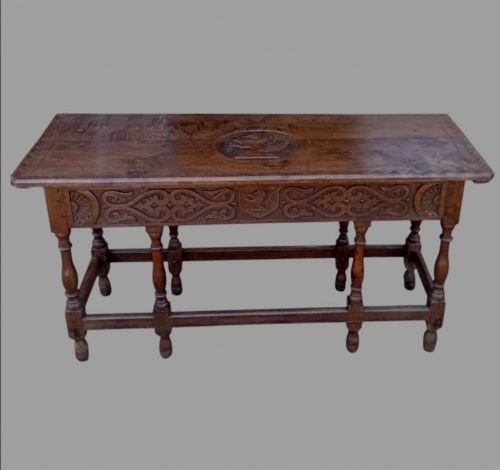
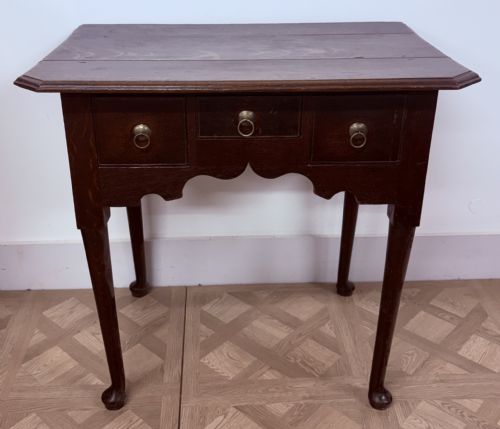
Traditional Oak Hall Table
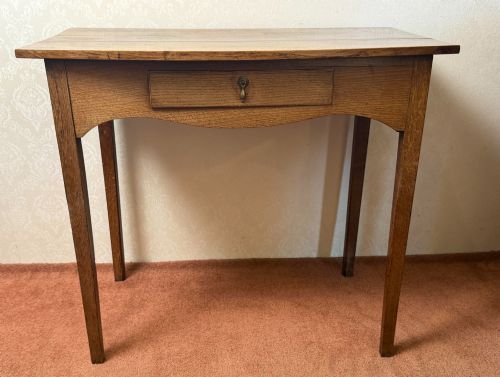
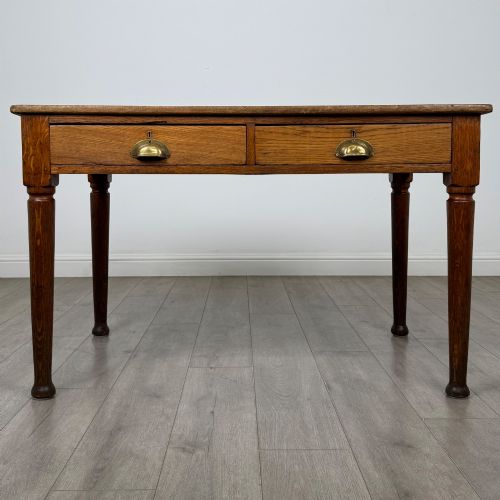
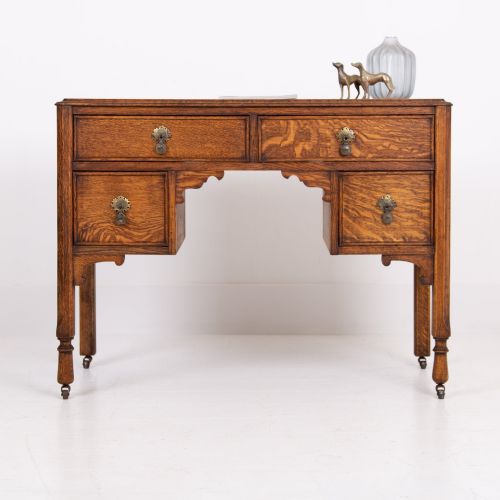
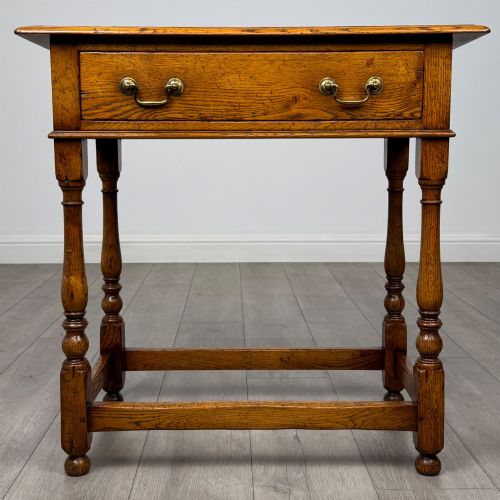
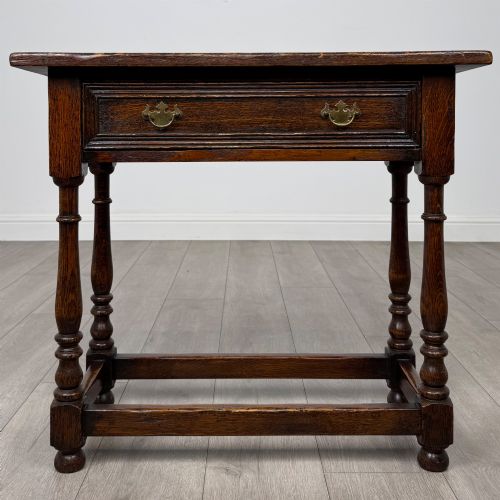
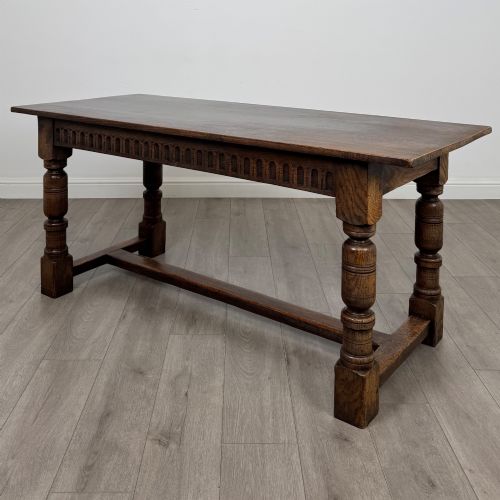
A traditional oak hall table brings solid character to an entryway, offering sturdy surfaces built to last through decades of daily use.
What They Are
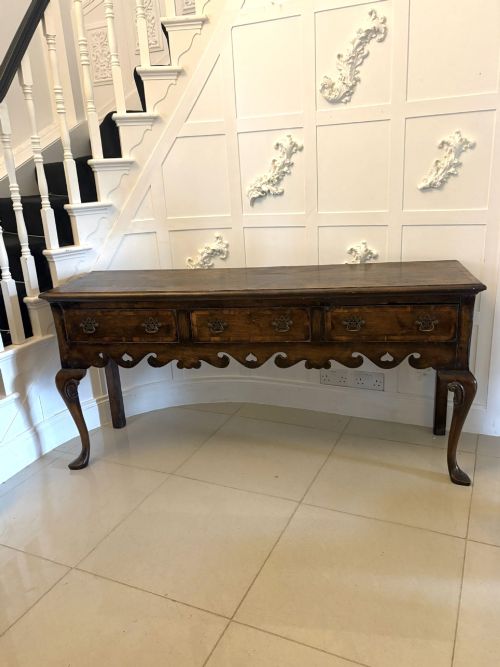
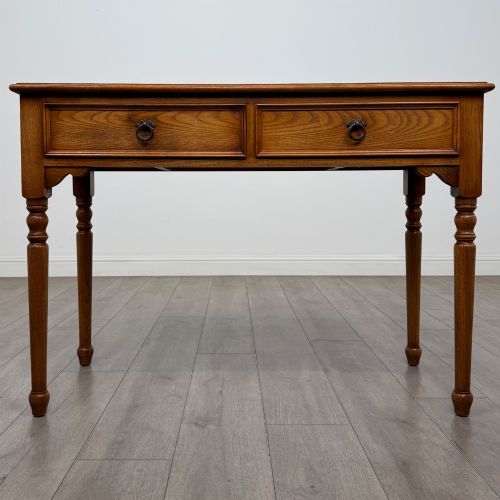
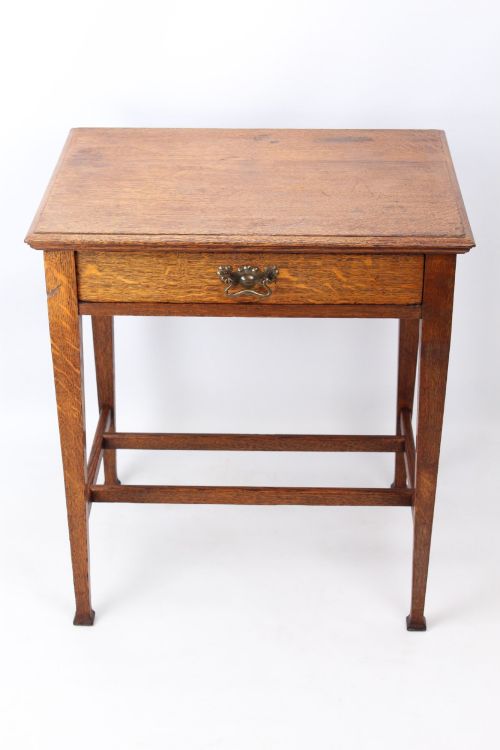
When you search for a traditional oak hall table, you encounter practical furniture designed for transitional spaces like hallways and corridors. The selection includes side tables, console tables, and dresser bases suited for narrow spaces.
The periods represented stretch across the Edwardian era, 1920, 1910, the Georgian period, and 1890. Stylistic influences span Edwardian design, English Country, Arts and Crafts, George II, and Gothic Revival.
Side tables and console tables dominate the form, alongside potboard dressers that offer lower display shelves. These pieces serve immediate utilitarian purposes while anchoring an interior scheme with rich timber tones.
How They Were Made
Makers utilised solid oak to construct these items, ensuring structural longevity and robust weight. Selected pieces incorporate brass hardware or fittings to complement the timber grain.
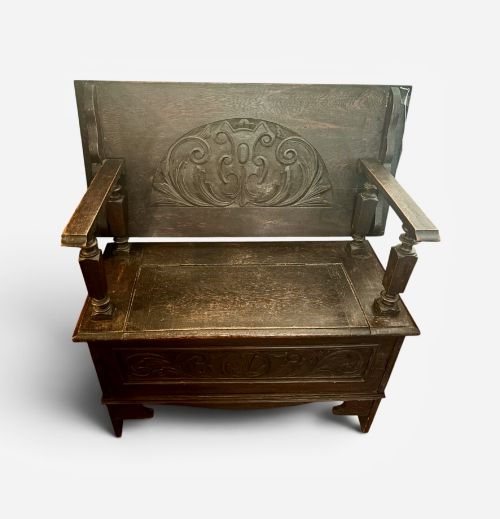
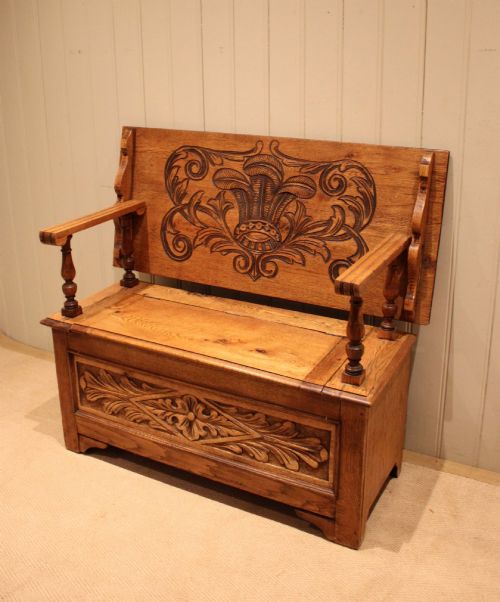
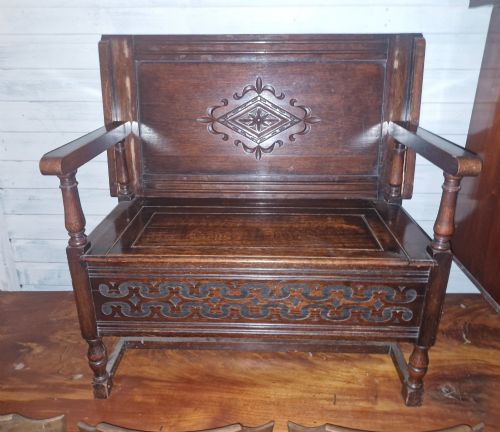
Surface treatments vary from traditional carved details to bleached finishes. Construction techniques reflect period cabinetry standards, accommodating open potboards and credence formats.
Retail Price Guide 2026
Typical UK retail prices for traditional oak hall table, calculated from the Sellingantiques database of over a million retail prices indexed since 2003. This retail price guide relies exclusively on Sellingantiques data; no external sources or auction records are used, so the figures do not describe the wider market.
Potboards were originally built low so heavy cheese presses could rest near the floor without tipping the entire household dresser.
What Varies in Quality
Quality rests upon the depth and execution of period carving, alongside the selection of timber planks. Pieces featuring integrated potboards or regional stylistic movements demonstrate higher craftsmanship.
The integrity of the construction and the subtlety of surface finishes distinguish standard items from exceptional examples. Finer pieces maintain balanced proportions and authentic period patination.
The Traditional Oak Hall Table Glossary
- Potboard
- A low shelf positioned beneath a dresser or table, traditionally used for storing pottery and large kitchen utensils. This practical feature defines many country house forms.
- Credence table
- A folding or fixed wooden table, often featuring semi-circular or polygonal tops, historically used for liturgical or domestic service. Gothic Revival examples showcase deep carved ornamentation.
- Bleached oak
- Timber treated to lighten its natural colour, a finish found on specific twentieth-century interpretations. This process alters the visual weight of the wood while retaining its grain.
- Arts and Crafts
- A design movement prioritising honest construction, visible joinery, and local materials. Glasgow School pieces represent the refined aesthetic of this philosophy.
- George II
- An eighteenth-century Georgian style characterised by sturdy proportions and architectural clarity. Items from this era employ robust oak timbers.
Frequently Asked Questions
Where should I place a traditional oak hall table?
These tables fit naturally in entrance halls, corridors, and narrow reception rooms where surface space is needed without blocking doorways. Their slim profiles accommodate post, keys, and decorative items.
They also function effectively as console tables in living spaces or dining rooms, anchoring lamps or mirrors above.
How do I care for oak furniture?
Maintain oak surfaces by dusting regularly with a soft, dry cloth to prevent dirt build-up in the grain. Avoid placing furniture in direct sunlight or near heat sources to prevent timber splitting.
Apply natural beeswax periodically to nourish the wood and preserve its historic finish.
How do I identify Arts and Crafts oak furniture?
Arts and Crafts pieces emphasise simple lines, visible construction details, and unpretentious oak construction. They often eschew heavy ornamentation in favour of honest craftsmanship.
Regional variations, such as those from the Glasgow School, introduce distinctive linear motifs.
What is the difference between Georgian and Edwardian oak furniture?
Georgian oak furniture, including George II styles, tends to feature heavier architectural proportions and formal classical influences. These pieces reflect eighteenth-century domestic requirements.
Edwardian and 1920s interpretations often adopt lighter builds or revive earlier motifs with softer, vernacular details.