



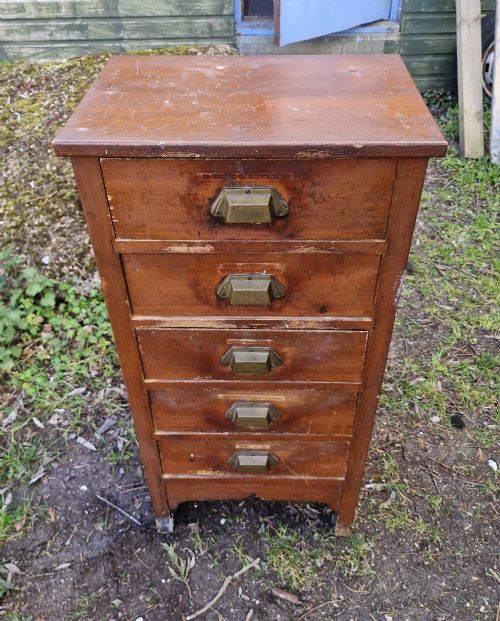

Brass Handle Oak Desk
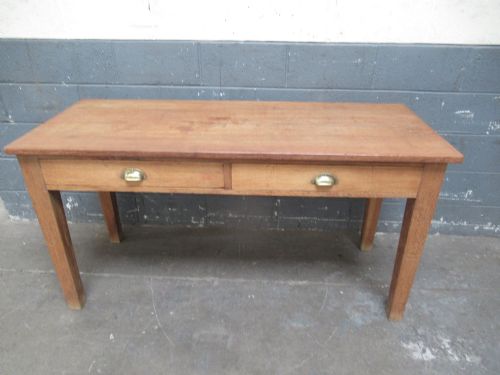
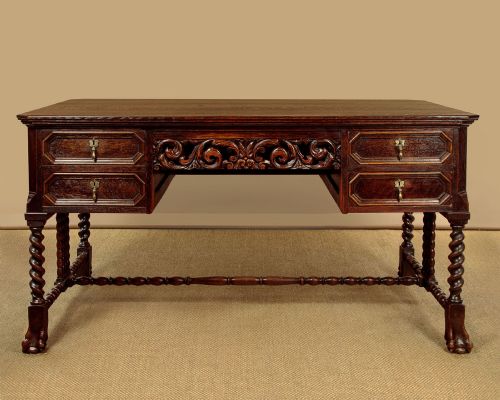
A brass handle oak desk brings robust timber grain and period metalwork directly into a study or workspace.
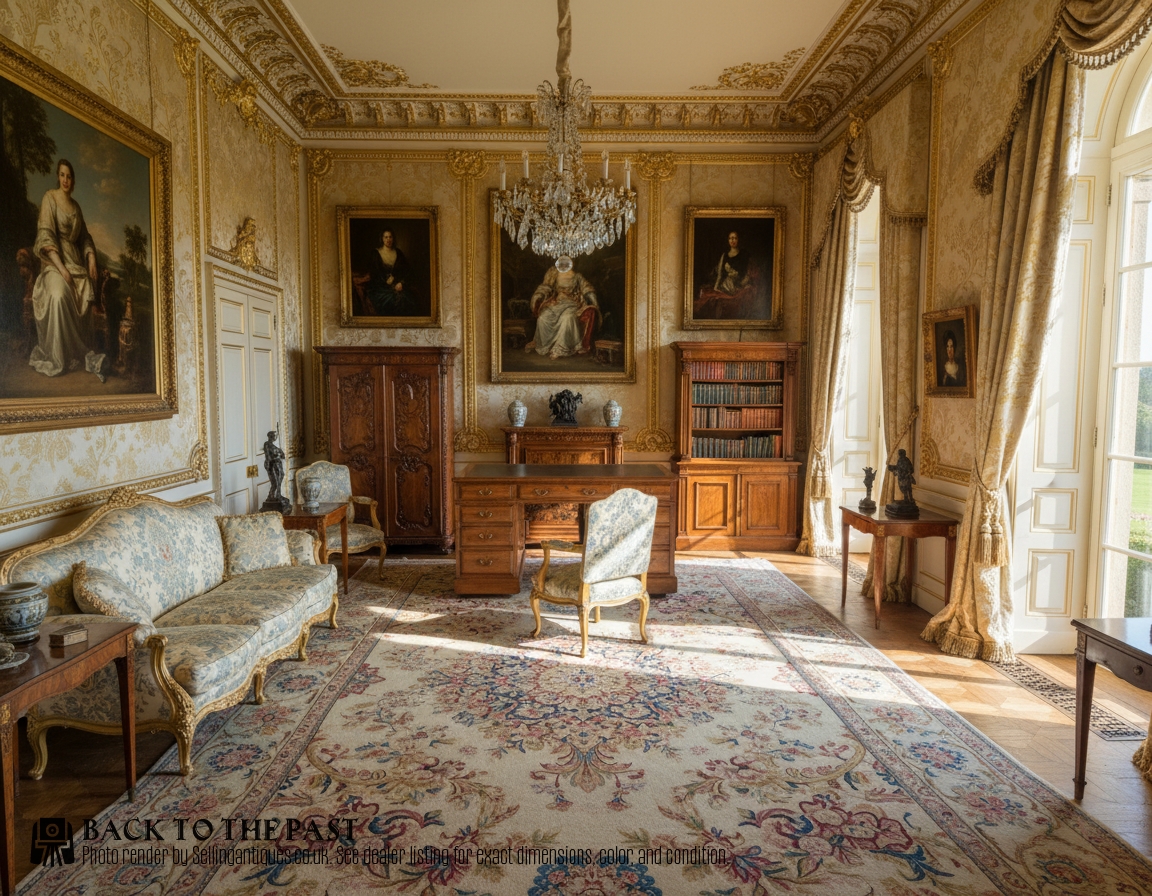
Brass Handle Oak Desk
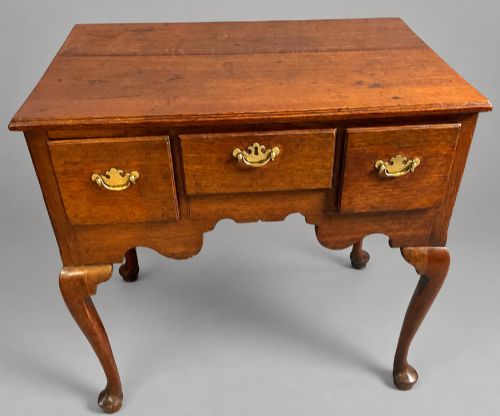
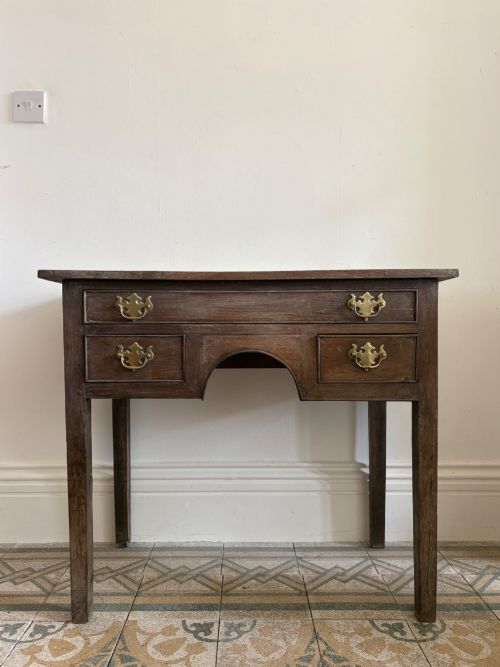
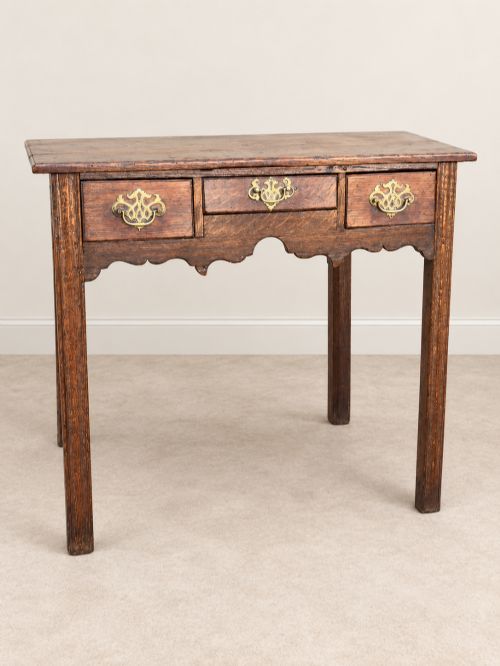
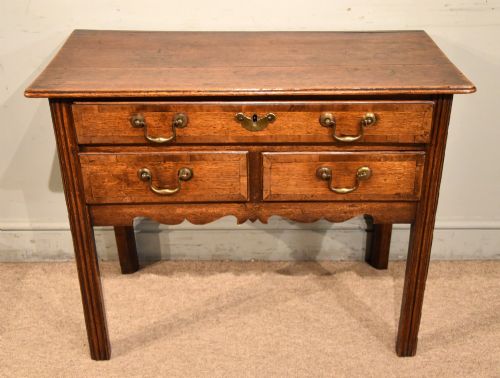
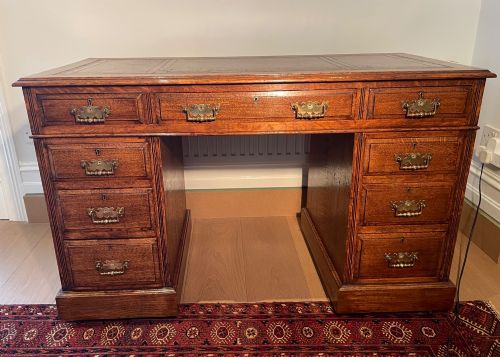
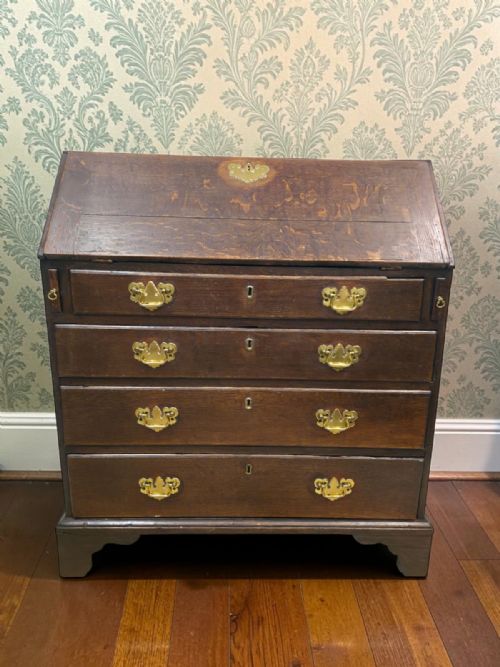
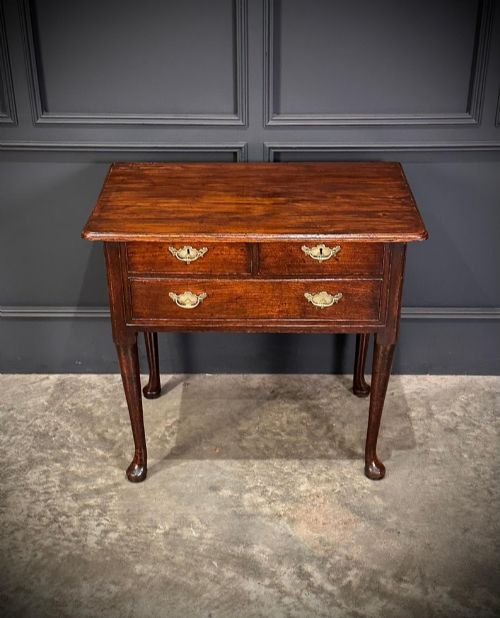
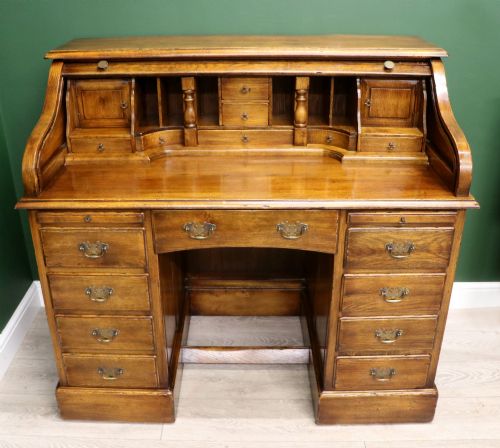
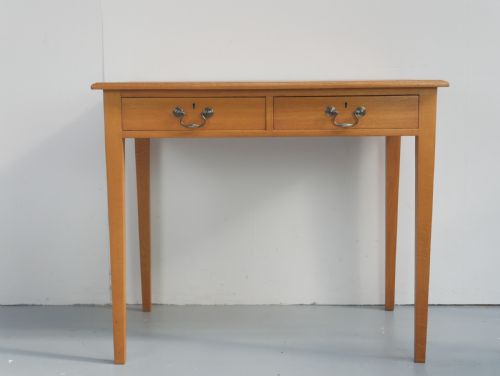
You are most likely to meet nineteenth-century Victorian pedestal desks or Georgian lowboys featuring fitted brass drop handles or backplates. The selection balances utilitarian office cabinets with domestic writing surfaces shaped by English Country, Arts and Crafts and revival aesthetics.

How they were made
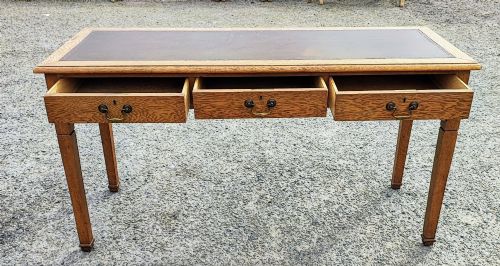
Carpenters constructed these desks from solid oak timbers, occasionally incorporating secondary woods such as pine, mahogany or satinwood for interior linings and crossbanding. Surfaces frequently integrate inset leather writing panels alongside visible dovetail joints on the drawer constructions.
Metalwork played a defining structural and decorative role, utilising cast brass for handles, escutcheons and drawer pulls, sometimes supported by iron fittings. Wood inlay and subtle carving appeared on specific Arts and Crafts or Jacobean revival examples.
Brass Handle Oak Desk Retail Price Guide 2026
Typical asking prices for brass handle oak desk among the pieces listed under this phrase on Sellingantiques today, from the lower quarter to the upper quarter. They describe what is for sale here now, not the wider market.
Wages desks bring industrial paydays into the domestic study.
What varies in quality
The degree of timber figure and the selection of golden or pale oak grains distinguish standard utility pieces from more ambitious cabinet work. Figured oak surfaces and substantial proportions elevate the presence of pedestal desks and bureau bookcases.
Originality of the hardware and interior fittings heavily influences the standing of a piece. Desks retaining their period brass handles and matching oak-lined drawers demonstrate greater integrity than those altered over time.
Blyth and Son London·Jenners
The Brass Handle Oak Desk Glossary
- Lowboy
- A small eighteenth-century dressing or writing table with one or more rows of drawers beneath the flat top. These pieces typically stand on slender cabriole or straight legs.
- Pedestal desk
- A heavy freestanding writing desk built with two separate drawer pedestals supporting the main work surface. They offer substantial storage capacity on both sides.
- Bureau
- A writing cabinet featuring a sloping fall-front flap that opens to reveal internal pigeonholes and small drawers. They appear on bracket feet or mounted upon dedicated stands.
- Crossbanding
- A decorative border technique where thin strips of veneer are laid around the perimeter of a drawer front or top surface so the grain runs at right angles.
- Partners desk
- A large double-sided pedestal desk designed to accommodate two people working opposite each other simultaneously. These pieces feature full sets of drawers on both faces.
Brass Handle Oak Desk: Frequently Asked Questions
What defines a lowboy desk?
A lowboy functions as a compact eighteenth-century side table or writing surface equipped with shallow drawers beneath the top. They sit lower than standard modern desks and display classic period proportions.
These pieces suit smaller studies or hallways where a full pedestal desk overwhelms the floor space. Their restrained ornamentation relies entirely on the quality of the oak timber and cast brass pulls.
How do I identify a partners desk?
Partners desks feature working drawers and cupboards accessible from both the front and the back of the piece. This dual-access layout allowed two individuals to sit opposite one another.
They represent larger, heavier formats built for institutional or grand country house libraries. The presence of matching drawer configurations on both sides confirms the form.
What is a fall-front bureau?
A fall-front bureau uses an angled writing flap that pulls down to create a flat leather or wood writing surface. The sloping lid conceals a fitted interior of small stationery compartments.
When closed, the desk presents a tidy vertical cabinet profile that saves floor space. Georgian and Edwardian examples demonstrate this traditional space-saving design.
Are these desks made of solid oak?
The listings show primary construction in solid oak, occasionally paired with golden or figured oak veneers on larger surfaces. Secondary timbers like pine or mahogany appear inside drawer linings.
Metal components such as brass handles and iron fixings complement the dense timber construction. The materials reflect regional English workshop traditions across multiple centuries.