

Brown Oak Bureau
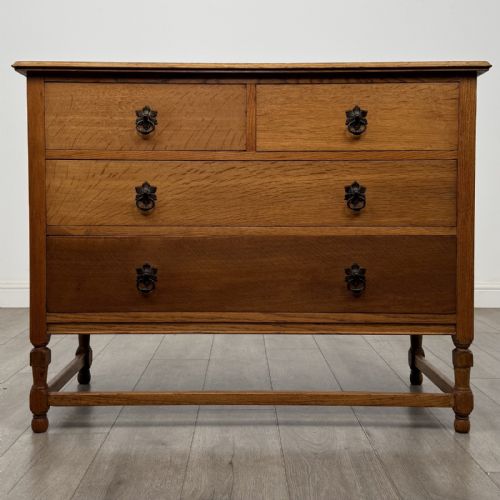
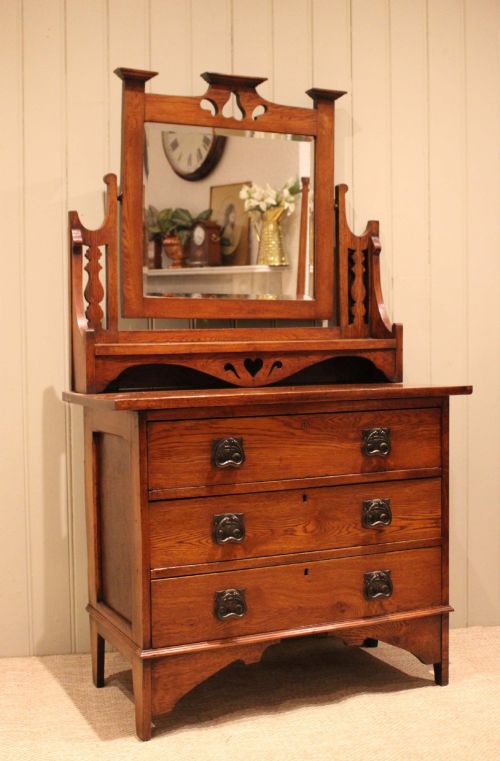
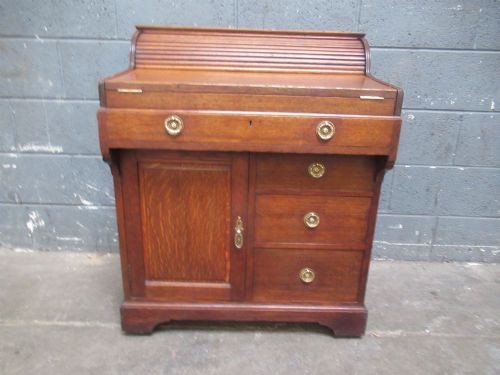
Brown oak bureau selections combine practical writing surfaces with rich timber tones, offering collectors durable workspace solutions rooted in centuries of cabinetmaking tradition.
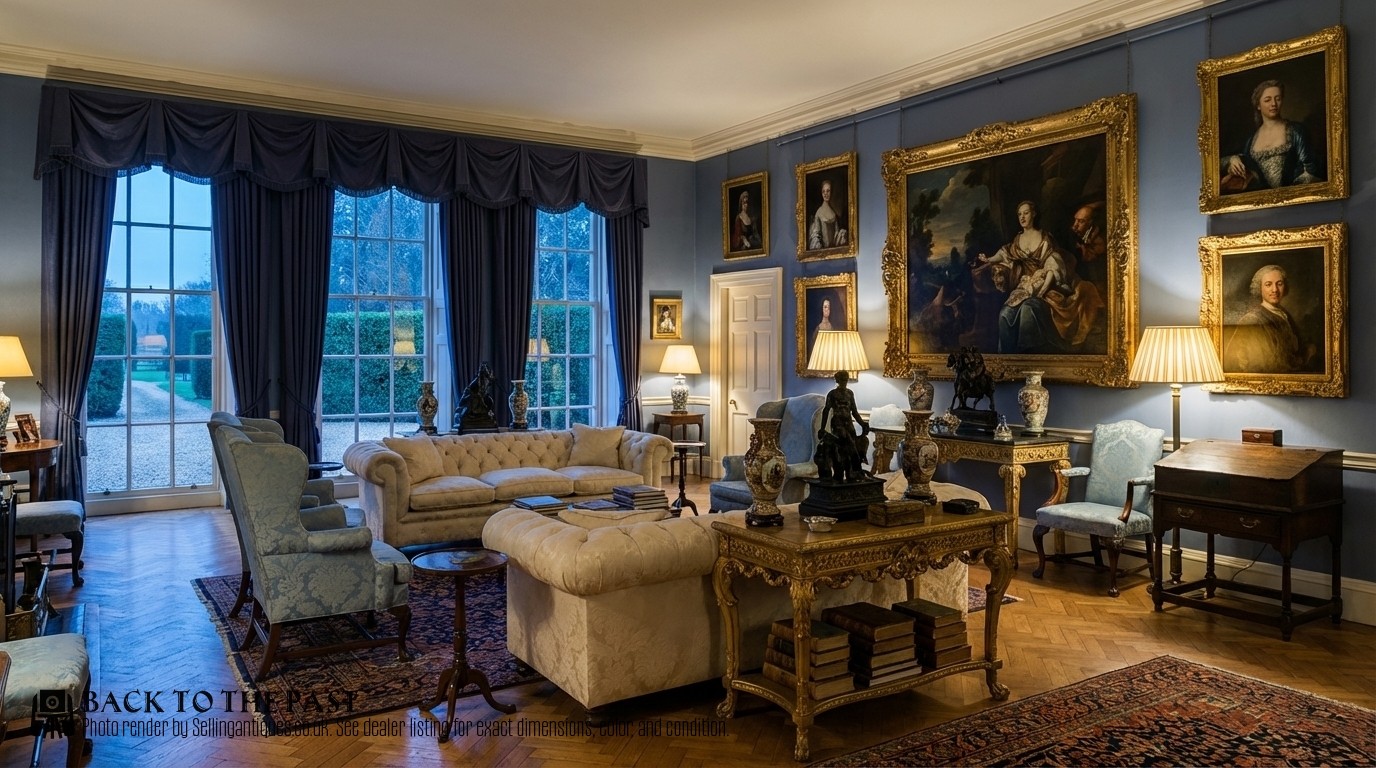
Brown Oak Bureau
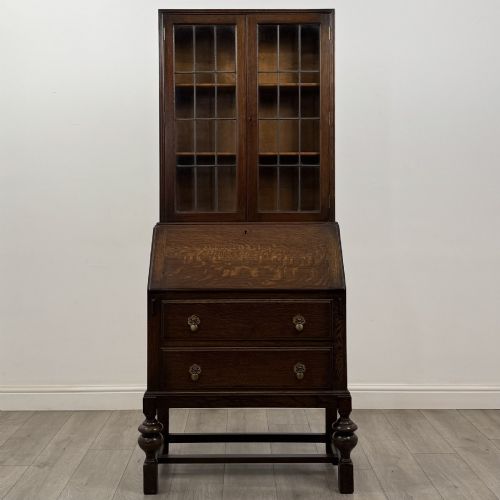
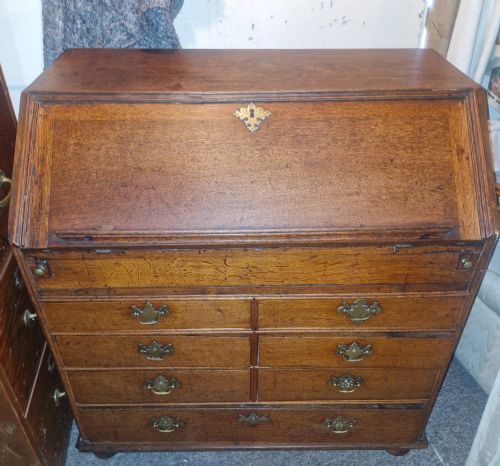
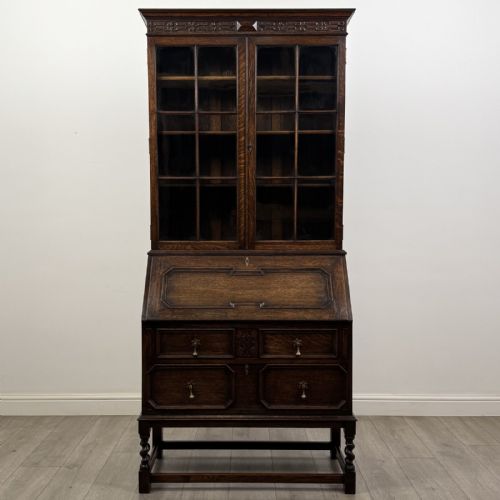
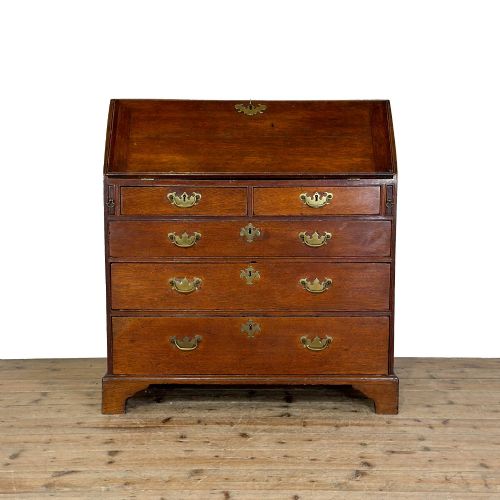
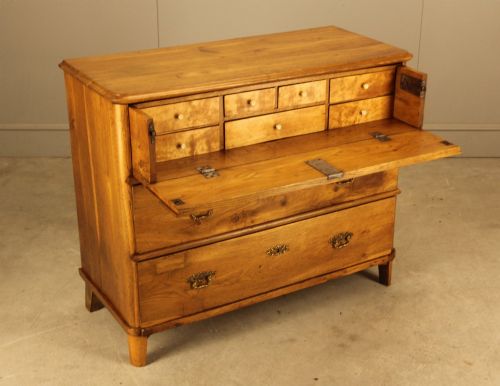
A brown oak bureau provides a dedicated writing space featuring a sloping fall front or drop lid that conceals internal compartments, pigeonholes, and small drawers. These pieces emerge primarily from the eighteenth and nineteenth centuries, alongside Edwardian and later twentieth-century revivals.
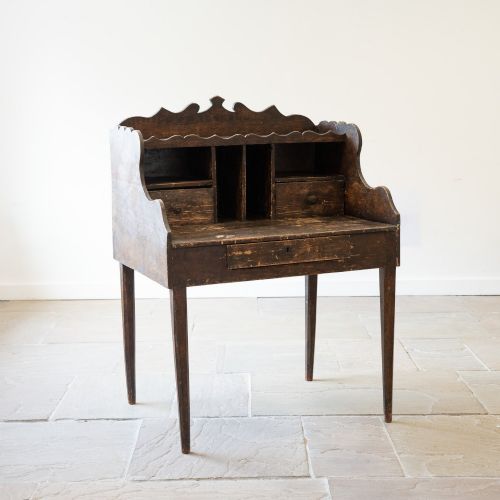
The materials span solid timber alongside supplementary brass handles, glass cabinet doors, and occasional leather writing inserts. Buyers frequently encounter desk and bookcase combinations alongside simpler fall-front writing cabinets and pedestal writing tables.
Originating across domestic workshops and commercial cabinetmakers, these writing pieces serve both study and living spaces. The selection ranges from compact writing slopes to tall bureau bookcases fitted with glazed upper sections.
What varies in quality
The sophistication of the internal stationery compartments defines the upper tier of these writing pieces, particularly where stepped drawers and concealed pigeonholes demonstrate meticulous joinery. The selection of timber also separates standard workshop output from finer examples, with rich figuring and consistent grain enhancing the visual depth of the fall front.
Structural integrity rests on the original condition of the fall-front hinges and the smooth operation of internal writing slides. Examples retaining their period brass hardware and uncompromised internal fittings command greater regard among collectors.
Brown Oak Bureau Retail Price Guide 2026
Typical asking prices for brown oak bureau among the pieces listed under this phrase on Sellingantiques today, from the lower quarter to the upper quarter. They describe what is for sale here now, not the wider market.
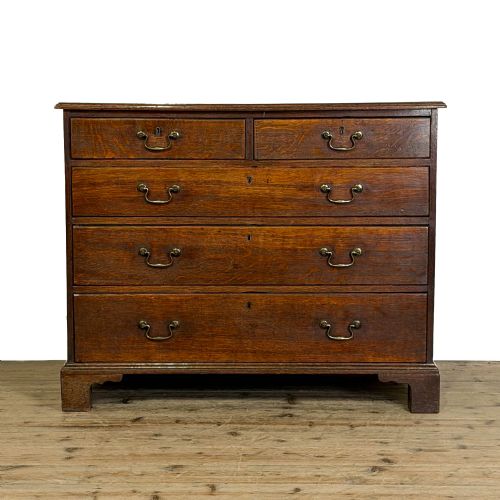
Listings feature oak combined with brass, glass, leather, and iron across periods spanning the seventeenth century to the Art Deco era.
Heal's·Blyth & Son
The Brown Oak Bureau Glossary
- Fall front
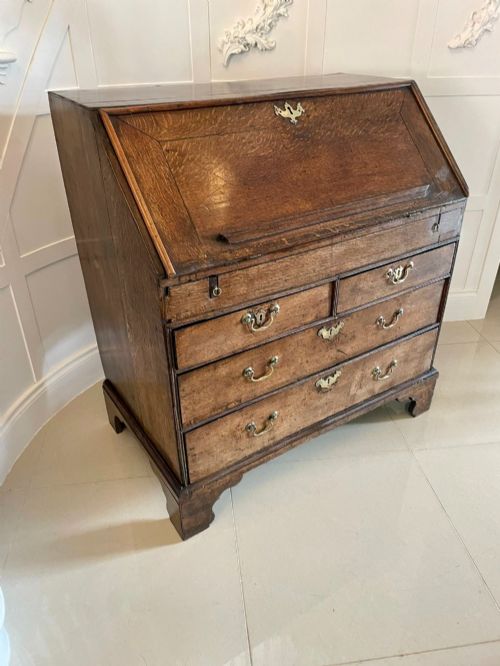
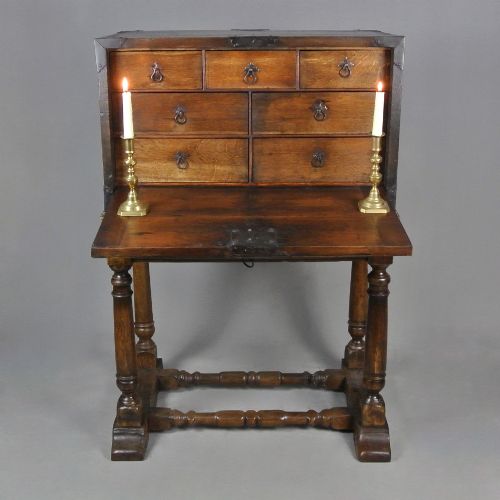
- A hinged writing flap that pulls down to create a horizontal writing surface while concealing internal pigeonholes. This panel remains upright and locked when the desk is closed.
- Bureau bookcase
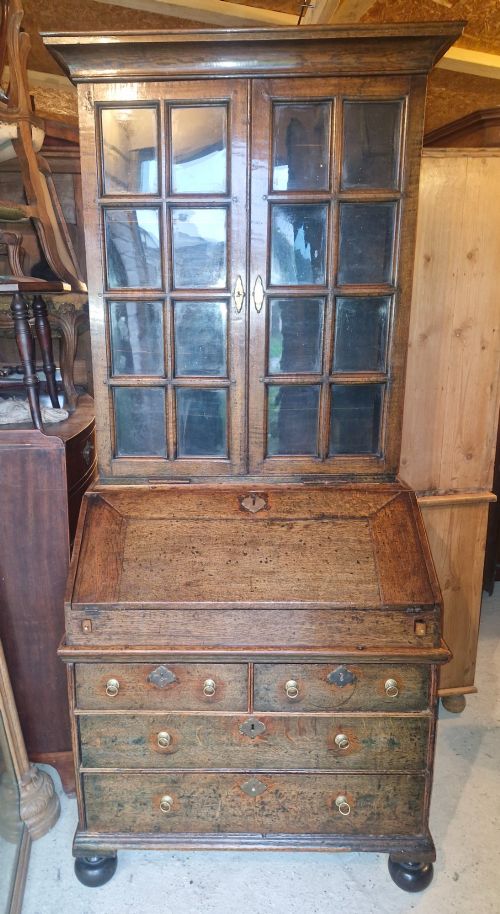
- A dual-purpose piece combining a sloping writing desk below with a glazed or panelled bookcase above. These tall units maximise storage capacity within a single footprint.
- Kneehole desk
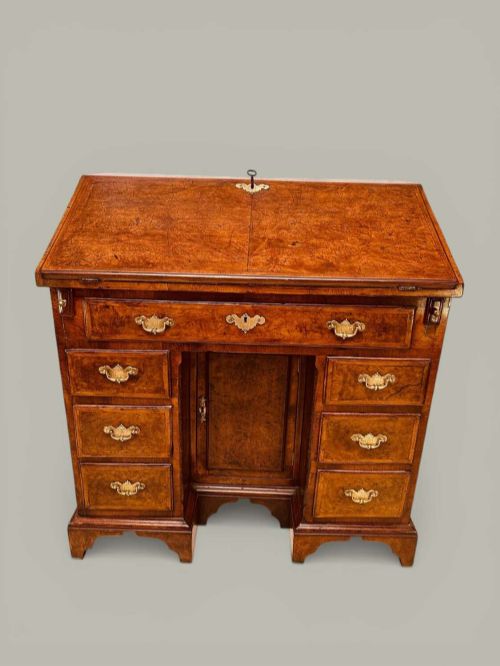
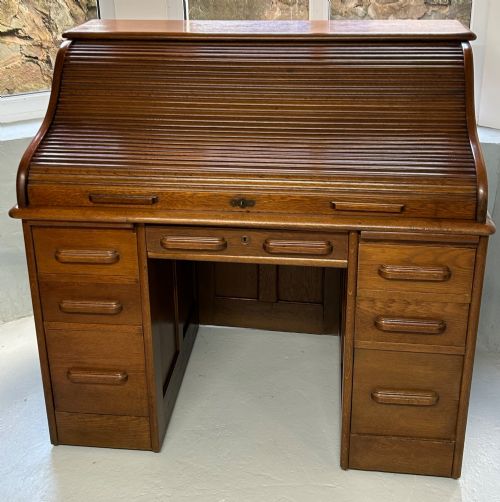
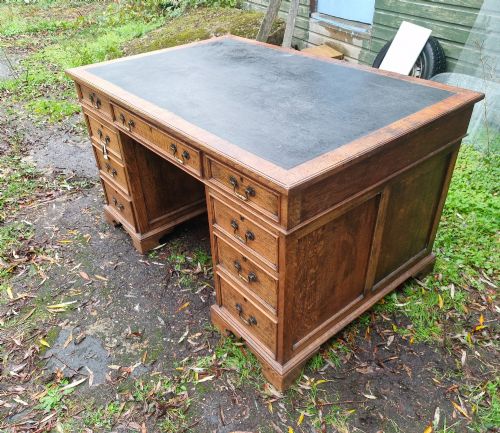
- A freestanding writing table featuring a central recess for the user's legs, flanked by pedestals of stacked drawers. These configurations date predominantly from the Victorian and later periods.
- Writing slope
- A portable or stationary box with an angled lid designed to hold paper and provide an inclined surface for writing. Examples often incorporate internal compartments for inkwells and pens.
- Geometric moulding
- Raised wooden mouldings applied to drawer fronts in rectilinear patterns, characteristic of seventeenth-century cabinetwork. This technique adds depth and shadow to plain timber surfaces.
Brown Oak Bureau: Frequently Asked Questions
What is a brown oak bureau?
A brown oak bureau is an enclosed writing desk featuring a hinged fall-front lid that opens to reveal internal compartments and drawers.
These pieces combine functional workspace with enclosed storage, utilising the rich natural colour of oak timber.
How do I date an old bureau?
Dating relies on examining construction methods, hardware styles, and timber preparation techniques visible within the interior drawers.
Earlier eighteenth-century pieces display hand-cut dovetails and geometric mouldings, whereas Edwardian and later examples exhibit standardised machine production.
Where were these desks used?
These writing pieces served primarily in domestic studies, libraries, and parlours for correspondence and household administration.
Their enclosed design allowed owners to conceal writing materials and private papers when not in active use.
How do I care for oak furniture?
Maintenance involves applying quality beeswax periodically to nourish the timber and protect the surface from excessive moisture.
Placement away from direct heat sources and strong sunlight preserves the stability and rich colour of the wood.
What is the difference between a bureau and a desk?
A traditional bureau incorporates a sloping fall-front lid that covers an internal nest of small drawers and pigeonholes.
A standard desk typically provides an open flat writing surface or pedestal drawers without the enclosing front flap.