

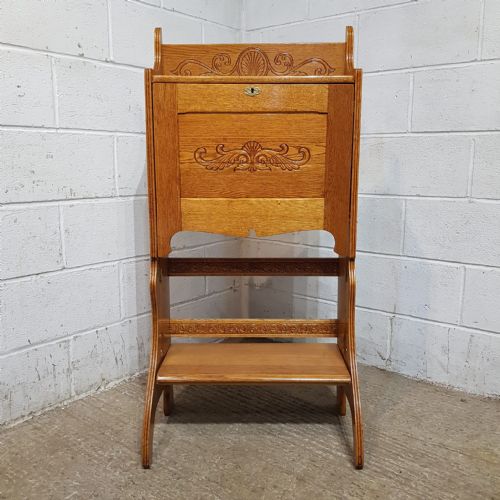
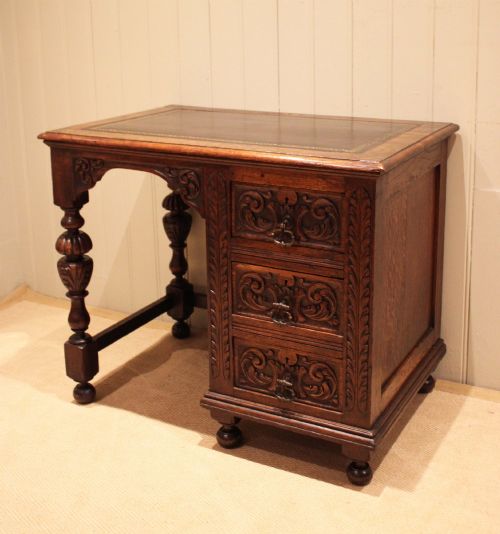
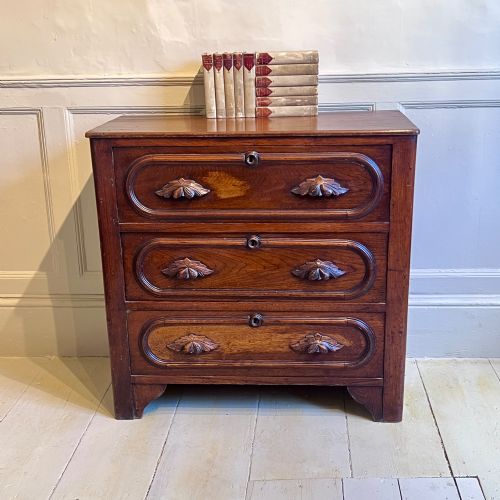
Carved Oak Bureau
When you search for a carved oak bureau, you are looking at sturdy writing furniture built to hold correspondence and documents securely.

Carved Oak Bureau
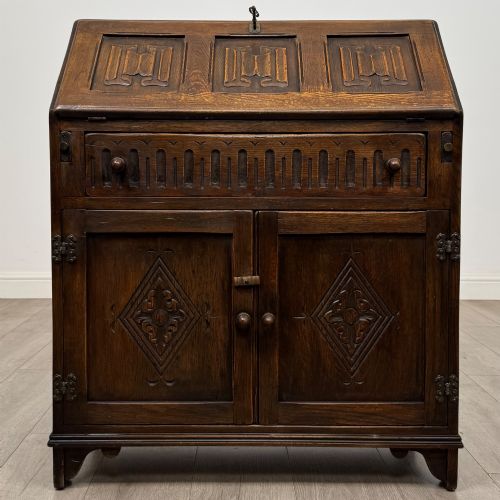
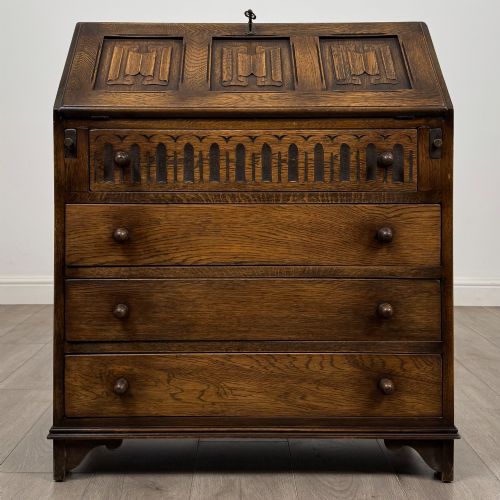
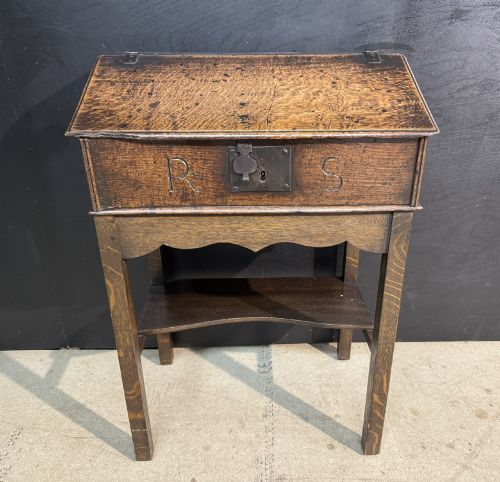
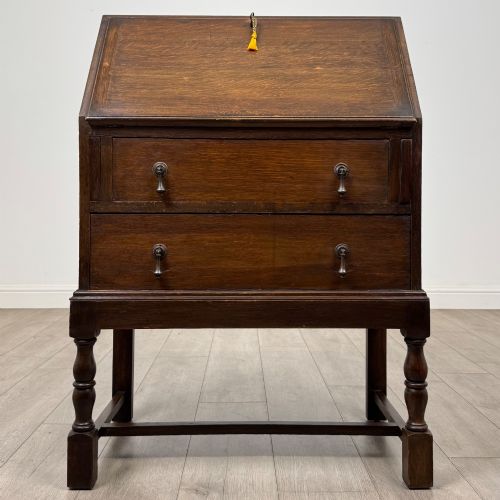
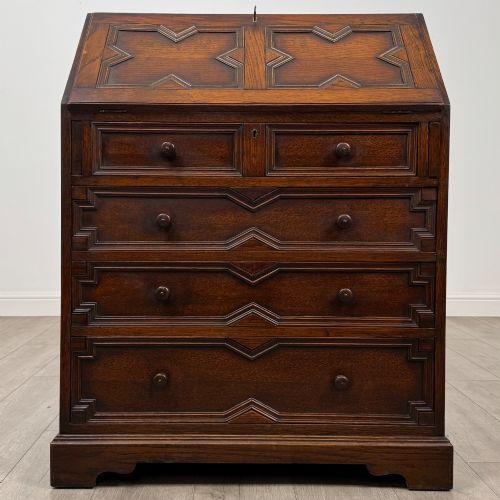
A carved oak bureau combines a sloping writing flap with internal drawers and pigeonholes above a set of lower drawers, designed for practical household correspondence. When exploring a carved oak bureau, you will encounter examples ranging from vernacular seventeenth-century pieces to revival pieces produced during the Edwardian period and the nineteen-twenties.
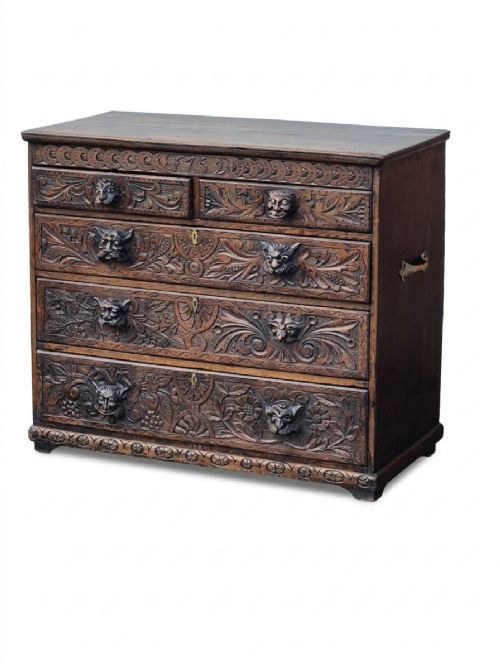
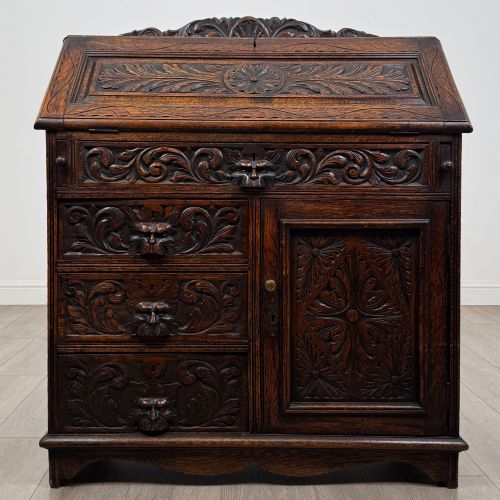
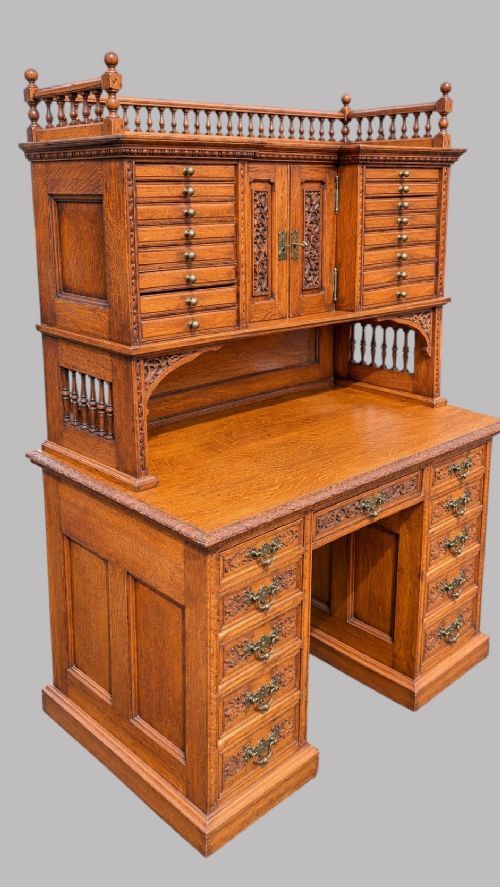
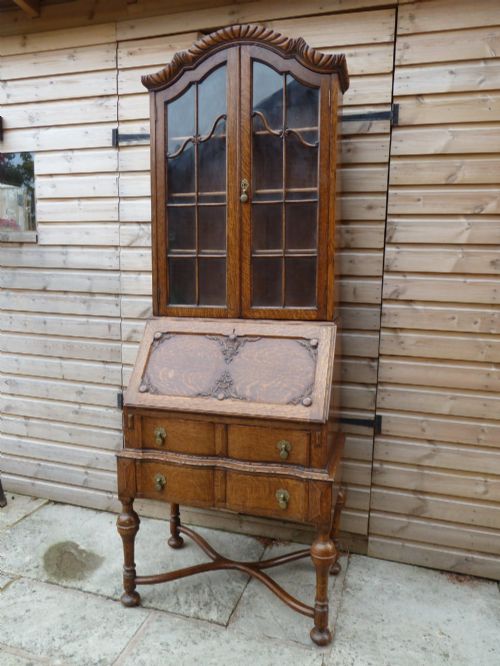
The selection includes standard slant-front desks alongside taller bureau bookcases that incorporate shelving or cabinets above the writing compartment. These writing pieces frequently display decorative carving such as linenfold patterns, geometric panels, or grotesque Green Man motifs.
Originating largely from British workshops, these items reflect centuries of cabinet-making traditions utilising native timber. The forms bridge the gap between simple writing boxes and grand library furniture.
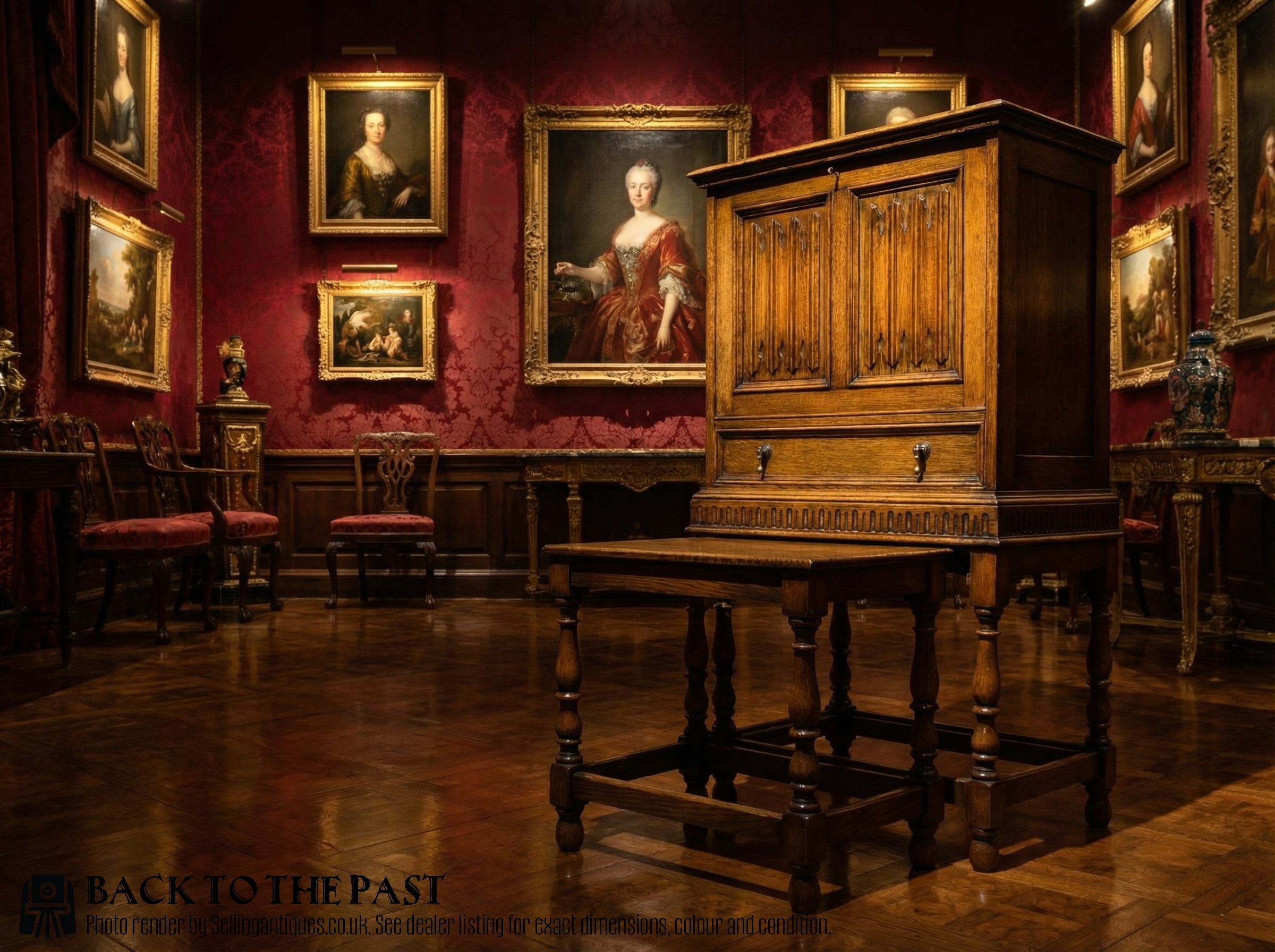
How They Were Made
Cabinet-makers constructed these pieces primarily using solid timber frames joined with traditional techniques, mounting brass handles and hinges to drawers and fall fronts. Secondary materials such as glass, leather inserts, iron, and copper appear on specific desk variations and interior fittings.
Carving was executed by hand, creating relief patterns that define styles from Jacobean revivals to Victorian grotesque designs. The natural grain of the wood was often waxed or polished to enhance the surface texture of the panels.
Carved Oak Bureau Retail Price Guide 2026
Typical asking prices for carved oak bureau among the pieces listed under this phrase on Sellingantiques today, from the lower quarter to the upper quarter. They describe what is for sale here now, not the wider market.
Listings feature oak items spanning the seventeenth, eighteenth, nineteenth, and twentieth centuries, including Edwardian and Victorian revival pieces.
What Varies in Quality
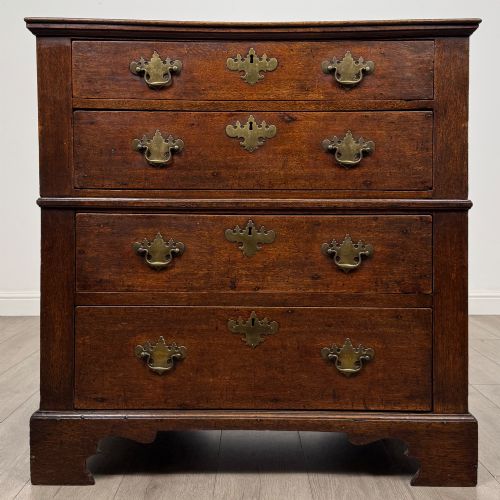
Internal complexity also sets pieces apart, with superior examples featuring well-arranged pigeonholes, hidden compartments, and sliding wells beneath the writing flap. The retention of original brass hardware and stable drawer construction further distinguishes higher-grade items.
Blyth & Son London·Étienne Kohlmann
The Carved Oak Bureau Glossary
- Bureau
- A writing desk featuring a sloping hinged flap that opens to reveal compartments for paper and small drawers. This form evolved from the portable writing box into a standing piece of furniture.
- Linenfold
- A style of wood carving that imitates vertical folds of folded fabric or linen. It frequently decorates the panels of Edwardian and revival furniture.
- Green Man
- A sculptural ornament depicting a human face entwined with or sprouting foliage and vines. It appears frequently on Victorian and revival carved oak pieces.
- Kneehole desk
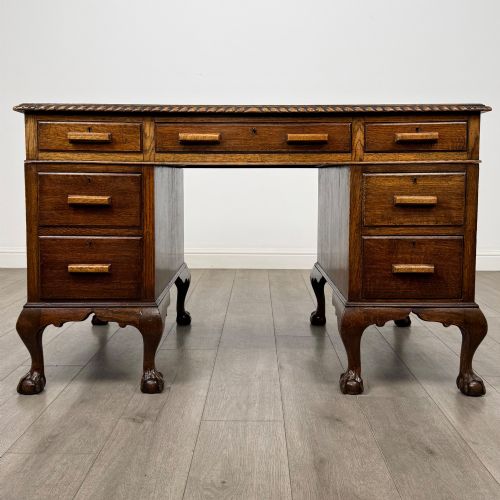
- A flat-topped writing table with a central recess for the user's legs, flanked by pedestals of drawers. These desks provide a stable working surface.
- Bureau bookcase
- A combination furniture piece featuring a writing bureau base with an upper bookcase or cabinet section enclosed by doors. The upper section often has glass panels.
Carved Oak Bureau: Frequently Asked Questions
What is a carved oak bureau?
A carved oak bureau is a traditional writing desk featuring a sloped fold-down writing flap and internal compartments, constructed from oak and decorated with carved relief patterns. These pieces range from seventeenth-century vernacular examples to later revival styles.
They combine storage space for stationery with a practical writing surface, making them functional items of antique furniture.
How do I use a bureau?
To use a bureau, you lower the hinged writing flap to create a slanted or horizontal desk surface for writing letters and storing documents. The internal pigeonholes and small drawers help organise stationery.
When you finish writing, you close the flap to conceal your papers and keep the interior tidy.
How do I care for oak furniture?
Caring for oak furniture involves keeping it away from direct heat sources and strong sunlight to prevent the timber from drying out and splitting. Regular dusting with a soft, dry cloth maintains the surface finish.
Applying a traditional beeswax polish occasionally helps nourish the wood and preserve its natural lustre.
How can I tell the period?
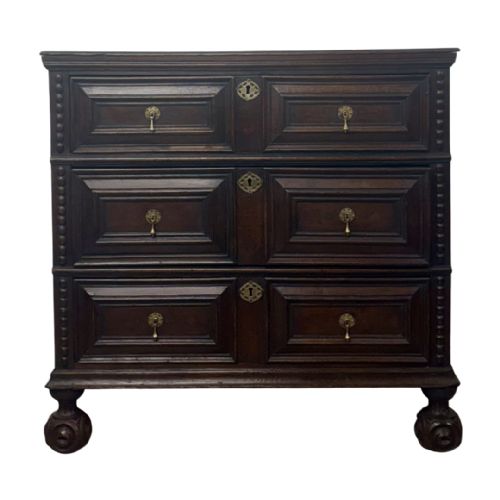
You can distinguish the period by examining the carving style, construction methods, and hardware types used on the piece. Seventeenth-century examples often display geometric mouldings, while Victorian and Edwardian pieces frequently feature heavy relief carving or linenfold panels.
Internal drawer construction and the type of locks fitted also provide clues regarding the date of manufacture.