
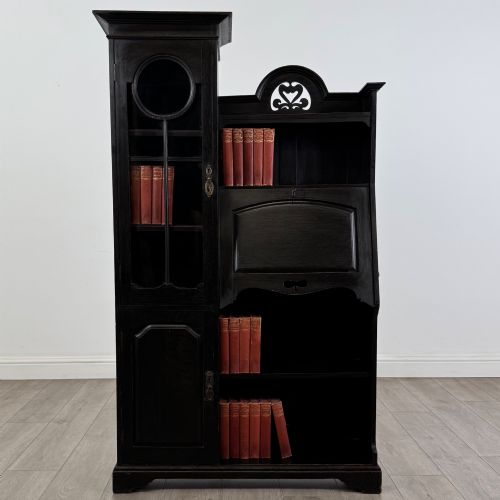
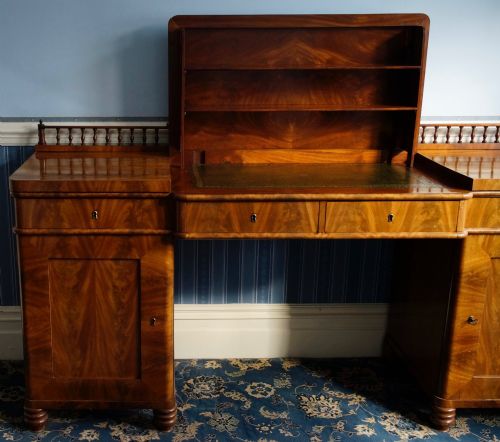
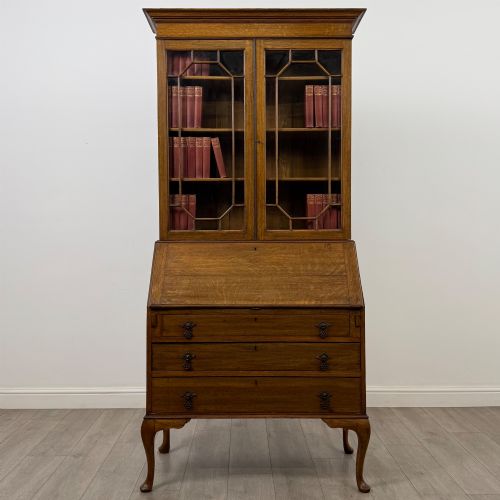
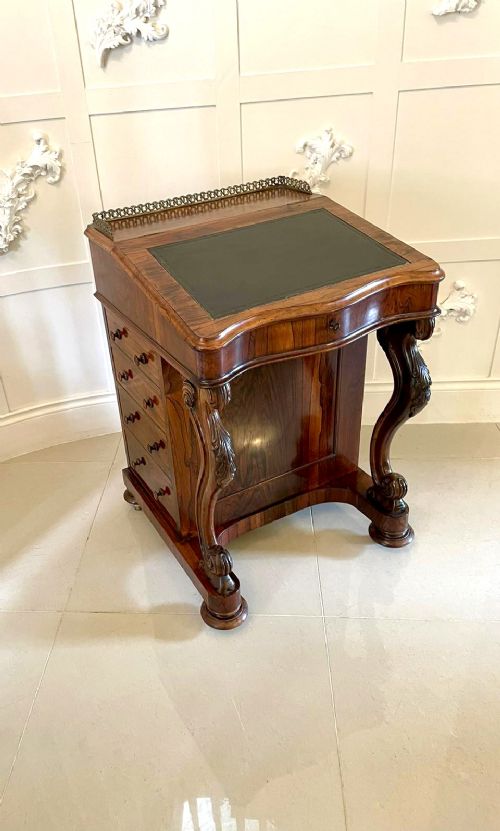
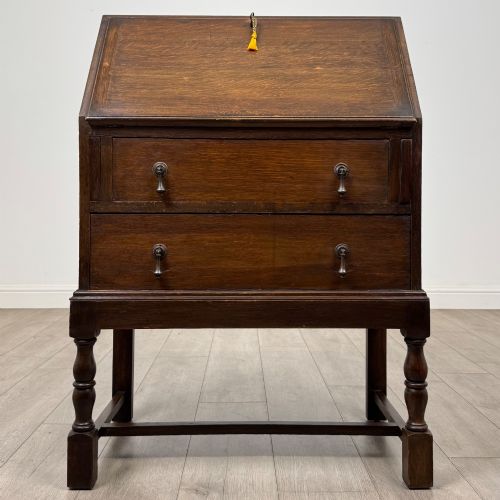
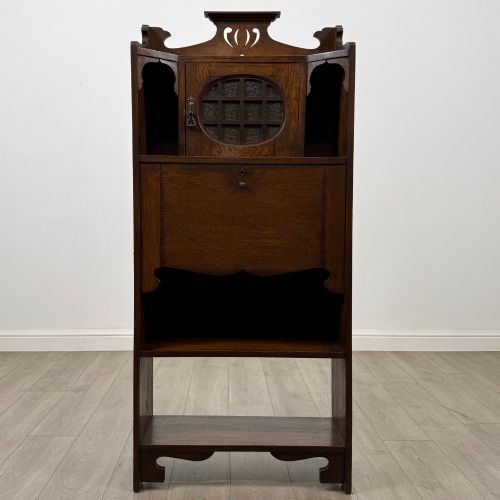
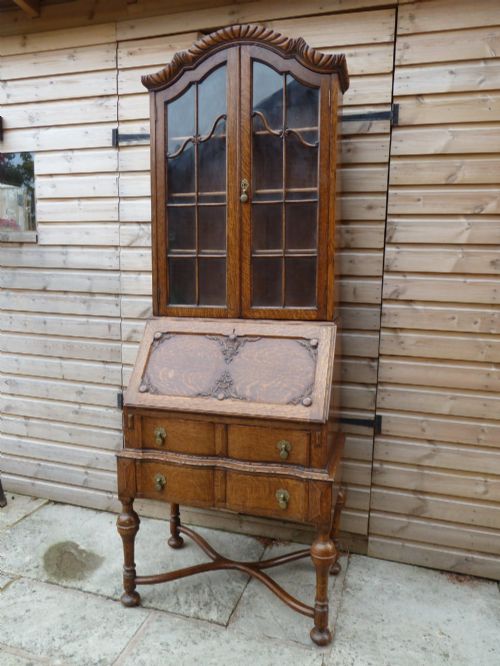
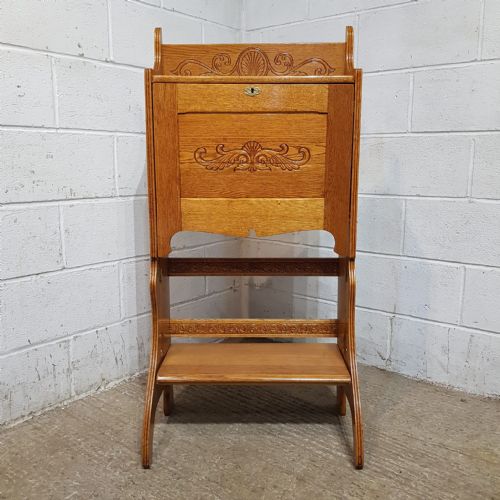
Edwardian Writing Cabinet
An Edwardian writing cabinet offers compact practicality for the home, combining desk space with fitted storage in a distinctive period form.
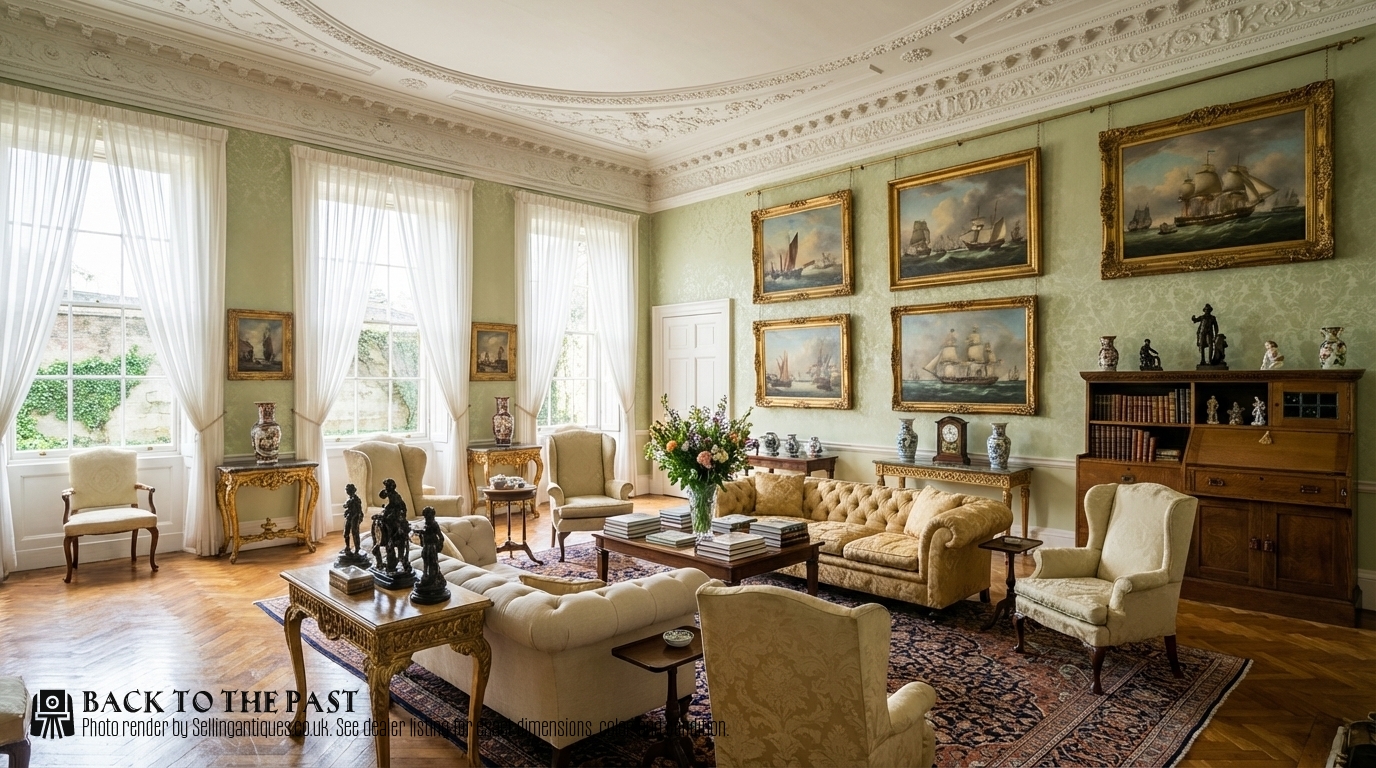
Understanding Edwardian Writing Cabinets
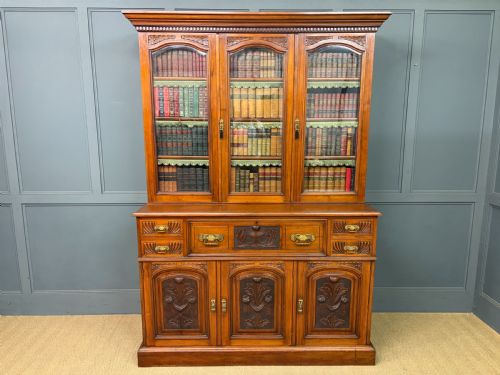
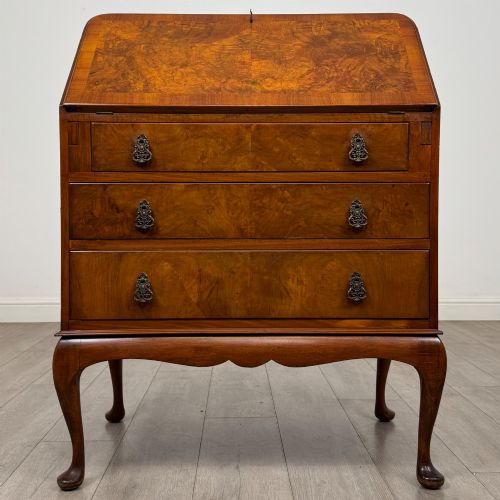
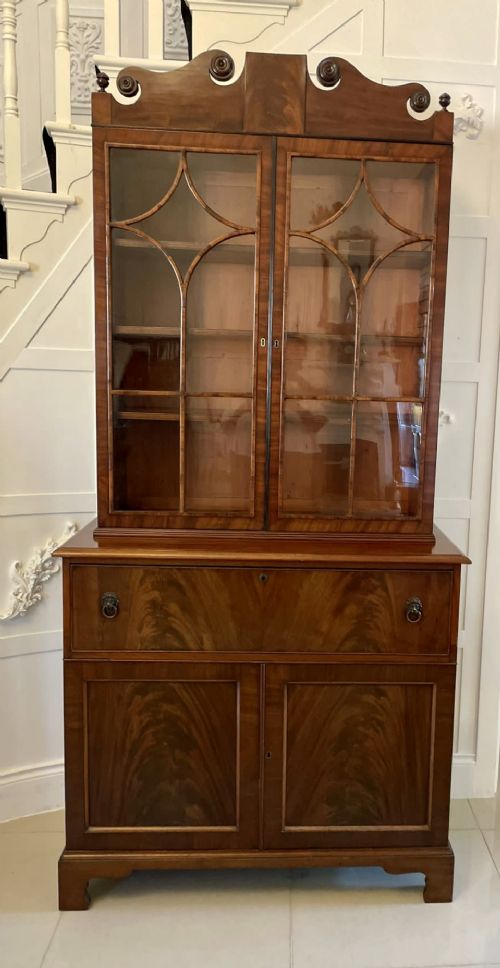
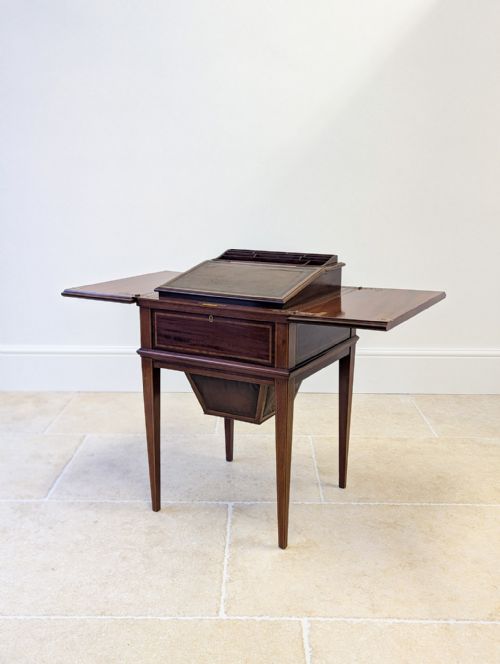
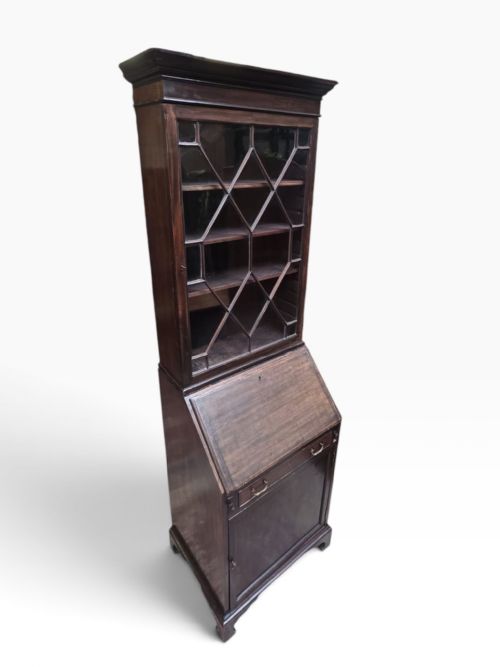
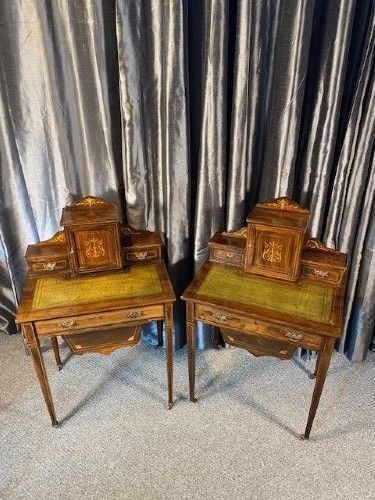
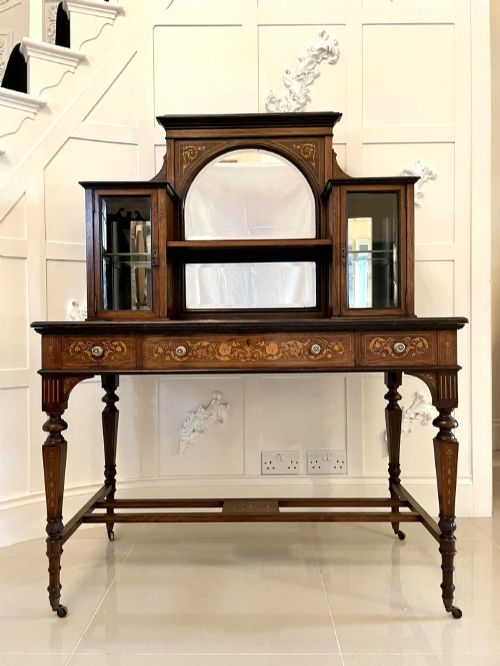
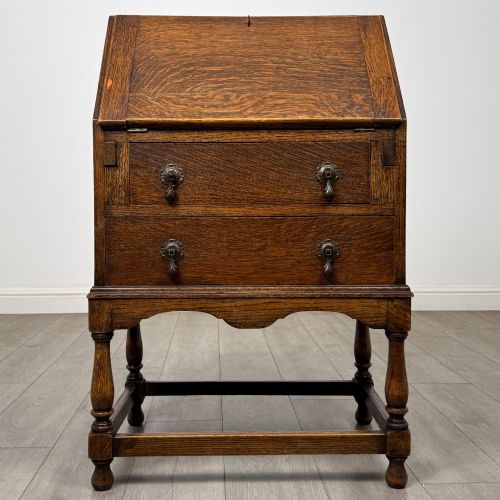
The term edwardian writing cabinet covers a range of compact domestic furniture designed for correspondence and storage, appearing primarily as bureaux, bureau bookcases, and writing cabinets.
Buyers most frequently meet mahogany, oak, and walnut examples on this page, often featuring inlaid decoration and fitted interiors.
Pieces from this era span the early twentieth century, showing influences from traditional cabinet-making and the Arts and Crafts movement.
Materials and Construction
Cabinet-makers utilised solid timbers alongside veneers, employing walnut, burr walnut, mahogany, and oak across the surviving pieces.
Constructed elements incorporate brass hardware, glass panels for bookcase sections, and lead details, supporting functional fitted interiors and roll top mechanisms.
Retail Price Guide 2026
Typical UK retail prices for edwardian writing cabinet, calculated from the Sellingantiques database of over a million retail prices indexed since 2003. This retail price guide relies exclusively on Sellingantiques data; no external sources or auction records are used, so the figures do not describe the wider market.
Recorded periods span the Edwardian era, noting specific production years around nineteen hundred and nineteen ten.
Judging Quality and Execution
Quality rests in the selection of timber figures, such as burr walnut or figured mahogany, and the precision of inlaid decorative work.
Fitted interiors demonstrate the maker's attention to detail, separating standard production pieces from finer workshop commissions.
Liberty and Co
The Edwardian Writing Cabinet Glossary
- Bureau bookcase
- A writing bureau combined with an upper glazed bookcase section. This form provides both display space and a fold-down writing surface.
- Burr walnut
- A prized timber veneer showing swirling knot formations. Cabinet-makers used this material on principal surfaces for decorative effect.
- Secretaire
- A piece of furniture containing a pull-down writing drawer or flap concealing small compartments and pigeonholes. It maintains an external appearance of a standard cabinet or chest.
- Inlay
- Contrasting woods or materials embedded into the primary surface to create decorative patterns. Edwardian examples often display delicate stringing or floral motifs.
- Arts and Crafts
- A design movement favouring honest construction and material integrity over excessive ornament. Pieces from this tradition emphasise the natural grain of oak.
Frequently Asked Questions
What is an edwardian writing cabinet?
An edwardian writing cabinet is a piece of domestic furniture designed for correspondence, typically incorporating a writing surface, drawers, and pigeonholes within a compact frame.
These pieces often combine storage and display functions, appearing as writing boxes, Davenport desks, or bureau bookcases.
How do I identify an Edwardian piece?
Edwardian furniture dates from the reign of King Edward VII, spanning the early years of the twentieth century. Stylistic markers include lighter proportions than Victorian furniture and subtle inlaid decoration.
Materials commonly encountered include mahogany, oak, and walnut, sometimes showing Arts and Crafts influences.
Where were these cabinets used?
These cabinets served in the reception rooms, studies, and bedrooms of Edwardian homes for writing letters and managing household accounts.
Their compact scale suited domestic spaces where dedicated writing rooms were unavailable.
How do bureau bookcases differ from standard cabinets?
Bureau bookcases integrate a writing desk compartment with an upper shelving or bookcase section enclosed by glass doors.
Standard writing cabinets focus on enclosed storage and surface writing areas without the tall upper display unit.