


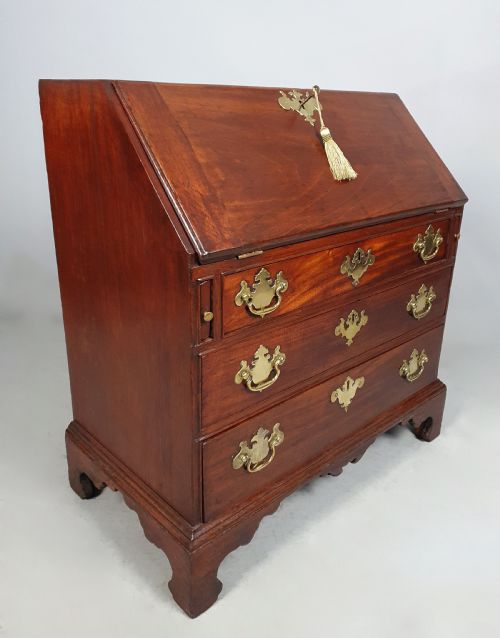
Small Bureau
When you search for a small antique bureau, you are looking at compact writing furniture designed for storage and correspondence.
Small Bureau
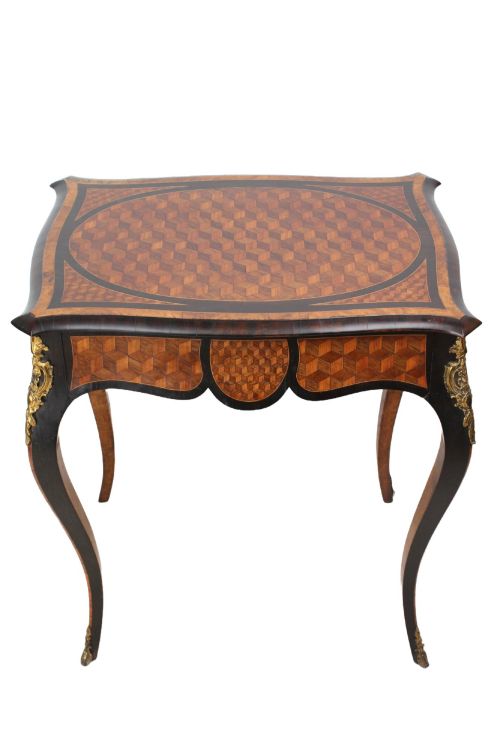
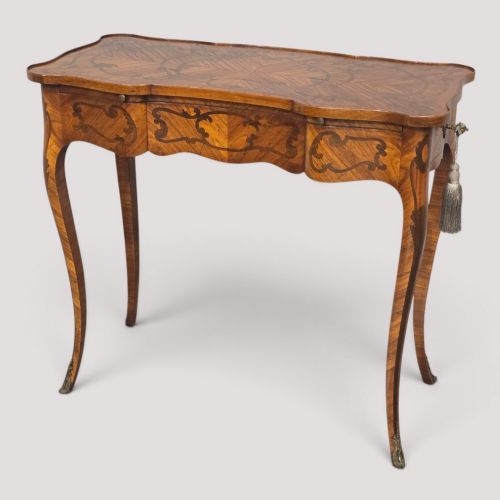
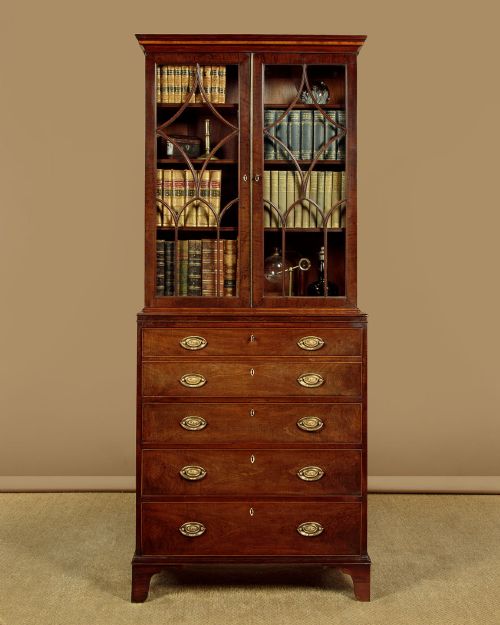
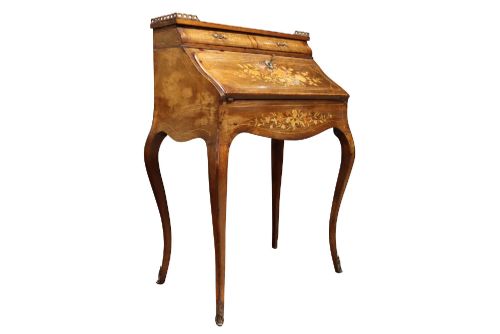
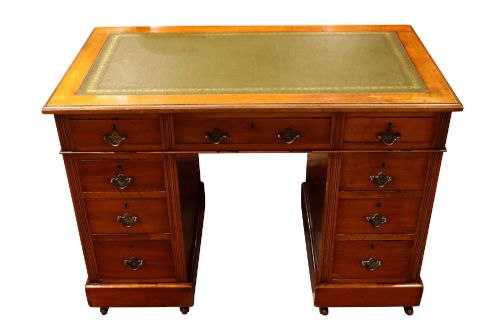
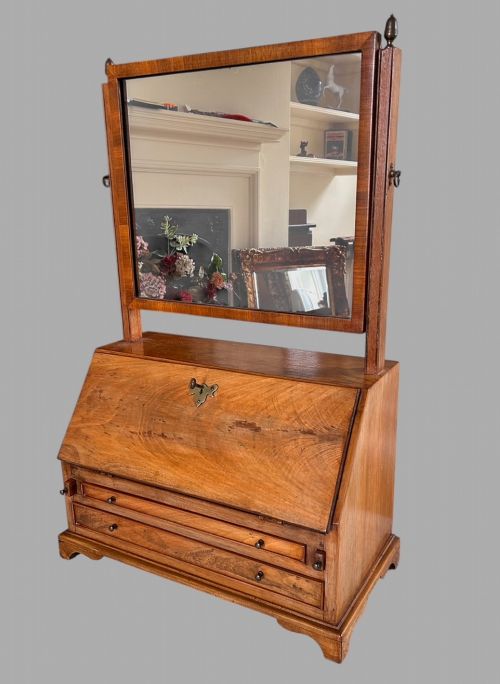
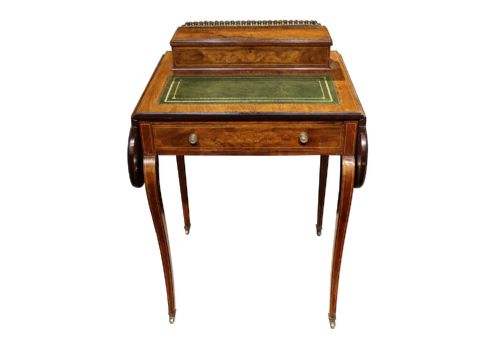
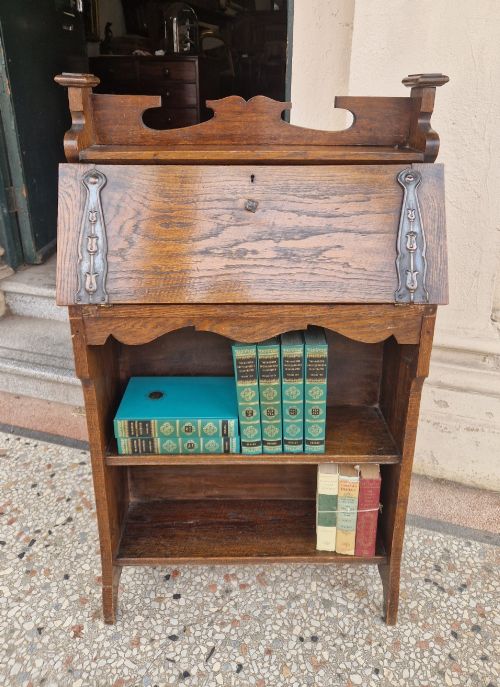
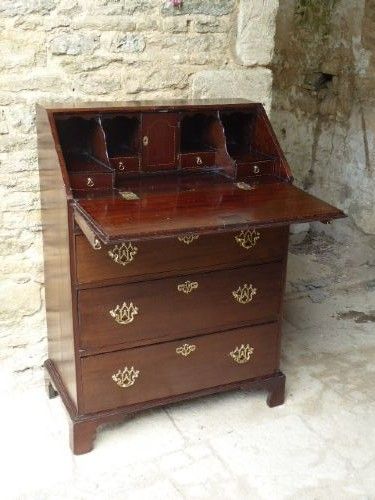
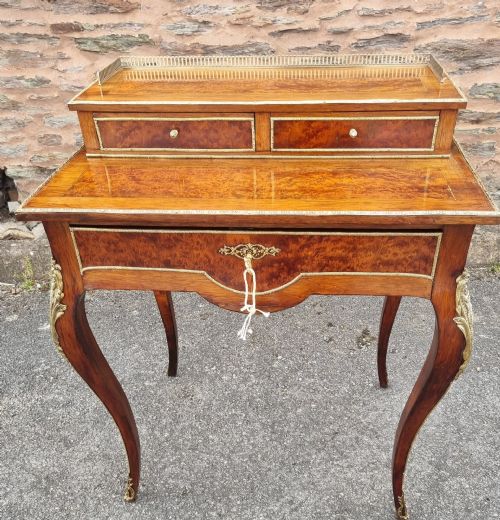
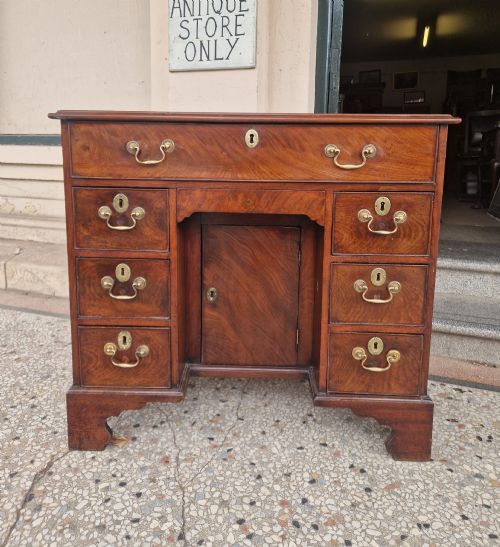
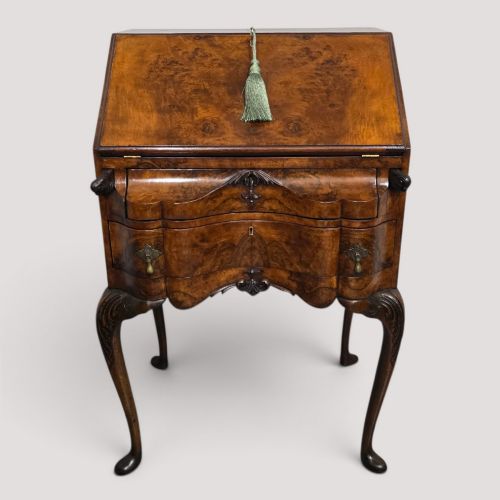
The form appears in several distinct variations across this selection, including traditional drop-front cabinets on bracket feet, compact bureau bookcases with upper shelving, and kneehole or pedestal desks.
Mahogany, oak, and walnut dominate the surviving examples, often enriched with marquetry, parquetry, or satinwood banding. Buyers encounter pieces spanning Georgian, Victorian, and Edwardian styles, reflecting the domestic writing habits of past centuries.
How they were made
Cabinetmakers constructed these writing desks using solid timbers like oak, mahogany, and walnut, frequently applying fine veneers such as burr walnut, rosewood, and amboyna to the exterior surfaces. Drawer linings often utilise secondary woods like cedar or oak.
Decorative surface techniques include marquetry and parquetry inlay, brass or ormolu mounts, and hand-cut dovetail joints on the drawer construction. The hinged writing slopes rely on sturdy brass hinges and internal supports to bear the weight of daily correspondence.
Small Bureau Retail Price Guide 2026
Typical asking prices for small bureau among the pieces listed under this phrase on Sellingantiques today, from the lower quarter to the upper quarter. They describe what is for sale here now, not the wider market.
What varies in quality
The standard of timber selection largely dictates the quality of a small antique bureau, with highly figured burr walnut, rich mahogany, and balanced grain patterns marking out finer workshops. Plain or utility timbers denote more functional, everyday domestic pieces.
Interior craftsmanship also separates standard examples from superior ones. Elaborate internal stationery fittings, secret compartments, fine stringing, and precise dovetailing demonstrate the skill invested by the original cabinetmaker.
JAS Shoolbred·Gillows
The Small Bureau Glossary
- Bureau
- A writing desk featuring a sloping hinged lid that opens to form a writing surface above a set of drawers. This term covers both drop-front sloping desks and related kneehole writing tables.
- Davenport
- A compact pedestal desk with a sloping top, popular during the Victorian and Regency periods. These pieces usually incorporate side drawers and a lifting lid.
- Marquetry
- Decorative veneer work formed by fitted pieces of various woods or other materials to create pictorial or geometric designs. This technique frequently decorates the fall fronts of Edwardian and French style writing tables.
- Secretaire
- A piece of furniture containing a drawer or compartment configured for writing. A secretaire bookcase combines upper shelving with a pull-out writing drawer or drop-front desk.
- Pigeonhole
- A small, open compartment within the fitted interior of a bureau used for storing letters and papers. These internal sections often sit above small concealed drawers.
Small Bureau: Frequently Asked Questions
How did people use a small antique bureau?
Owners used these desks for private correspondence, managing household accounts, and storing important documents. The drop-front flap provided a stable writing surface while keeping stationery concealed when closed.
The fitted interior compartments helped organise letters and small items, making these pieces central to domestic administration before the era of modern office furniture.
Where did people place these desks in historical homes?
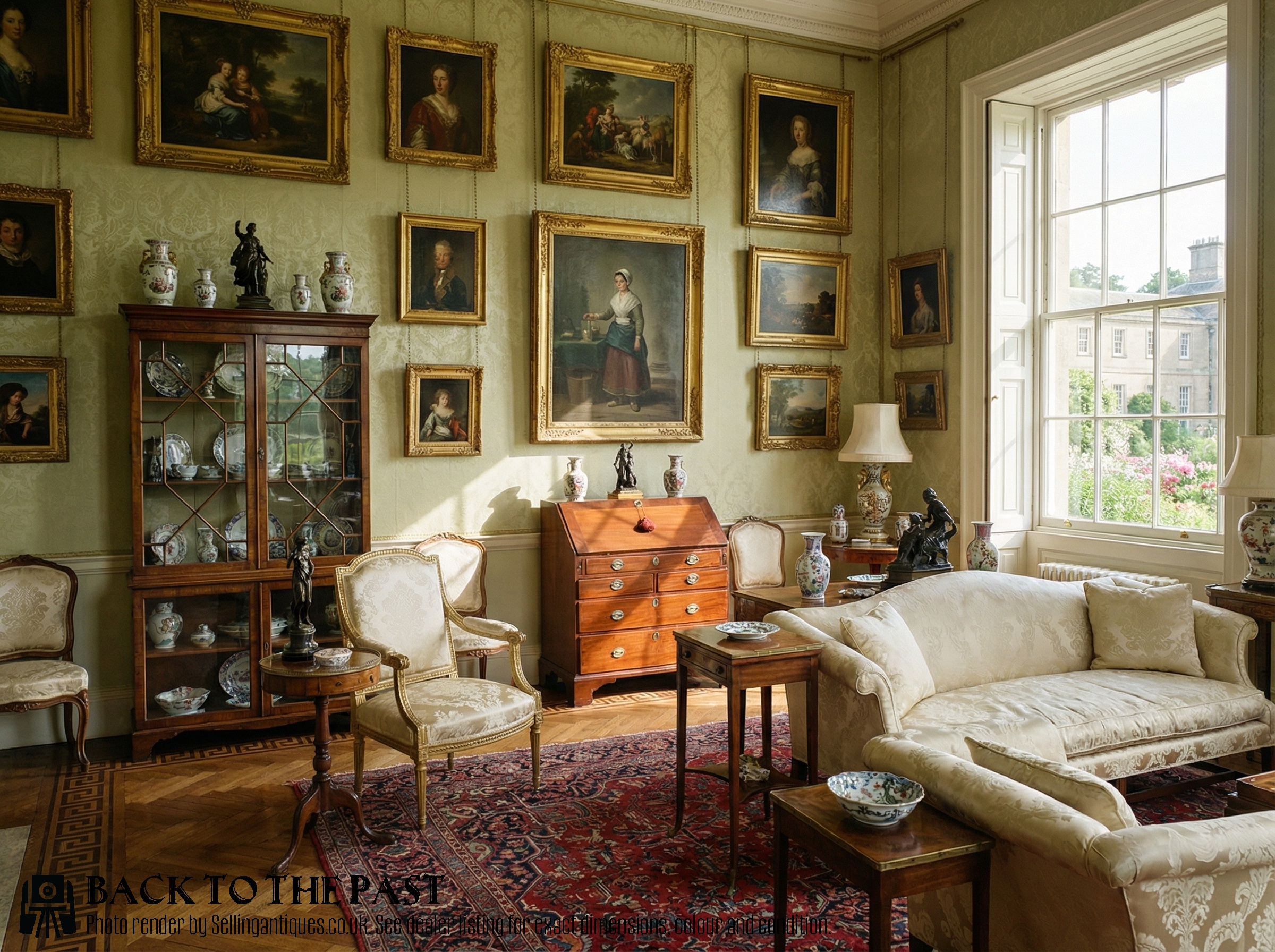
Compact writing furniture suited private spaces such as bedrooms, dressing rooms, or small studies rather than formal reception rooms. Their modest proportions allowed them to fit into tight corners and window recesses.
Ladies' writing desks and smaller bureau bookcases were particularly common in upstairs private quarters where personal letters were written.
How do you date a small antique bureau?
Dating relies on examining the timber species, construction methods, hardware, and prevailing decorative styles. Georgian pieces often display secondary softwood linings and bracket feet, while Victorian and Edwardian examples show machine-sawn elements and different veneer choices.
Stylistic markers such as brass bail handles, escutcheons, and inlaid banding help narrow the period of manufacture.