
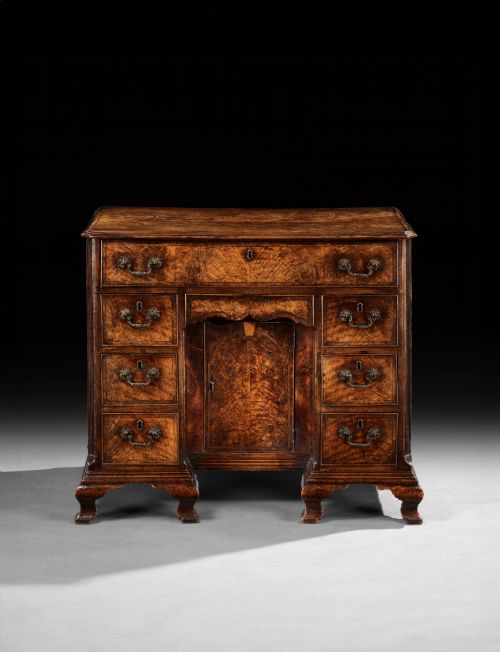
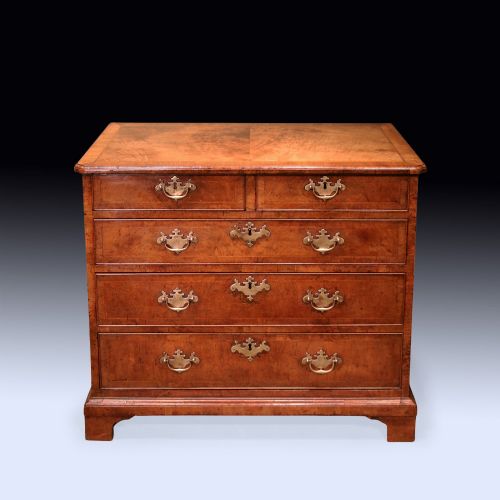
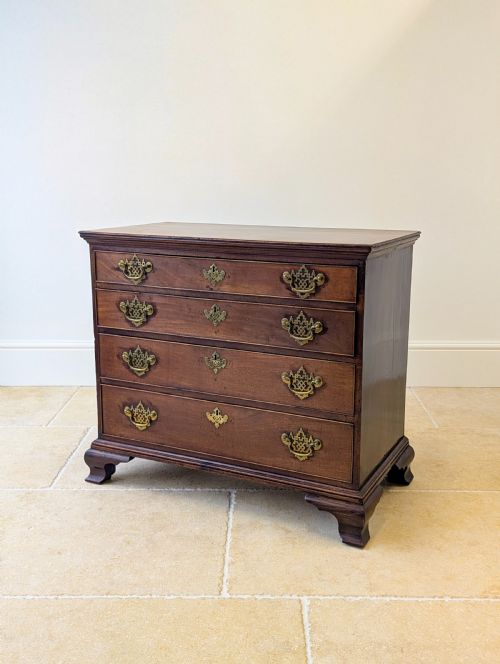
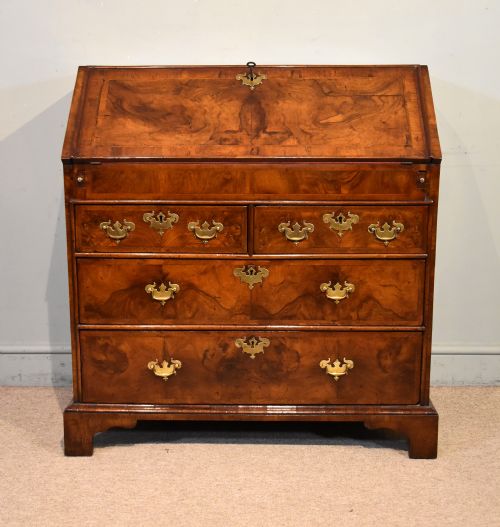

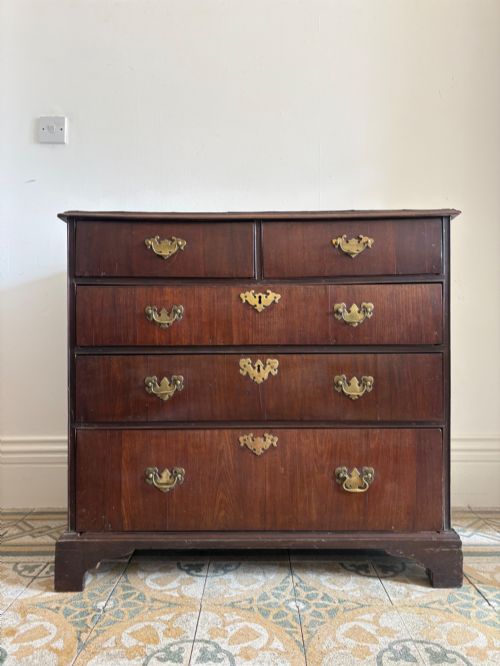


George II Bureau
A george ii bureau is a drop-front writing desk offering fitted interior compartments, and buyers want one for its architectural presence and timber richness.
Understanding a george ii bureau
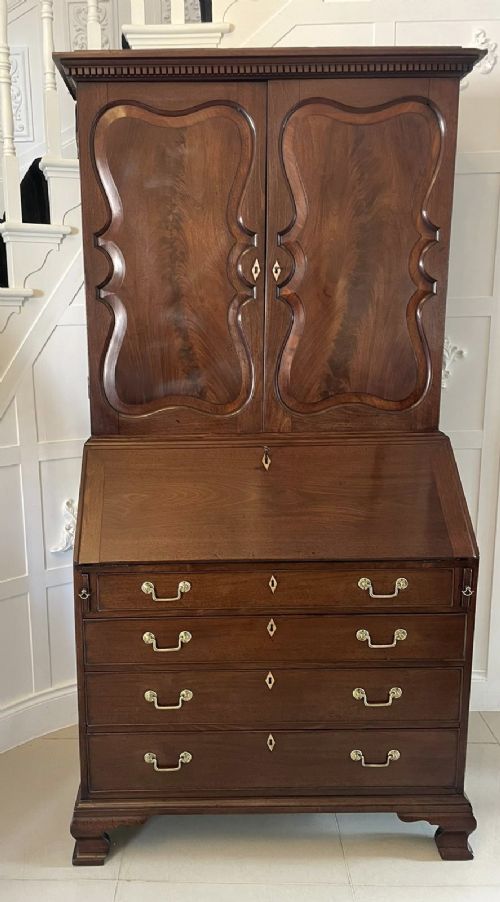
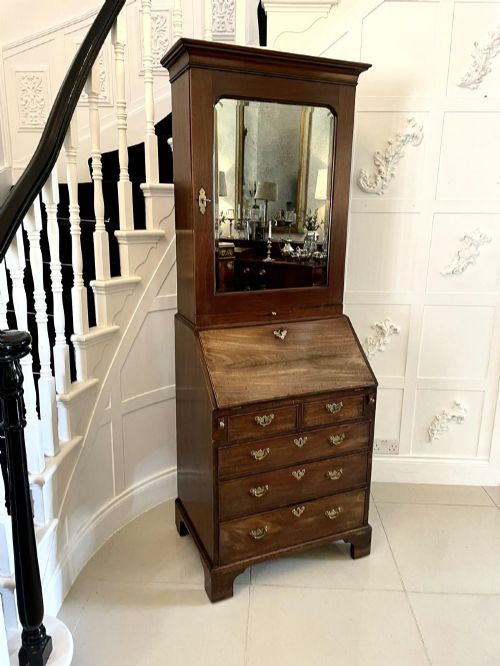
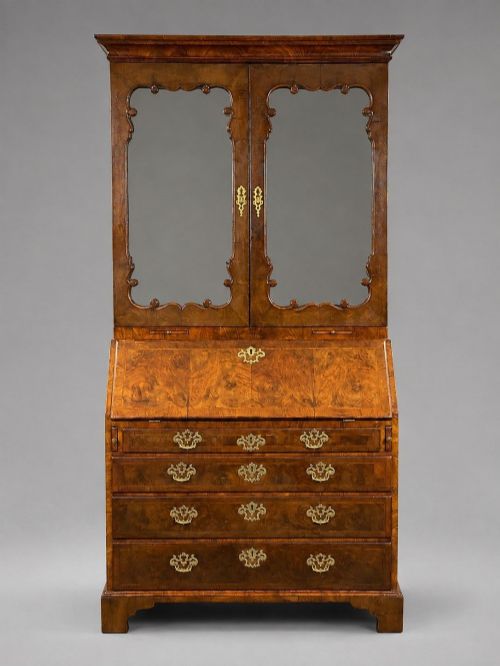
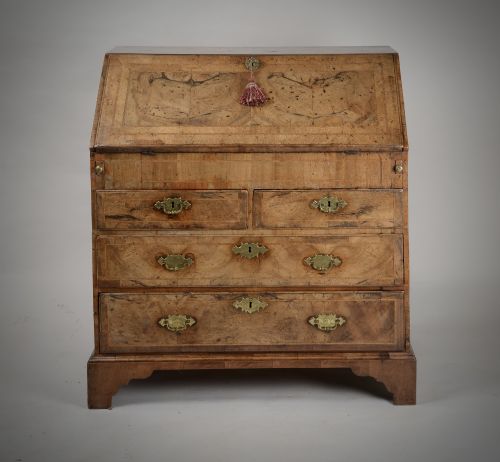
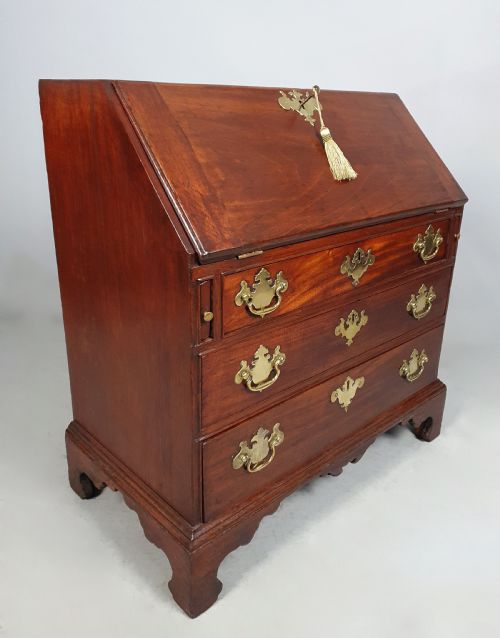
A george ii bureau serves as a primary writing cabinet featuring a hinged fall-front that opens to reveal a tiered arrangement of pigeonholes, small drawers, and secret compartments. These pieces originate from the 18th century during the Georgian period, often appearing in forms such as compact slant-front desks, tall bureau bookcases, and secretaire cabinets.
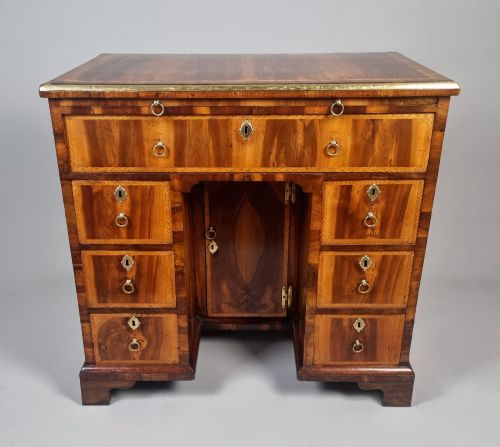
The most common formats met on this page include mahogany and walnut examples, ranging from petite fruitwood and cedarwood constructions to larger cabinet pieces. Buyers frequently encounter variations featuring fitted drawer configurations beneath the writing flap, alongside occasional bureau bookcases topped with glazed upper display sections.
Materials and construction
Cabinet makers constructed these items primarily using solid timbers and veneers of mahogany, walnut, oak, fruitwood, cedarwood, and Cuban mahogany. Selected hardwoods provided structural integrity while highly figured veneers created decorative surfaces on the fall-fronts and drawer faces.
Joinery methods relied on dovetailed drawer construction and framed panels to stabilise the timber against seasonal movement. Brass hardware, including drop handles and escutcheons, secured the drawers and operated the fall-front mechanisms.
Retail Price Guide 2026
Typical UK retail prices for george ii bureau, calculated from the Sellingantiques database of over a million retail prices indexed since 2003. This retail price guide relies exclusively on Sellingantiques data; no external sources or auction records are used, so the figures do not describe the wider market.
Several examples include hidden compartments within the fitted interior, designed for safeguarding private letters and small valuables.
Distinctions in quality
The upper tier of craftsmanship appears in the choice and matching of timber veneers, particularly figured walnut and highly grained mahogany selected for symmetry across the fall-front. Superior examples exhibit precise internal planning within the fitted compartments, including secret document drawers and finely carved pigeonhole surrounds.
Proportion and scale dictate the desirability of each piece, with smaller dimensions and petite proportions achieving greater harmony in domestic spaces. The integrity of the original brass handles, locks, and internal joinery further separates standard cabinet work from exceptional workshop production.
The George II Bureau Glossary
- Bureau
- A writing desk featuring a sloping hinged lid that opens to form a writing surface above a chest of drawers. This form evolved during the 17th century into a standard domestic furnishing for correspondence and record-keeping.
- Bureau Bookcase
- A dual-purpose piece combining a lower slant-front writing desk with an upper enclosed shelving or cabinet section, often enclosed by glass doors. These tall items served both as libraries and writing centres.
- Secretaire Cabinet
- A tall cabinet incorporating a dedicated writing drawer or pull-down fall-front panel concealed behind larger doors. This design maintained a formal exterior facade while housing a complete desk interior.
- Fall-front
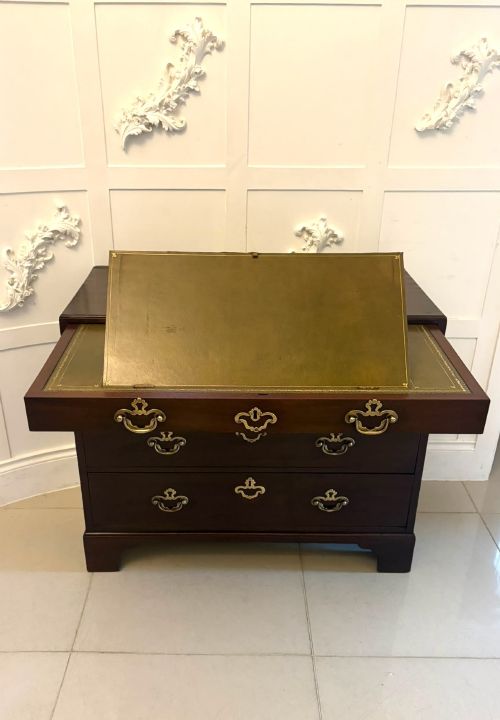
- The hinged writing flap of a desk that pivots down to a horizontal position supported by internal lopers or side arms. It provides the primary writing surface when open and conceals the interior compartments when closed.
- Loper
- A wooden slide or pull-out arm positioned beneath the writing flap to support the weight of the open fall-front. These runners slide directly out from the cabinet frame above the top drawer.
Frequently Asked Questions
How do I use a bureau daily?
Lower the hinged fall-front to access the writing surface and internal compartment drawers for modern correspondence or laptop storage.
Close and lock the fall-front when finished to conceal papers and restore the clean architectural lines of the cabinet.
Where should I place a bureau?
Position the piece against a flat interior wall away from direct sunlight and heat sources to protect antique wood veneers from drying out.
Ensure adequate clearance in front of the cabinet for the fall-front to lower fully and allow space for a chair.
How do I care for walnut and mahogany?
Dust the timber surfaces regularly with a soft, dry cloth and apply a traditional beeswax polish sparingly to maintain the finish.
Avoid liquid cleaners and silicone sprays, which can penetrate the grain and damage historic polish layers over time.
How do walnut and mahogany differ?
Walnut was favoured for its rich, figured grain patterns and deep brown tones during earlier decades of the period.
Mahogany gained dominance later in the century, offering superior density, strength, and a reddish-brown hue that took a high polish.