


Compact Writing Table
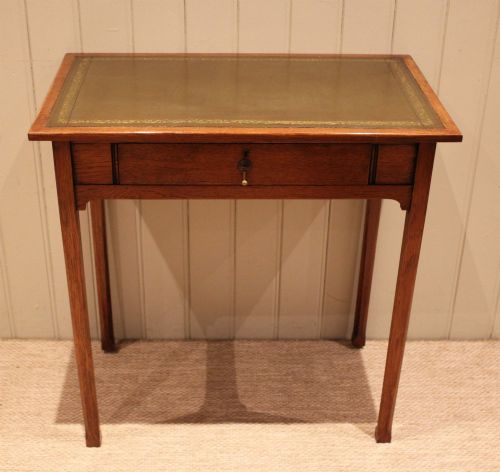
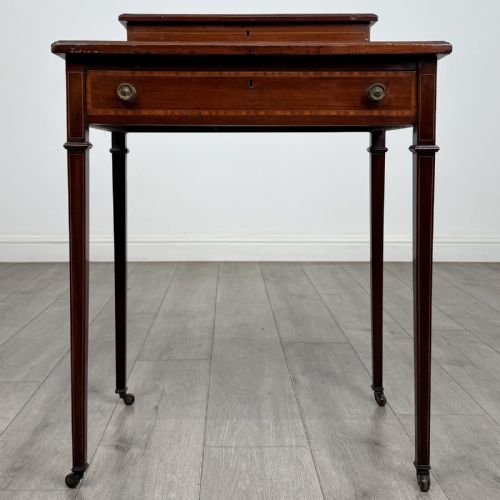
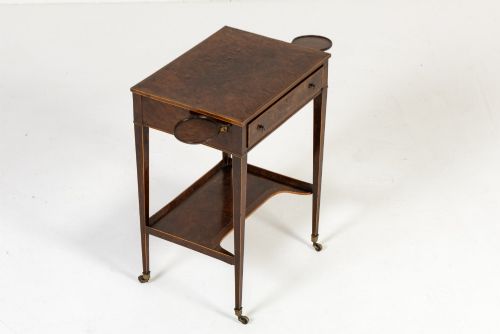
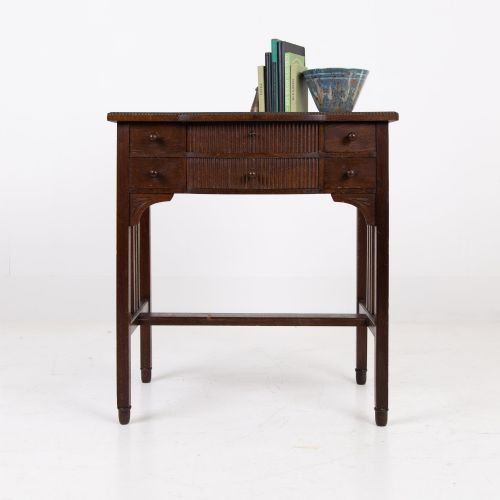
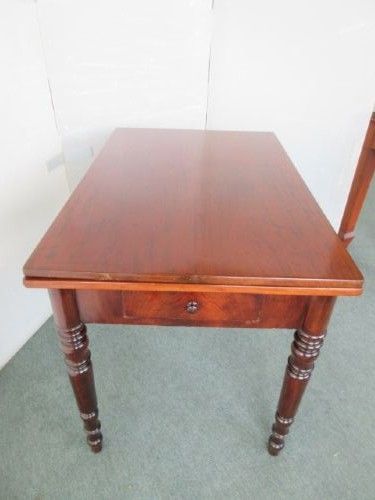
A compact writing table is a smaller workspace for correspondence, and you will find examples in mahogany, oak, and walnut spanning Georgian to Edwardian periods.
Compact Writing Table
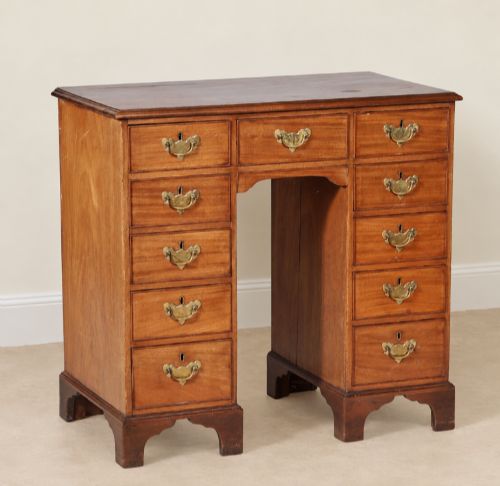
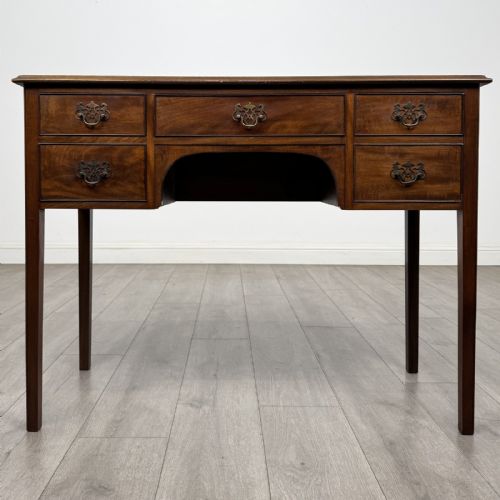
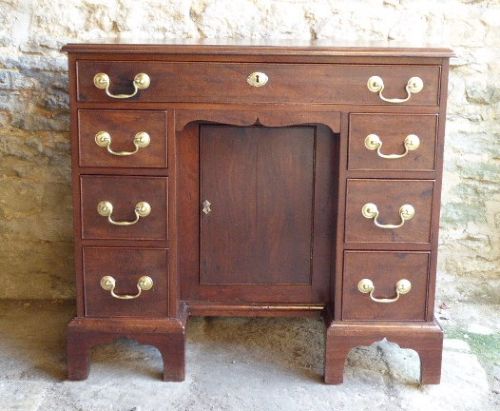
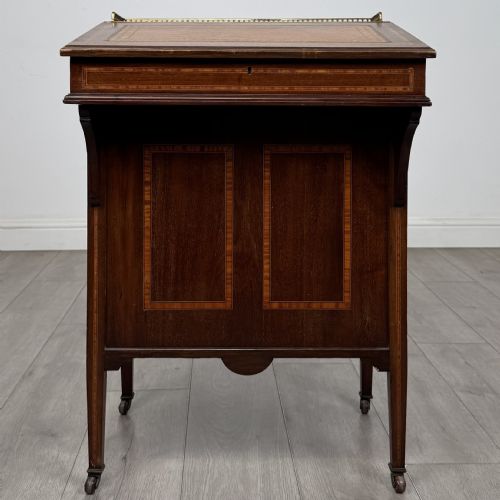
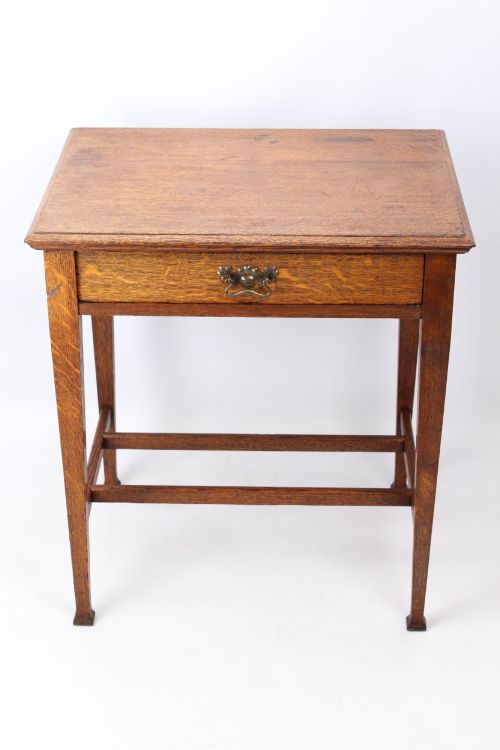
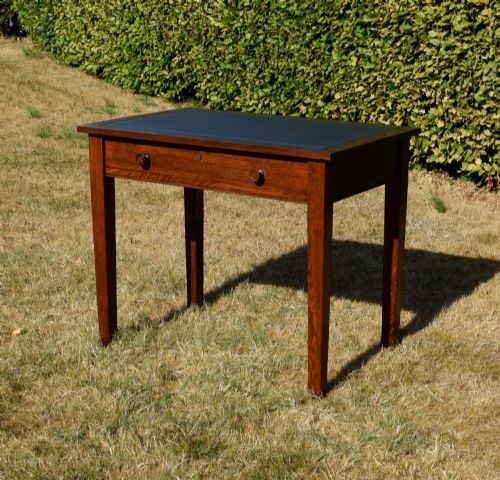
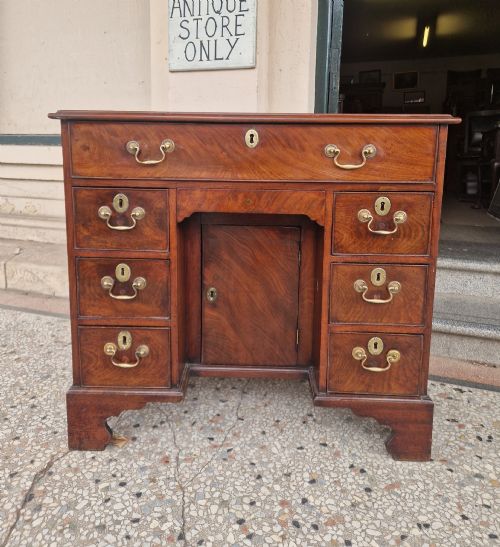
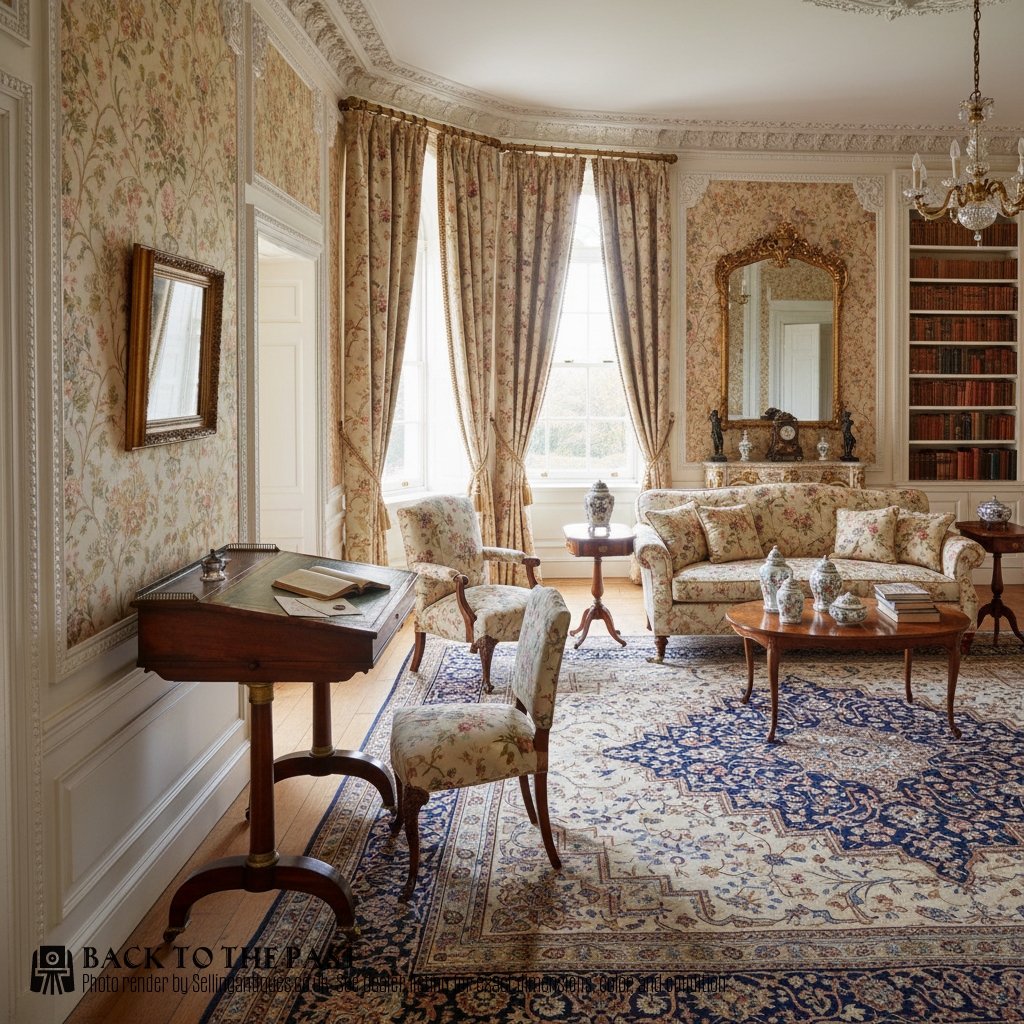
A compact writing table is designed for correspondence and light study in rooms with limited floor space. When you search for a compact writing table, you encounter practical forms ranging from kneehole desks to Davenport desks and side tables.
The pieces on this page span the Georgian, Victorian, and Edwardian periods, alongside 20th-century Arts and Crafts and Art Deco examples. Mahogany and oak dominate the selection, accompanied by walnut, burr walnut, and satinwood variants.
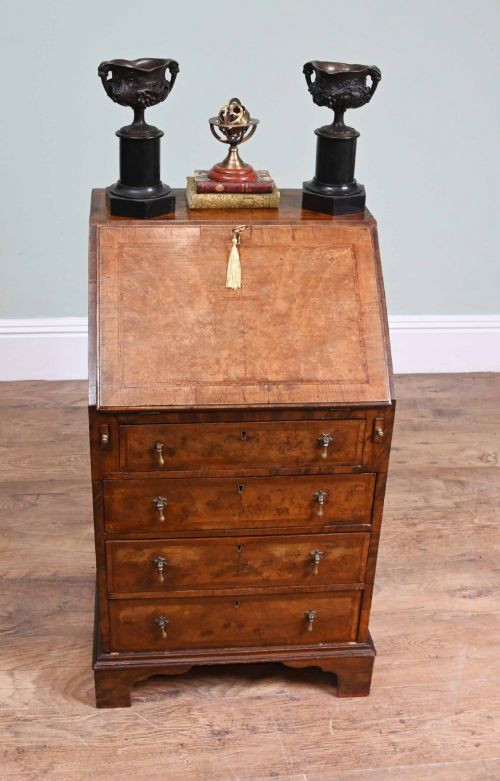
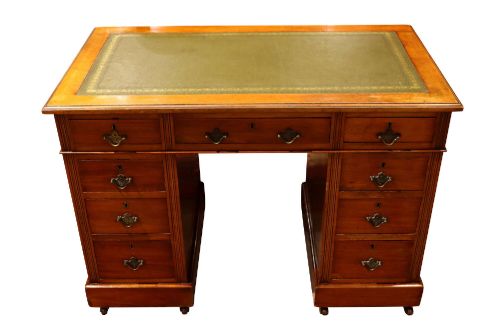
You are most likely to meet smaller pedestal desks, bureau-on-stand forms, and ladies writing desks. These smaller variants often feature clever internal compartments or writing surfaces designed for neat storage.
How they were made
Cabinetmakers constructed these tables using solid hardwoods such as mahogany, oak, and walnut, frequently applying figured veneers like burr walnut, burr yew, and satinwood to primary surfaces. Secondary timbers line the interior drawers, while brass hardware provides functional pulls and hinges.
Writing surfaces frequently incorporate inset leather panels, sometimes tooled with gilt borders to create a durable and refined writing plane. Construction methods include traditional dovetailing for drawers and mortise and tenon joints for the structural frames.
Compact Writing Table Retail Price Guide 2026
Typical asking prices for compact writing table among the pieces listed under this phrase on Sellingantiques today, from the lower quarter to the upper quarter. They describe what is for sale here now, not the wider market.
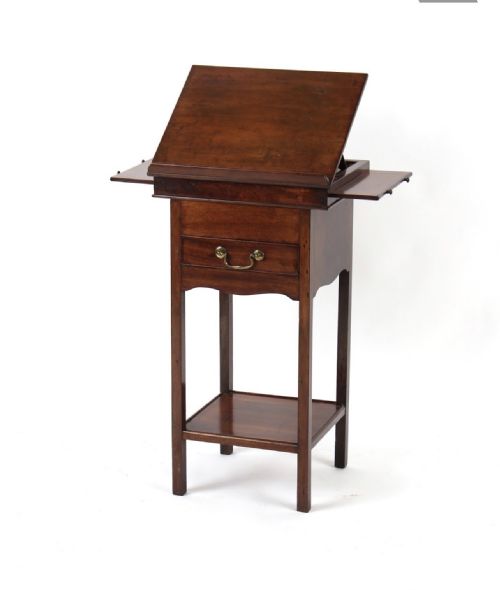
Desk forms include kneehole tables, Davenports, bonheur du jour cabinets, and metamorphic designs with folding actions.
What varies in quality
Quality rests in the choice of timber and the precision of the cabinetwork, particularly in the selection of figured veneers and the tightness of the drawer dovetails. Superior examples display carefully matched grains across the top and drawer fronts, maintaining visual harmony.
The sophistication of internal mechanisms also separates grades, such as metamorphic actions, pop-up stationery compartments, and integrated lighting found in later Art Deco pieces. Finer execution shows in the crispness of inlaid banding and the original condition of brass furniture.
Edwards and Roberts
The Compact Writing Table Glossary
- Davenport desk
- A compact pedestal desk featuring a sloping, hinged writing surface and a set of drawers accessed from the side. These small writing cabinets became popular during the Victorian era for boudoir use.
- Bonheur du jour
- A light ladies writing desk featuring a small cabinet or set of shelves superstructure upon the main writing surface. This French form translates directly as daylight happiness.
- Metamorphic table
- A piece of furniture designed to transform its function through folding, lifting, or sliding mechanisms. These ingenious designs conceal writing ledges or compartments within standard table forms.
- Kneehole desk
- A bureau or pedestal desk with a central recess for the sitter's knees, flanked by pedestals of smaller drawers. Georgian and Victorian makers scaled these down for smaller chambers.
- Pembroke table
- A small drop-leaf table with hinged flaps on opposite sides that extend the surface area. They often double as light writing or work tables.
Compact Writing Table: Frequently Asked Questions
What is a compact writing table?
A compact writing table is a scaled-down desk designed for letters and paperwork without dominating a room. They appear across Georgian, Victorian, and Edwardian periods in forms like kneeholes, Davenports, and side tables.
These pieces prioritise efficient storage and smaller footprints. They suit modern studies or bedrooms where a full-sized partner desk proves too large.
How do I identify a Georgian compact desk?
Georgian tables rely on proportion, solid mahogany or yew wood construction, and understated bracket feet or tapered legs. They predate the more elaborate mechanical fittings found in later Victorian pieces.
Look for hand-cut dovetails inside the drawers and simpler brass drop handles. The timber patination usually reveals deep, warm colour built up over centuries.
What are metamorphic writing tables?
Metamorphic writing tables conceal clever folding and lifting actions that transform a decorative side table into a fully equipped desk. Edwardian makers favored these for multi-use rooms.
Operating the hidden hinges reveals compartments for stationery and inkwells. They offer dual functionality without sacrificing floor space.
Where should I place a Davenport desk?
A Davenport desk works well freestanding or against a wall, as the sloping top and side drawers function from a seated position. Their compact footprint fits easily into corners or bedroom alcoves.
Because the drawers open from the side rather than the front, ensure you leave clearance adjacent to the desk. This allows easy access to the stationery compartments inside.