

Antique Satinwood Desk
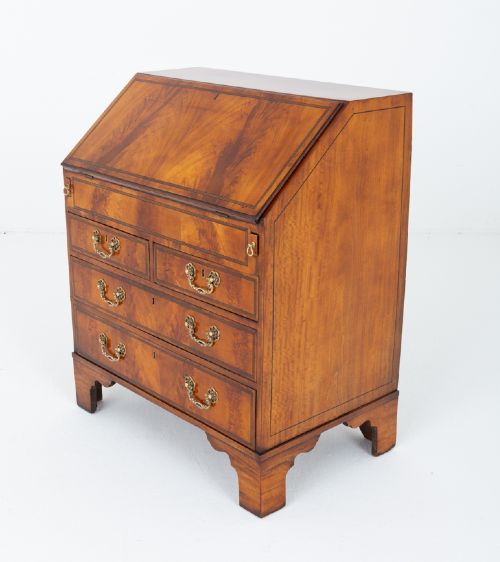
An antique satinwood desk brings luminous timber and refined writing forms into a room, offering both history and a smooth surface for daily correspondence.
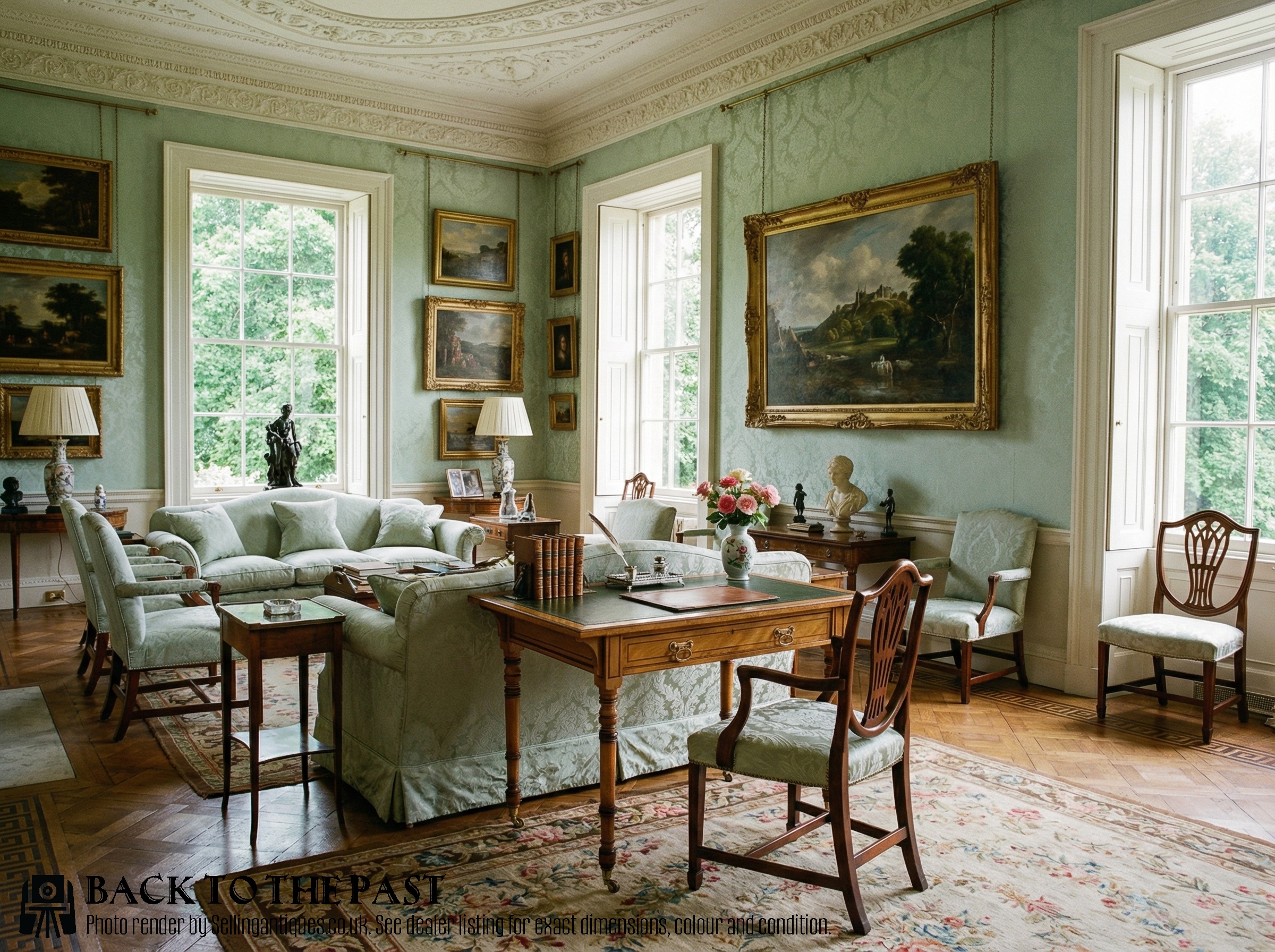
Antique Satinwood Desk
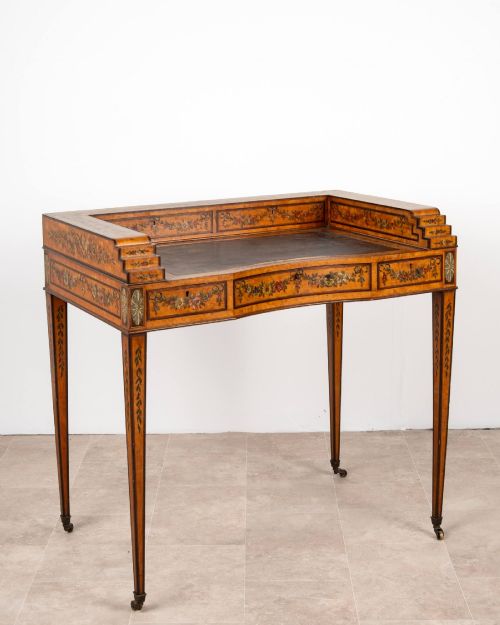
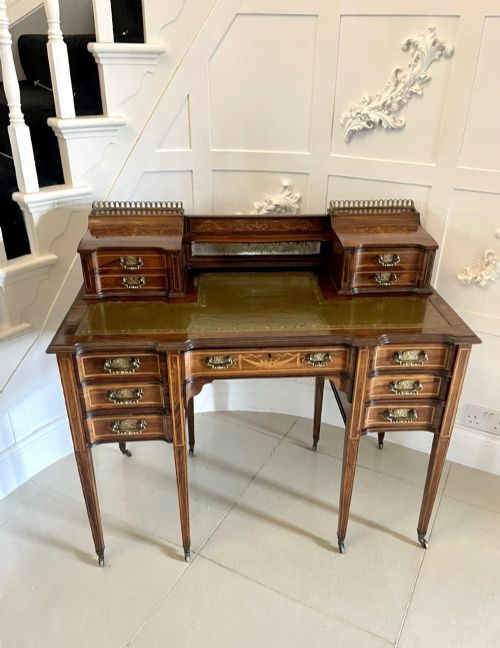
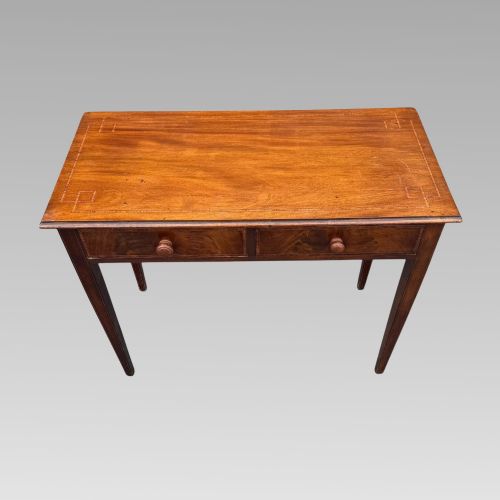
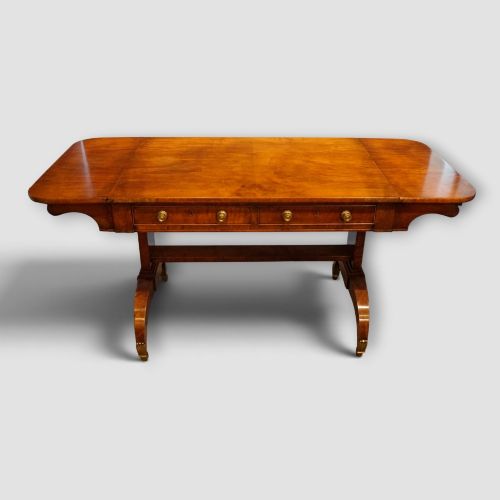
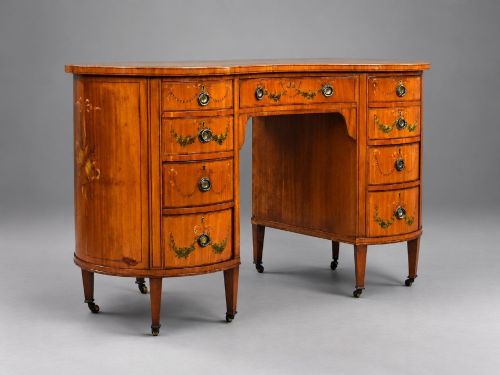
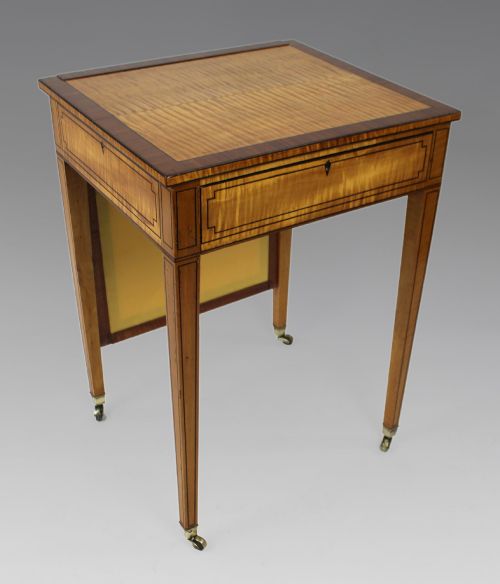
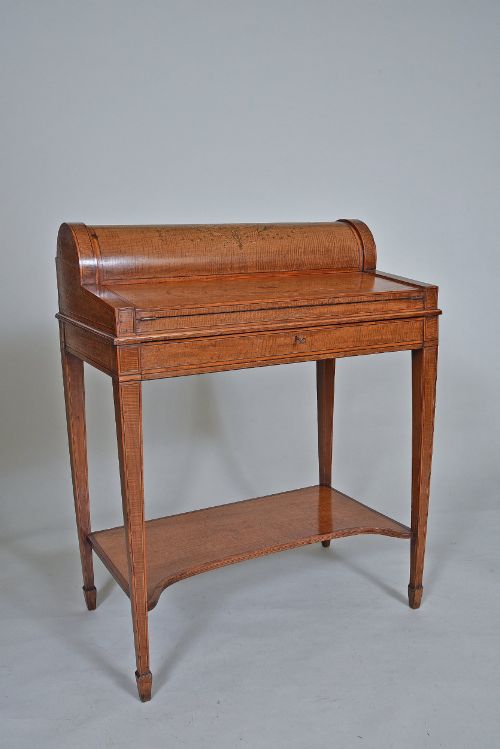
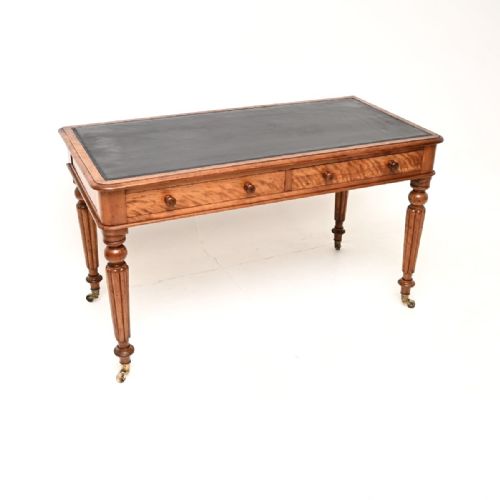
When you search for an antique satinwood desk, you encounter writing furniture spanning the eighteenth, nineteenth, and early twentieth centuries. The pieces range from grand pedestal formats to delicate kidney-shaped writing tables and fitted Carlton House desks.
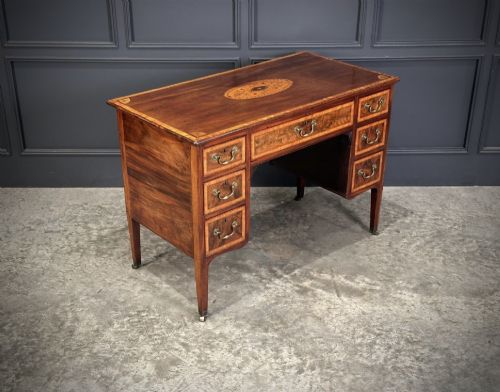
Edwardian interpretations and Sheraton Revival pieces dominate the selections seen here, often displaying intricate marquetry and painted details. Earlier examples from the eighteenth century appear alongside Victorian and later variations, showing how cabinet-makers adapted the timber across different eras.
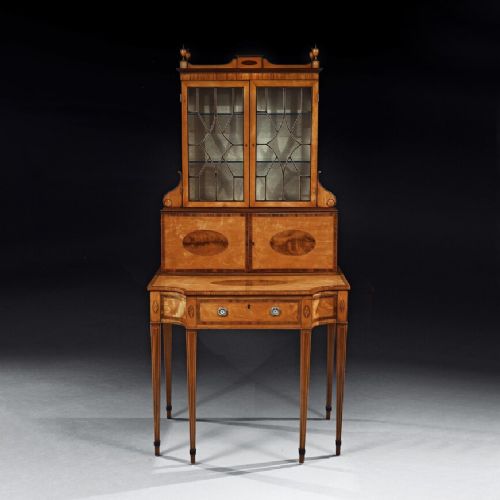
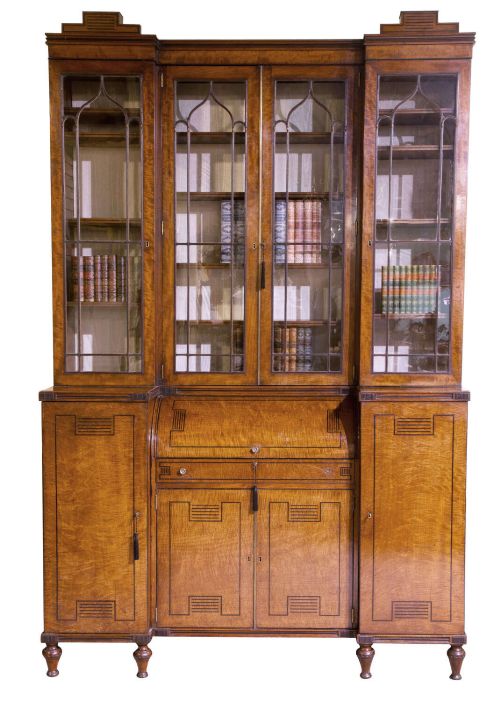
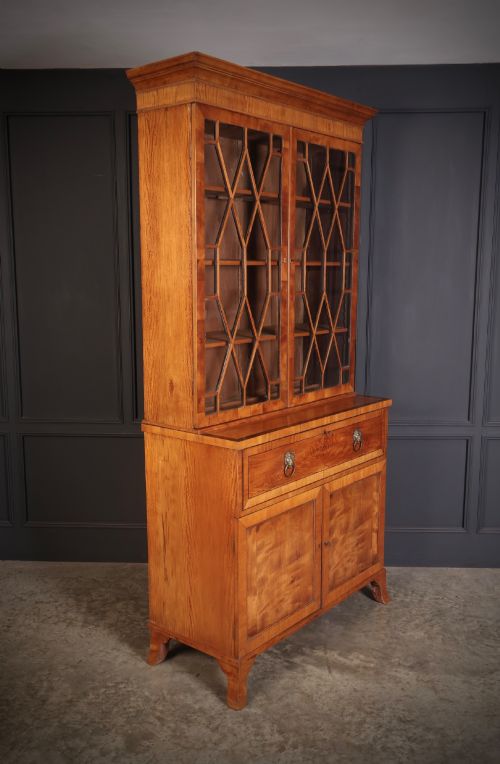
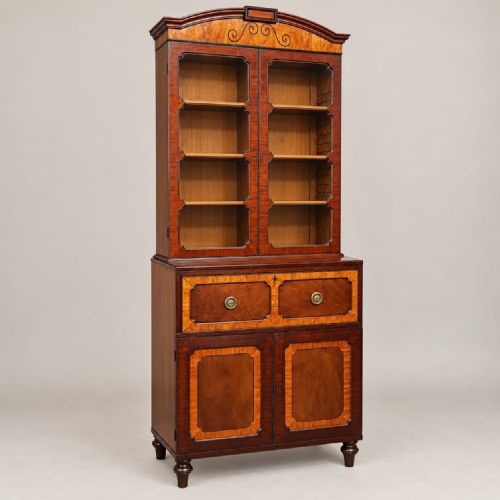
Formats vary considerably, including cylinder desks, bureau bookcases, and smaller writing tables designed for specific domestic rooms. Each form utilises the pale, yellow-toned grain to catch the light, distinguishing itself from darker walnut or mahogany furniture.
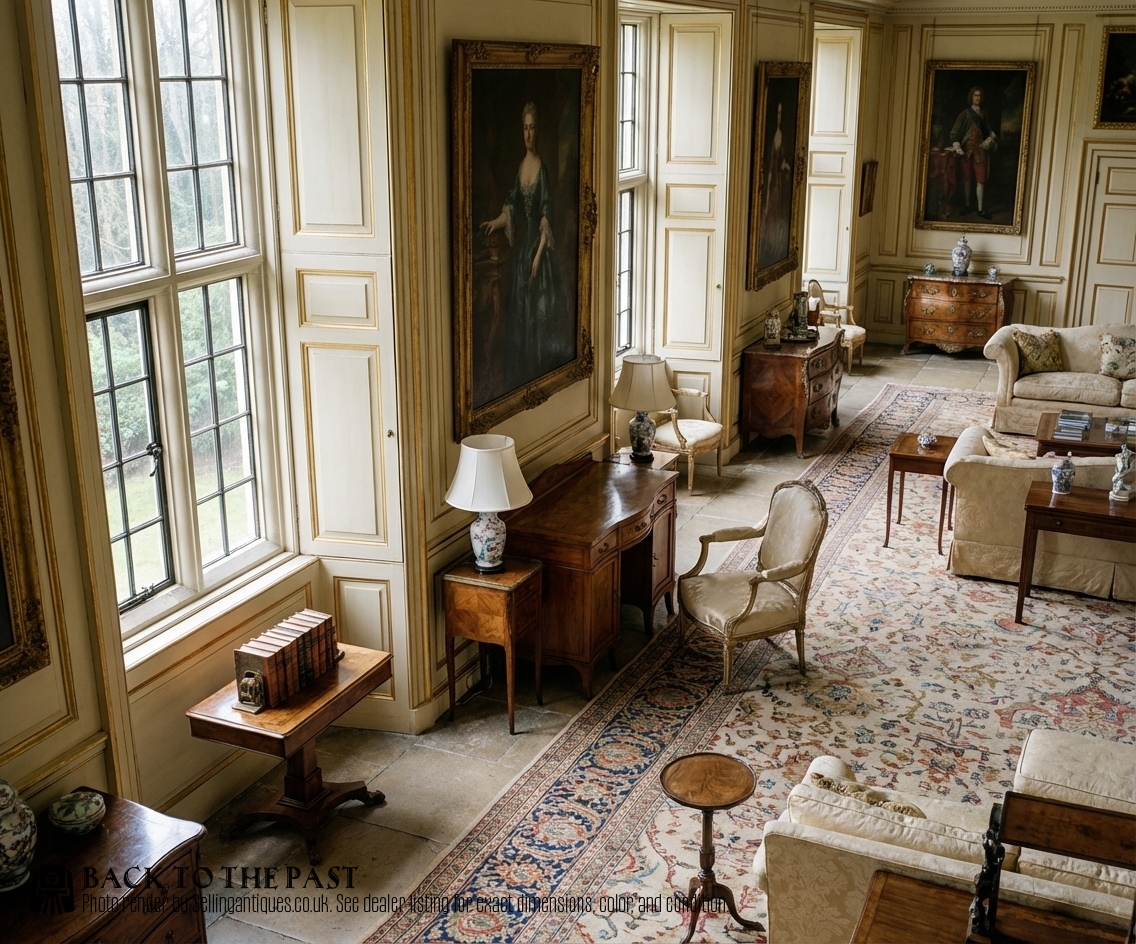
How they were made
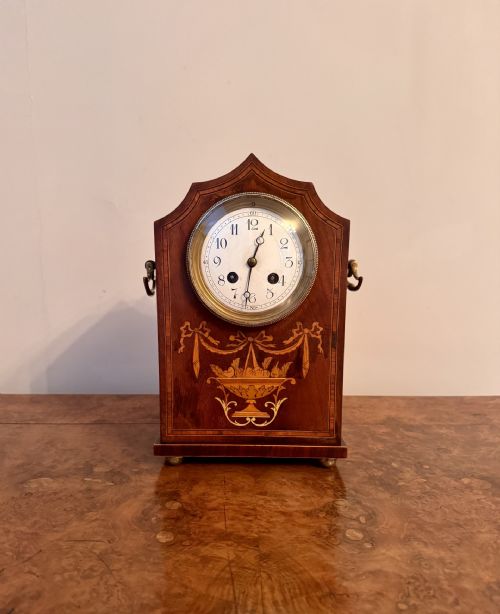
Cabinet-makers relied on fine veneers of exotic satinwood applied to secondary framing timbers such as mahogany or pine. Crossbanding, stringing, and marquetry in darker woods provided contrast against the pale ground.
Surfaces frequently integrated inset writing panels of tooled leather alongside brass handles, locks, and hinges. Hand-painted floral motifs and classical swags adorned many Edwardian examples, applied directly to the timber before sealing.
Antique Satinwood Desk Retail Price Guide 2026
Typical asking prices for satinwood desk among the pieces listed under this phrase on Sellingantiques today, from the lower quarter to the upper quarter. They describe what is for sale here now, not the wider market.
Many a Victorian writer found inspiration simply by gazing into the undulating, shimmering grain of a well-polished satinwood top.
What varies in quality
The refinement of the timber selection dictates much of the visual merit, with highly figured, chatoyant grain marking out superior examples. Crispness in the inlaid stringing and depth in the hand-painted decoration separate workshop output.
Structural integrity rests on the stability of the carcase and the precision of the drawer dovetails. Original hardware and undisturbed patination on the satinwood surface elevate an individual piece above later restorations.
Edwards & Roberts·Maple & Co·Bath Cabinet Makers·Mercier Frères
The Antique Satinwood Desk Glossary
- Satinwood
- A dense, light-coloured tropical timber prized for its reflective sheen and smooth texture. It takes a high polish and accepts fine inlay work exceptionally well.
- Carlton House desk
- A form of writing table featuring a curved superstructure of small drawers and compartments enclosing the rear and sides of the writing surface. It originated in the late eighteenth century.
- Marquetry
- The art of applying decorative veneer pieces to a structure to form pictorial or geometric designs. Craftsmen cut contrasting woods together to ensure a tight fit.
- Cylinder desk
- A writing desk fitted with a rolling quarter-circle cylinder of wood that conceals the writing surface and interior pigeonholes when closed.
- Crossbanding
- A border of veneer laid around the main panel of a drawer or top with the grain running perpendicular to the central field. It frames the primary timber cleanly.
Antique Satinwood Desk: Frequently Asked Questions
What is a Carlton House desk?
A Carlton House desk is a distinctive writing table featuring a curved, tiered superstructure of small drawers and compartments that wrap around the back and sides of the writing surface. This layout provides extensive pigeonholes for correspondence.
The design dates back to the late eighteenth century and remained popular through the Edwardian revival period, often executed in satinwood with delicate inlay.
How do I care for satinwood furniture?
Satinwood requires protection from direct sunlight and excessive heat to prevent the pale timber from darkening or the veneer from lifting. Gentle dusting with a dry, soft cloth maintains the finish.
Avoid silicone-based polishes and apply occasional traditional wax to nourish the wood and preserve its characteristic natural lustre.
How do I distinguish Edwardian from 18th-century desks?
Eighteenth-century pieces typically exhibit heavier construction, deeper hand-cut dovetails, and simpler, structurally integrated geometric inlays. The patination shows a longer history of oxidation.
Edwardian Sheraton Revival pieces often feature lighter frames, machine-sawn secondary elements, and painted floral swags alongside finer satinwood veneers.
Were these desks used for writing?
These desks served primarily for personal correspondence, household accounts, and letter-writing in private studies or bedrooms. Many incorporated specialised compartments for stationery, inkwells, and blotting paper.
Smaller kidney-shaped and occasional writing tables were often intended for ladies' boudoirs rather than heavy commercial administration.