



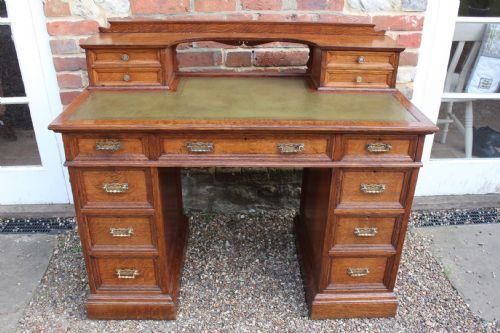


Howard and Sons Furniture
Howard and sons furniture brings exceptional Victorian and Edwardian craftsmanship into a room, offering enduring comfort and distinguished design.
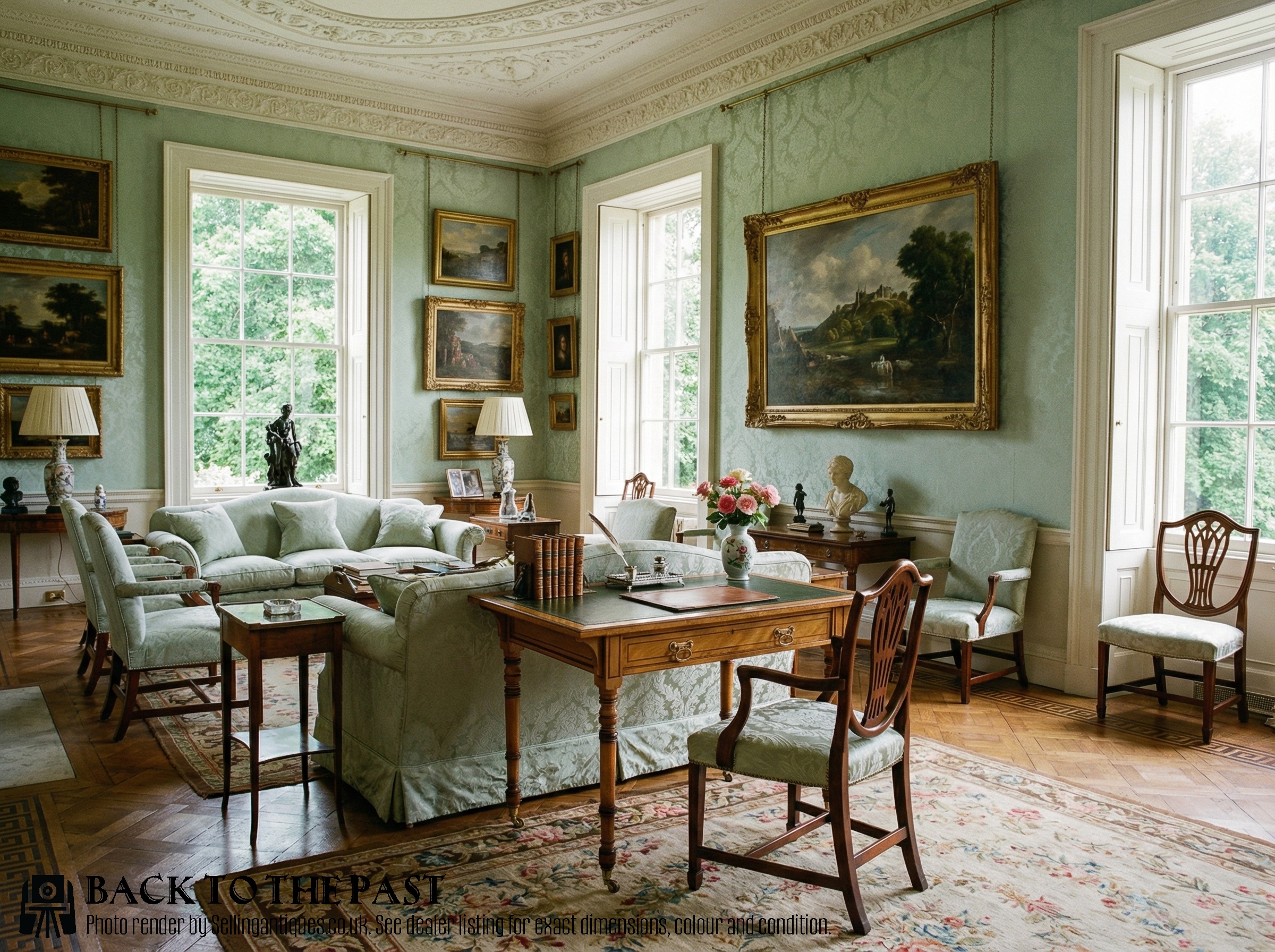
Howard and Sons Furniture
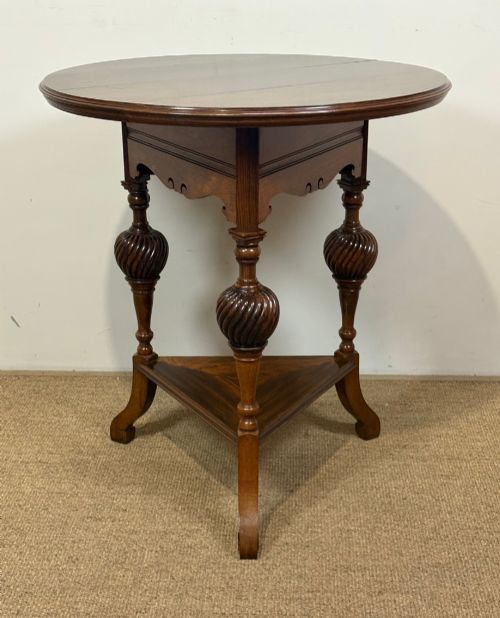
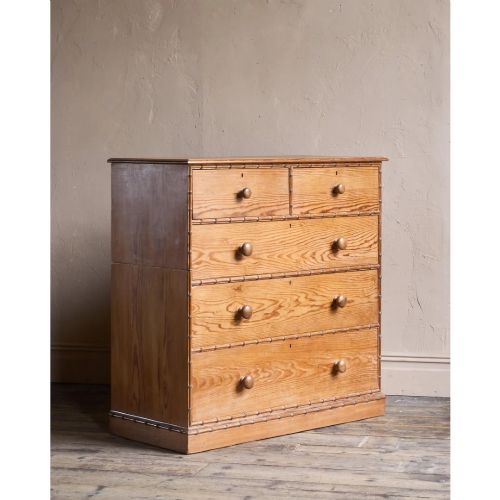
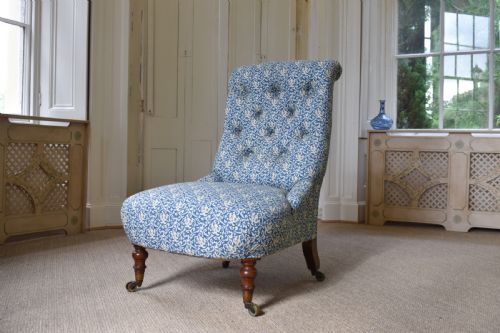
Howard and sons furniture encompasses a refined range of seating, tables and case pieces originating mainly from the nineteenth century. Buyers searching this phrase seek pieces defined by robust frames, traditional upholstery materials and distinct maker's stamps.
Most items date from the nineteenth century, including specific pieces from the 1850s, 1870s and 1880s, alongside Edwardian productions. Pieces associated with the Berners Street address or bearing direct attribution dominate the selection.

Materials and construction
Makers utilised solid timbers such as mahogany, walnut, oak and satinwood for structural frames and case furniture. Faux bamboo and satin birch also appear alongside decorative veneers like pollard oak.
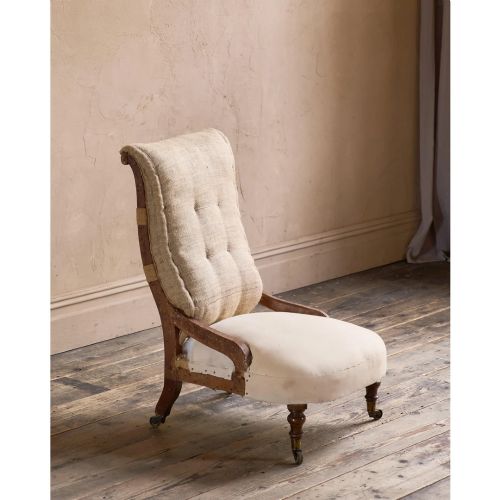
Traditional upholstery techniques relied on robust internal support finished with calico, hessian and leather surfaces. Brass hardware and castors frequently complete the assembly of desks and chairs.
Howard and Sons Furniture Retail Price Guide 2026
Typical asking prices for howard and sons furniture among the pieces listed under this phrase on Sellingantiques today, from the lower quarter to the upper quarter. They describe what is for sale here now, not the wider market.
Object forms include armchairs, games tables, partner desks, wardrobes, daybeds and sideboards reflecting Victorian and Aesthetic Movement styles.
Judgments on quality
Quality rests upon the preservation of original stamps, paper labels and stamped castors which verify the maker's identity. Crisp carving on wooden components and intact structural integrity elevate certain examples above standard workshop output.
The retention of original covering materials, such as oxblood leather or early calico linings, preserves the historical integrity of seating and desks. Subtle stylistic details, from Sheraton Revival motifs to Aesthetic Movement lines, distinguish finer artistic execution.
Howard and Sons
The Howard and Sons Furniture Glossary
- Berners Street
- The notable London address associated with the firm's historic workshops and showrooms. Pieces bearing stamps from this location hold particular interest for collectors.
- Calico
- A plain-woven cotton fabric used traditionally as the inner lining and foundation for upholstered furniture before final covering. It often bears stamped maker inscriptions.
- Hessian
- A coarse woven fabric, typically made from jute fibres, utilised inside traditional upholstery for webbing and padding containment. It provides durable internal support.
- Sheraton Revival
- A late nineteenth-century design style drawing inspiration from the lighter neoclassical furniture forms of the eighteenth century. It employs delicate inlay and balanced proportions.
Howard and Sons Furniture: Frequently Asked Questions
How do I identify genuine pieces?
Authentic pieces often feature maker's stamps on the wooden frame, stamped brass castors or manufacturer signatures on the underside of upholstery webbing. Surviving paper labels or branded markings provide further confirmation of origin.
Examining the timber quality and traditional joinery methods helps distinguish genuine workshop production from later interpretations or pieces made simply in the manner of the firm.
What periods do these items cover?
The available pieces predominantly date from the nineteenth century and the early Edwardian period. Victorian interpretations and Regency style influences also appear frequently across the selection.
Earlier nineteenth-century examples often display robust proportions and heavy timber construction, whereas later Edwardian pieces can reflect lighter aesthetic styles and refined occasional forms.
How were these items used originally?
Seating and daybeds served as comfortable lounging furniture for drawing rooms and country house libraries. Desks, games tables and sideboards fulfilled functional domestic requirements in private studies and reception rooms.
Many pieces were designed for prominent display in polite spaces, combining practical utility with fashionable stylistic motifs appropriate for affluent nineteenth-century interiors.
How should I care for upholstered pieces?
Protect antique upholstery and leather surfaces from direct sunlight and excessive heat fluctuations to prevent fading or drying of the material. Gentle dusting with soft brushes preserves fragile textiles and woven foundations.
Consult professional conservators experienced in traditional nineteenth-century upholstery methods before undertaking any structural repairs or fabric replacement.