


Howard and Sons Armchair
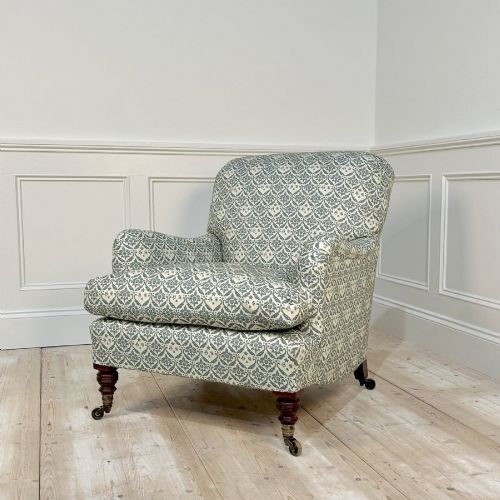
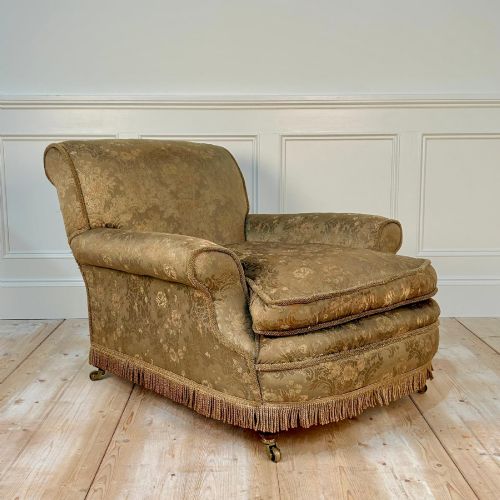
When you search for a howard and sons armchair, you look for deeply sprung English seating known for exceptional comfort and traditional country house character.
Howard and Sons Armchair
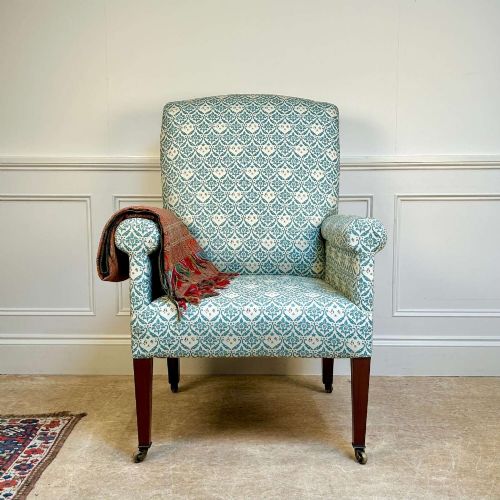
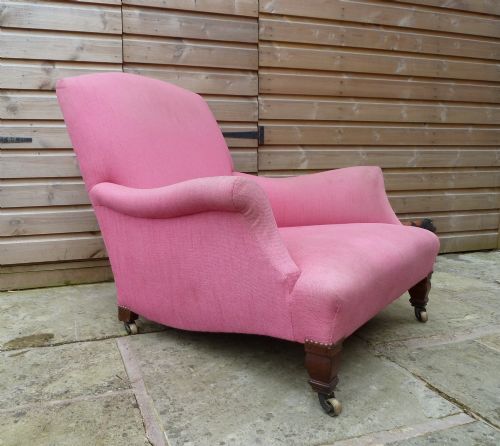
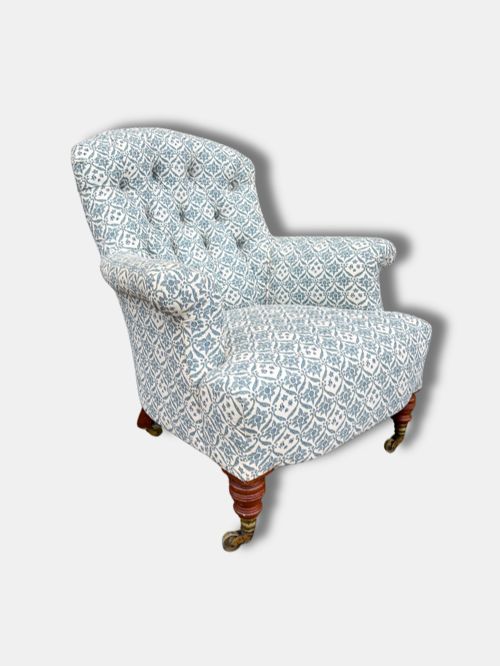
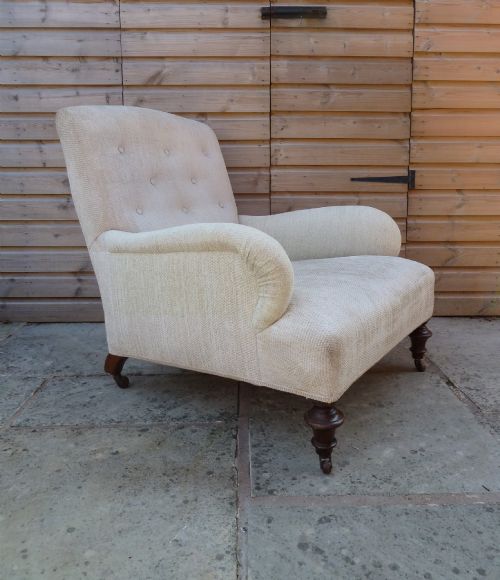
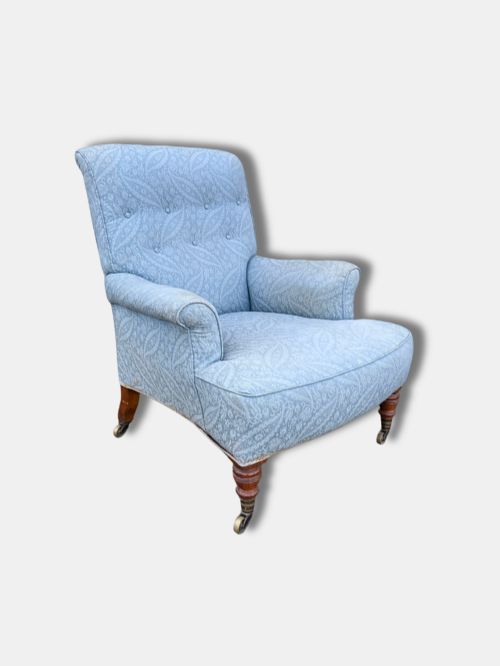
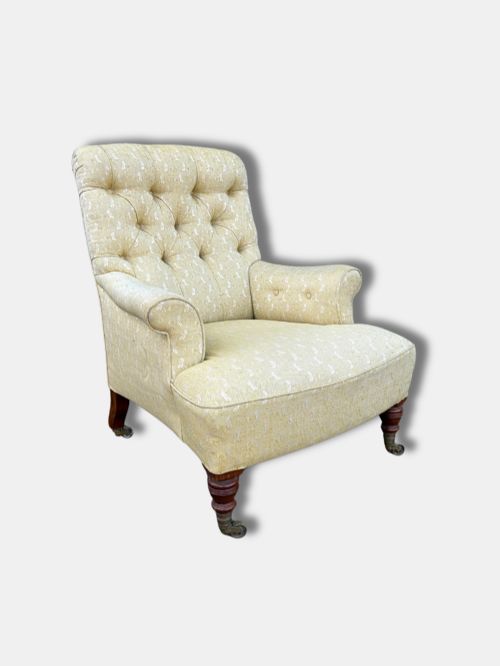
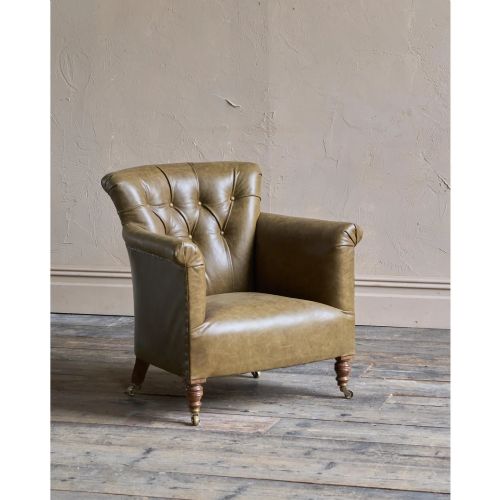
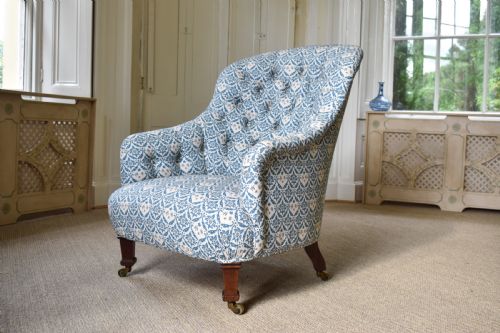
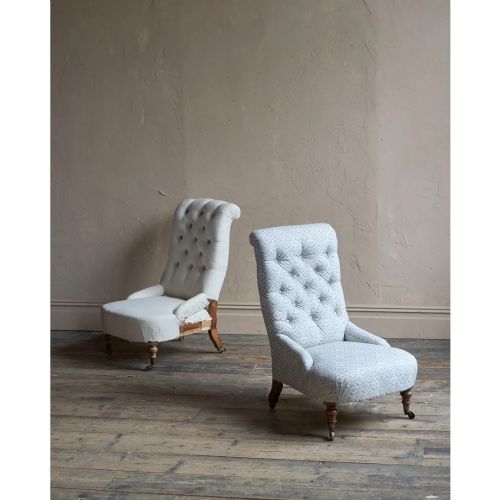
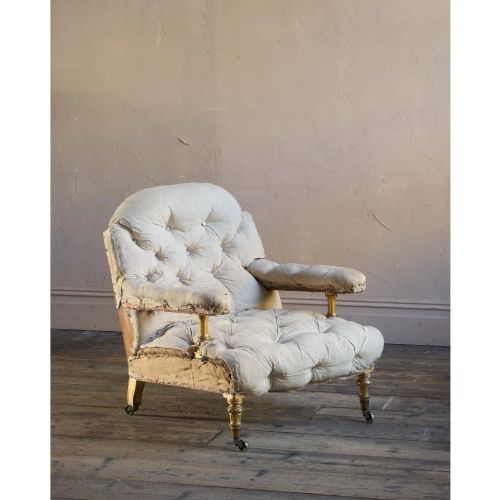
A howard and sons armchair is a hallmark of late nineteenth and early twentieth-century English seating design, encompassing specific named models like the Bridgewater, Grafton, and Ennismore. These pieces frequently appear in Victorian and Edwardian iterations, ranging from deep club easy chairs to smaller bedroom chairs and open armchairs.
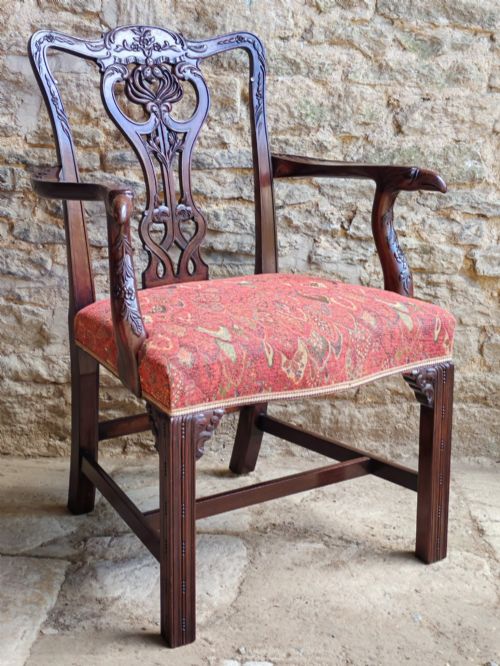
Many listings on this page also feature the broader Howard style, capturing the characteristic low-slung proportions and generous padding developed by the firm. The forms vary from button-backed designs and tub chairs to carvers and matching foot-stools, often retaining links to historic English country houses.
Makers such as James Shoolbred and Trollope and Sons occasionally appear alongside these pieces, reflecting the wider popularity of the aesthetic. The range extends from mid nineteenth-century examples up to later twentieth-century productions.
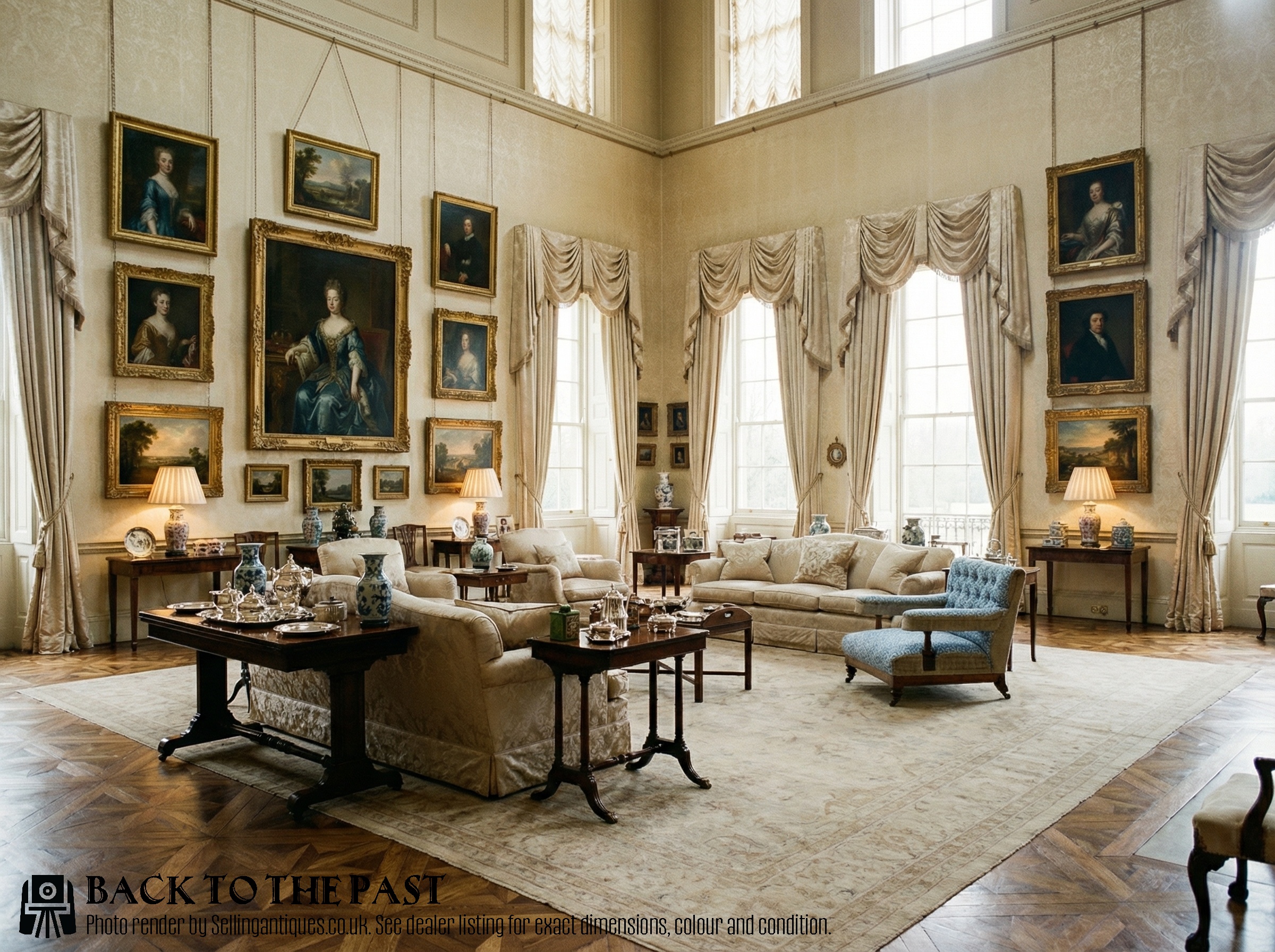
Materials and Construction
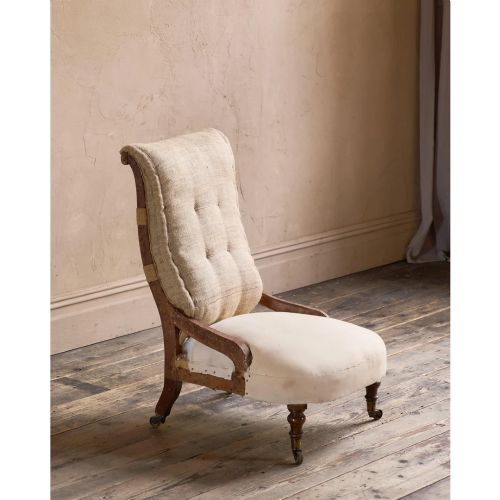
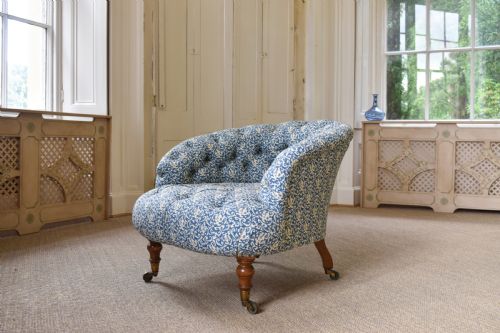
The underlying frames are constructed from sturdy hardwoods including mahogany and walnut, providing a solid structural core for the heavy upholstery. Exposed wooden legs frequently feature brass castors to ease movement across heavy carpets.
Traditional stuffing relies on natural materials enclosed by calico, cotton, and hessian, often finished with distinctive ticking fabric or patterned William Morris textiles, leather, and ivory or blue covers.
Howard and Sons Armchair Retail Price Guide 2026
Typical asking prices for howard and sons armchair among the pieces listed under this phrase on Sellingantiques today, from the lower quarter to the upper quarter. They describe what is for sale here now, not the wider market.
Listings span the Victorian and Edwardian eras, utilising hardwoods such as mahogany and walnut paired with brass castors.
Judging Quality and Originality
Quality rests heavily on the integrity of the original frame and the retention of authentic upholstery materials like period ticking or traditional stuffing methods. Pieces that retain their stamped legs, original castors, and maker markings command greater interest from collectors.
The sophistication of the specific model, such as a named Bridgewater or Ennismore armchair, distinguishes standard production items from more desirable commissions. Condition of the internal springing and the fidelity of any re-upholstery to historical techniques also shape the standing of each piece.
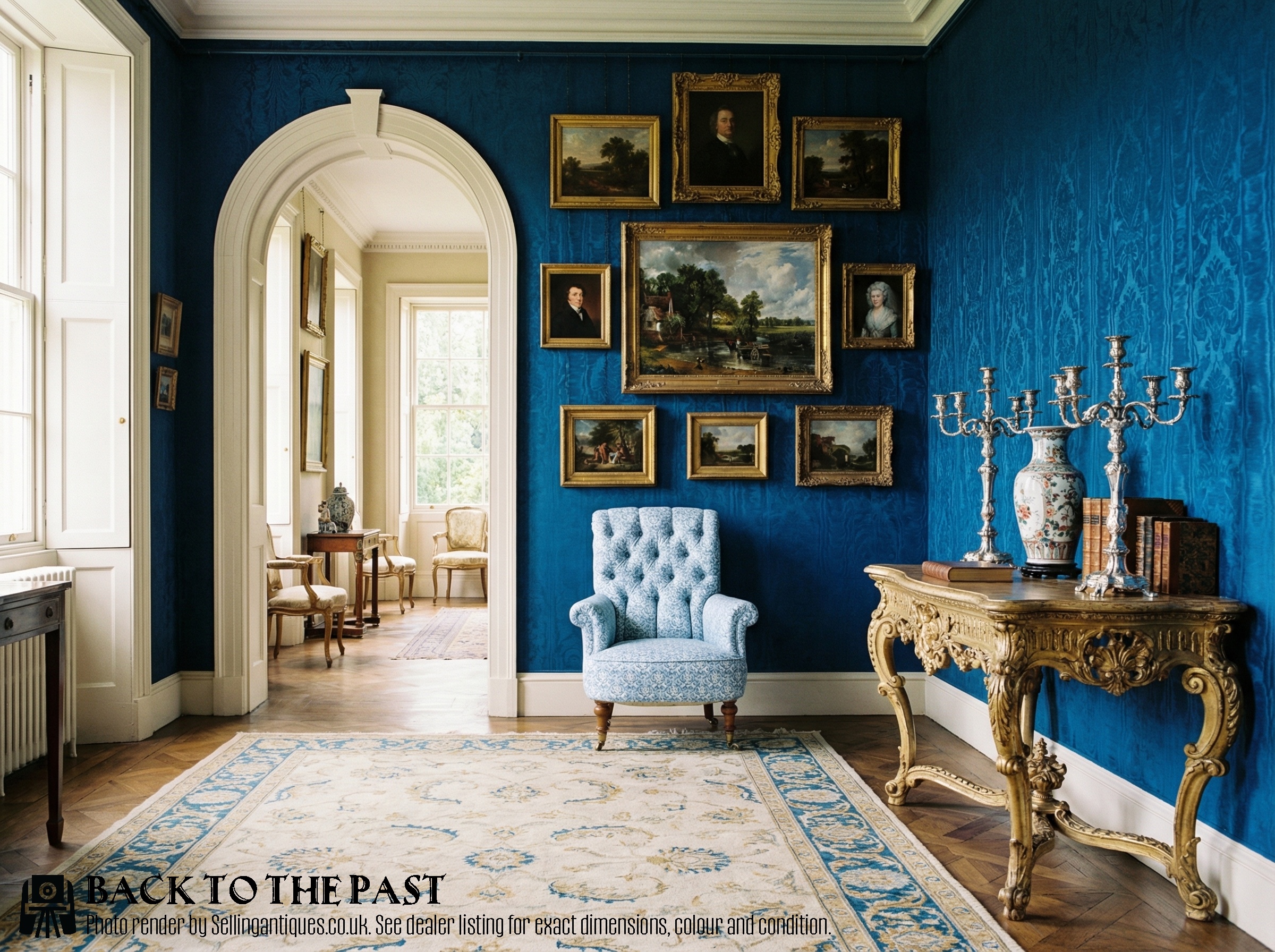
Howard and Sons·James Shoolbred·Trollope and Sons
The Howard and Sons Armchair Glossary
- Bridgewater armchair
- A signature deep-seated club chair design by Howard and Sons featuring low arms and generous cushioning. It represents one of the most recognisable forms produced by the firm.
- Ticking
- A tightly woven cotton or linen fabric traditionally used as the inner lining or outer cover for upholstered furniture. It is frequently seen in striped grey or neutral patterns on country house seating.
- Button back
- An upholstery technique where depressions are formed in the padding by stitching through to the frame, often securing buttons in a geometric grid. This treatment adds distinct texture to Victorian easy chairs.
- Carver
- An armchair, often with open arms, designed to match a set of dining chairs or to sit at the head of a table. These pieces combine decorative woodwork with upholstered comfort.
Howard and Sons Armchair: Frequently Asked Questions
How do I spot a genuine Howard and Sons armchair?
Authentic pieces often feature stamped markings on the wooden frame or brass castors, alongside characteristic low proportions and traditional coil springing.
Examining the underlying construction and materials helps differentiate genuine workshop output from later Howard style alternatives.
What is Howard ticking?
Howard ticking is the durable, tightly woven striped fabric traditionally used to cover these armchairs before the application of outer loose covers.
Original ticking remains a desirable trait for collectors seeking untouched period condition.
How do I live with an antique armchair?
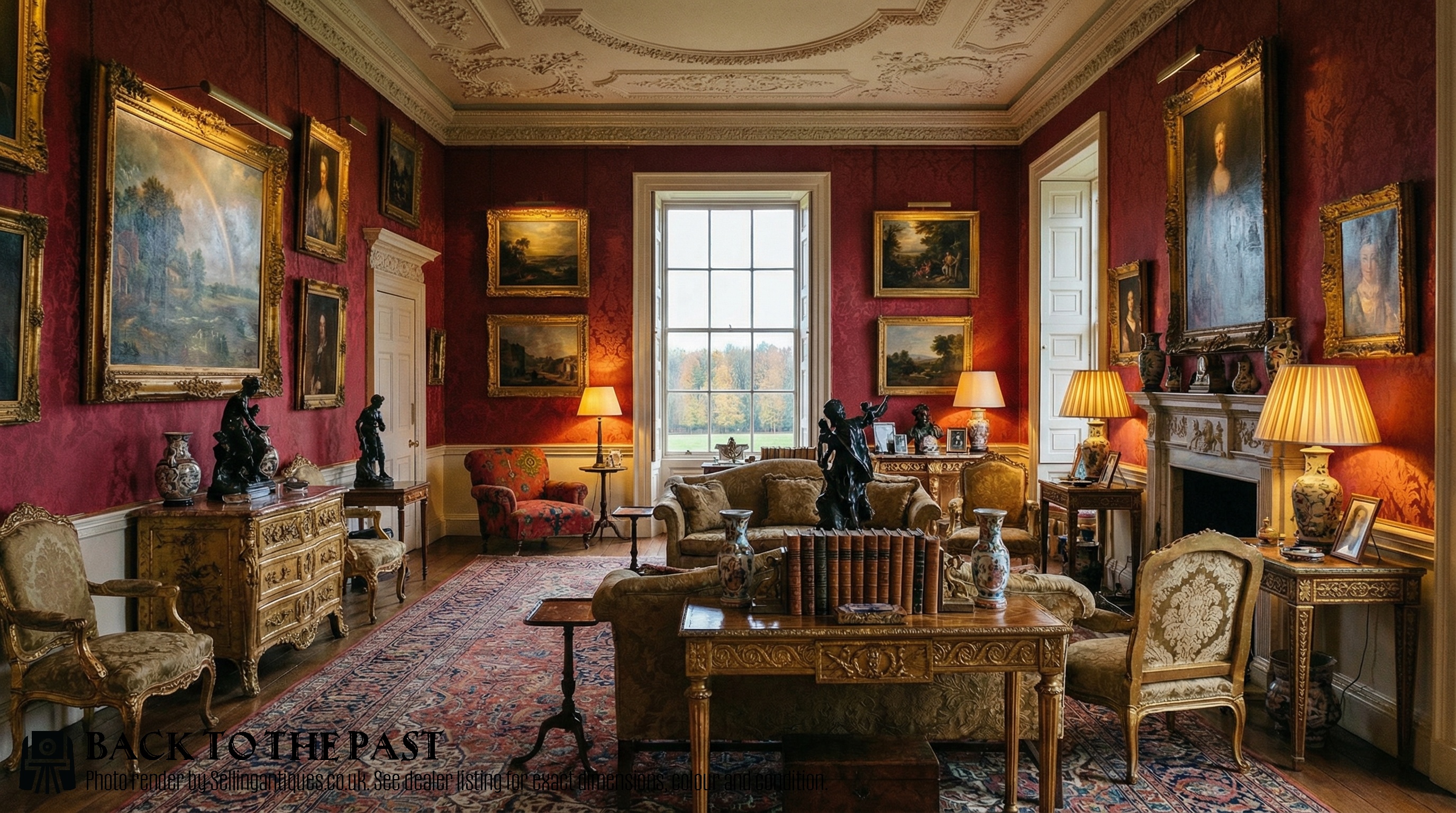
These armchairs are built for daily use, offering deep cushioning and supportive frames suited to sitting rooms and libraries.
Positioning them away from direct sunlight protects delicate fabrics and leather from fading over time.