

Antique Armchair with Castors
An antique armchair with castors offers effortless mobility alongside period character, uniting practical comfort with traditional British craftsmanship.
Antique Armchair with Castors
When you search for an antique armchair with castors, you find seating designed to be moved easily across carpets and floorboards without heavy lifting. These chairs span several eras, from George III and Regency library models to Victorian button-backed fireside seats and Edwardian club chairs.
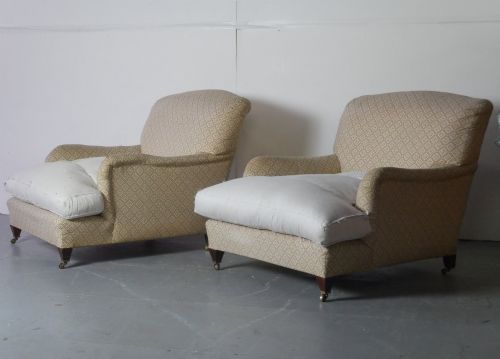
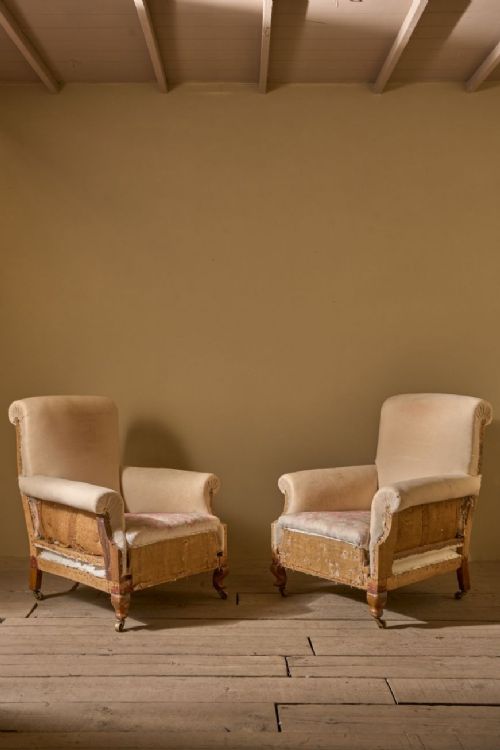
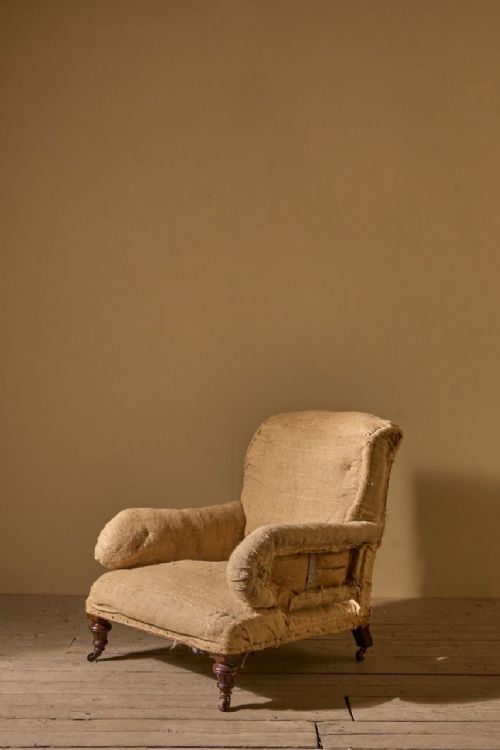
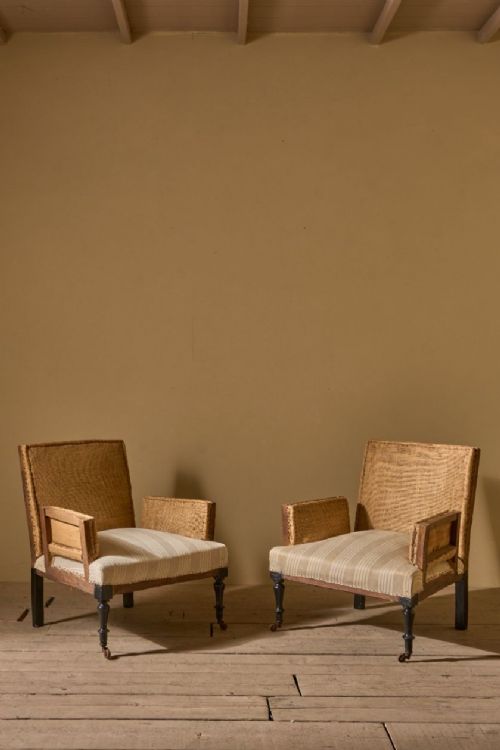
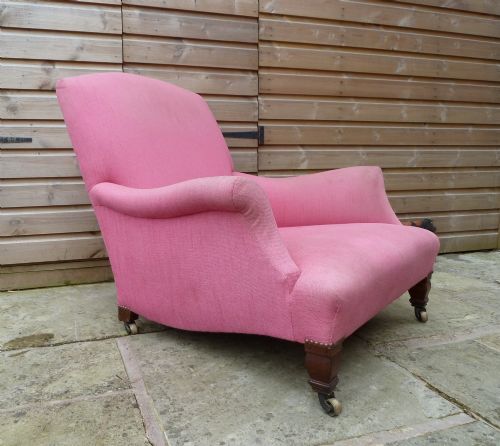
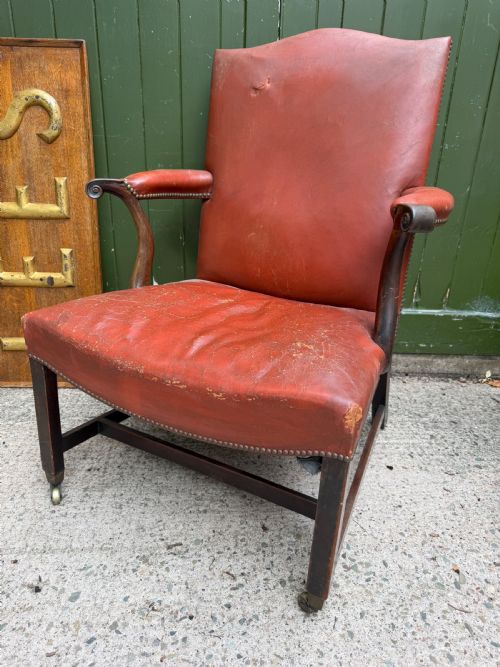
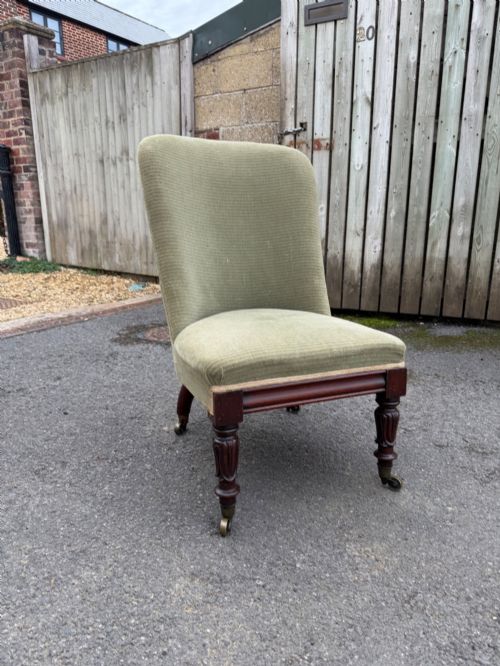
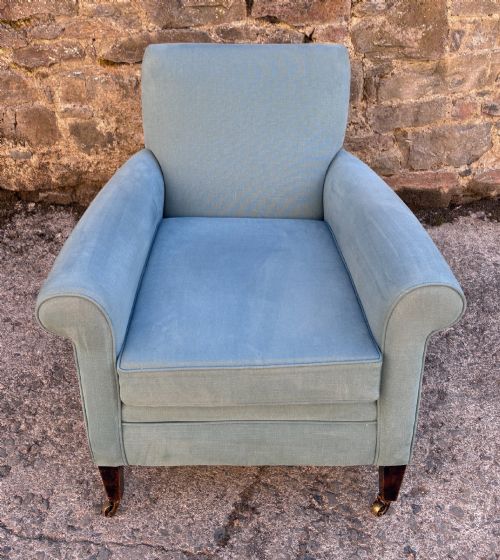
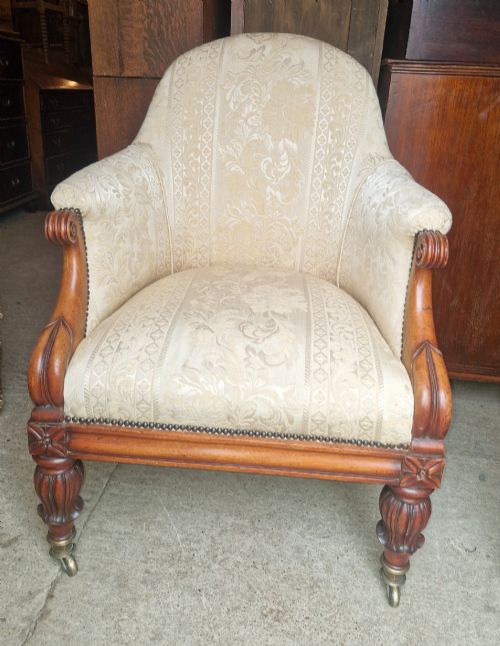
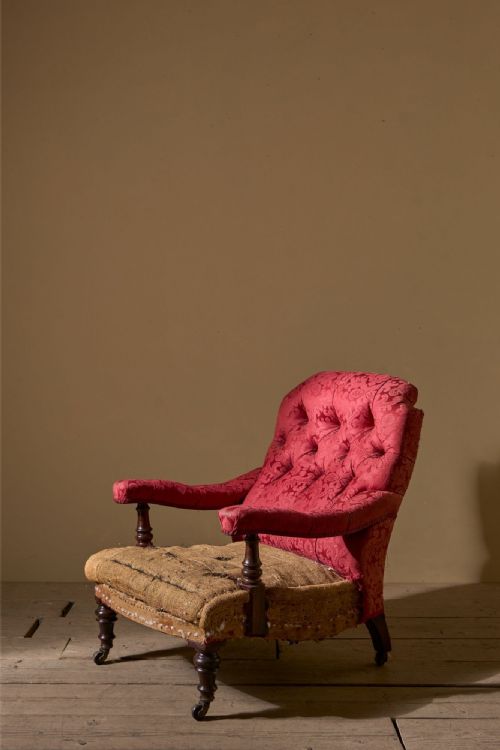
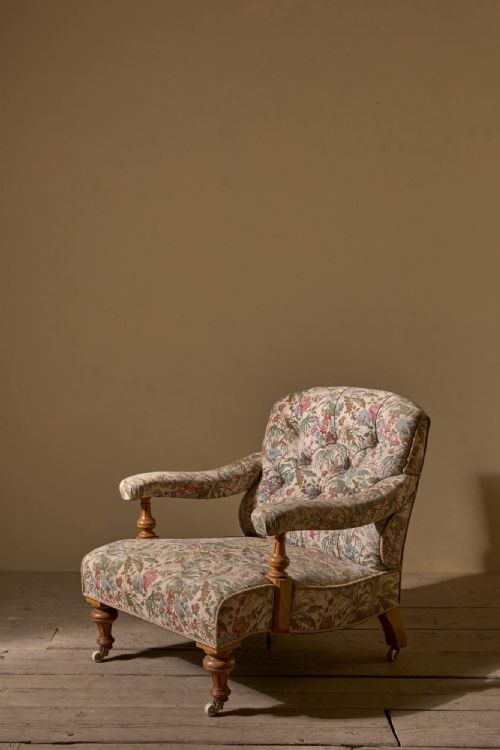
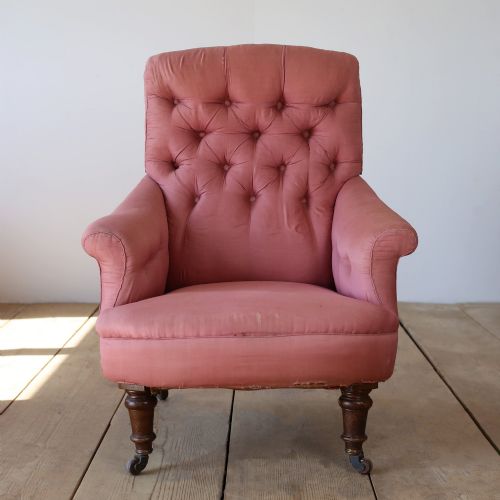
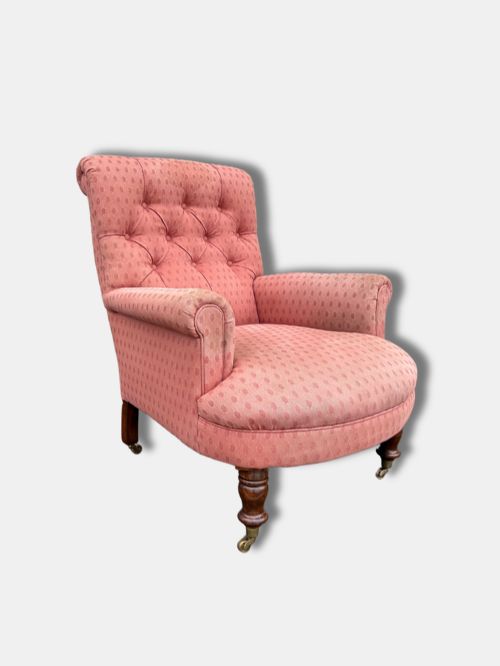
The version you are most likely to meet on this page is the Victorian or Edwardian upholstered armchair, often featuring turned wooden legs fitted with brass castors. Forms range from library bergères and desk chairs to oversized open armchairs and low slipper chairs.
Makers and makers' styles heavily influence these listings, with pieces attributed to workshops such as Howard and Sons appearing alongside English country house pieces. Timelines stretch from the early nineteenth century through to the early twentieth century, reflecting shifting domestic habits.
How they were made
The frames rely on dense timbers like mahogany, rosewood, walnut, oak and satinwood, joined with traditional cabinet-making methods to ensure structural stability under daily weight. Turned or carved wooden supports receive metal fittings at the base, securing brass wheel assemblies to the feet.
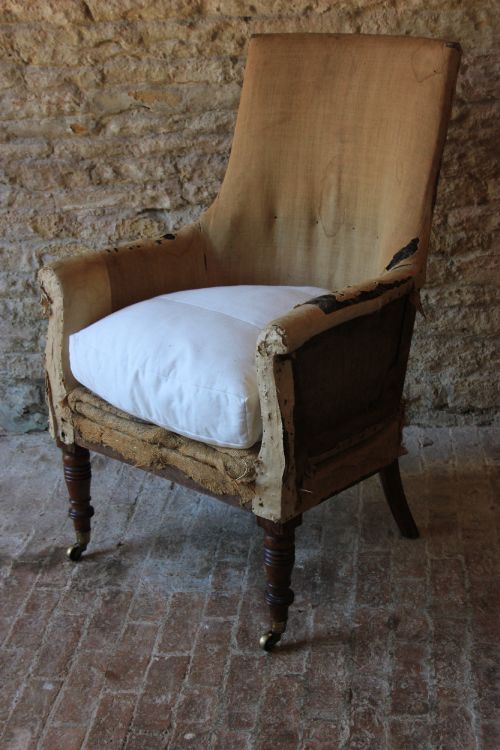
Upholstery techniques involve layered webbing, springs, and stuffing covered in durable fabrics such as leather, velvet, cotton, needlework, and wool. Details like deep buttoning, piping, and decorative braid secure the textiles to the frame.
Castors themselves typically combine brass fixings with ceramic or metal wheels, screwed directly into the wooden terminals to allow smooth movement across rooms.
Antique Armchair with Castors Retail Price Guide 2026
Typical asking prices for armchair with castors among the pieces listed under this phrase on Sellingantiques today, from the lower quarter to the upper quarter. They describe what is for sale here now, not the wider market.
Listings feature periods spanning from George III and Regency elegance through to Victorian and Edwardian domestic comfort.
What varies in quality
The distinction between ordinary and exceptional chairs rests on the proportion of the frame and the integrity of the maker's signature or stamp. Workshops known for superior joinery, such as Howard and Sons, command attention through balanced proportions and supportive springing.
Materials and upholstery execution determine the upper tier of the range, where hand-stitched buttoning, original fabrics, and stamped brass castors remain intact. Lesser examples show simpler secondary woods or later webbing replacements that alter the original sit.
Howard and Sons·James Shoolbred·Kendrick and Jefferson·Cvs·J Mills
The Antique Armchair with Castors Glossary
- Bergere
- An enclosed armchair with cane or upholstered sides and back. These library chairs date frequently to the Regency period.
- Castor
- A small wheel fitted to the foot of a piece of furniture for ease of movement. Brass and ceramic variants appear across nineteenth-century seating.
- Button back
- An upholstery style where depressions are formed by pulling twine tightly through the padding and securing it to the frame. This creates a diamond pattern common on Victorian chairs.
- Howard style
- A deeply comfortable upholstered armchair design associated with a famous Victorian firm. These chairs feature low arms and concealed casters.
- Slipper chair
- A low-seated bedroom chair designed without arms to make dressing easier. They often feature castors for easy positioning.
Antique Armchair with Castors: Frequently Asked Questions
How do I spot an original Howard and Sons chair?
Look for stamped manufacturer names on the brass castors, alongside numbered legs and specific webbing stamps beneath the seat.
These details confirm the origin of the piece and help separate genuine workshop pieces from later style imitations.
Can I use these chairs on modern carpets?
The small brass wheels roll smoothly over low-pile carpets and wooden floorboards without causing major resistance.
Heavier plush carpets may require careful rolling, but the castors were originally designed to protect domestic floor coverings during repositioning.
What is the difference between a library chair and a club chair?
Library chairs from the Regency or Victorian eras often feature exposed mahogany frames, cane panels, or tailored leather upholstery suited for formal rooms.
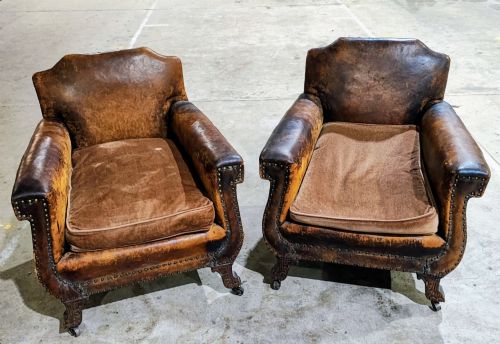
Club chairs are larger, fully upholstered low-slung seats designed primarily for relaxed lounging in studies or smoking rooms.
How should I care for antique leather upholstery?
Apply specialised leather balms periodically to maintain suppleness and prevent the historic hide from cracking under dry indoor conditions.
Avoid direct sunlight and heat sources to preserve the original colour and texture of the material.