

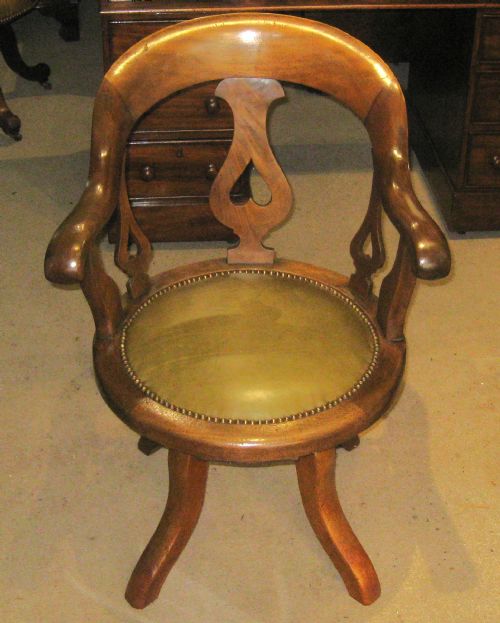
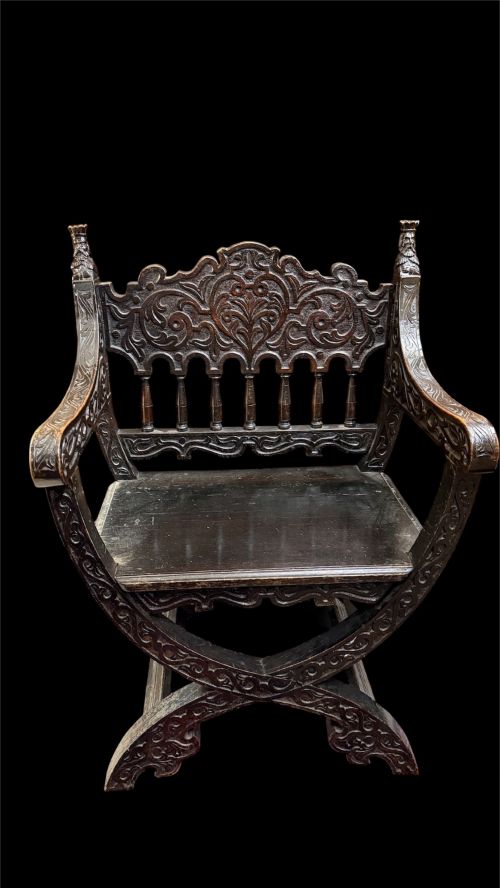
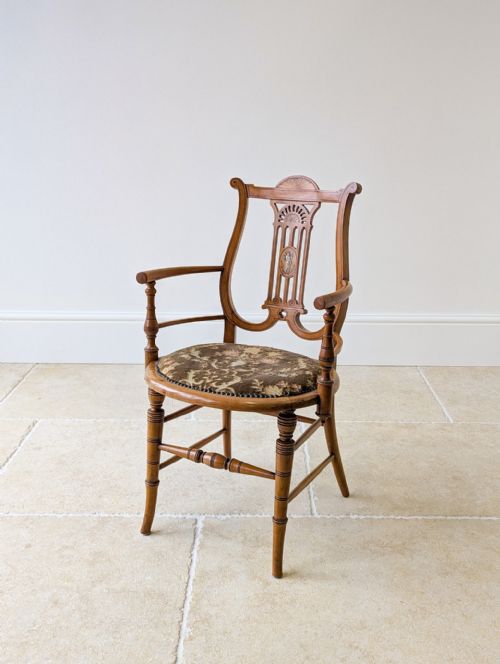
Victorian Arm Chair
A victorian arm chair brings nineteenth-century comfort and craft to a room, offering deep upholstery, sturdy timber frames, and enduring utility.
Victorian Arm Chair
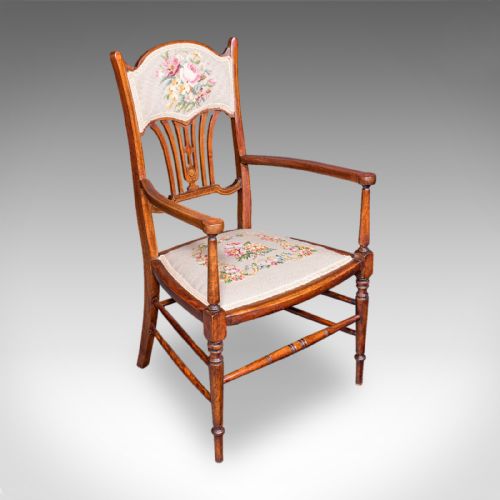
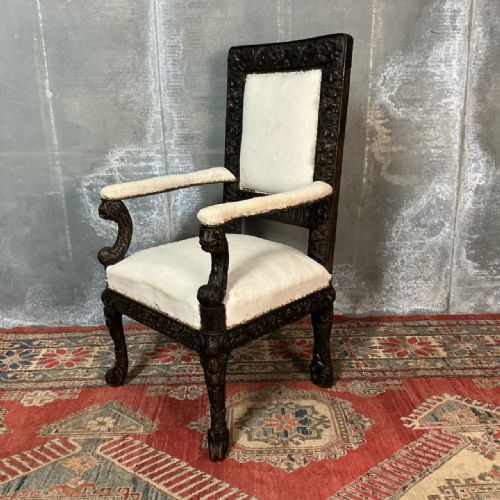
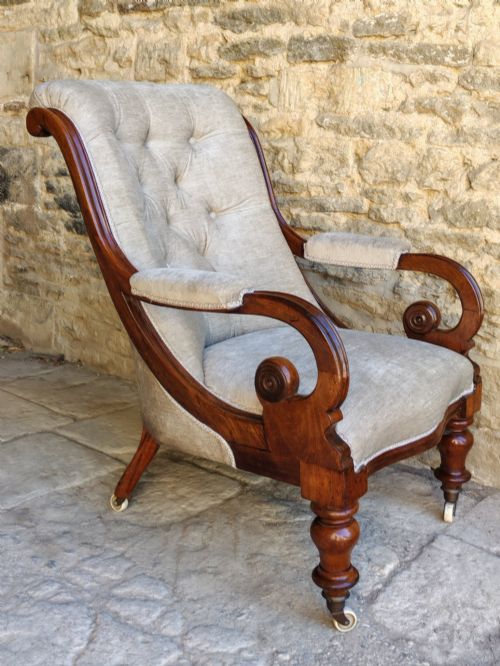
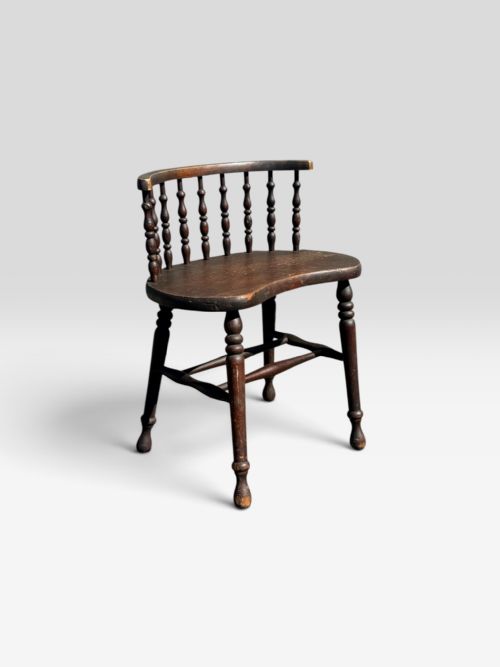
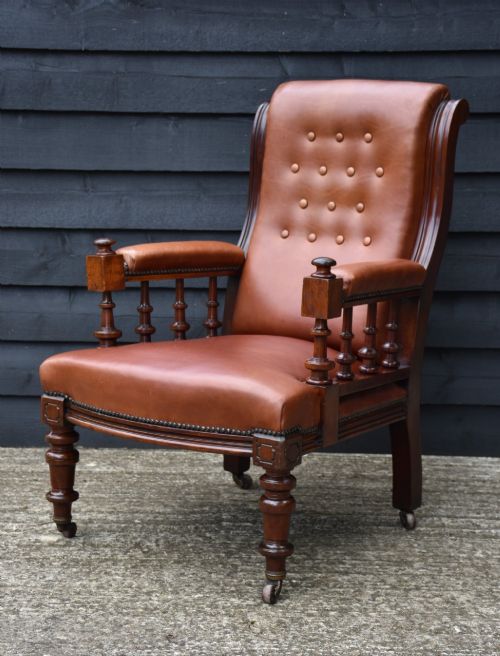
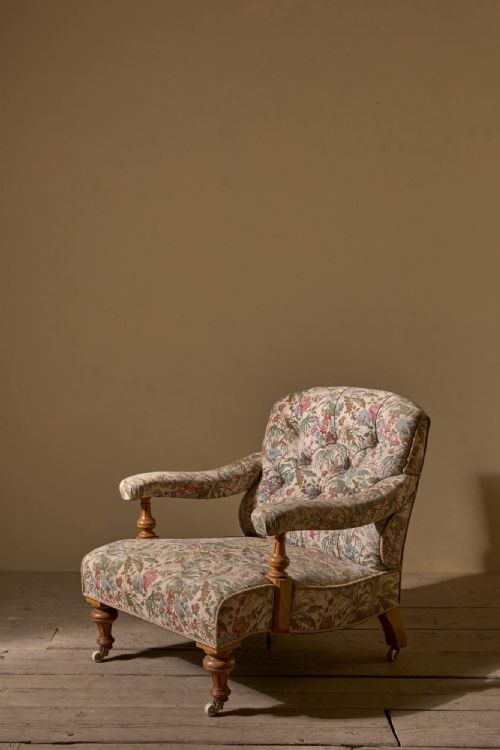
A victorian arm chair encompasses a wide range of nineteenth-century seating, from library armchairs upholstered in leather to country house styles with shapely sides. Buyers searching this phrase will find heavily padded button-back designs alongside open wooden frames intended for sitting by the hearth or at a desk.
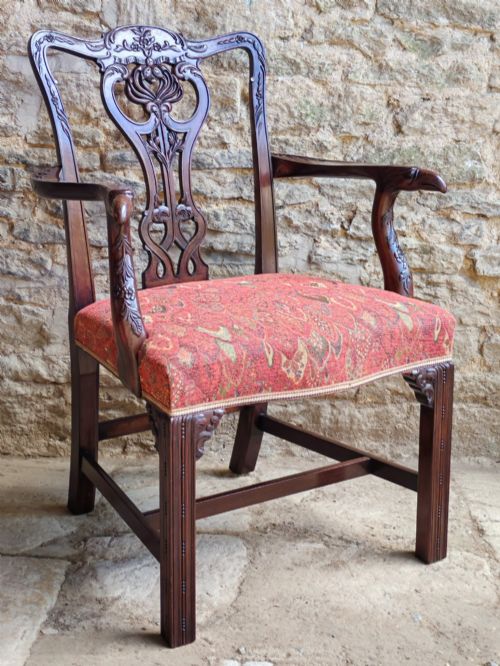
The selections available lean heavily into walnut and mahogany frames, often paired with velvet, leather, or linen coverings. Many examples reflect revival styles, drawing on earlier periods such as the Louis XV or Chippendale revivals, while others maintain a simpler vernacular country aesthetic.
Originating across English, Scottish, and colonial workshops, these chairs served varied domestic functions from morning room seating to heavy library use. The form adapts from compact salon chairs to monumental planter's chairs and revolving desk seats.
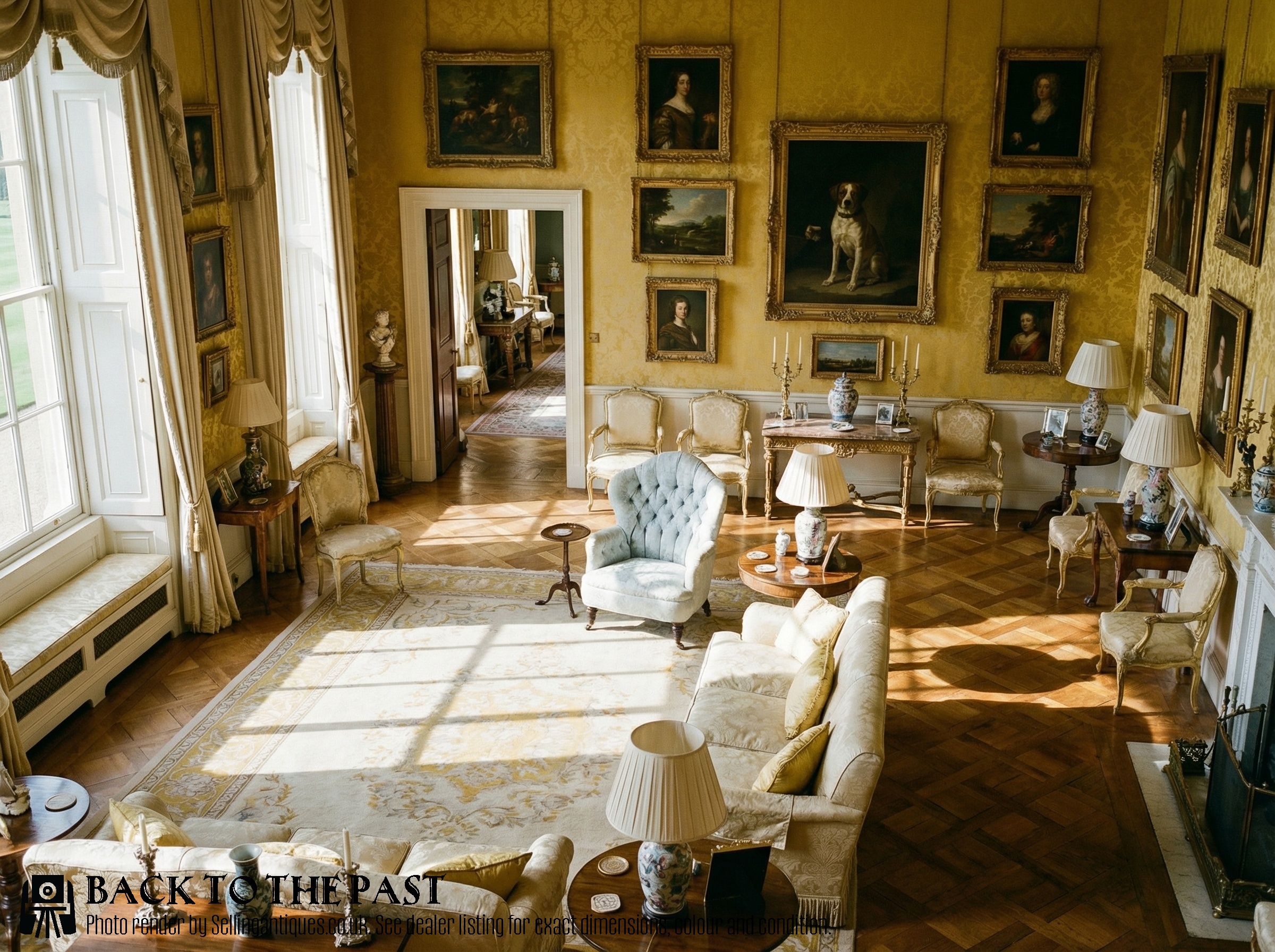
Materials and Construction
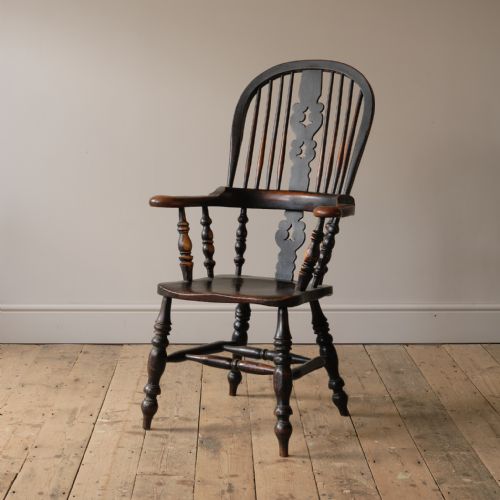
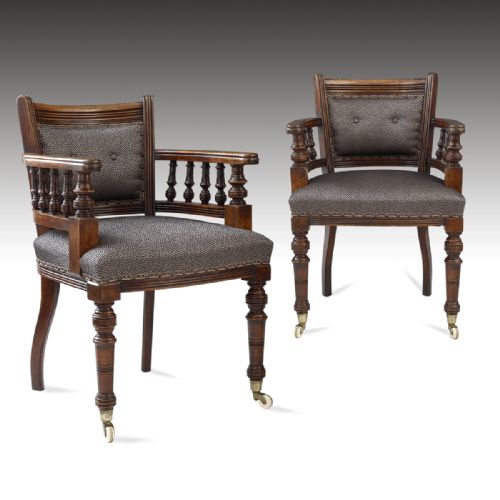
Makers relied on durable timbers including mahogany, walnut, oak, ash, elm, and beech to build structural frames that withstand centuries of use. Turned wooden spindles, carved details, and reeded legs often define the structural framework of the piece.
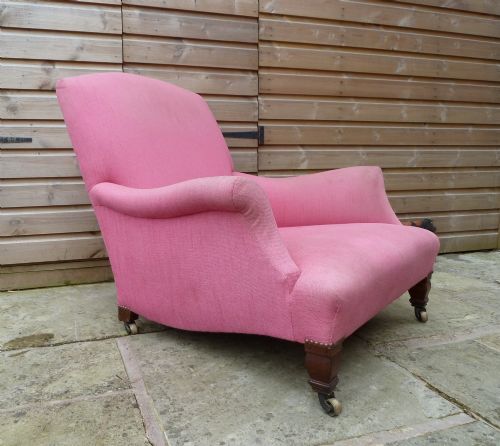
Upholstery involved horsehair stuffing, springs, and webbing covered in practical textiles like wool needlework, velvet, leather, or calico. Brass castors were frequently fitted to the feet of library and drawing-room chairs for ease of movement across carpets.
Victorian Arm Chair Retail Price Guide 2026
Typical asking prices for victorian arm chair among the pieces listed under this phrase on Sellingantiques today, from the lower quarter to the upper quarter. They describe what is for sale here now, not the wider market.
Some nineteenth-century readers enjoyed absolute comfort while smoking or studying in specialised revolving desk and library chairs fitted with hidden brass castors.
Evaluating Quality in Seating
Quality rests in the integrity of the timber frame, the crispness of any hand-carved ornamentation, and the proportion of the arms and back. Chairs retaining their original stamped maker marks or bearing attribution to workshops such as Gillows command particular attention.
The execution of the upholstery build, from the tension of the springs to the selection of covering materials like traditional leather or period-appropriate velvet, separates standard utilitarian pieces from high-status library and salon furniture.
Howard and Sons·George Jack For Morris and Co·Gillows·Wylie and Lochhead
The Victorian Arm Chair Glossary
- Carver
- An armchair, often matching a set of smaller dining chairs, designed with arms for the head of the table.
- Button-back
- Upholstery secured with deep-set buttons arranged in a geometric diamond pattern, creating padded indentations.
- Windsor chair
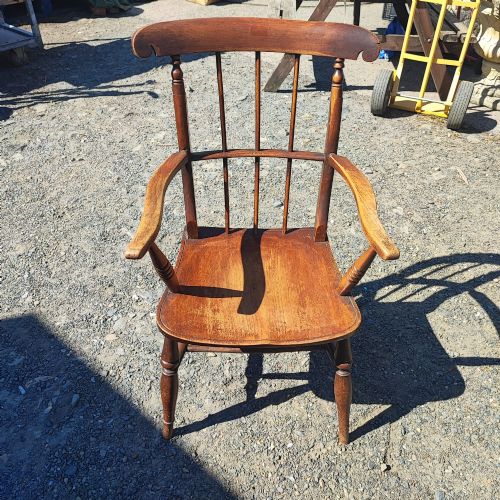
- A wooden chair featuring a saddle-shaped seat into which the legs and stick back are wedged directly.
- Tub armchair
- A comfortable seat with a continuous curved back and arms forming a rounded enclosure.
- Reeded
- A decorative moulding consisting of parallel convex strips resembling bundled reeds, frequently turned into wooden chair legs.
Victorian Arm Chair: Frequently Asked Questions
How do I identify a Victorian armchair?
Examine the timber species, construction methods, and stylistic cues such as button-back padding or carved mahogany frames. Nineteenth-century pieces typically display hand-turned elements and traditional joinery rather than modern fasteners.
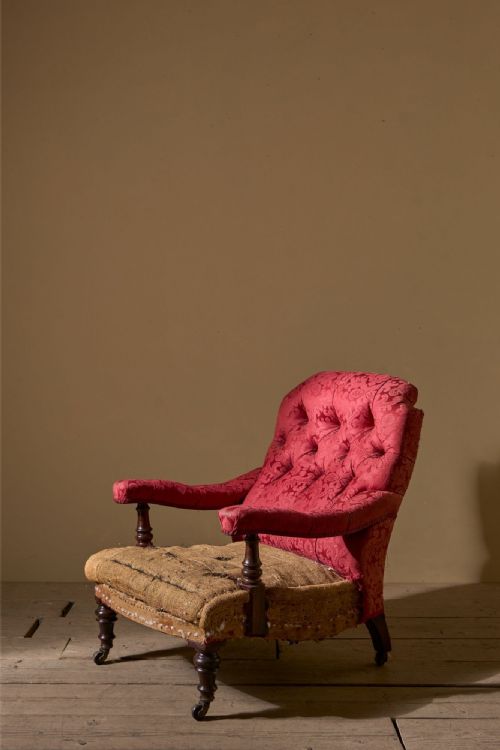
Looking underneath reveals the webbing, hessian, and frame timber which help confirm the nineteenth-century manufacture date.
Where were these chairs used originally?
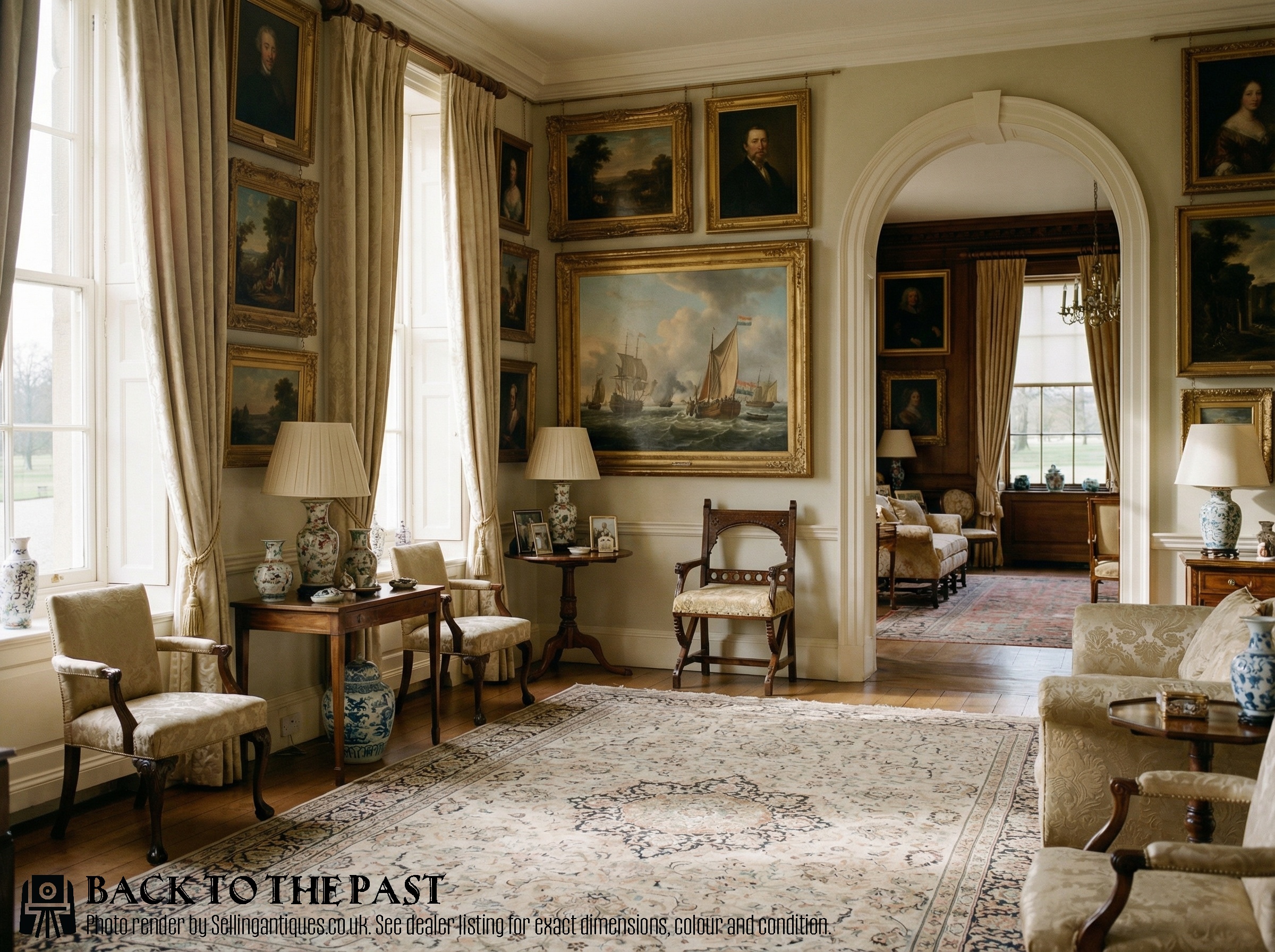
Victorian armchairs occupied various spaces including formal libraries, drawing rooms, studies, and country house morning rooms. Different forms suited specific tasks, from revolving desk chairs for offices to low salon chairs for entertaining.
Library chairs were built for heavy daily reading, while occasional chairs filled smaller corners of domestic reception rooms.
Are these chairs suitable for daily use?
Many nineteenth-century armchairs provide robust daily seating when the internal webbing and padding remain sound. Buyers often select them for living rooms and studies where sturdy timber frames offer reliable support.
Checking the stability of the joints ensures the chair can handle regular sitting without straining the historic frame.