
Mid Victorian Armchair
When choosing a mid victorian armchair, you are selecting a seat defined by the craftsmanship of the nineteenth century.
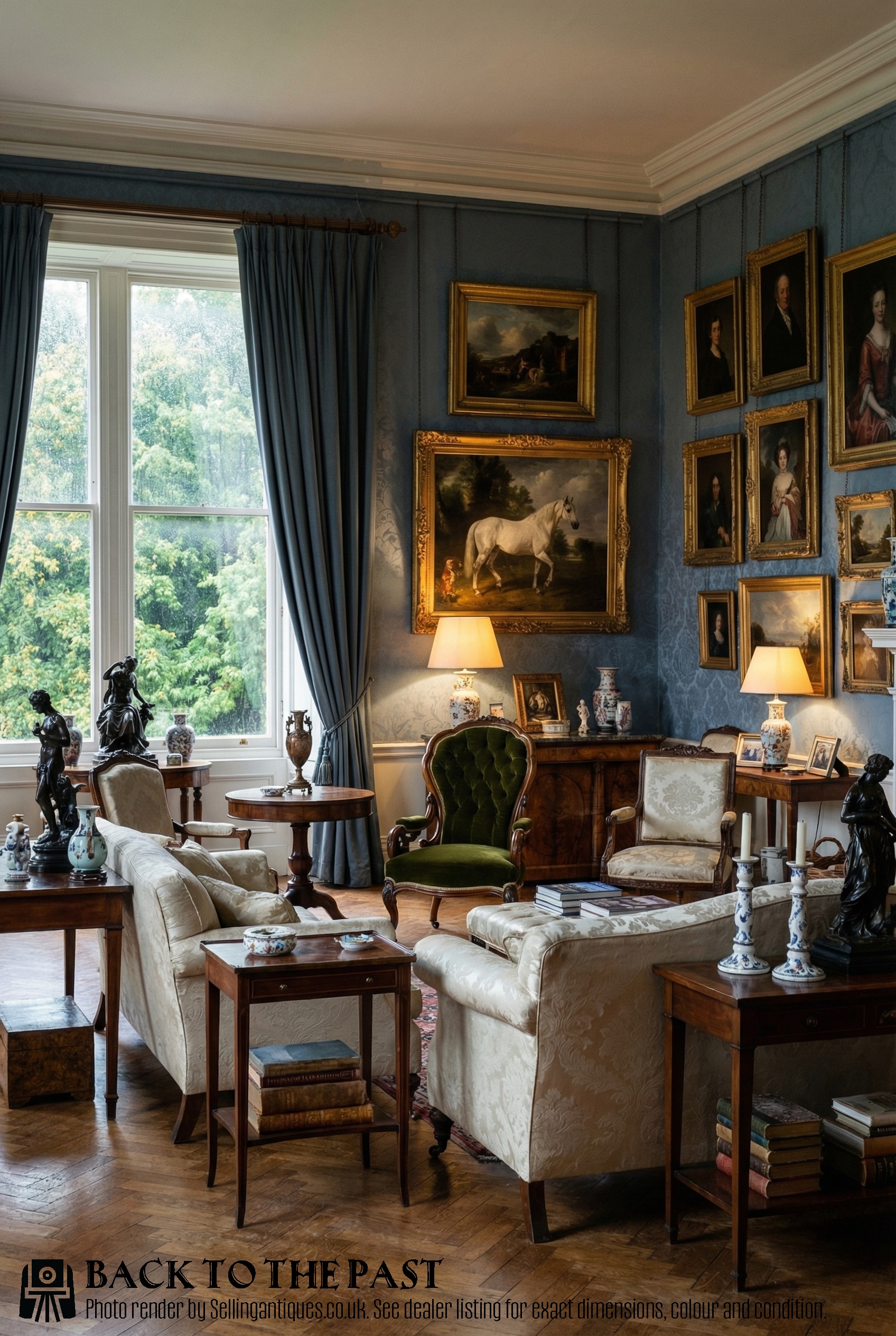
Mid Victorian Armchair
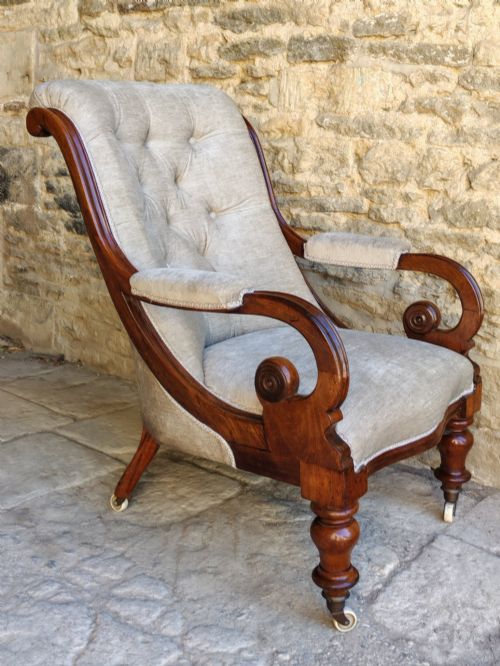
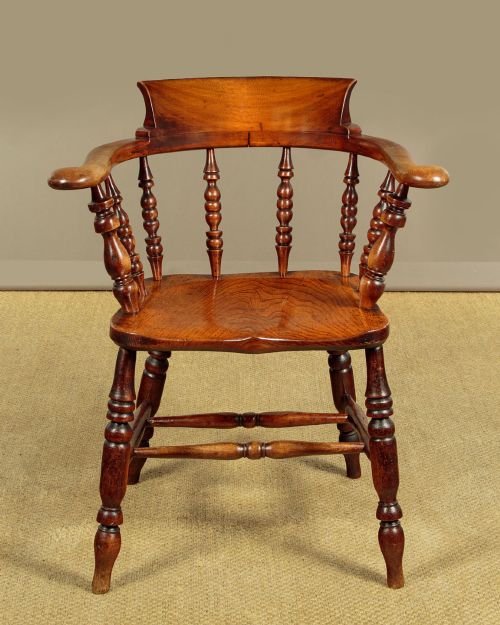
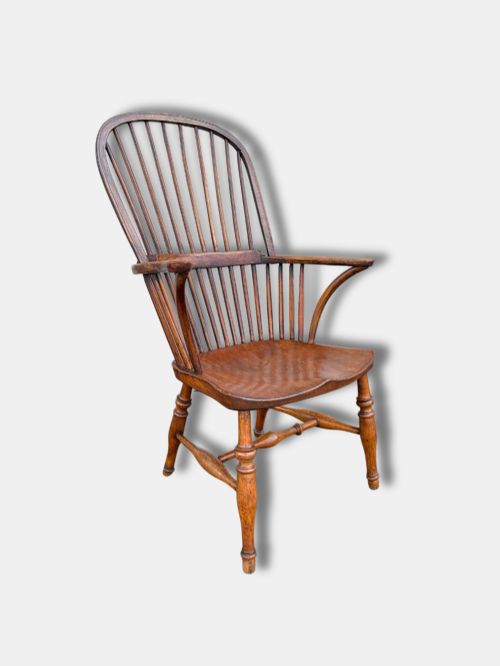
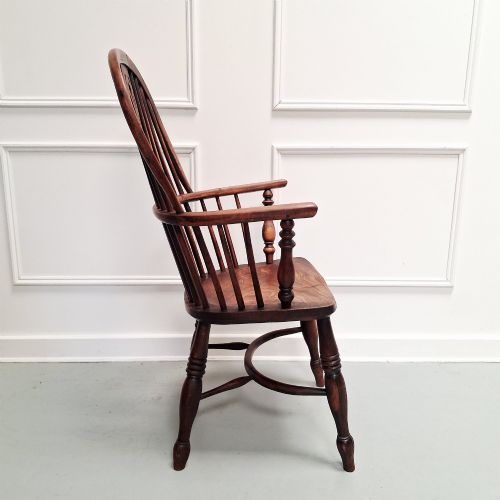
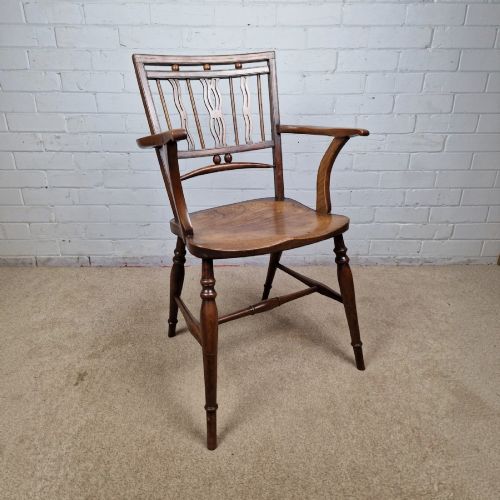
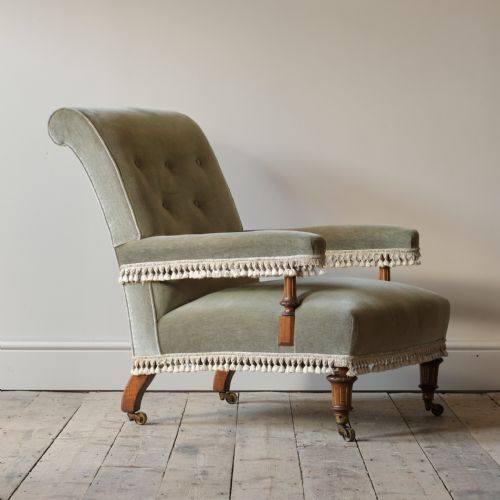
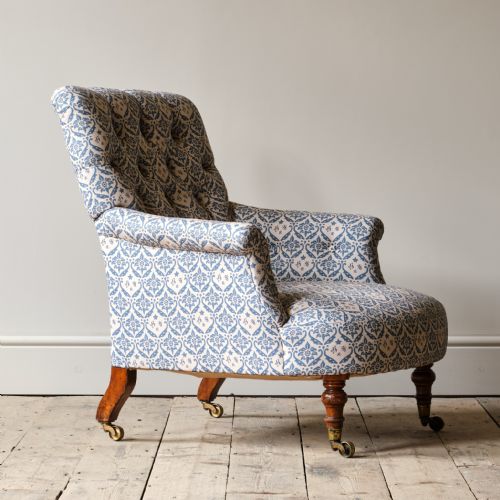
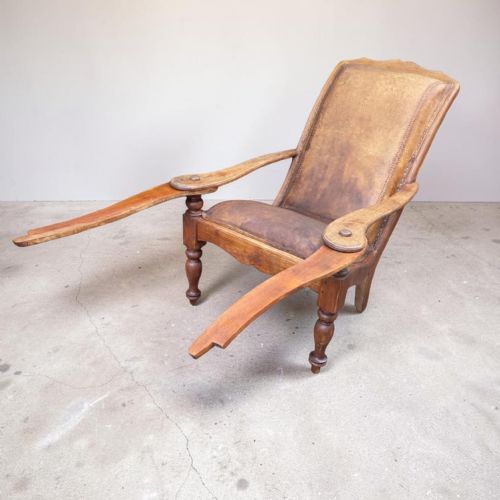
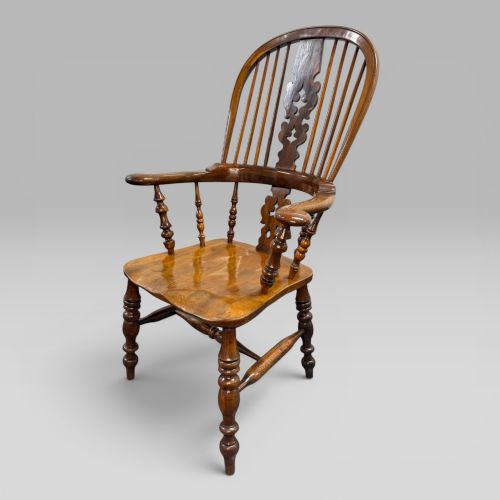
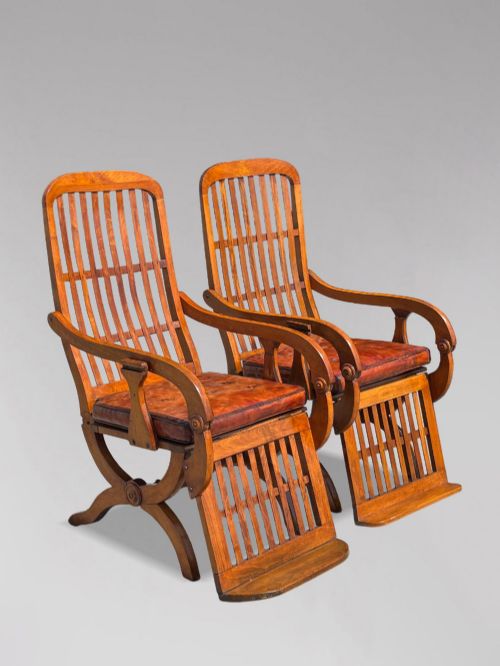
A mid victorian armchair encompasses diverse forms originating from the nineteenth century, including library chairs, nursing chairs, and Windsor designs.
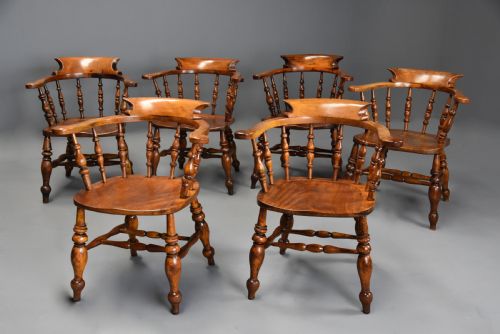
The selections span standard upholstered salon seating as well as solid wood country regional pieces shaped from ash, elm, and walnut.
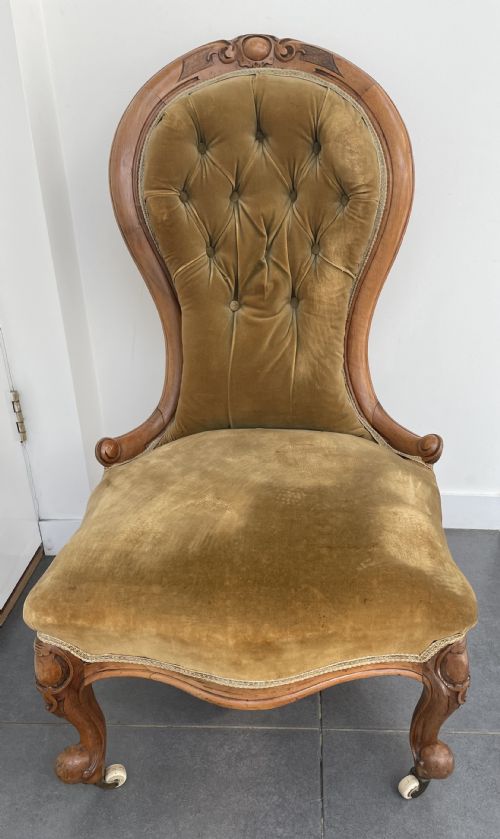
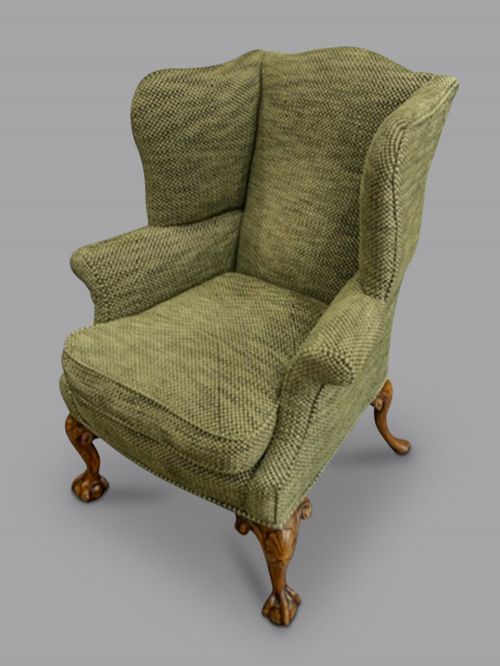
Buyers frequently encounter robust upholstered easy chairs alongside distinct regional windsor variants and low-slung dressing table seats.
Materials and construction
Frames rely heavily on dense hardwoods such as mahogany, walnut, rosewood, and beech, often shaped into curved backs and open arms.
Country regional seating utilises combinations of ash and elm, while structural movement is occasionally managed through brass castors and swivel mechanisms.
Mid Victorian Armchair Retail Price Guide 2026
Typical asking prices for mid victorian armchair among the pieces listed under this phrase on Sellingantiques today, from the lower quarter to the upper quarter. They describe what is for sale here now, not the wider market.
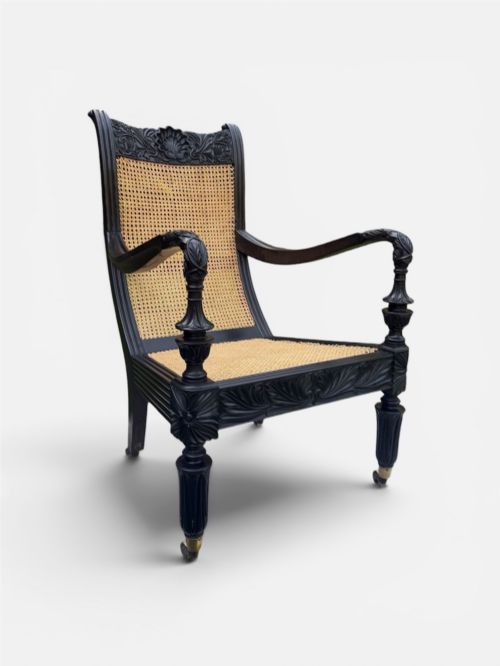
Some solid ebony framing provides a surprisingly heavy lift when rearranging the library.
Determining quality
The standard of timber selection and the precision of carved details on walnut and mahogany frames distinguish finer examples from standard production.
Upholstered variations rely on the integrity of the internal stuffing, buttoning work, and the original integrity of the fabric or leather covering.
Gillows·Howard and Sons·Lamb's of Manchester·Cope and Collinson
The Mid Victorian Armchair Glossary
- Windsor
- A wooden chair constructed with a solid shaped seat into which the back and legs are directly wedged.
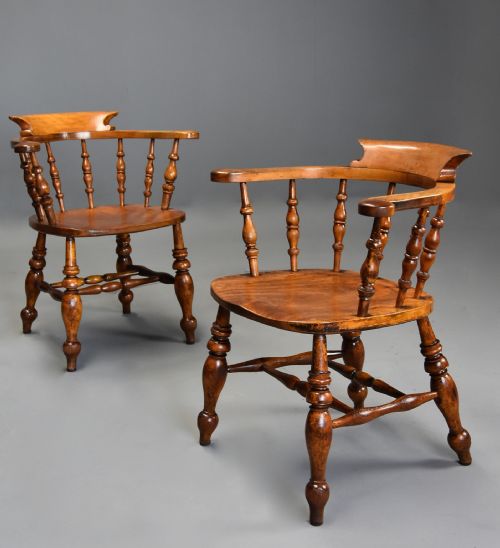
- Smoker's bow
- A low sturdy wooden armchair featuring a rounded continuous rail for the armrests.
- Nursing chair
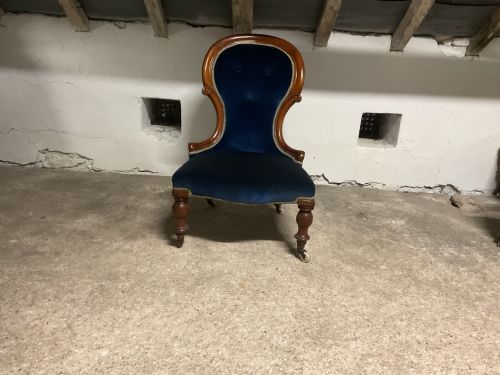
- A low-seated upholstered chair designed originally for comfort in bedrooms or near nurseries.
- Castor
- A small wheel attached to the legs of heavier library armchairs to ease movement across floors.
Mid Victorian Armchair: Frequently Asked Questions
Where were these chairs used?
These pieces suited studies, libraries, and withdrawing rooms where comfort and formality intersected during the nineteenth century.
Smaller low-seated variants typically resided in bedrooms or dressing areas for daily personal routines.
How do I identify the period?
Examination of the secondary timbers, framing techniques, and turning styles usually reveals nineteenth-century origin.
Stylistic markers like walnut frames, balloon backs, and specific castors point directly toward the mid-Victorian decades.
Are these chairs suitable for daily seating?
Solid wooden windsor and library variants offer robust support for regular household use.
Upholstered versions often benefit from professional evaluation of internal webbing and padding before heavy daily placement.
What woods were commonly utilized?
Cabinet makers predominantly turned to dark hardwoods such as mahogany, walnut, rosewood, and occasional exotic ebony.
Regional country makers preferred native British timbers including ash, elm, beech, and birch for their structural resilience.