

Antique Spoon Back Chair
An antique spoon back chair offers deep buttoned comfort and curved wooden frames that define Victorian parlour seating.
What an antique spoon back chair is
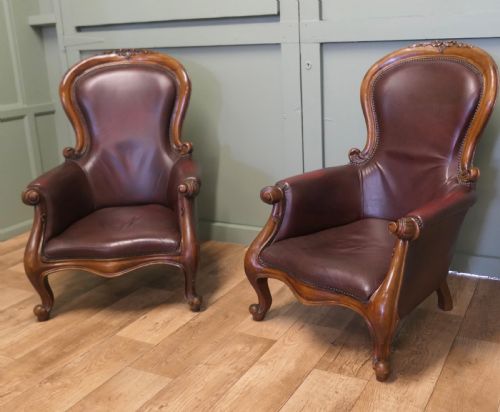
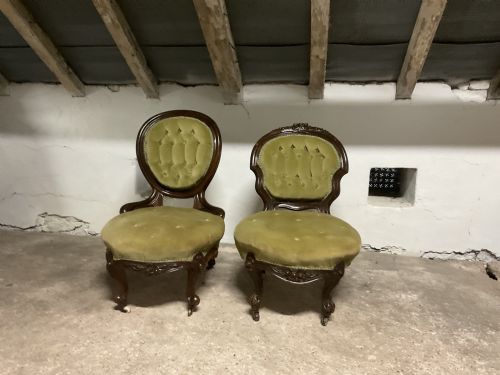
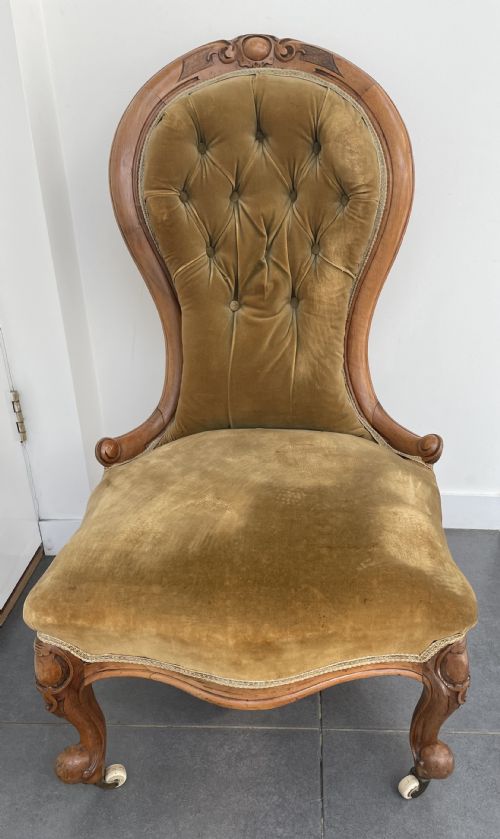
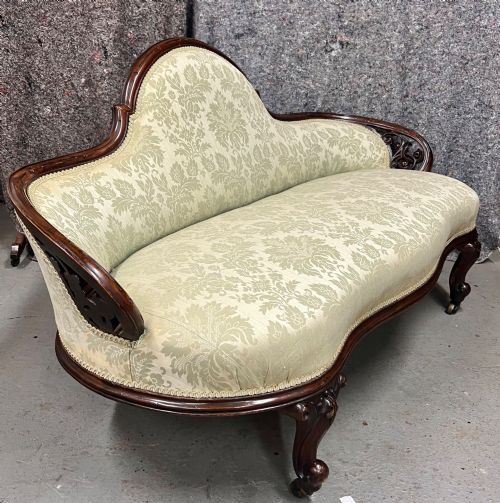
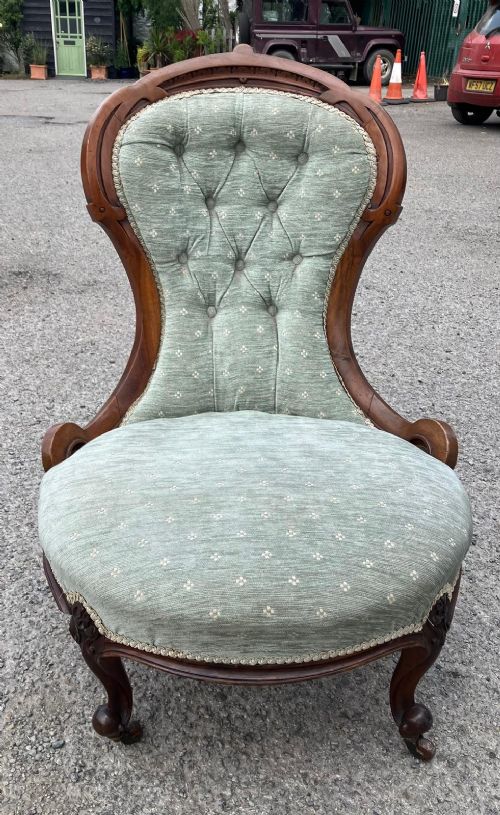
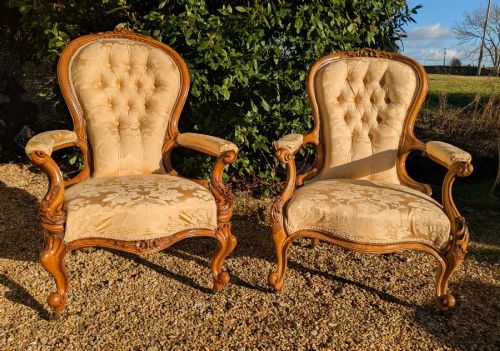
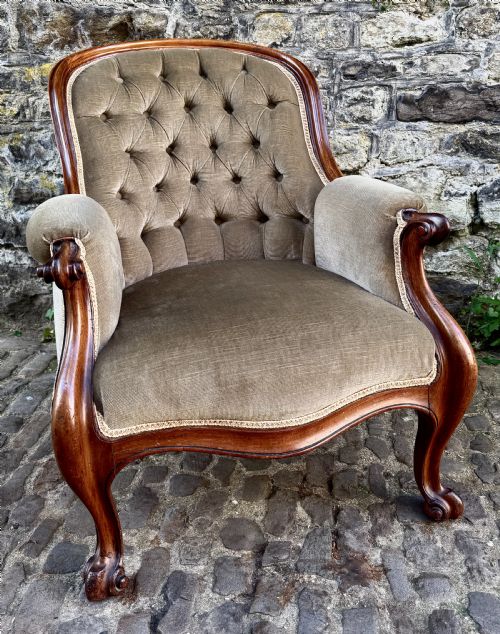
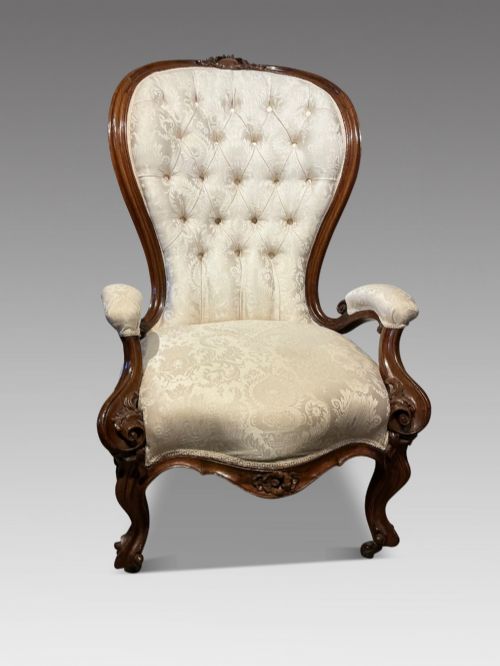
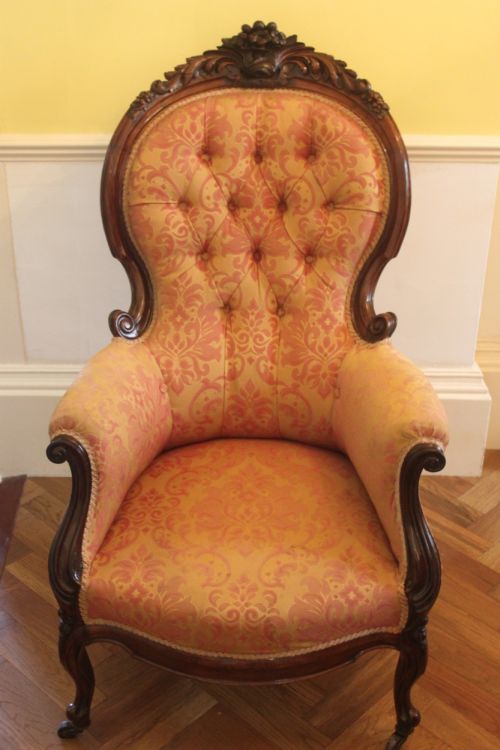
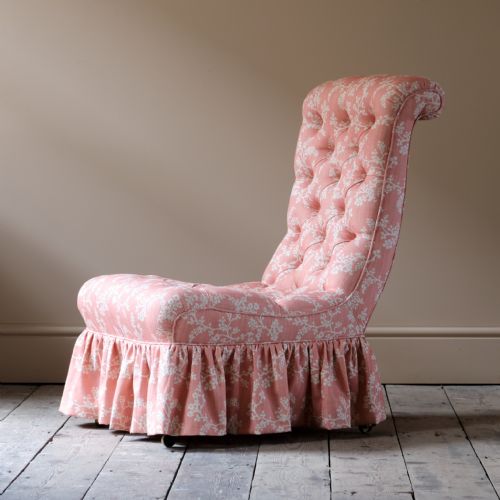
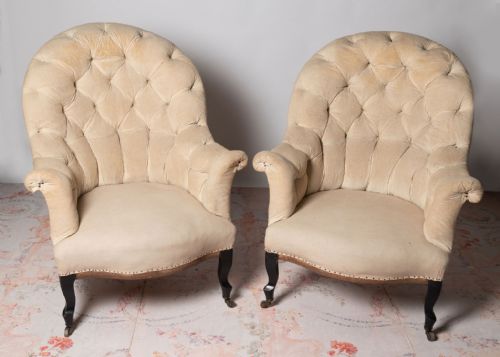
An antique spoon back chair is a Victorian seating form defined by its concave, oval backrest resembling the bowl of a spoon. Buyers browsing this selection commonly encounter parlor armchairs, salon seats, and low nursing chairs designed for mid nineteenth century domestic interiors.
The evidence shows these seating pieces predominantly originating from the Victorian era, spanning the nineteenth century with specific examples recorded from eighteen forty to eighteen eighty. Formats range from large gentlemen armchairs to smaller ladies chairs and occasional seating.
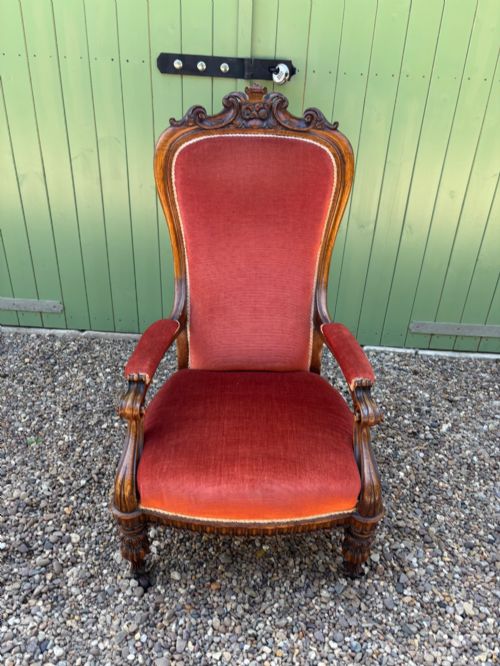
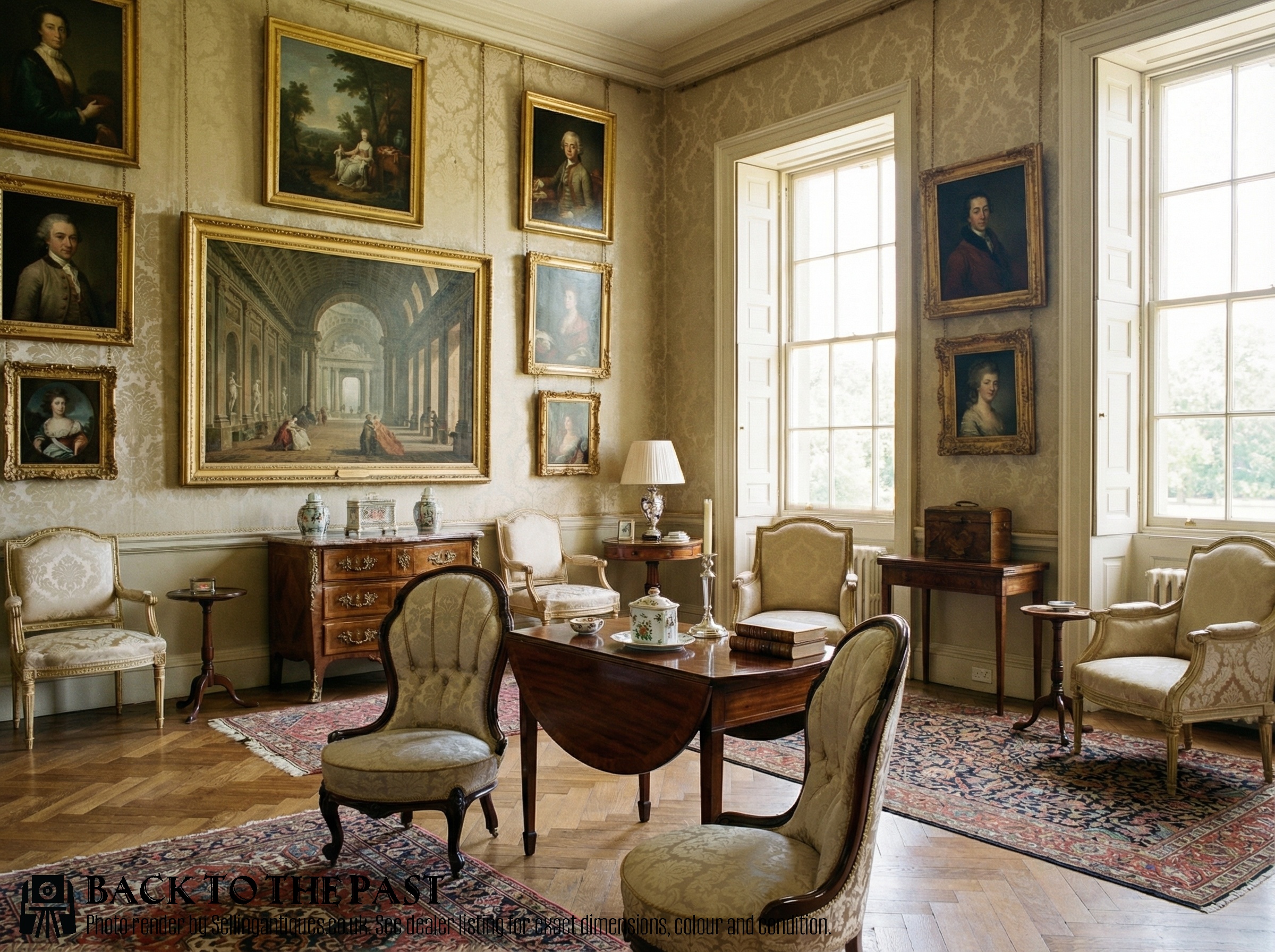
Makers working within the Victorian Rococo Revival style produced frames with naturalistic carved ornament and cabriole legs. These seating options served formal drawing rooms, libraries, and fireside settings.
How they were made
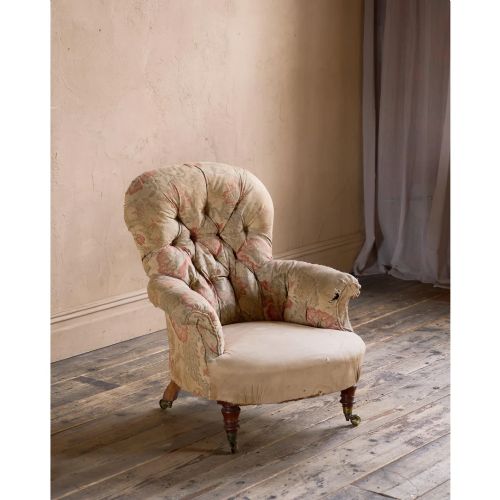
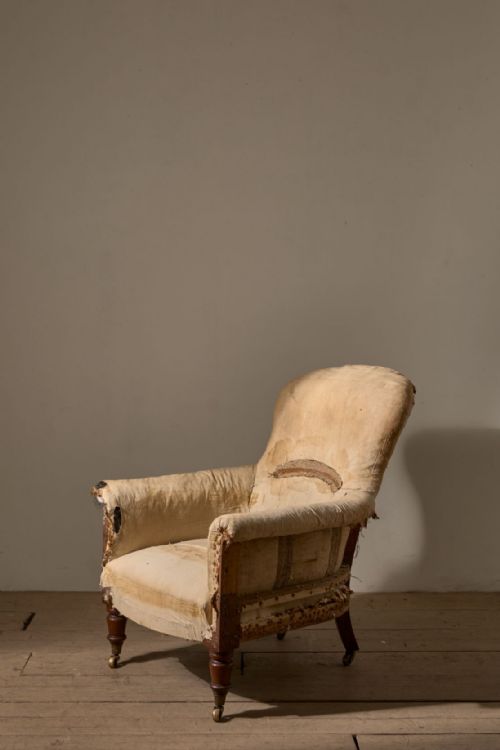
Cabinet makers constructed the curved back frames from dense hardwoods like mahogany and walnut, often shaping the timber to follow the flowing contours of the oval backrest. Upholstery techniques involved traditional stuffing over springs and webbing, secured with materials such as calico lining, velvet, leather, and needlepoint tapestry.
Show frame designs left the polished wooden structure exposed around the upholstered padding, whilst brass castors sometimes supported the cabriole legs of larger armchairs.
Retail Price Guide 2026
Typical UK retail prices for spoon back chair, calculated from the Sellingantiques database of over a million retail prices indexed since 2003. This retail price guide relies exclusively on Sellingantiques data; no external sources or auction records are used, so the figures do not describe the wider market.
Many a Victorian gentleman dozed off in a deep buttoned armchair after a heavy lunch.
What varies in quality
Quality in an antique spoon back chair rests upon the crispness of the hand carving on the wooden show frame and the structural integrity of the curved timber. Better examples display harmonious proportions between the generous padded seat and the deep curved backrest.
The selection of cabinet timbers also distinguishes the range, with figured walnut and rich mahogany representing the higher tier of nineteenth century production compared to simpler secondary woods.
C. Hindley & Sons·Holland & Sons
The Antique Spoon Back Chair Glossary
- Spoon back
- A padded chair back shaped into a concave oval resembling the bowl of a spoon. This ergonomic form supports the spine and characterises nineteenth century parlour seating.
- Cabriole leg
- A furniture leg that curves outward and then narrows inward toward a small foot. This design imitates animal limbs and appears frequently on Victorian revival seating.
- Button back
- An upholstery style where depressions are formed in the padding by sewing through to the base and securing with tightly pulled fabric buttons. It creates a tufted surface.
- Show frame
- A exposed wooden structure surrounding the upholstered areas of a chair. It allows the polished grain of walnut or mahogany to remain visible.
- Nursing chair
- A low seated armchair designed for comfort during nursery work or sewing. These pieces often feature short legs and open arms.
Frequently Asked Questions
What is an antique spoon back chair?
An antique spoon back chair is a Victorian upholstered seat featuring a concave, oval backrest shaped like a spoon bowl. These pieces were developed during the nineteenth century for formal drawing rooms and parlours.
Cabinet makers utilised mahogany and walnut to form the curved wooden frames, often incorporating deep buttoning and sprung seats for comfort.
How do I date an antique spoon back chair?
Dating relies on stylistic clues and wood choices typical of the Victorian period, primarily spanning the mid to late nineteenth century. Pieces often exhibit Rococo Revival carving, cabriole legs, and exposed show frames.
Makers active between eighteen forty and eighteen eighty produced these variations using solid hardwoods and traditional upholstery methods.
Were these chairs used in dining rooms?
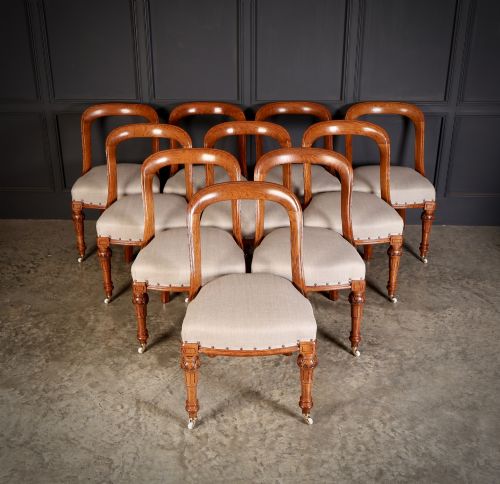
While most surviving examples are armchairs or low salon seats for parlours, sets of dining chairs with spoon back frames were also produced during the nineteenth century. These dining suites provided matching seating around formal tables.
Buyers find both individual fireside armchairs and larger matched sets within the historical record.
What fabrics were used on these chairs?
Original upholstery included velvet, leather, and needlepoint tapestry stretched over traditional stuffing and secured with buttoning. Many pieces were also lined simply in calico for later covering.
Surviving examples today reflect both original nineteenth century textiles and subsequent professional reupholstery.