


Low Seated Accent Chair
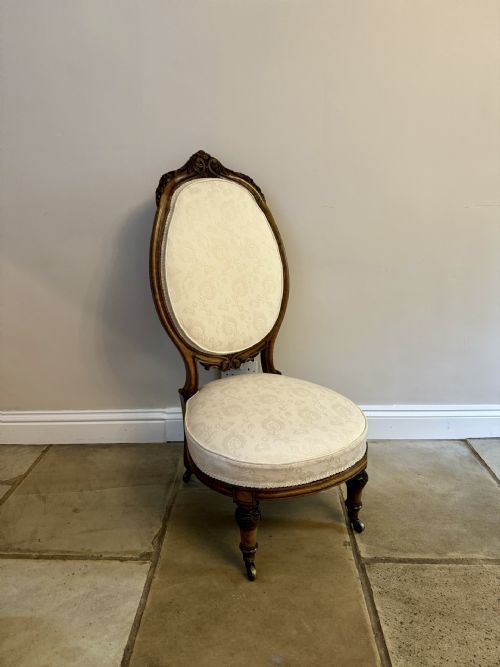
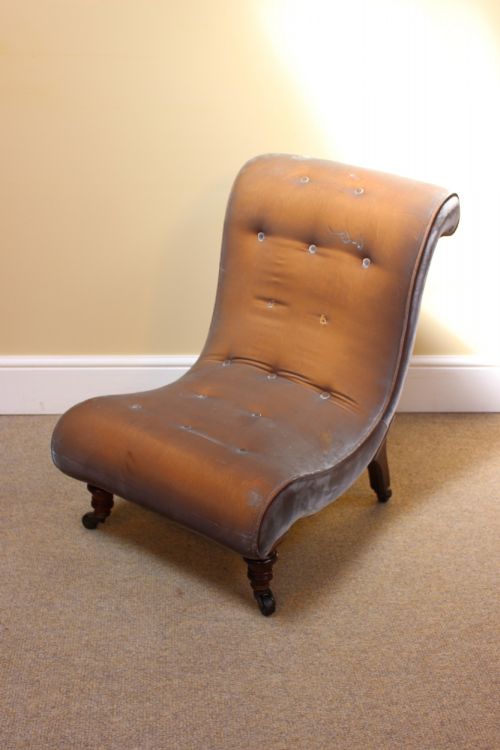
A low seated accent chair is a short, upholstered form designed for easy lounging, drawing rooms and bedrooms.
Low Seated Accent Chair
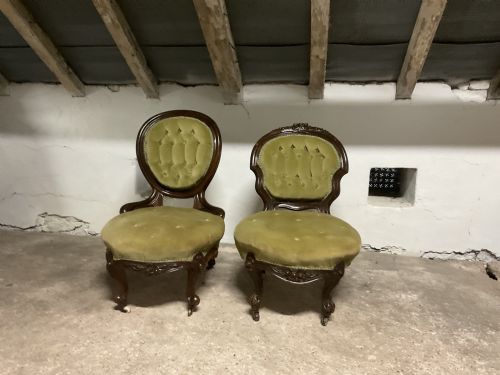
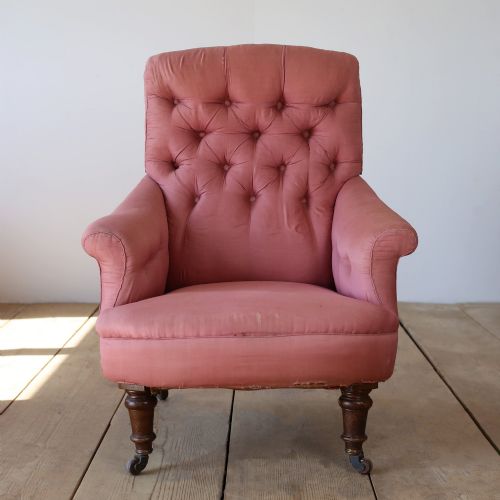
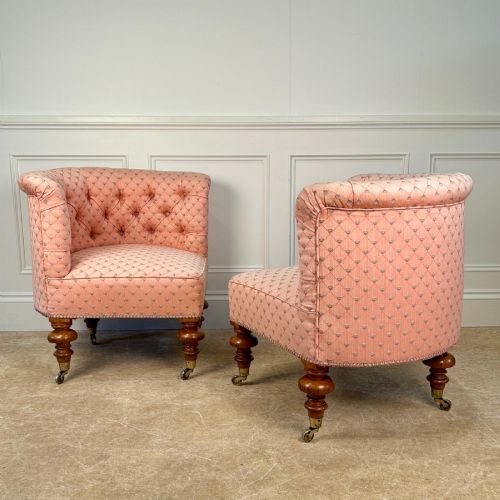
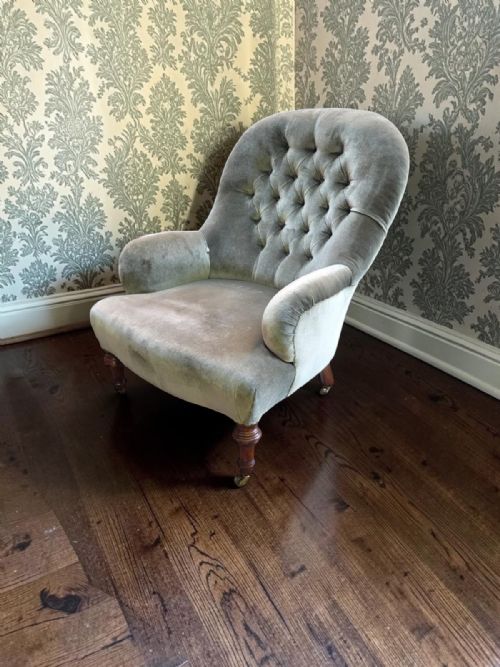
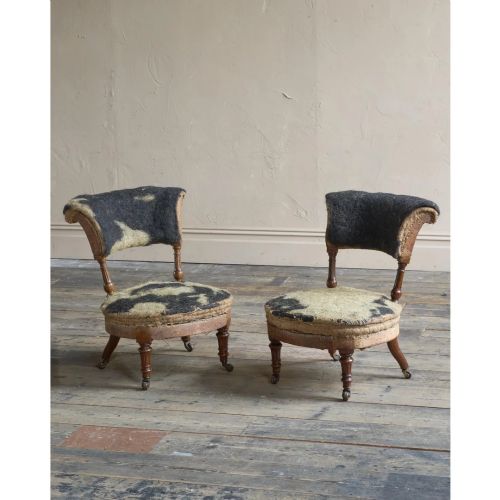
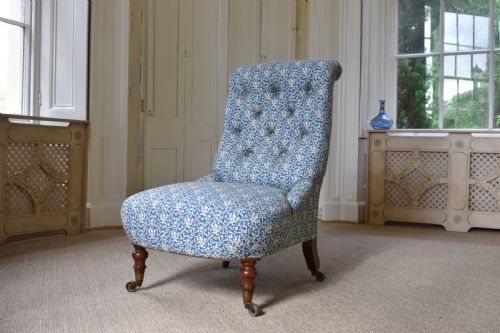
A low seated accent chair gathers various forms designed with a depressed seat, commonly met in nursing chairs, slipper chairs, and low salon chairs from the nineteenth century. These pieces sit close to the floor, built for private chambers, drawing rooms and bedrooms where comfort and modest proportions matter.
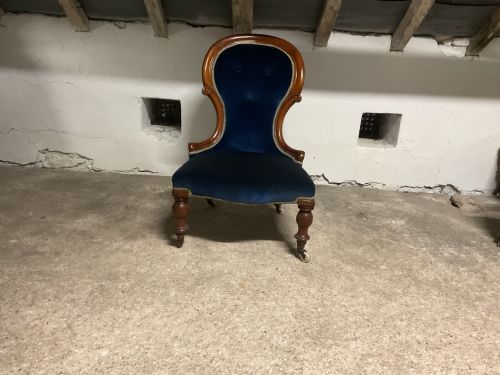
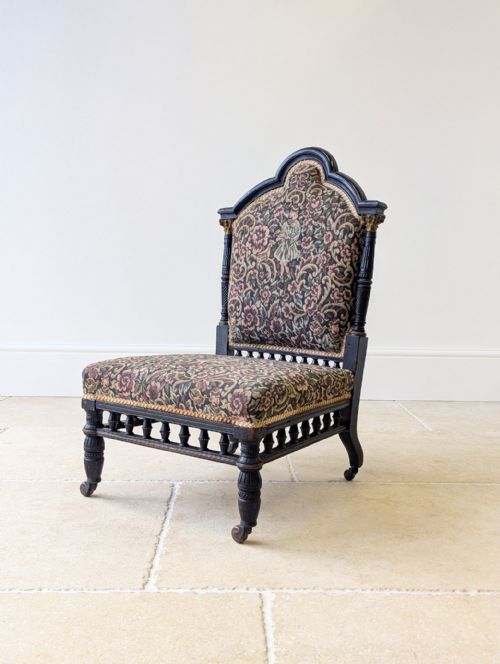
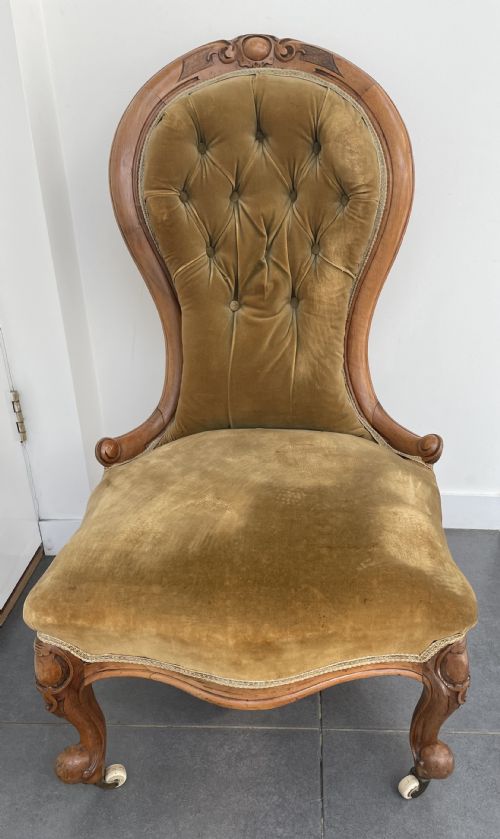
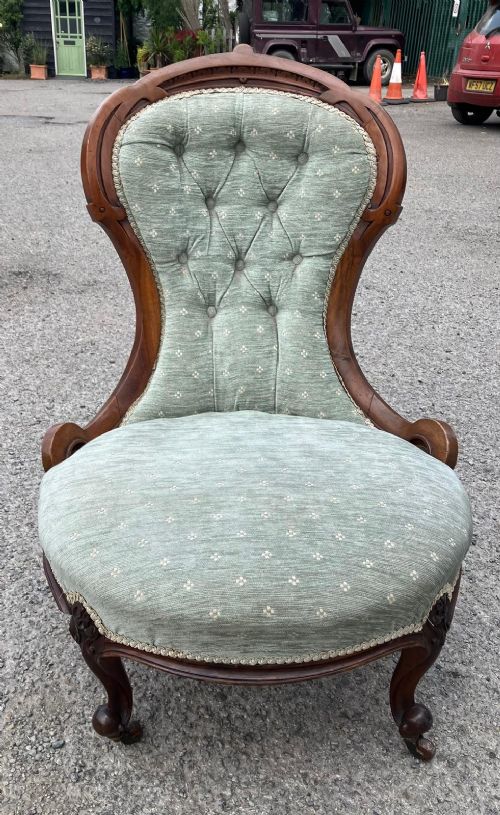
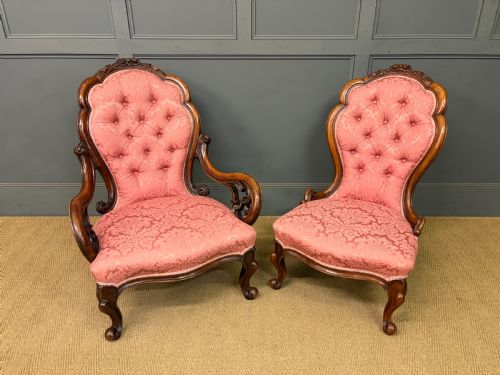
The Victorian period yields the highest concentration of examples, often framed in walnut, mahogany, or ebonised wood with button-backed upholstery. Makers from the Arts and Crafts and Aesthetic Movement periods also contributed lower-slung seating utilising rush, oak, and carved detailing.
Buyers encounter variations ranging from simple mahogany nursing chairs to elaborate Napoleon III giltwood frames and deep-seated slipper chairs. Each type serves the distinct purpose of providing relaxed, upright or low-slung seating suited to historic interiors.
Materials and construction methods
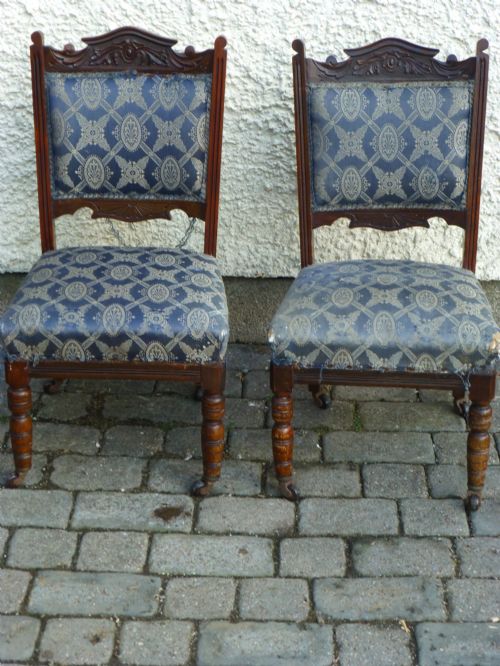
Cabinetmakers constructed the frames of these chairs using hardwoods such as walnut, mahogany, oak, ash, and elm, sometimes applying ebonisation, gilding, or brass mounts for decorative effect. Frames frequently feature carved walnut, turned bobbin legs, or exposed wood shaping around spoon-backs and open arms.
Upholstery techniques relied on button backing, deep springing, and padding finished in velvet, fabric, fringe, or rush seating. Joinery and frame integrity depended on traditional mortise and tenon methods combined with sturdy turnings for low corner and bedroom chairs.
Low Seated Accent Chair Retail Price Guide 2026
Typical asking prices for low seated accent chair among the pieces listed under this phrase on Sellingantiques today, from the lower quarter to the upper quarter. They describe what is for sale here now, not the wider market.
Measures of quality in low seating
Quality rests in the precision of the timber carving, the crispness of turned members like bobbin legs, and the structural density of woods such as solid walnut or mahogany. Superior examples display balanced proportions, fine joinery, and retaining original show-wood frames without excessive alterations.
The execution of the upholstery foundation also defines better specimens, evident in tight buttoning, supportive springing, and the selection of quality secondary woods like oak or ash in hidden frame components.
Liberty Morris And Co·Howard And Sons·Hampton And Sons·Gillows·Hindley And Sons
The Low Seated Accent Chair Glossary
- Nursing chair
- A low-seated chair traditionally designed for nursing infants, characterised by a short stature and often a spoon-back. These pieces sit comfortably close to the floor.
- Slipper chair
- An upholstered chair with a very low seat, originally used in bedrooms for putting on shoes or stockings. They typically feature no arms and a compact frame.
- Button back
- An upholstery style where depressions are formed in the padding by pulling buttons deep into the stuffing. This technique creates a tufted, geometric pattern across the backrest.
- Ebonised
- Wood treated with a dark finish to imitate ebony. This treatment was particularly popular in nineteenth-century aesthetic and salon furniture.
- Bobbin framing
- Furniture turned on a lathe to resemble a string of bobbins or spools. It creates a distinctive decorative structural pattern along legs and stretchers.
Low Seated Accent Chair: Frequently Asked Questions
Where were low seated accent chairs used historically?
These chairs were primarily placed in bedrooms, dressing rooms, and private drawing rooms for tasks requiring a lower seating position.
Their compact scale allowed them to fit easily into smaller chambers and intimate sitting areas.
How do I identify a Victorian nursing chair?
Victorian nursing chairs typically feature a low walnut or mahogany frame, a spoon-shaped back, and button upholstery.
They sit much closer to the ground than standard dining or parlor chairs.
What is the difference between a slipper chair and a nursing chair?
Slipper chairs are generally armless and very low to the ground, originally designed for dressing.
Nursing chairs often incorporate low arms or a supportive backrest tailored for holding infants.
Can I use these chairs in modern living spaces?
Their modest proportions make them versatile accent pieces for modern corners, bedrooms, and sitting rooms.
They pair well with contemporary interiors while adding historic character.