

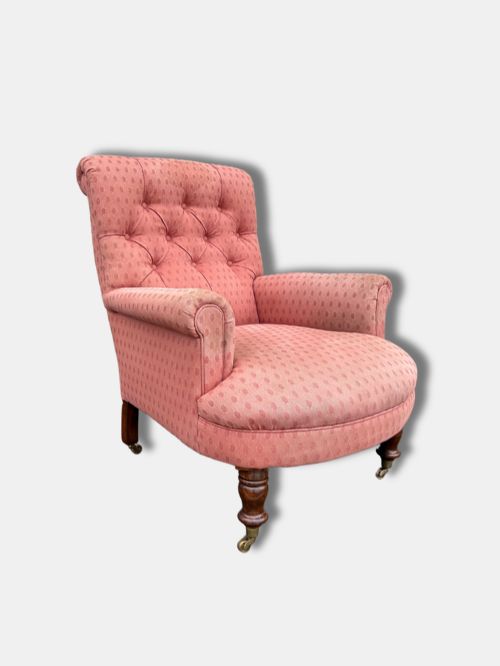
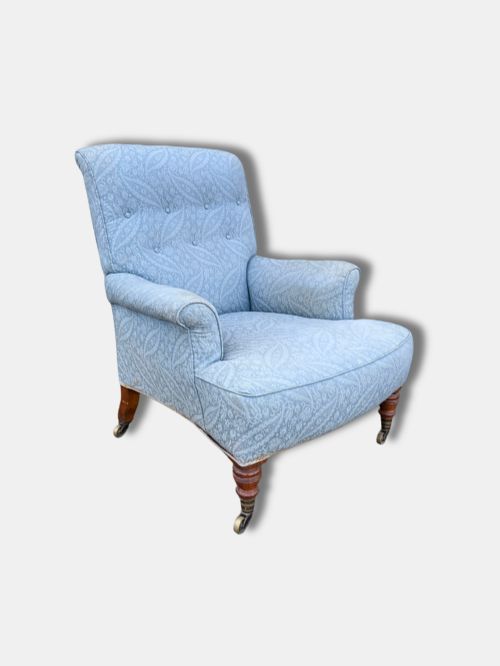
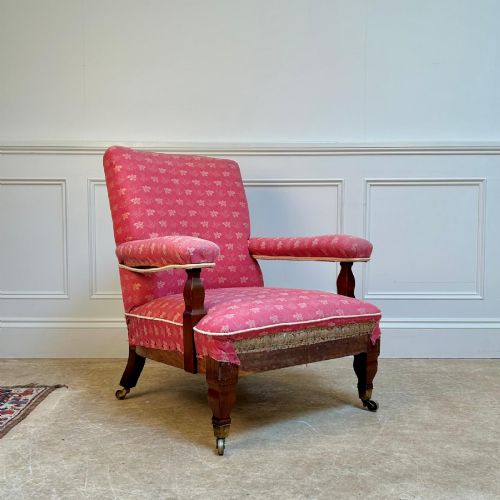
19th Century Lounge Chair
A 19th century lounge chair offers deep seating and period craftsmanship, bringing historic comfort and distinctive stylistic presence to a room.
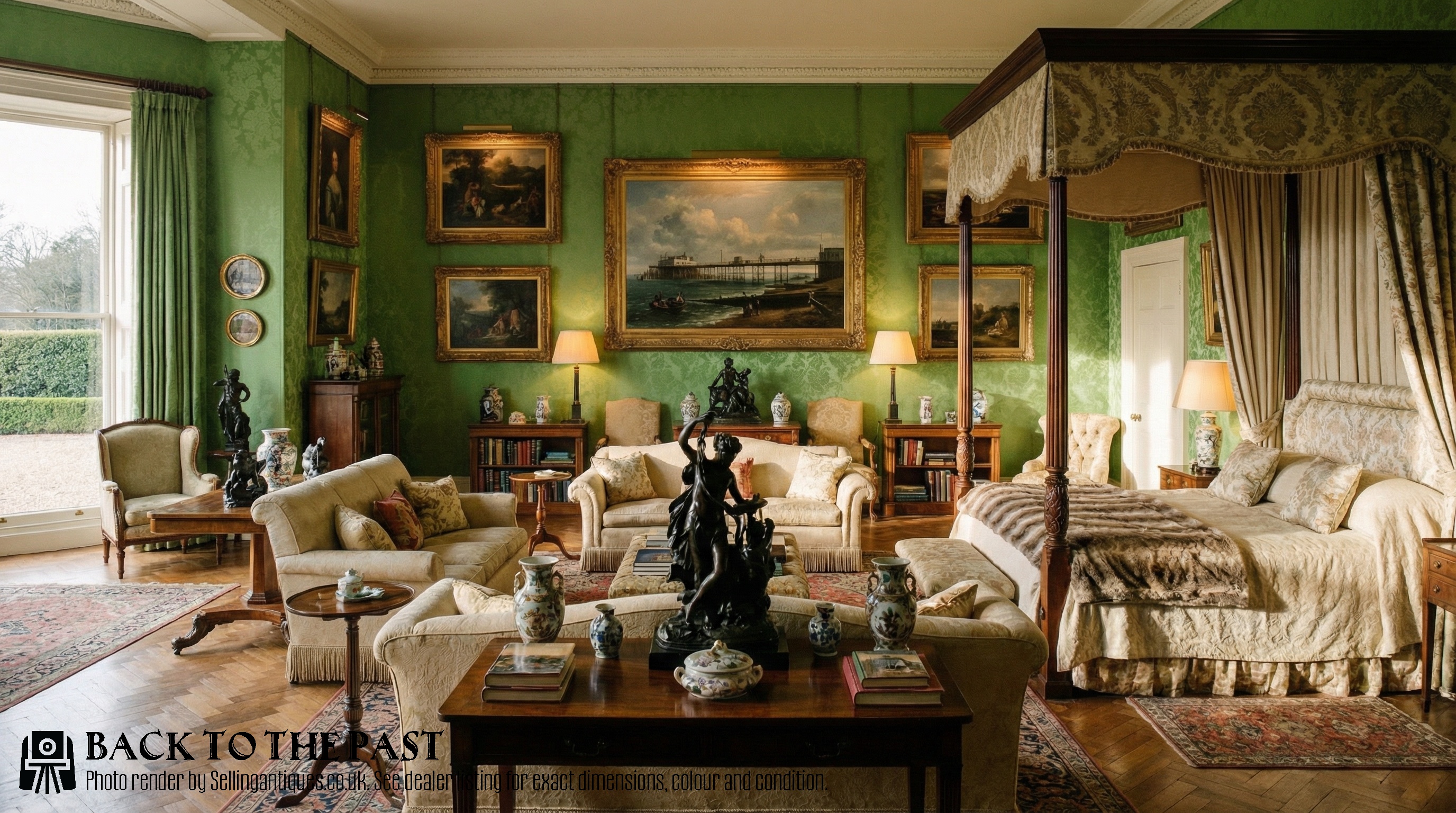
19th Century Lounge Chair
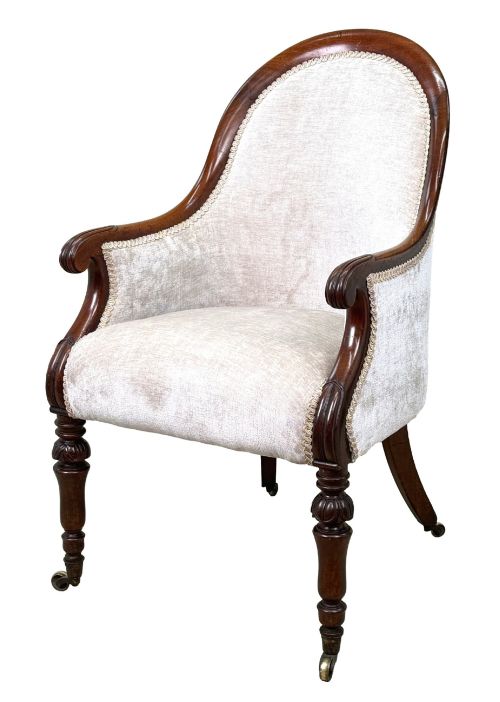
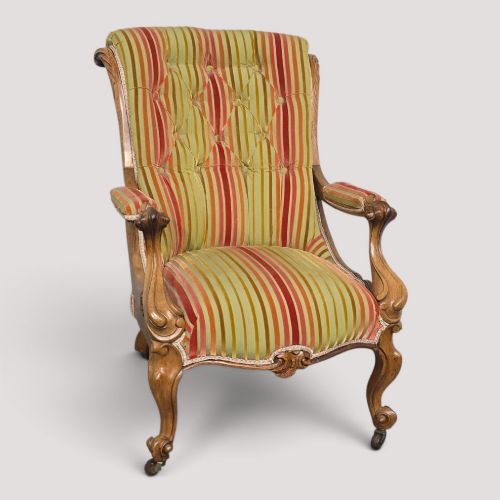
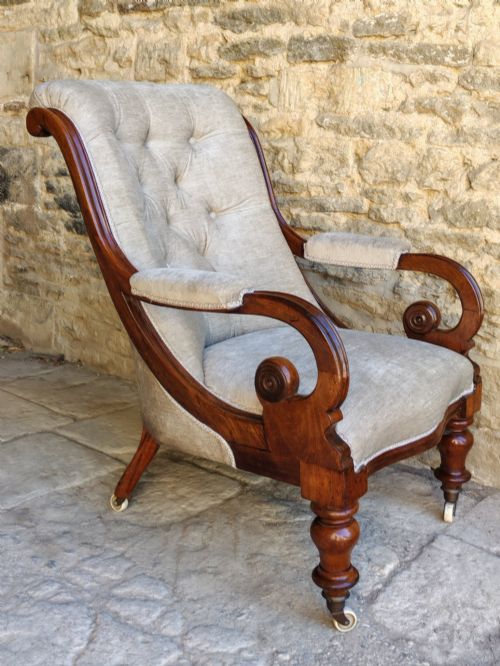
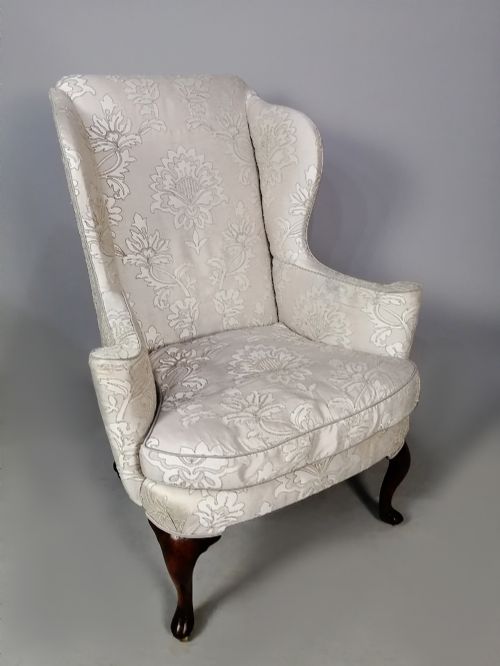
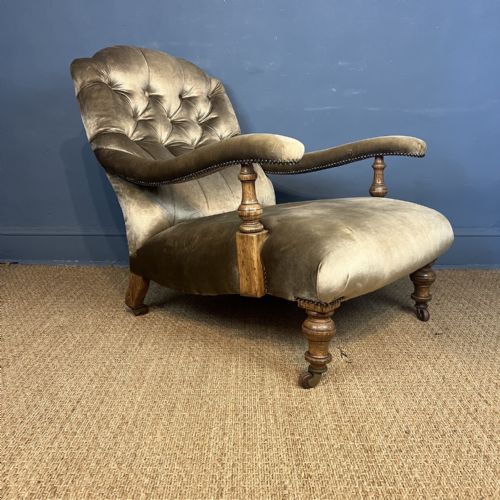
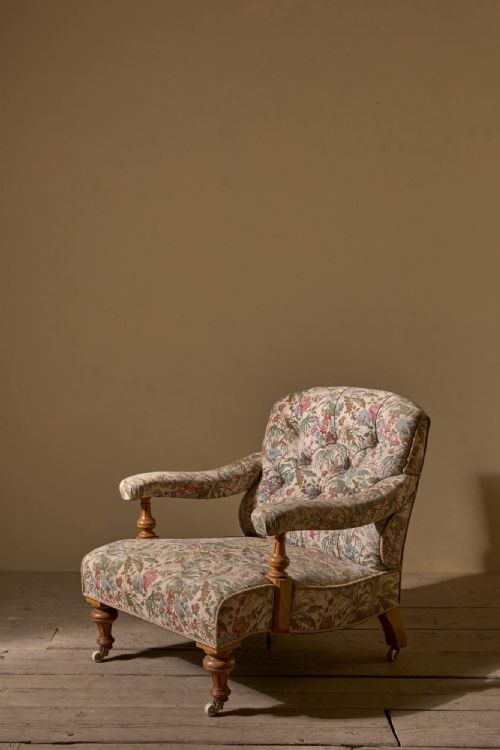
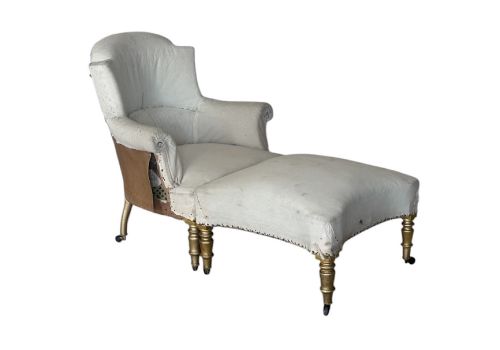
When you search for a 19th century lounge chair, you encounter a varied assortment of seating designed for relaxation, including library armchairs, wing armchairs, daybeds, and chaise longues. These forms originate from English country houses, Victorian parlours, and French salons, reflecting the diverse domestic habits of the period.
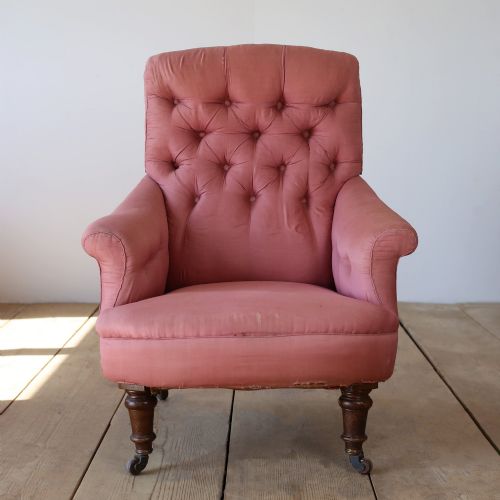
The versions you are most likely to meet on this page span several distinct sub-types such as low slipper chairs, nursing chairs, and larger open armchairs. Woods like mahogany, walnut, rosewood, and oak form the structural foundations, often paired with extensive upholstery.
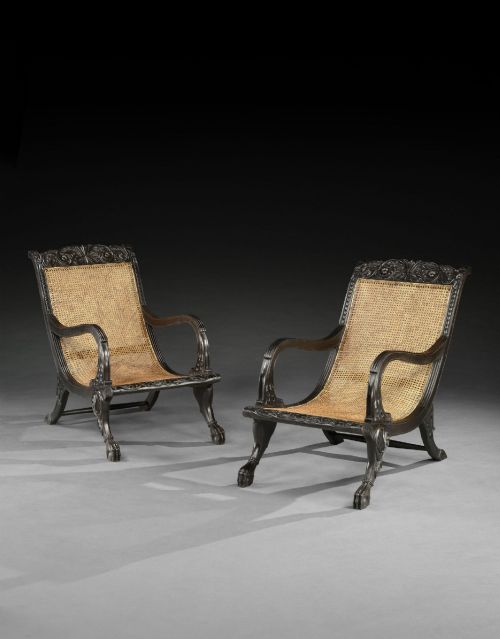
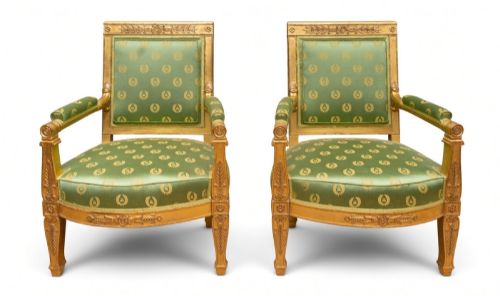
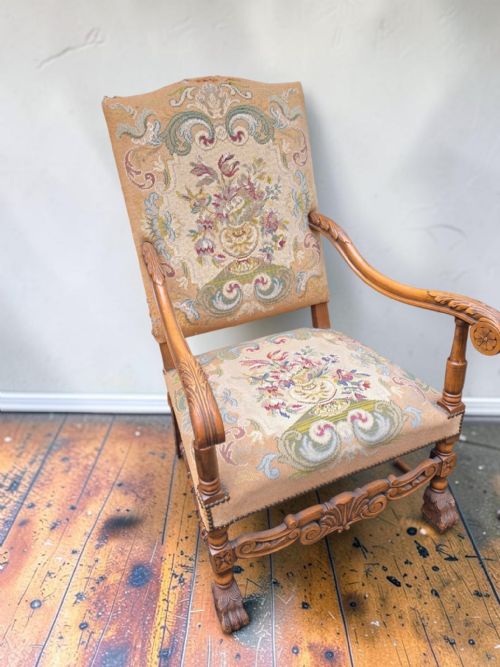
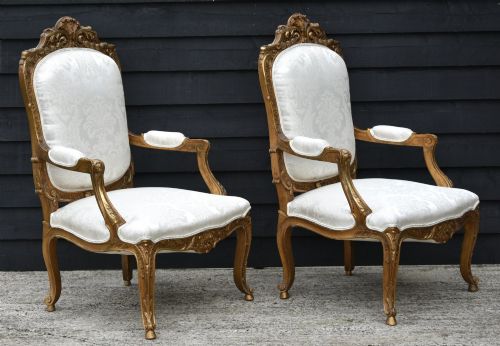
Stylistic influences range from straightforward English Victorian and Regency designs to ornate French Napoleon III, Restauration, and Renaissance Revival pieces. Anglo-Indian and colonial forms in ebony or solid woods also appear, broadening the geographical scope of seating available.
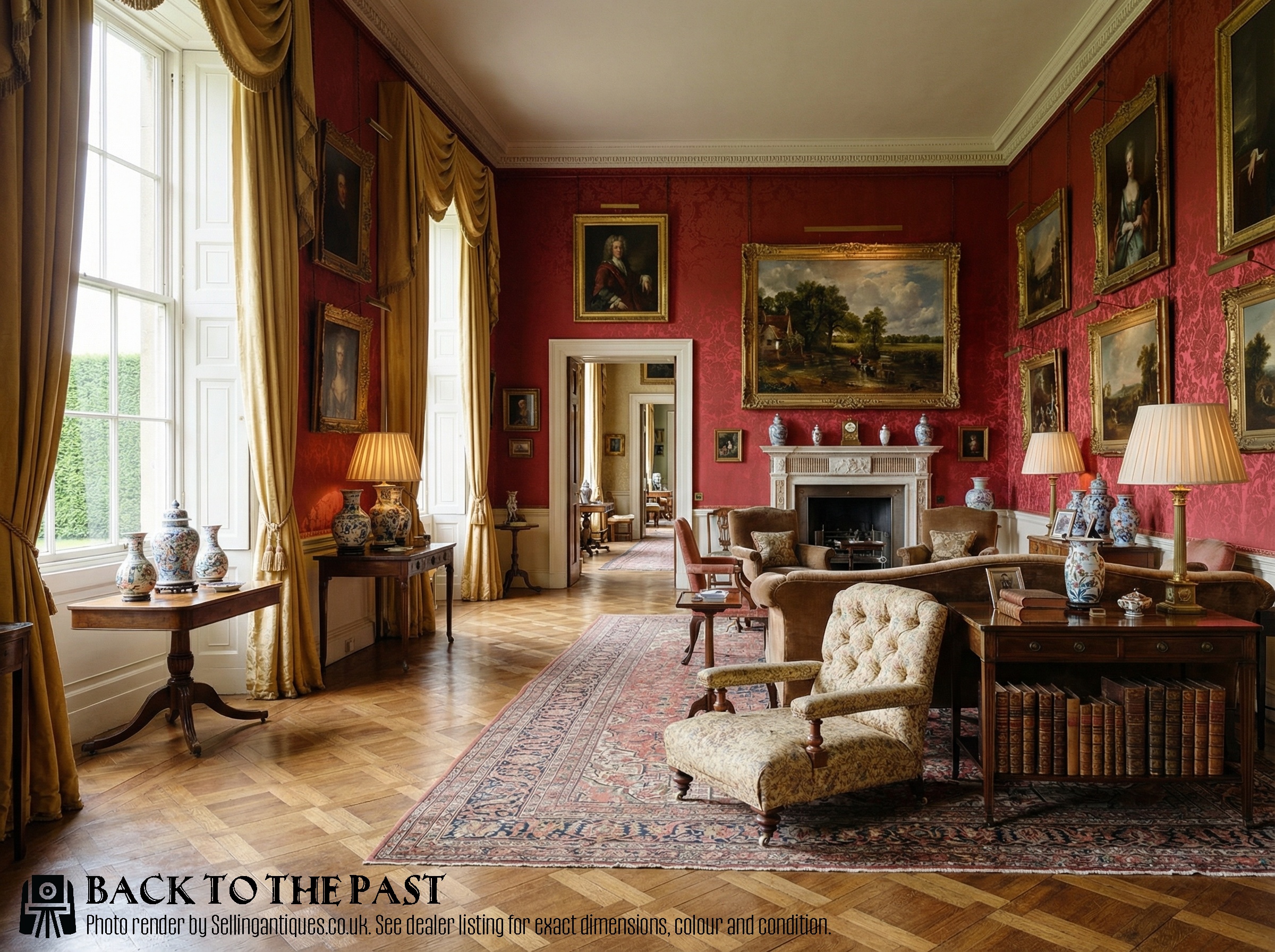
How they were made
Cabinetmakers constructed the frames of these chairs from dense hardwoods such as mahogany, walnut, oak, and rosewood, utilising traditional joinery to ensure long-term stability. Turned or carved wooden components, alongside giltwood and painted finishes, define the visible framework of the seat.
Upholstered versions relied on foundational materials like hessian, calico, and webbing to support deep stuffing before finishing with decorative outer textiles. Fabrics such as velvet, tapestry, leather, and fabric coverings were secured with meticulous attention to detail, sometimes incorporating button-backed techniques or brass detailing.
19th Century Lounge Chair Retail Price Guide 2026
Typical asking prices for 19th century lounge chair among the pieces listed under this phrase on Sellingantiques today, from the lower quarter to the upper quarter. They describe what is for sale here now, not the wider market.
Listings feature woods including mahogany, walnut, oak, rosewood, and ebony across multiple nineteenth-century styles.
What varies in quality
The distinction between ordinary and exceptional examples rests in the crispness of the timber carving and the integrity of the underlying frame construction. Finer pieces demonstrate superior joinery, substantial timber selection, and well-balanced proportions that support the sitter correctly.
Upholstery execution and the preservation of original materials heavily influence the standing of an individual chair. Pieces retaining their early coverings, authentic brass fittings, or documented workshop provenance command greater attention from collectors.
Jacob-Desmalter·Howard & Sons·George Jack For Morris & Co·Gillows·Hindley & Sons
The 19th Century Lounge Chair Glossary
- Bergère
- An enclosed upholstered armchair with wooden sides and a padded back, typically featuring a cane or upholstered panel. This French form offers a deep and comfortable seat.
- Chaise Longue
- An elongated upholstered chair designed for reclining, combining the functions of a chair and a daybed. It often appears in French and Victorian drawing rooms.
- Tub Library Armchair
- A compact seating form with a continuous curved back and arms that wrap around the sitter. These chairs were intended for long hours of reading in private studies.
- Wing Armchair
- A tall upholstered chair featuring protective side panels attached to the back to deflect drafts. Walnut and mahogany frames dominate this traditional English form.
- Restauration
- A French design period bridging the early nineteenth century, noted for architectural lines and restrained classical ornamentation before the heavier Victorian styles emerged.
19th Century Lounge Chair: Frequently Asked Questions
How do I identify a French lounge chair?
French examples from this era, such as Napoleon III or Restauration pieces, frequently display giltwood finishes, carved cabriole legs, or exposed polished frames with decorative mouldings. They emphasise elegant curves and ornamental detailing.
Unlike their English counterparts, these chairs often lean towards decorative reception furniture or dedicated daybeds like the duchesse brisée.
Were these chairs used in bedrooms?
Specific smaller forms like slipper chairs and nursing chairs were indeed designed for private chambers, sitting lower to the floor to accommodate domestic tasks of the period. Their compact dimensions suited smaller dressing rooms.
Larger library armchairs and chaise longues remained in public rooms, intended for extended reading and daytime rest.
How should I care for antique upholstery?
Maintaining antique upholstery requires gentle vacuuming with a soft brush attachment and protection from direct sunlight to prevent textile fading. Professional conservation helps preserve fragile original fabrics and internal stuffing.
Wooden frames benefit from occasional dusting with a dry cloth, avoiding harsh chemical polishes that can degrade nineteenth-century finishes.