
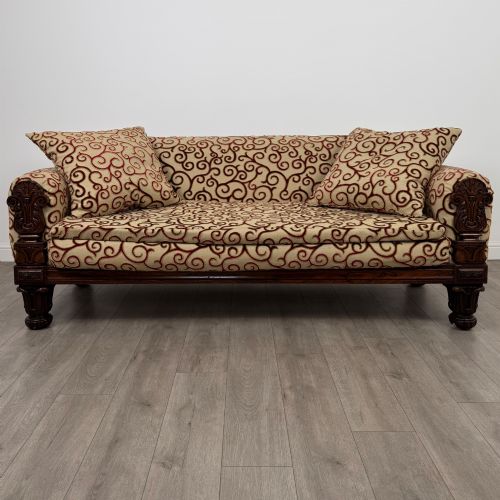
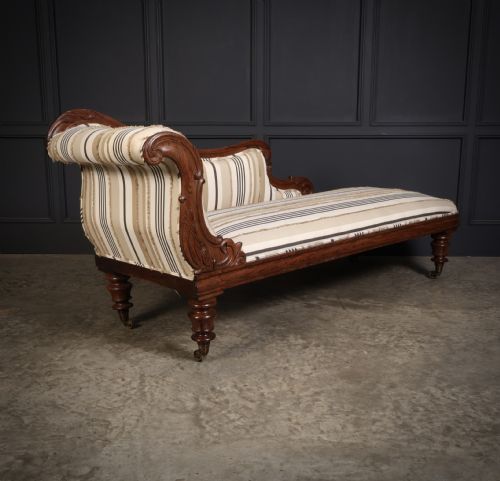


Carved Wood Daybed
These carved wood daybed examples combine carved wooden frames with upholstered or caned surfaces across Victorian, Edwardian, and earlier periods.
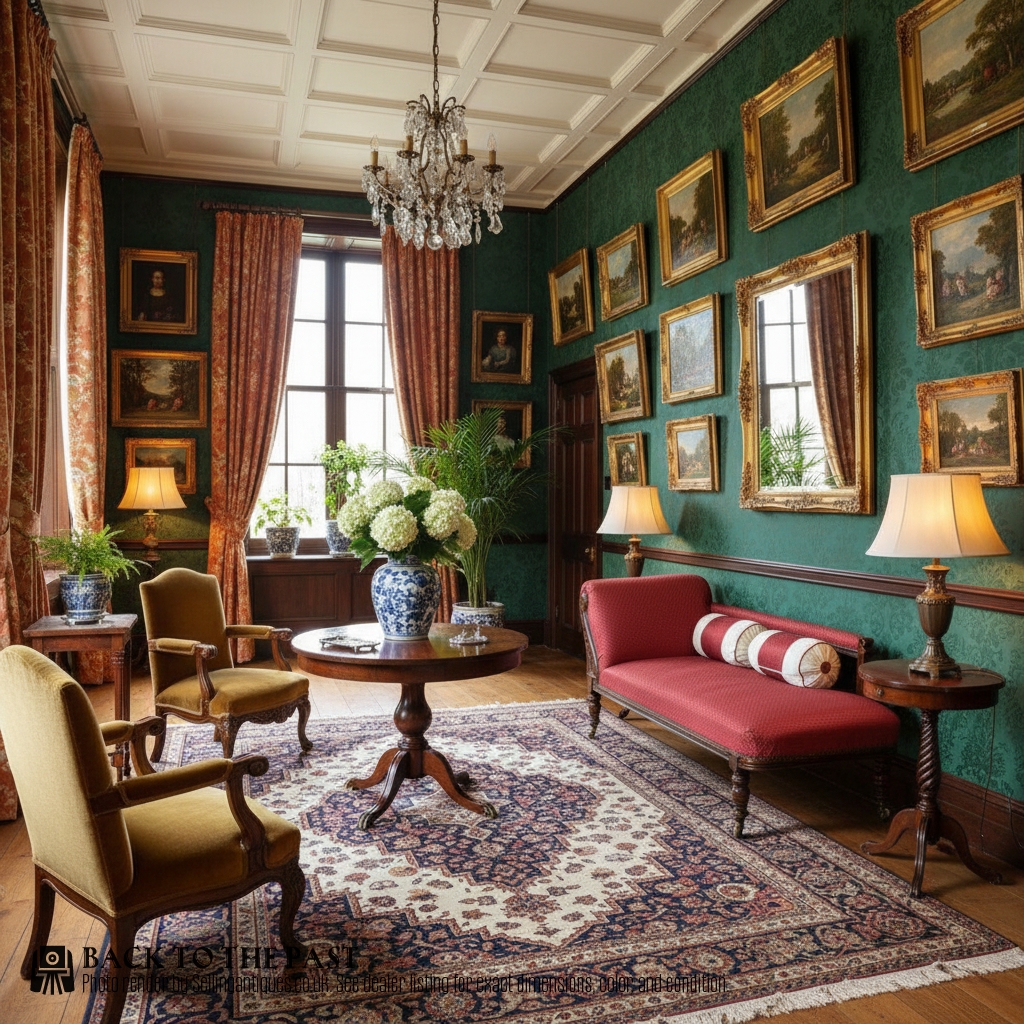
What They Are
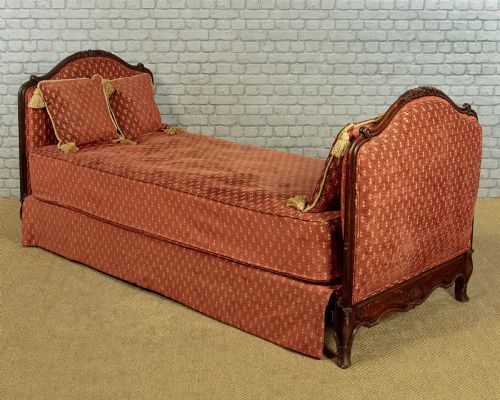
A carved wood daybed combines the function of a sofa and a bed, offering a formal yet restful seat for daytime reclining. You encounter forms ranging from Victorian mahogany and walnut frames to Edwardian oak versions.
Makers historically supplied these items for principal rooms, utilising rich timbers and decorative textile coverings. Surviving pieces demonstrate the evolution of domestic lounging furniture across multiple decades.
How They Were Made
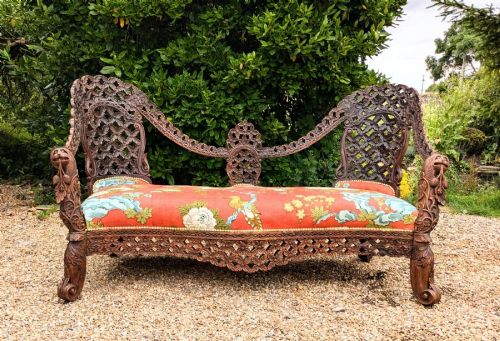
Carpenters constructed the primary structures from solid hardwoods including mahogany, walnut, and oak, often applying detailed hand-carving to the wooden frames. Gilding appears on specific continental interpretations alongside natural wood finishes.
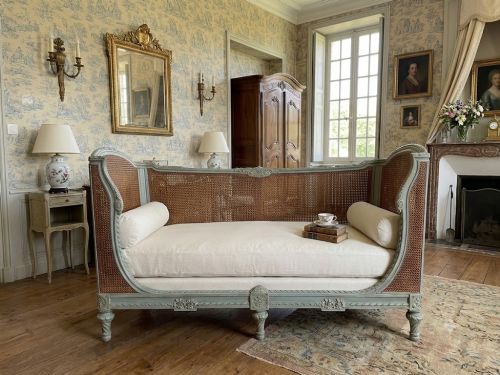
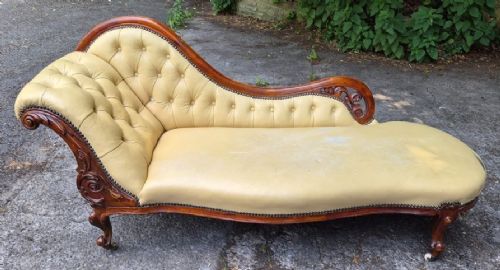
Upholstery techniques utilise diverse materials such as leather, fabric, textile, and brass details to secure coverings. Caning provides an alternative rigid yet decorative surface on selected French-style frames.
Retail Price Guide 2026
Typical UK retail prices for carved wood daybed, calculated from the Sellingantiques database of over a million retail prices indexed since 2003. This retail price guide relies exclusively on Sellingantiques data; no external sources or auction records are used, so the figures do not describe the wider market.
What Varies in Quality
Quality rests upon the crispness of the hand-carving and the structural integrity of the hardwood frame. Superior examples display balanced proportions and refined joinery that withstands centuries of use.
The choice of primary timber and the sophistication of the upholstery materials define the standing of each piece. Retaining original structural elements elevates an item above later alterations.
Morel and Hughes
The Carved Wood Daybed Glossary
- Caning
- Woven rattan or similar material stretched across a wooden frame to form a seat or back panel. This technique lightens the visual weight of heavy wooden furniture.
- Giltwood
- Timber coated with a thin layer of gold leaf or powder. This finish was favoured for formal reception rooms during the eighteenth and nineteenth centuries.
- Mahogany
- A durable tropical hardwood prized for its deep reddish-brown colour and fine grain. Cabinet makers utilised it extensively throughout the Victorian era.
Frequently Asked Questions
How do I identify a Victorian daybed?
Victorian daybeds typically feature dark hardwoods such as mahogany and walnut with substantial carved detailing. They often take the form of a chaise longue with an asymmetric backrest.
Makers of this period focused on robust construction and rich textile coverings. The aesthetic aligns with nineteenth-century interior design conventions.
Where were daybeds placed originally?
Original placements included drawing rooms, boudoirs, and grand reception spaces where residents relaxed during daytime hours. They provided comfortable resting spots without requiring occupants to retire to a bedroom.
Certain high-status pieces were commissioned specifically for stately homes. Their decorative backs meant they could sit away from walls to be viewed from multiple angles.
How do I care for antique upholstery?
Caring for antique upholstery requires gentle vacuuming with a soft attachment to remove surface dust. Keep the fabric away from direct sunlight to prevent fading of the textile.
Professional cleaning is advisable for delicate fabrics and historical stuffing materials. Regular dusting of the wooden frame preserves the finish.