
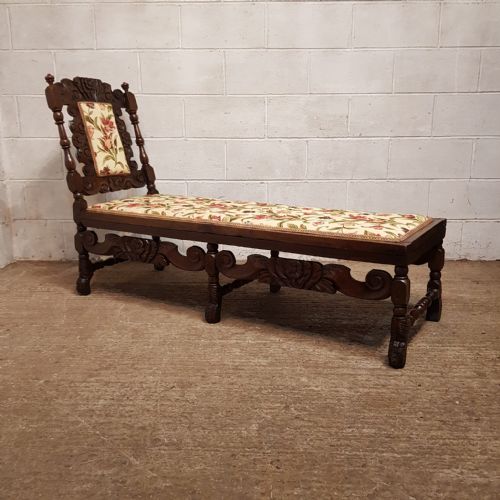


Edwardian Chaise Longue
An edwardian chaise longue offers reclining comfort for the drawing room, combining practical seating with elegant nineteenth and early twentieth century form.
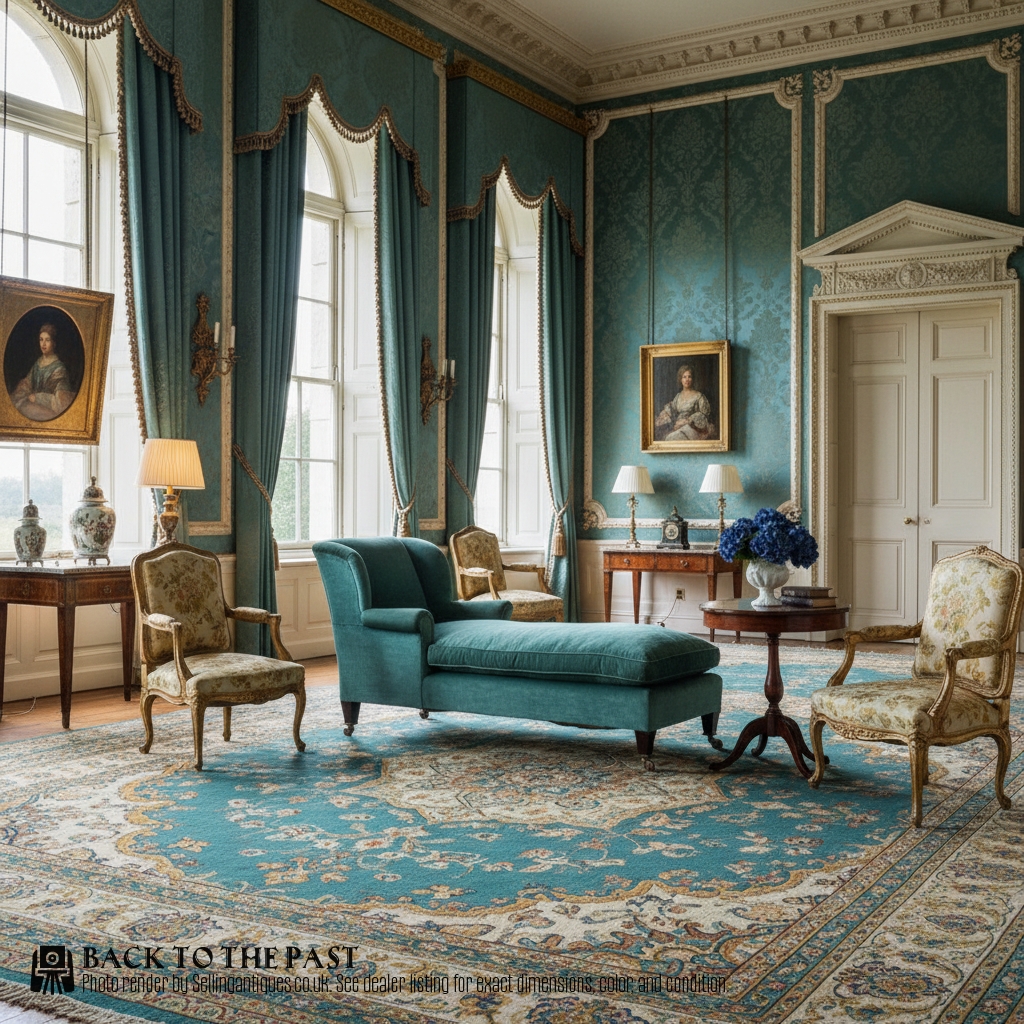
Form and Period
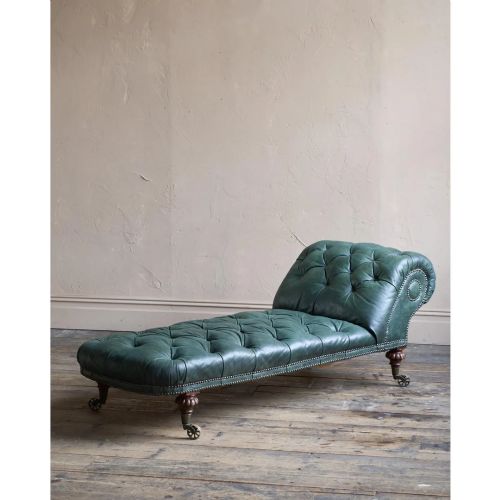
The edwardian chaise longue sits comfortably in the drawing room or boudoir, offering a half-reclining seat for daytime rest. Most examples on this page date from the Edwardian period or the late nineteenth century, spanning into the early 1900s.
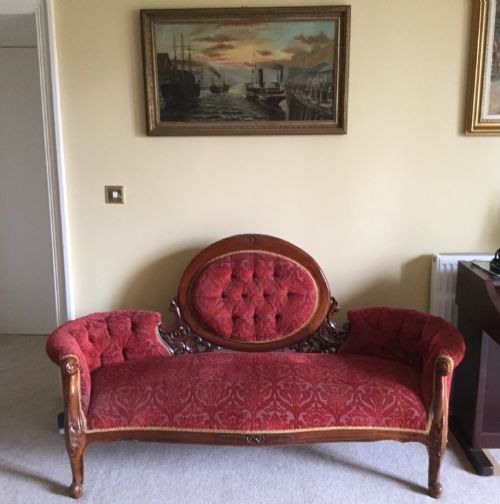
Forms vary from single-ended day beds to double-end settees and rail-back designs, sometimes accompanied by matching armchairs. Makers utilised solid timber frames to construct small sofas and metamorphic bed variants designed for versatile household use.
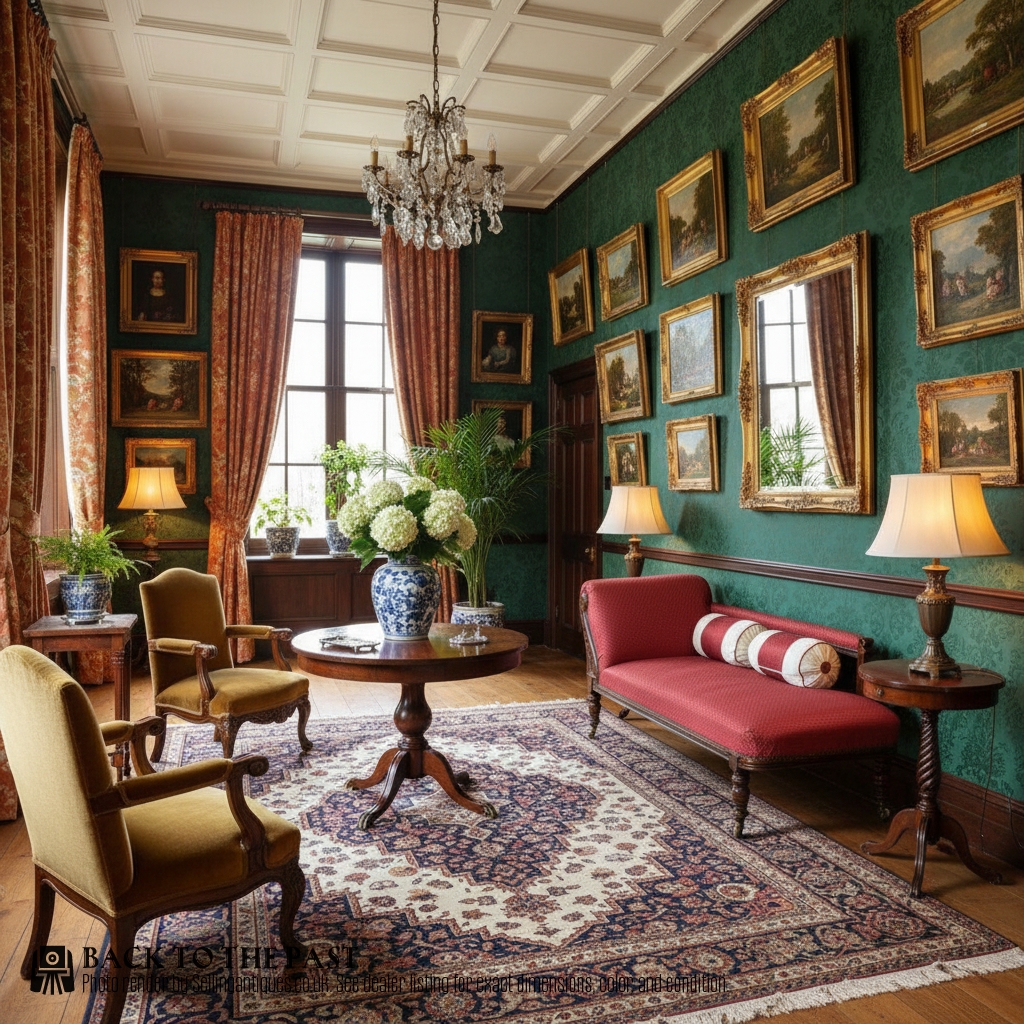
Materials and Framing
Frames rely on sturdy timbers including mahogany, walnut, oak, beech, and rosewood, often enhanced with boxwood inlay or carved wooden detailing. Brass castors frequently support the legs for ease of movement across carpeted or wooden floors.
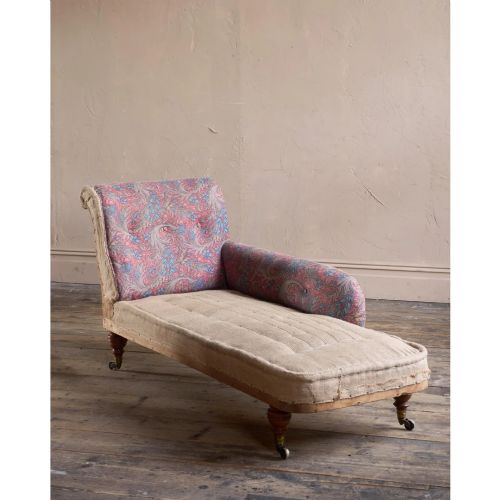
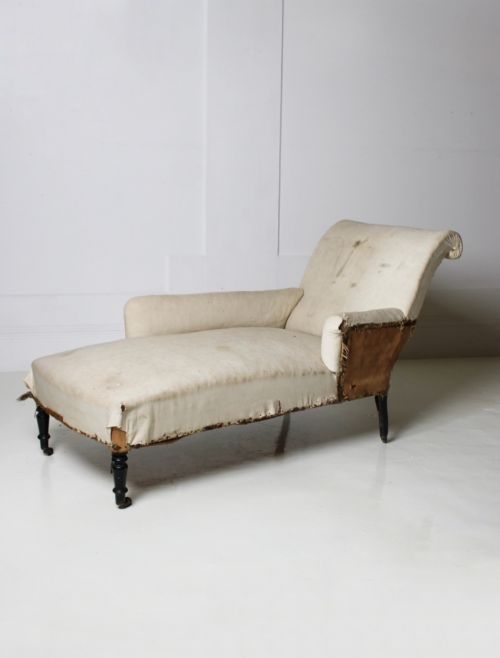
Upholstery techniques involve hessian foundations supporting textile and velvet coverings. Frames range from solid oak construction to exposed mahogany structures ready for renewed fabric or historic restoration.
Retail Price Guide 2026
Typical UK retail prices for edwardian chaise longue, calculated from the Sellingantiques database of over a million retail prices indexed since 2003. This retail price guide relies exclusively on Sellingantiques data; no external sources or auction records are used, so the figures do not describe the wider market.
Some models feature clever metamorphic rail-backs, proving that Edwardian afternoon lounging required occasional engineering.
Design and Execution
The standard of timber selection and inlay work separates simpler pieces from finer workshop productions. Finely turned legs, boxwood stringing, and detailed carved walnut influence the visual weight and elegance of the day bed.
Frame integrity and original proportions dictate the character of each settee. Pieces with retained maker stamps, metamorphic actions, or matching armchairs represent higher tiers of craftsmanship.
Howard and Sons·William Birch·Hampton and Sons
The Edwardian Chaise Longue Glossary
- Chaise Longue
- A long upholstered chair or day bed allowing the sitter to recline with legs extended. This form serves as a hybrid between a sofa and a single chair.
- Double End
- A settee design featuring raised headrests at both ends or a symmetrical scroll back. This configuration permits reclining from either direction.
- Metamorphic
- Furniture engineered to transform its function, such as a rail-back seat converting into a bed. These pieces utilise clever mechanical joints hidden within the timber frame.
- Inlay
- A decorative technique where contrasting woods like boxwood are set into the primary timber surface, such as mahogany, to create geometric or floral patterns.
- Rail-back
- A wooden spindle or railed backrest running along one side of the day bed. This design provides structural support while keeping the profile light.
Frequently Asked Questions
How do I style an edwardian chaise longue?
Place the piece at an angle in a spacious drawing room or bedroom to highlight its asymmetric or double-ended silhouette. Pair it with complementary armchairs or position it near a light source for reading.
Allow sufficient floor space around the day bed so the wooden frame and castors remain visible. Keep surrounding furniture low to let the sweeping backrest act as a focal point.
Were these day beds used for sleeping?
These pieces served primarily for daytime lounging, resting, or reading rather than nightly sleeping. Metamorphic variants offered temporary guest bedding through adjustable rails.
The reclining end supported the head while the long seat accommodated the torso and legs during afternoon repose.
How do I identify an Edwardian piece?
Look for lighter timbers like mahogany and walnut combined with subtle boxwood inlay or Edwardian upholstery styles. Construction dates often cluster around nineteen hundred to nineteen ten.
Compare the turned wooden legs and frame profiles against nineteenth-century precedents, noting the transition from heavier Victorian forms to refined Edwardian elegance.
What fabrics suit original upholstery?
Velvet, textured textiles, and traditional hessian-backed fabrics match the historic character of these day beds. Many examples arrive ready for re-upholstery in a fabric of your choice.
Consider the timber tone when selecting material colours to ensure the upholstery complements the polished mahogany, oak, or walnut frame.