
Antique Chaise Lounge
An antique chaise lounge offers the perfect place to recline in style, combining nineteenth-century elegance with exceptional comfort.
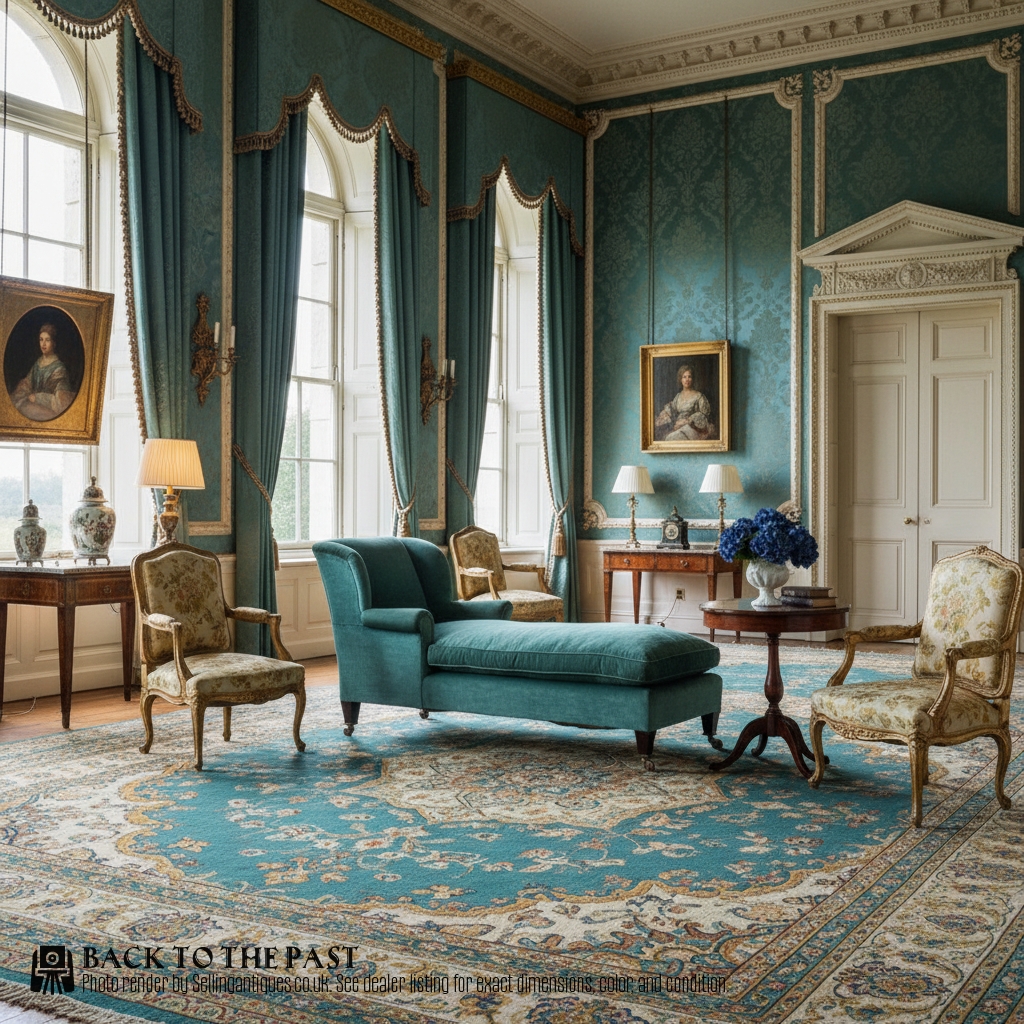
What They Are
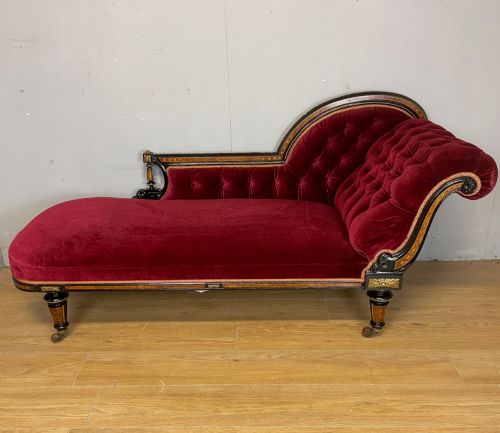
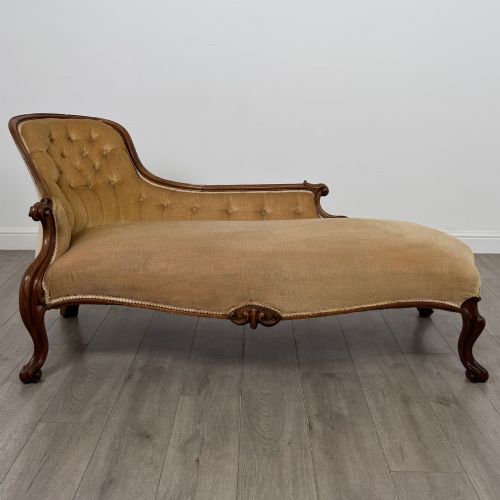
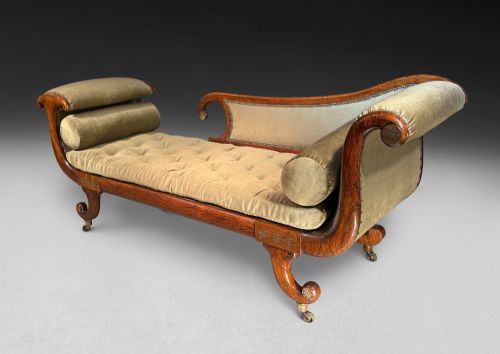
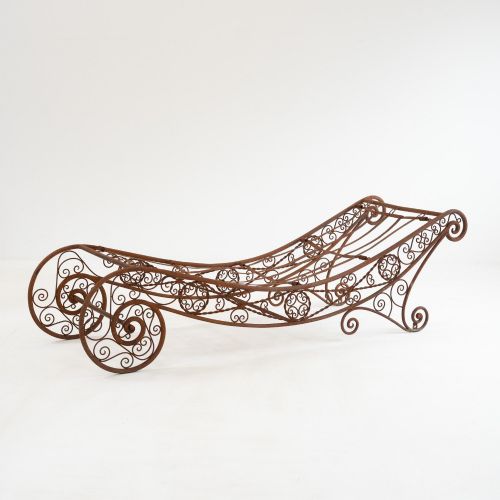
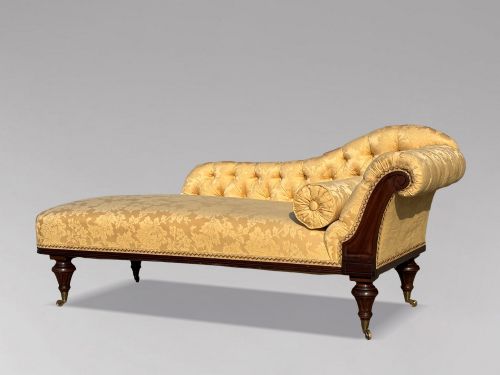
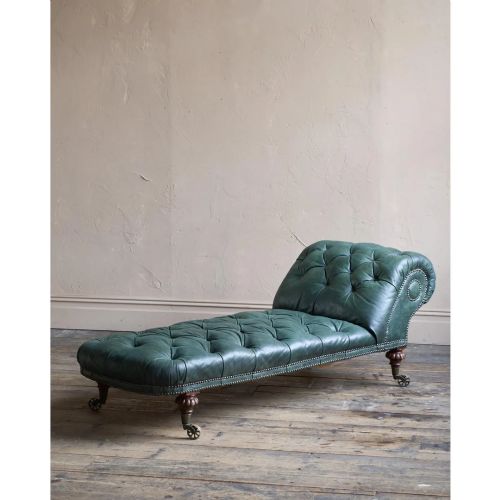
An antique chaise lounge is a form of daybed designed for recumbent seating, combining the backrest of a sofa with the extended seat of a chair. These pieces originated to provide a comfortable resting spot without retiring to a full bed, becoming a domestic staple throughout the nineteenth century.
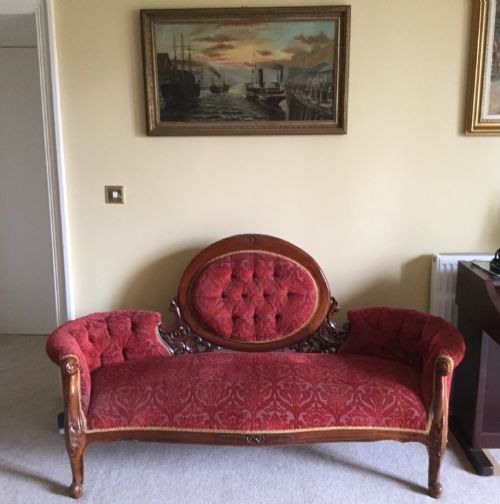
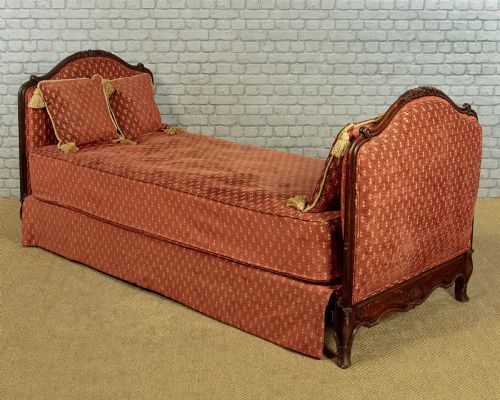
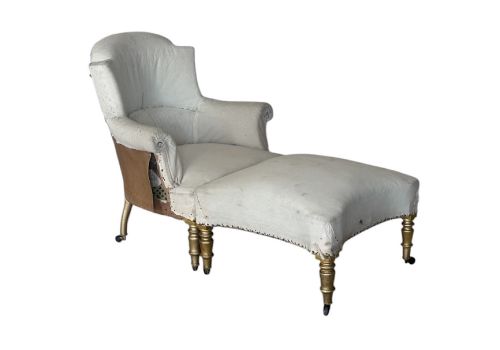
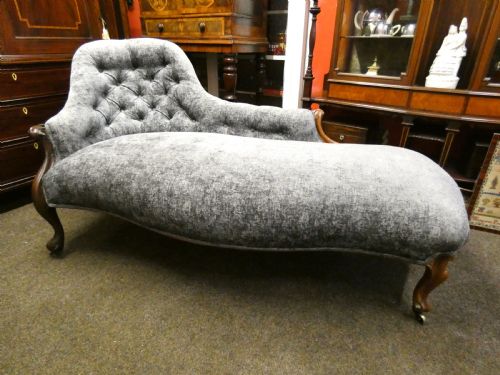
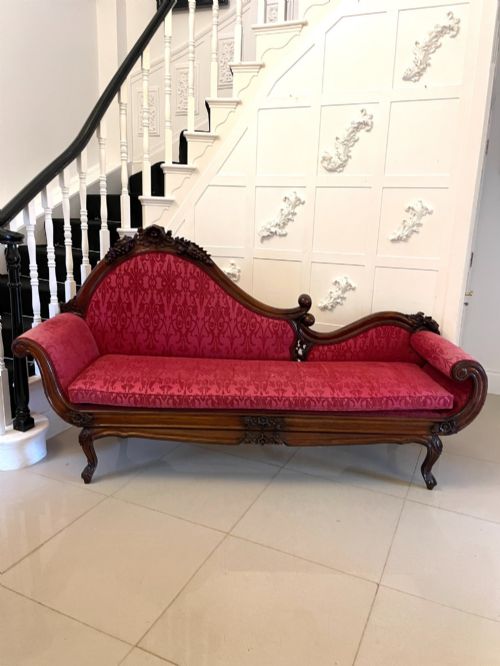
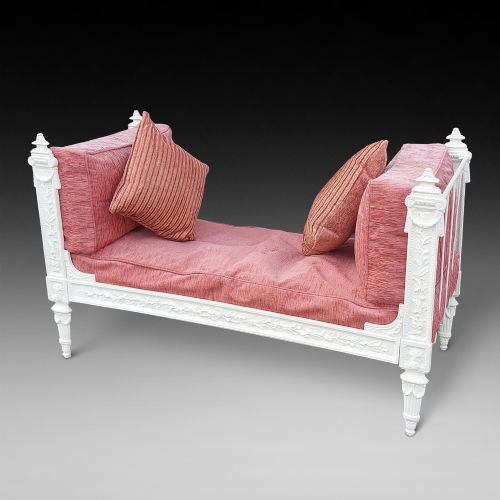
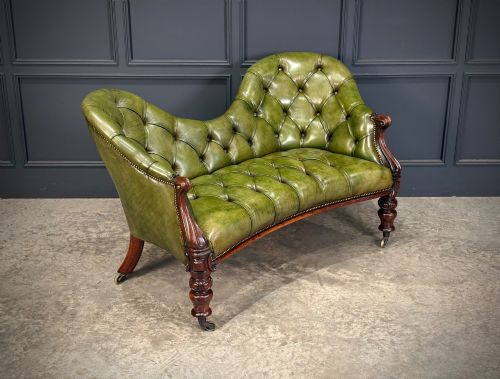
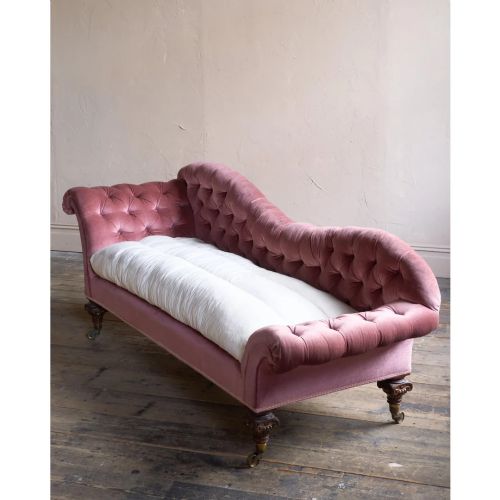
The versions met most frequently on this page belong to the Victorian period, though examples span from the Regency and William IV eras into the twentieth century. They appear in diverse forms including corner configurations, long armchairs, and traditional daybeds designed for the boudoir or drawing room.
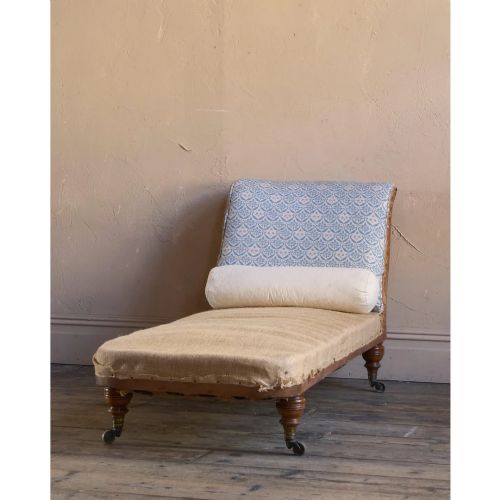
Makers and workshops utilised various regional vernaculars, producing pieces ranging from country house styles to ornate carved seating. Buyers encounter items varying from simple wooden frames to elaborate deep-buttoned upholstered designs meant for formal reception spaces.
How They Were Made
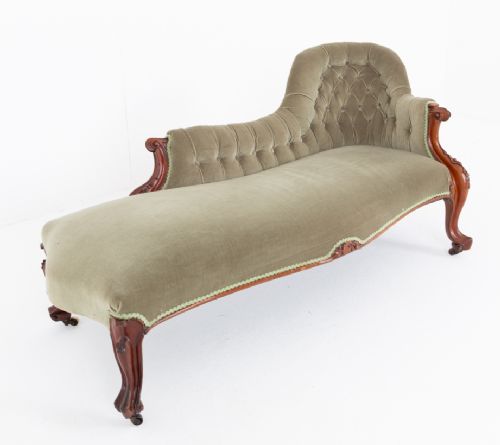
Frames rely on sturdy timbers such as mahogany, walnut, rosewood, oak, and occasionally birch, chosen for structural integrity and rich grain. Woodworkers shaped these hardwoods using traditional joinery, turning legs and carving decorative elements by hand.
Upholstery techniques involved supportive internal webbing and springs covered in textiles like velvet, damask fabric, and leather. Artisans secured these materials with careful stitching, often finishing the edges with deep buttoning or decorative brass detailing.
Retail Price Guide 2026
Typical UK retail prices for chaise lounge, calculated from the Sellingantiques database of over a million retail prices indexed since 2003. This retail price guide relies exclusively on Sellingantiques data; no external sources or auction records are used, so the figures do not describe the wider market.
Listings feature nineteenth-century and Victorian pieces constructed from mahogany, walnut, rosewood, oak, and brass.
What Varies in Quality
The distinction between standard examples and superior pieces rests in the depth of carving and the selection of timber. Finer frames exhibit crisp, detailed hand-carved ornamentation on the show wood, whilst simpler pieces rely on plain turned legs.
Upholstery choices also determine the tier of the piece, with heavy damask, supple leather, and intricate deep buttoning marking out the more ambitious commissions. The integrity of the internal wooden frame and the weight of the dense hardwoods dictate the overall longevity.
William Birch·Howard & Sons
The Antique Chaise Lounge Glossary
- Chaise lounge
- An elongated seating furniture piece designed for reclining, featuring a partial backrest. It functions as a hybrid between a chair and a sofa.
- Deep buttoning
- An upholstery method where tufts are pulled tight and secured to create a padded, diamond-patterned surface. This technique adds both texture and structural support to the padding.
- Show wood
- The exposed wooden portions of a framed seating piece that remain visible beneath or around the upholstery. It highlights the timber grain and carved details.
- Damask fabric
- A reversible figured textile woven on a jacquard loom, featuring patterns created through contrasting warp and weft threads. It provided a decorative finish for formal nineteenth-century seating.
Frequently Asked Questions
Where were chaise lounges placed?
These pieces traditionally found homes in nineteenth-century drawing rooms, boudoirs, and dressing rooms where residents relaxed during the day. They served as versatile seating for reading or receiving close visitors without disturbing the main bed.
Today, they fit well in living rooms, studies, or large hallways as statement furniture. Their elongated form works particularly well positioned alongside a window or angled in a corner.
How do I identify a Victorian chaise?
Victorian examples typically feature dark timber frames in mahogany or walnut, often displaying turned legs or carved wooden show frames. Upholstery frequently incorporates deep buttoning and rich textiles like velvet or damask.
Earlier Regency pieces often show crisper classical lines, whilst later Edwardian versions tend towards lighter woods and simpler upholstery styles. Examining the turning and timber helps distinguish the manufacturing decade.
Are these comfortable to use daily?
Nineteenth-century daybeds were built for reclining, offering a supportive slanted backrest paired with a long cushioned seat. Their ergonomics suit modern lounging, though comfort depends heavily on the condition of the internal webbing and padding.
Many surviving pieces retain supportive sprung interiors suitable for everyday relaxation. Placing them in a modern room provides a practical alternative to a standard sofa.
What woods were used for frames?
Cabinetmakers primarily utilised dense hardwoods such as mahogany and walnut throughout the nineteenth century. Rosewood and oak also appear in specific regional or stylistic commissions, offering distinct grain patterns and colour variations.
Subordinate framing timbers often included softer woods hidden beneath the upholstery. The visible show wood dictates the visual character of the piece.