
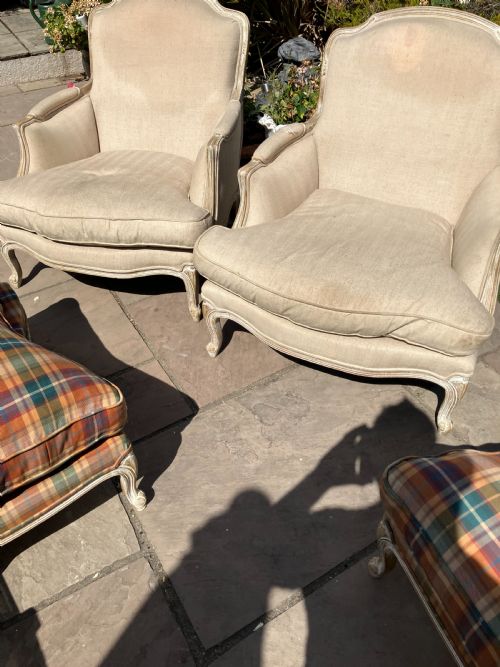


Vintage Upholstered Chair
A vintage upholstered chair brings character and tactile warmth to a room, offering enduring comfort through traditional seating forms.
What these pieces are
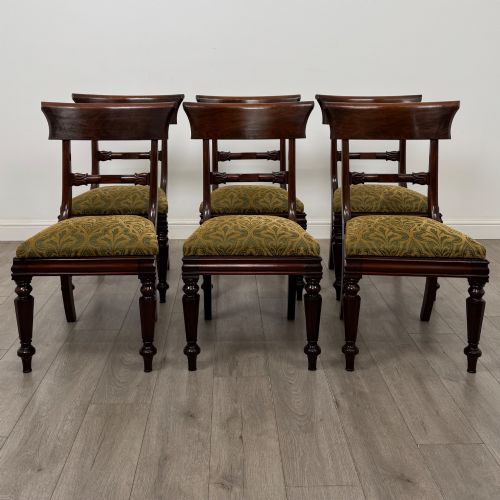
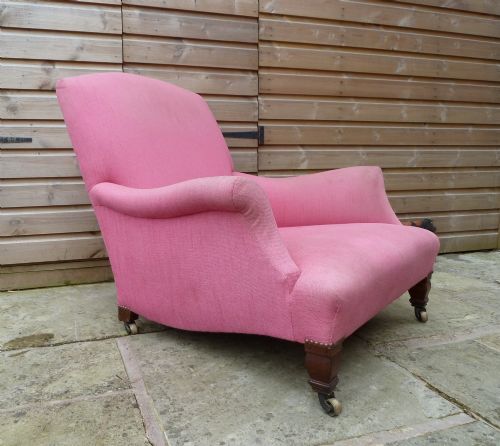
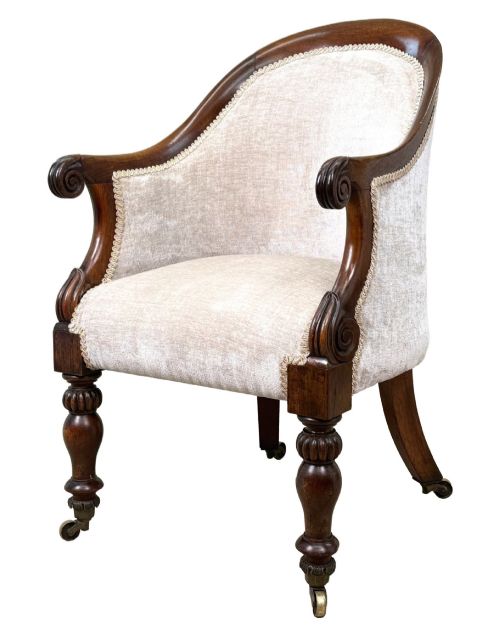
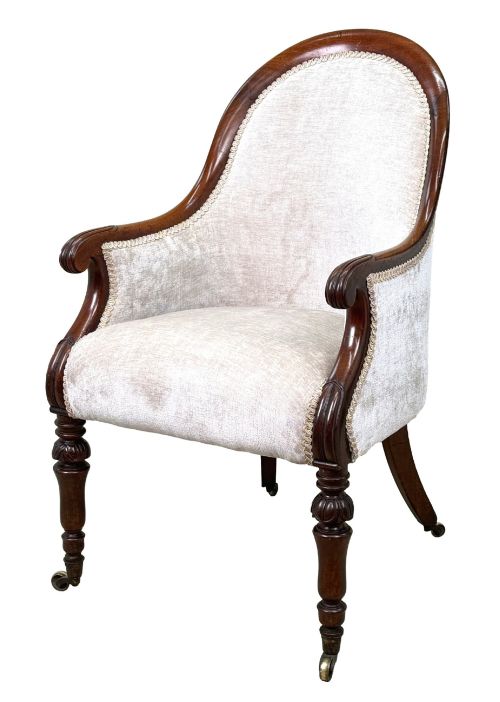
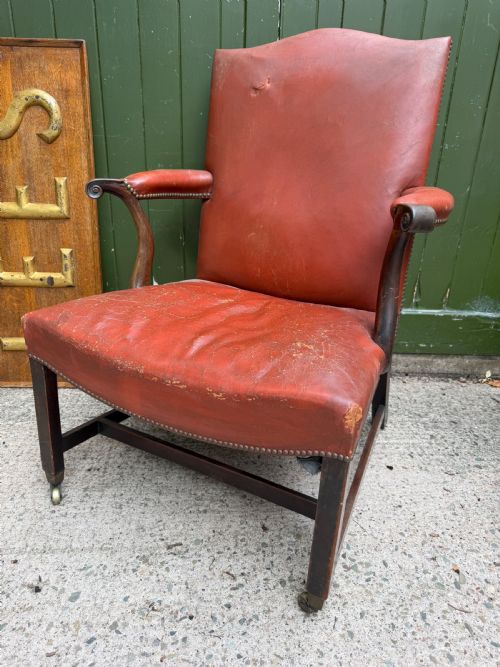
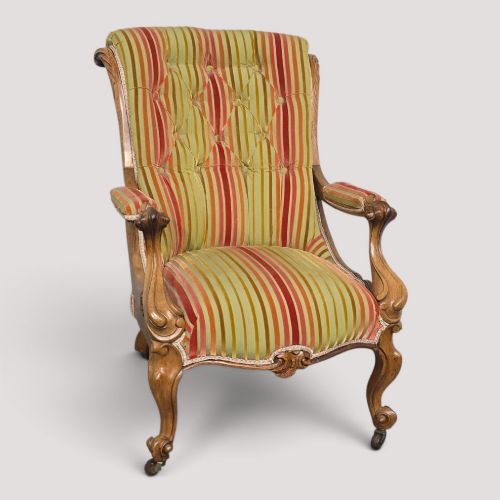
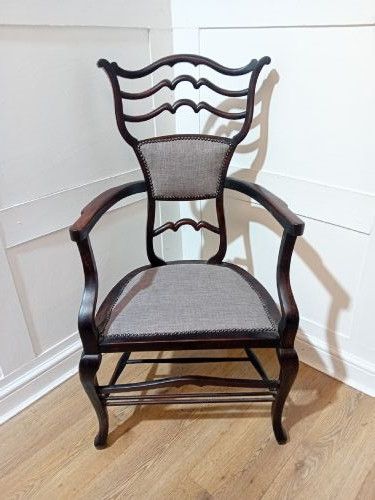
When you search for a vintage upholstered chair, you encounter a diverse range of seating encompassing nineteenth century and Edwardian pieces. These items include robust wing back armchairs, spoonback designs, bedroom chairs, and rocking chairs.
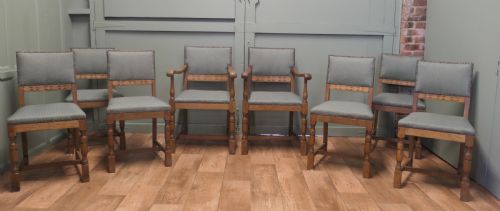
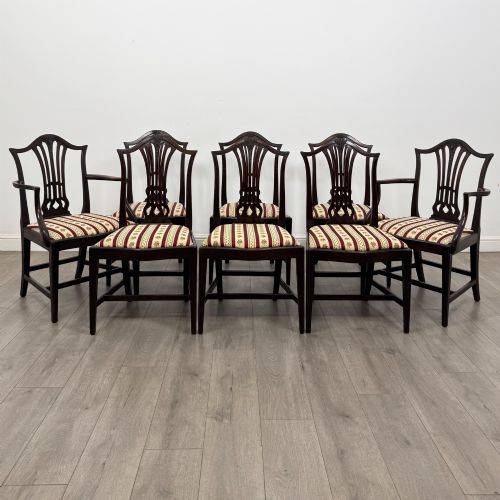
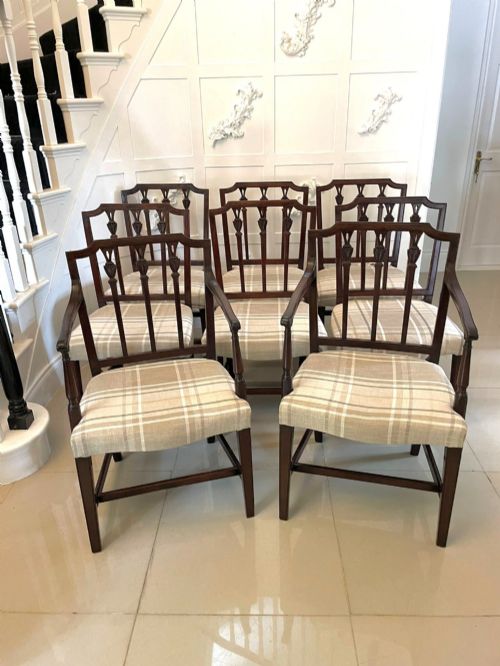
The selections span distinct stylistic influences, featuring English interpretations alongside French period forms such as Louis Quinze style and Hepplewhite style. Armchairs dominate the offerings, built primarily as substantial lounging or bedroom seats.
Origins vary between English workshops and continental European makers, showcasing a continuity of traditional forms across the eighteen hundreds and the early twentieth century. Each example reflects the domestic seating requirements of its specific period.
How they were made
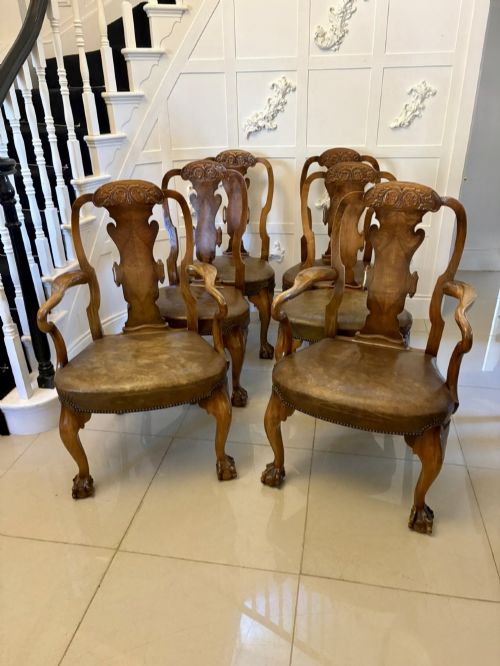
Construction relies heavily on traditional timber frames fashioned from mahogany, walnut, beech, and general wood. These structural skeletons provide the necessary durability for resilient daily use.
Upholstery methods incorporate various textiles including velvet, damask fabric, camel hair textile, and general fabric. Details such as brass hardware frequently accent the wooden frameworks and upholstery edges.
Retail Price Guide 2026
Typical UK retail prices for vintage upholstered chair, calculated from the Sellingantiques database of over a million retail prices indexed since 2003. This retail price guide relies exclusively on Sellingantiques data; no external sources or auction records are used, so the figures do not describe the wider market.
Listings feature mahogany, walnut, and beech frames paired with textiles including velvet, damask, and camel hair.
What varies in quality
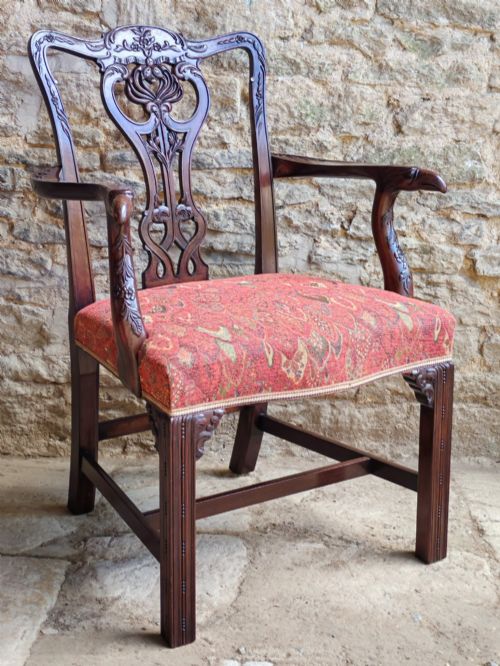
The calibre of a piece is evident in the finesse of its woodwork, particularly where substantial mahogany or walnut is shaped with deep carving. Heavier structural substance and refined stylistic execution elevate certain examples above simpler bedroom seating.
Material choice in the covering also dictates standing, with rich textiles such as silk damask, velvet, or specialised camel hair marking a higher grade of manufacture than standard woven fabrics.
C. Hindley & Sons
The Vintage Upholstered Chair Glossary
- Wing back armchair
- A seating form featuring protective side panels designed to shield the sitter from draughts. These pieces often utilise sturdy mahogany frames.
- Spoonback armchair
- A seat characterised by an oval upholstered backrest shaped like the bowl of a spoon. This form is frequently associated with nineteenth century parlor furniture.
- Damask fabric
- A reversible patterned textile historically utilised for formal upholstery. It adds textural depth to period seating.
- Louis Quinze style
- A French decorative aesthetic defined by flowing serpentine lines and cabriole legs. Walnut and beech often form the structural basis for these items.
Frequently Asked Questions
How do Edwardian chairs differ from nineteenth century pieces?
Edwardian seating often exhibits lighter proportions and decorative carving compared to earlier nineteenth century items. Materials from this later period frequently include walnut and various softer woods.
Earlier examples tend to display heavier frames derived from William IV or Victorian design traditions.
What timber was used in these chairs?
Makers utilised hard timbers such as mahogany and walnut for primary structural integrity. Beech and general hardwoods also appear across various regional workshops.
These materials provide the enduring framework necessary to support extensive period upholstery.
Where were these chairs made?
Origin points span English domestic workshops as well as French ateliers. English pieces often reflect Hepplewhite or nineteenth century vernacular styles.
Continental output frequently demonstrates Louis Quinze revival characteristics and specialised textile coverings.