

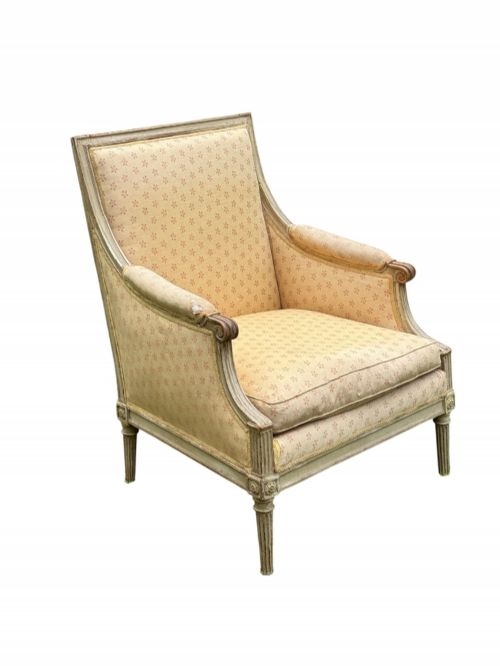
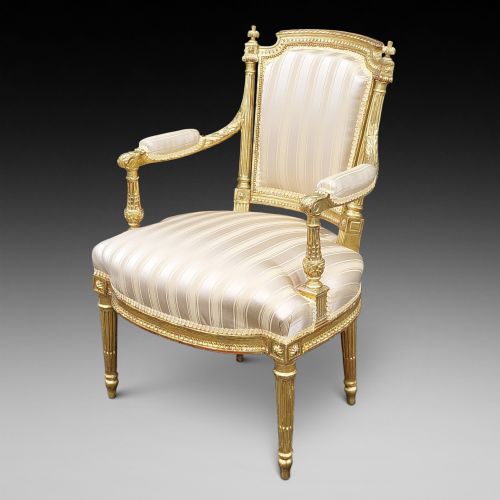
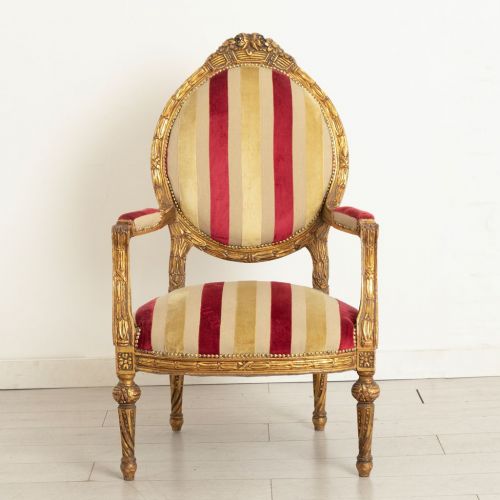
Louis XVI Armchair
A louis xvi armchair brings neoclassical restraint and carved elegance to any room, offering upright comfort through timeless French seating.
Defining the louis xvi armchair
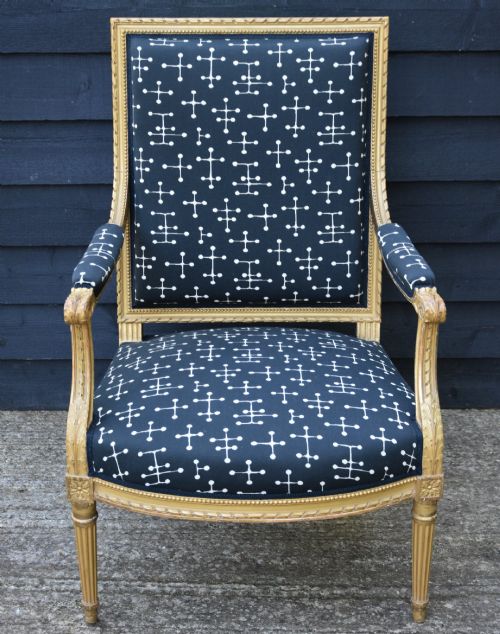
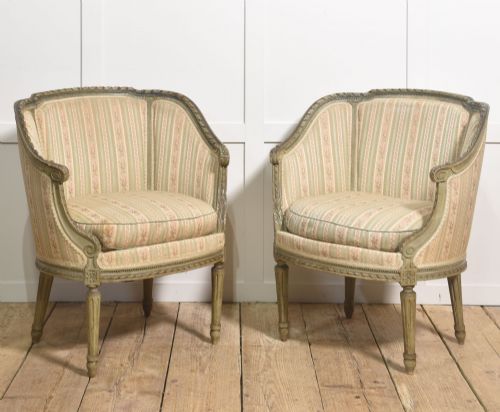
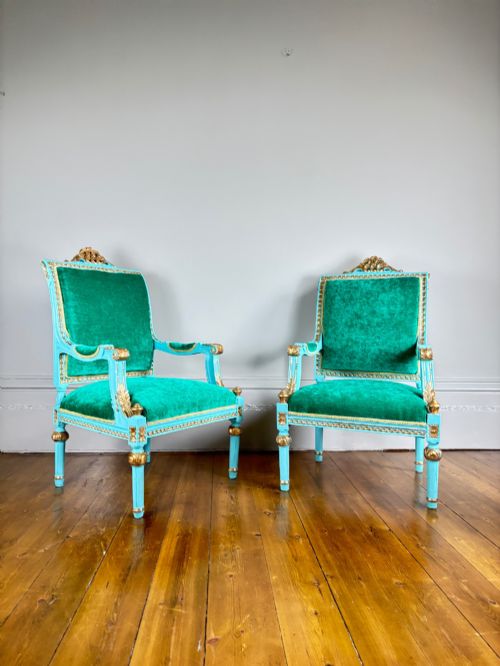
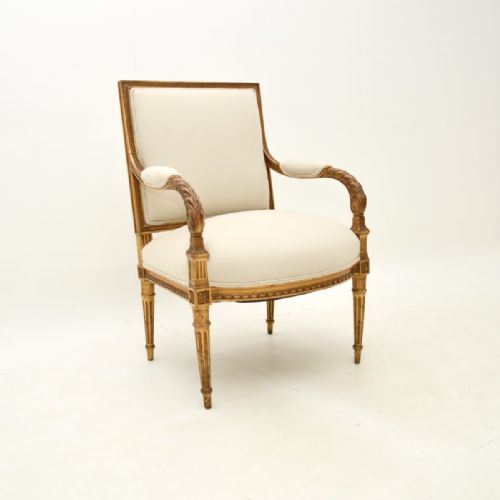
A louis xvi armchair centres on geometric symmetry, straight fluted legs, and carved frames that recall classical antiquity. Buyers searching this phrase most frequently encounter 19th-century revival pieces alongside genuine period examples from the 1800s and 1900s.
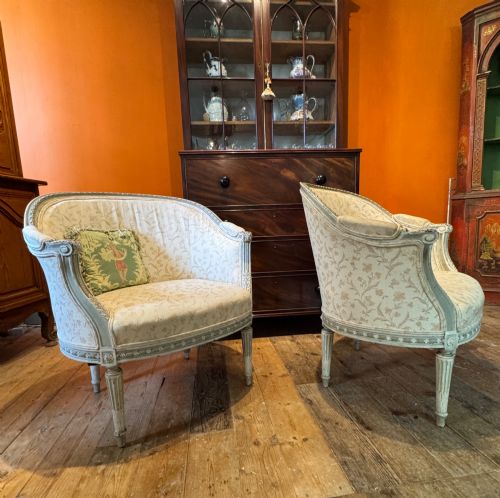
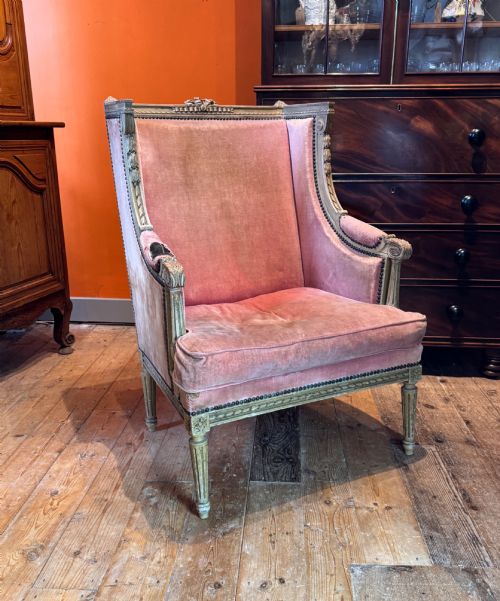
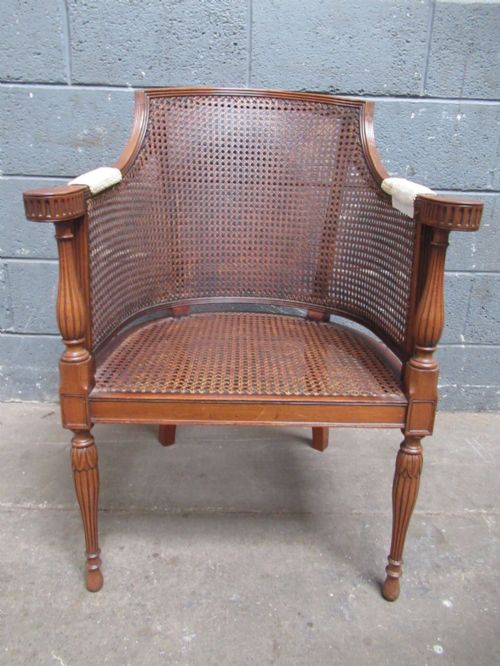
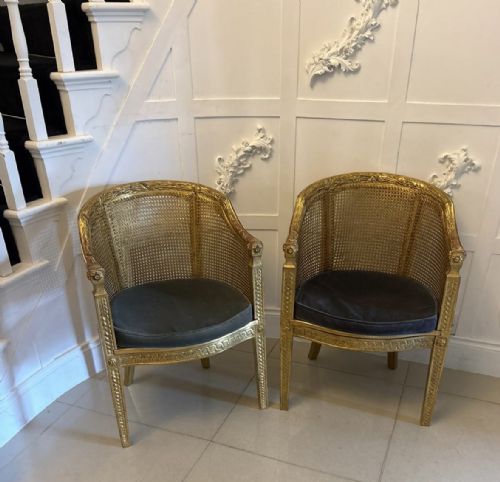
The form typically manifests as an open armchair or fauteuil, featuring upholstered backs and armrests designed for salon use. Bergère and tub armchair variants also appear, offering enclosed seating alongside library chairs and occasional footstools.
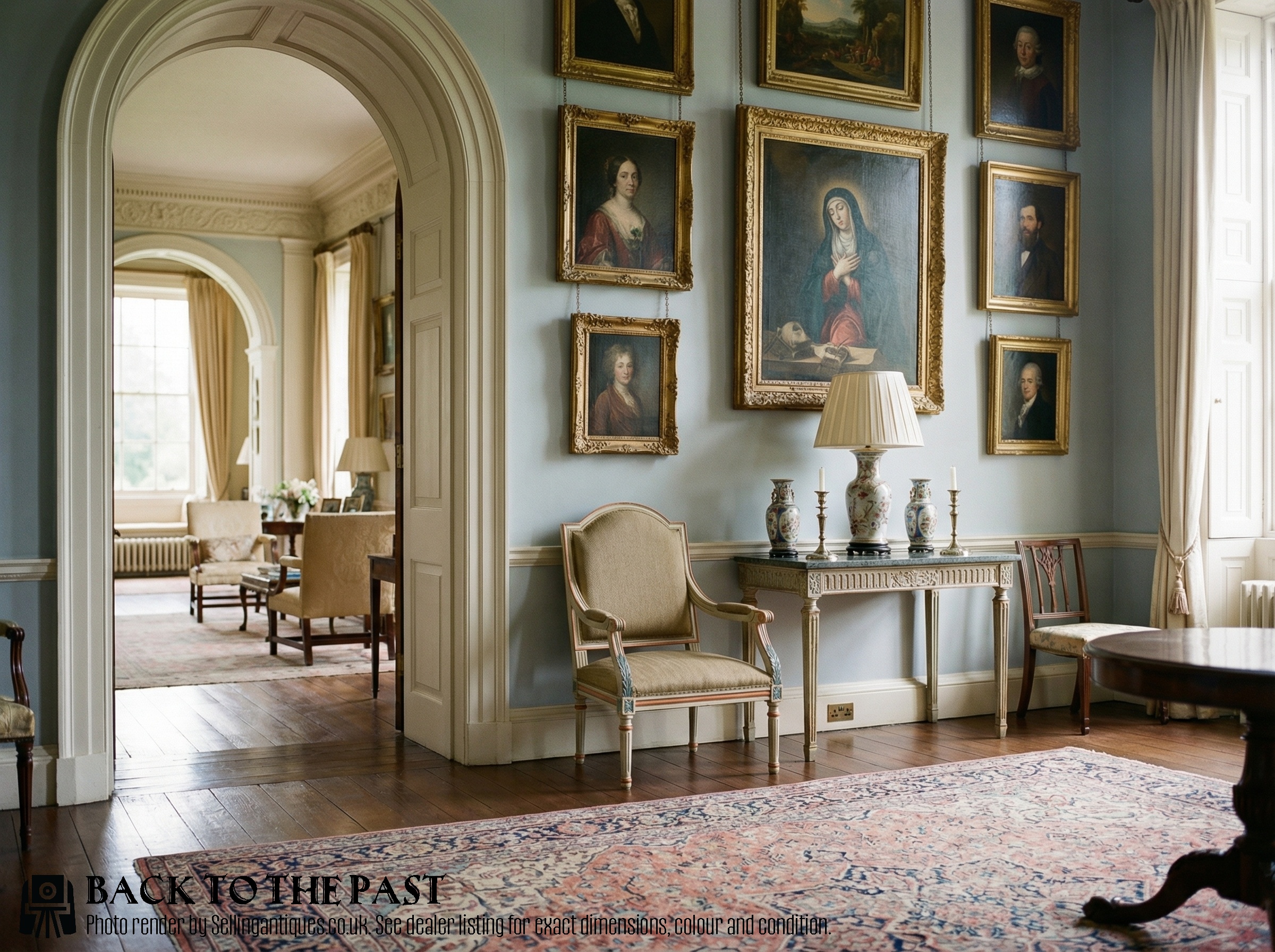
Materials and construction
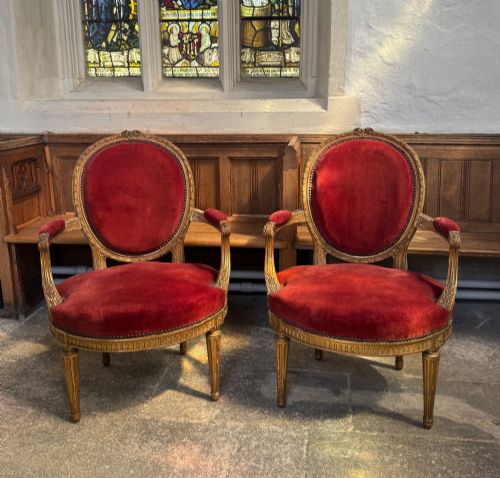
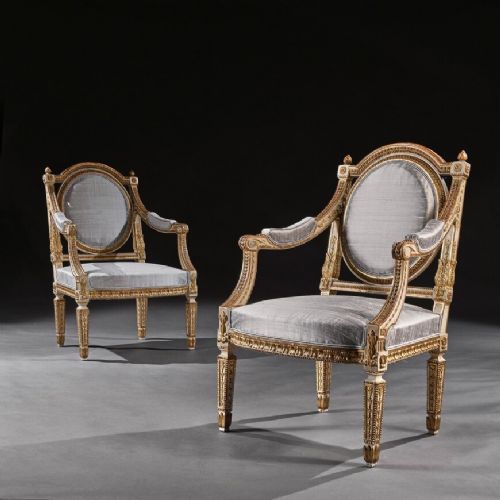
Makers shaped these frames from solid timbers including beech, walnut, and mahogany, often applying paint or heavy gilding to the wood surface. Brass accents and carved details frequently decorate the structural show frames.
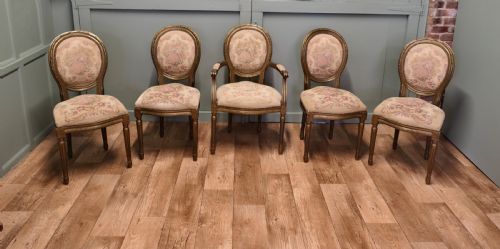
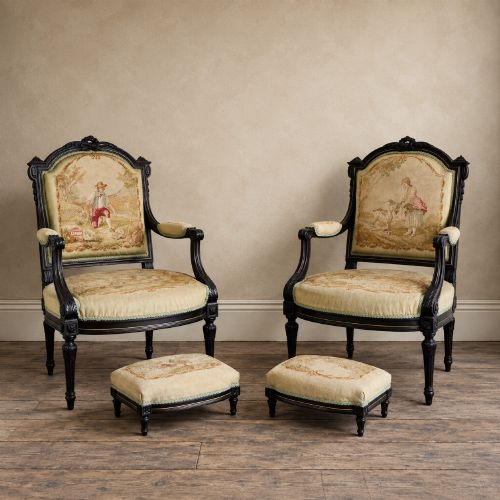
Upholstery relies on traditional textiles such as fabric, wool, damask, and tapestry, occasionally incorporating needlepoint panels. These covers are secured directly to the carved wooden frames.
Retail Price Guide 2026
Typical UK retail prices for louis xvi armchair, calculated from the Sellingantiques database of over a million retail prices indexed since 2003. This retail price guide relies exclusively on Sellingantiques data; no external sources or auction records are used, so the figures do not describe the wider market.
The selection spans pieces from the 1800s, 19th century, 1900, 1920, and 1870, showing enduring French revival output.
Factors that define quality
The crispness of the hand-carved floral and classical motifs separates standard revival seating from exceptional examples. Deeper relief carving and refined proportions indicate superior workshop execution.
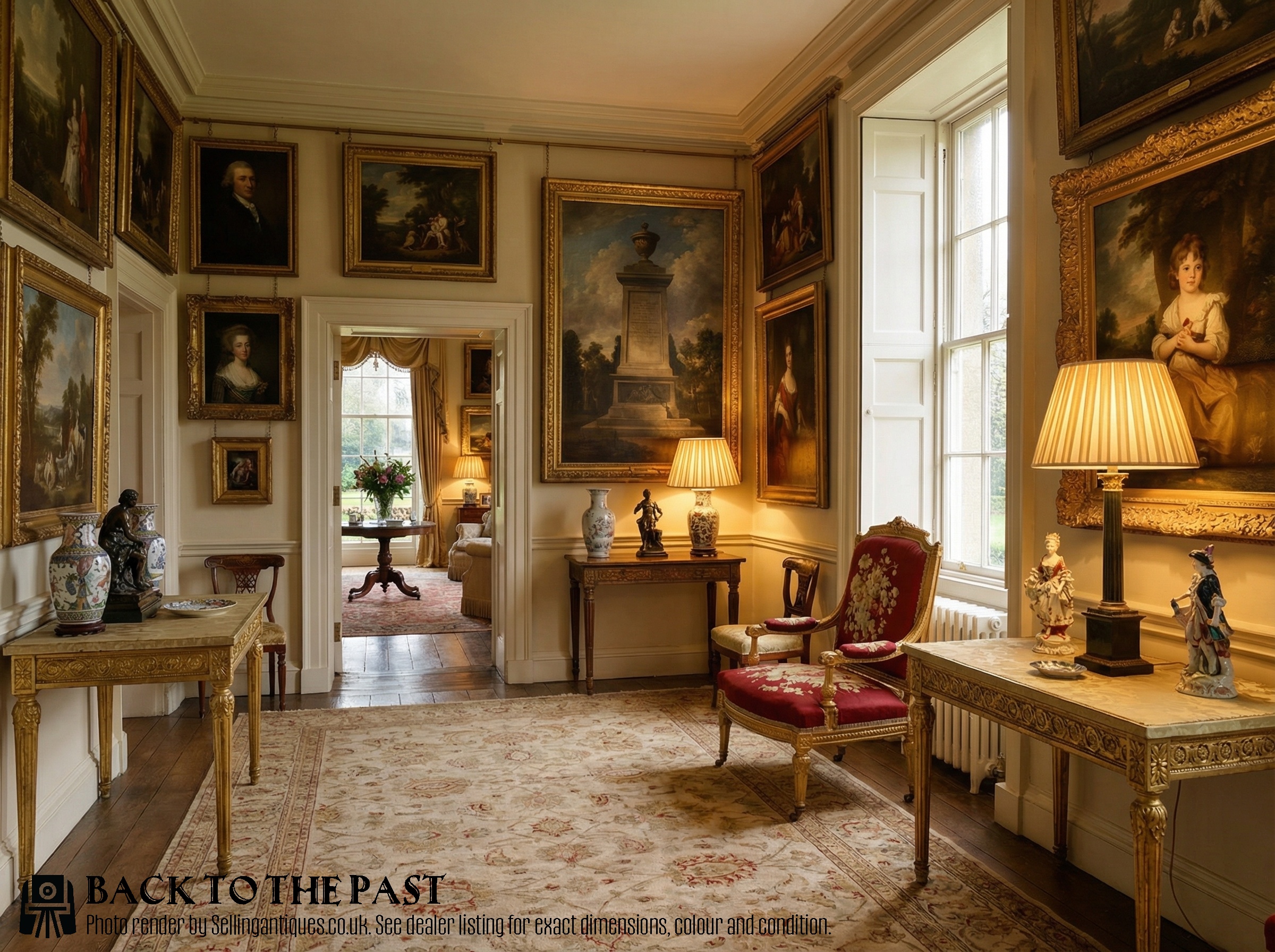
The integrity of original surface treatments, whether aged paint or applied giltwood, dictates the visual authority of the piece. Intact original tapestry covers also elevate the standing of an armchair.
Holland and Sons
The Louis XVI Armchair Glossary
- Fauteuil
- An open-armed French armchair with upholstered back and seat, typically featuring exposed wooden framing. This form defines much of the seating found in this category.
- Bergère
- An enclosed armchair with upholstered sides and a solid, padded back. It often includes a loose seat cushion for added comfort.
- Giltwood
- Timber coated with a thin layer of gold leaf or gilt paint. This finish appears frequently on formal salon armchairs.
- Caned
- Woven cane panels utilised for chair backs or seats. This technique provides lightweight strength.
- Duchesse brisée
- An extended armchair combined with a footstool to form a chaise longue. This configuration offers full-length reclining support.
Frequently Asked Questions
What is a louis xvi armchair?
A louis xvi armchair is a formal seat characterised by straight lines, neoclassical carved details, and exposed wooden frames. These chairs emerged from French design traditions.
Today, buyers encounter both 18th-century originals and 19th-century revival pieces that emulate this distinct classical aesthetic.
How do I identify a revival piece?
Revival armchairs typically date from the 19th century or early 20th century, adopting the neoclassical style of earlier decades. Construction methods and wood ageing help distinguish these later interpretations.
Examining the joinery and surface finish reveals whether a chair is a period antique or a subsequent revival work.
Where were these chairs used?
These armchairs served primarily in formal salons, withdrawing rooms, and libraries of grand residences. Their upright proportions supported polite conversation and indoor entertaining.
Modern interiors utilise them as statement accent chairs in living spaces, studies, and bedrooms.
How do I care for original tapestry covers?
Original wool and tapestry covers require gentle handling, protection from direct sunlight, and careful low-suction vacuuming. Textile conservators can advise on repairing ancient fibres.
Preserving these delicate surfaces maintains the historical integrity and character of the armchair.